
 Mattress Reviews
 Best Mattresses
 Compare Mattresses
 Accessory Reviews
 Sleep Science
 Sleep Disorders
 Sleep Tips
 Health

























Memory foam and innerspring beds have dominated the mattress market for decades, but Japanese mattress manufacturer Airweave aims to change that.
The Airweave Takumi 2.1 uses the brand’s proprietary Airblock technology to offer sleepers a more unique and customizable experience. With the Takumi 2.1, you get an ultra-firm, supportive sleep surface with plenty of bounce and breathability.
But with a luxury price tag, is it really worth trying something new?
Our certified sleep science coaches and mattress experts put the Takumi 2.1 through our rigorous hands-on tests to find out. Read on to see if this premium export is worth the money.
Our Airweave Mattress Review, Summarized
The uniquely customizable Airweave Takumi 2.1 stands out for its supportive, firmer-than-average feel and durable construction. While sleepers can fine-tune the mattress to provide more or less support across different areas of the body, those who prefer to sleep firmly on top of the mattress rather than sink deeply into it will likely do better on this model.
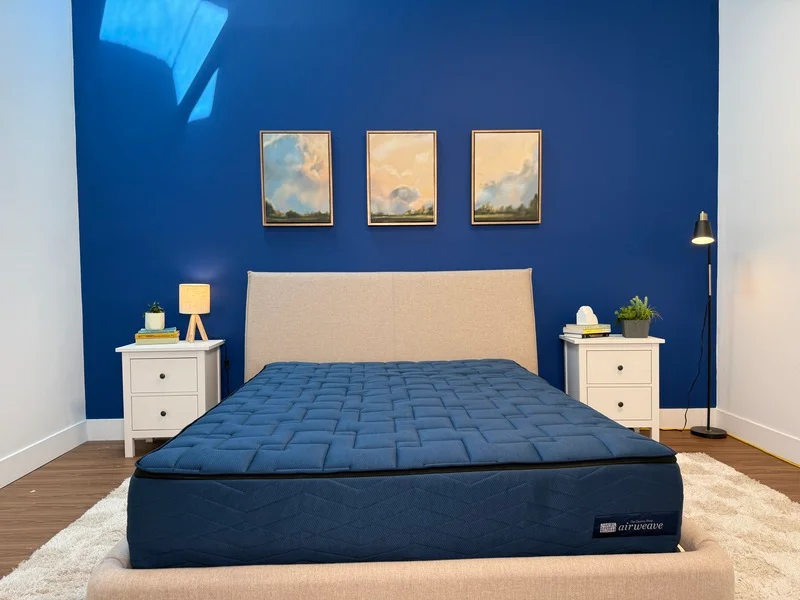
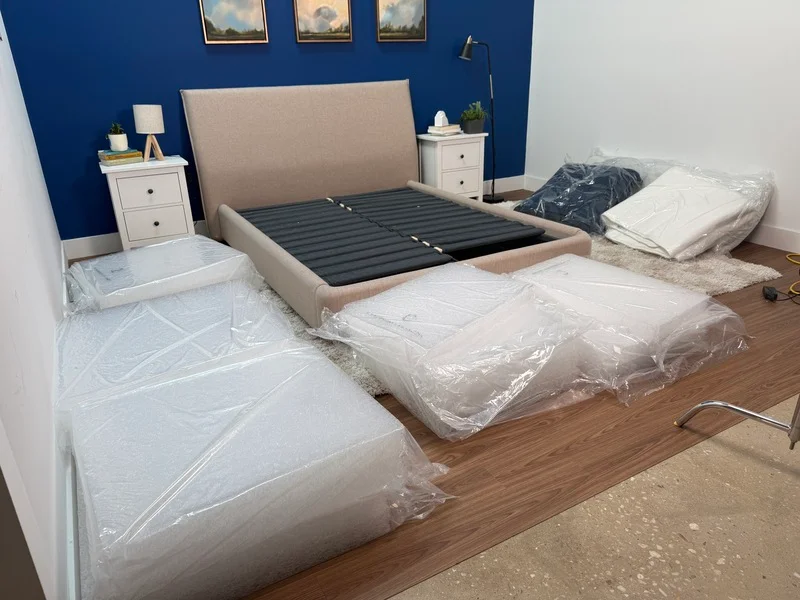
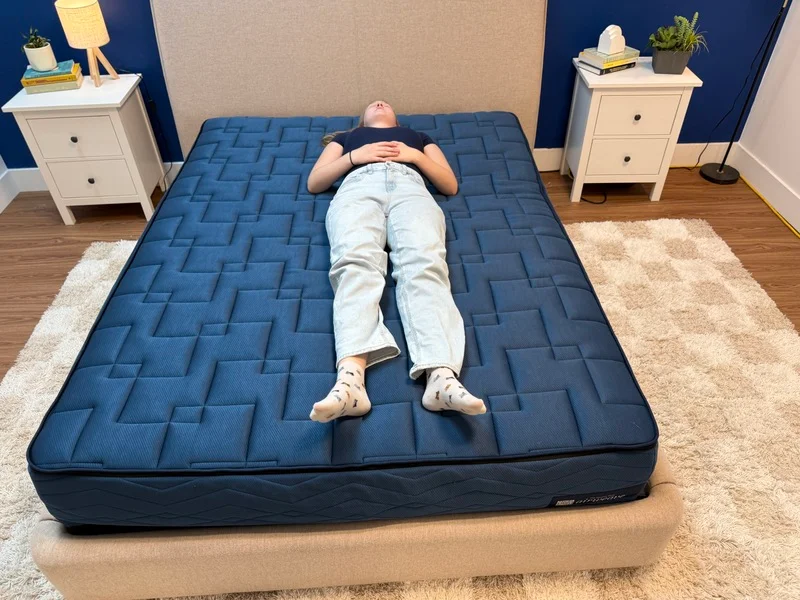
The Airweave Takumi 2.1 offers an ultra-firm, customizable sleep surface with plenty of bounce and breathability.
What our tester says:
“I was actually very pleasantly surprised by the great motion isolation the Airweave offered. Since the bed is built from individual blocks, the only layers you and your partner share are the soft top layer and the mattress cover. When my partner got into bed, I had no clue they were even on the mattress.” -Riley Otis, Certified Sleep Science Coach and Staff WriterOur Review Process
At Sleepopolis, our team of certified sleep science coaches and in-house mattress experts personally test each mattress. We start by unboxing the mattress to figure out how difficult (or easy) it is to get the mattress from the box to the bed. Then, we spend time lying on the bed in different positions, taking time to assess it on our back, stomach, and side. Next, we perform our Sleepopolis tests, using specialized tools to measure qualities like motion transfer, bounce, and pressure relief. Our last step is to open up the mattress and take a look at each layer. These steps allow us to give our final verdict on each mattress.
Airweave Takumi 2.1 Mattress Sleepopolis Scores
Our Scoring System
We rate each mattress on a scale from 1 to 5 to reflect its overall quality. The number is comprised of individual scores from hands-on testing of materials, firmness, pressure relief, motion transfer, cooling, responsiveness, and more. Learn more about our methodology.
Airweave Takumi 2.1 Mattress Overview
The Airweave Takumi 2.1 is one of the most unique mattresses we’ve tested in our studio. The Takumi is made with customizable Airfiber “blocks” instead of traditional foam or springs. During testing, we found that both sides of the Takumi’s Airfiber blocks felt firmer than the industry-standard medium-firm mattress. No matter how you arrange the blocks, you can expect the Takumi 2.1 to provide lots of support with minimal sinkage.
The Airfiber material is also highly responsive, making it easy to move around and change positions, which could make the Takumi 2.1 a good option for combination sleepers and couples.
However, lightweight sleepers, strict side sleepers, and those with chronic pain may want to opt for something on the softer side.
Who I Recommend the Airweave Takumi 2.1 For
- Back sleepers who prefer feeling more “on top” of their mattress should enjoy sleeping on this Airweave model. One of our mattress testers found that her spine was “as straight as it’s ever been” in this position.
- Sleepers with mobility concerns who need strong edge support will find it in spades here. Unlike memory foam or springs, Airweave’s airfiber material keeps its shape under pressure, so you always have a supportive surface to push down on.
- Combination sleepers or anyone who prefers a bouncy mattress should find this model responsive and incredibly easy to move around on.
Who I Don’t Recommend the Airweave Takumi 2.1 For
- Our mattress testers found that the Takumi 2.1 was on the firmer side, so strict side sleepers may not get the cushioning they need around common pressure points, like the shoulders and hips.
- Those with chronic pain or sensitive joints might find it difficult to get the cushioning and contouring they need from this mattress.
- Starting at nearly $6,000 for a queen-sized mattress, the Takumi 2.1 is not a budget-friendly item.
Airweave Takumi 2.1 Comparison
- Serta Perfect Sleeper Innerspring Mattress – Extra-firm innerspring alternative
- Saatva Rx Mattress – Pressure relief for chronic pain
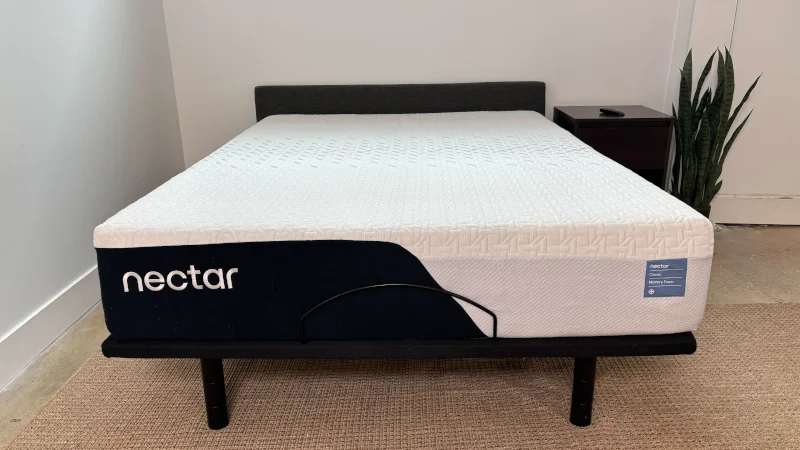
- Nectar Classic Memory Foam Mattress – Affordable memory foam comfort
|  |  |  | |
| Rating | ||||
| Firmness | Medium-Firm: 8.5/10 | Firm: 7.5/10 | Medium-Firm: 6.5/10 | Medium-Firm: 6.5/10 |
| Material | — | Innerspring | Hybrid | Foam |
| Cooling | — | — | ||
| Best For | Back Sleepers, Stomach Sleepers | Couples, Back Sleepers, Stomach Sleepers, Side Sleepers | Hip Pain, Seniors | Side Sleepers, Back Sleepers, Back Pain, Couples |
Airweave Takumi 2.1 Value
When assessing the value of a mattress, we weigh its price against the quality of its materials and performance during testing. At $5,985 for a queen-sized bed, the Takumi 2.1 is undoubtedly on the pricier side, even considering its customizable firmness and strong performance across multiple categories. Its 60-day sleep trial and 10-year warranty also feel underwhelming for a mattress at this price point, especially when many competitors offer longer trial periods and warranties.
That said, sleepers willing to invest in something outside the traditional memory foam and hybrid market may find its unique feel, adjustability, and highly supportive construction worth the price of admission.
What Is the Airweave Takumi 2.1 Made Of?
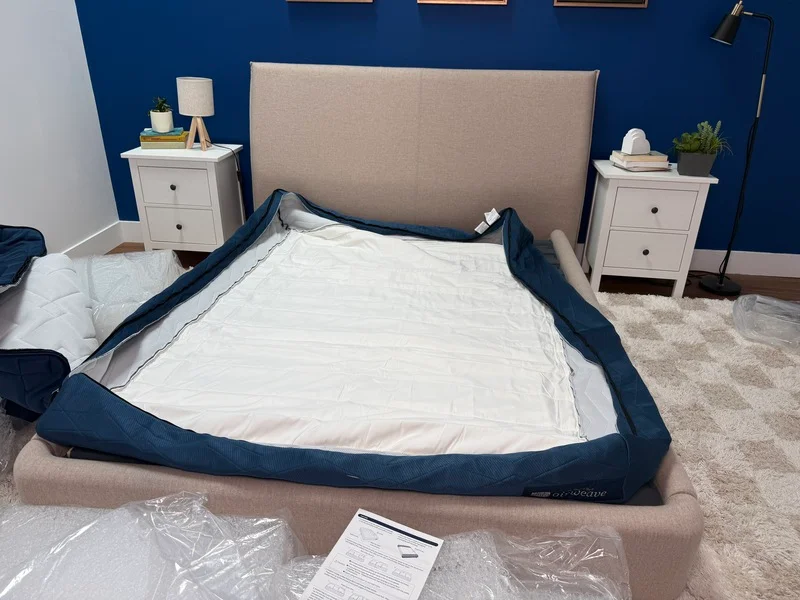
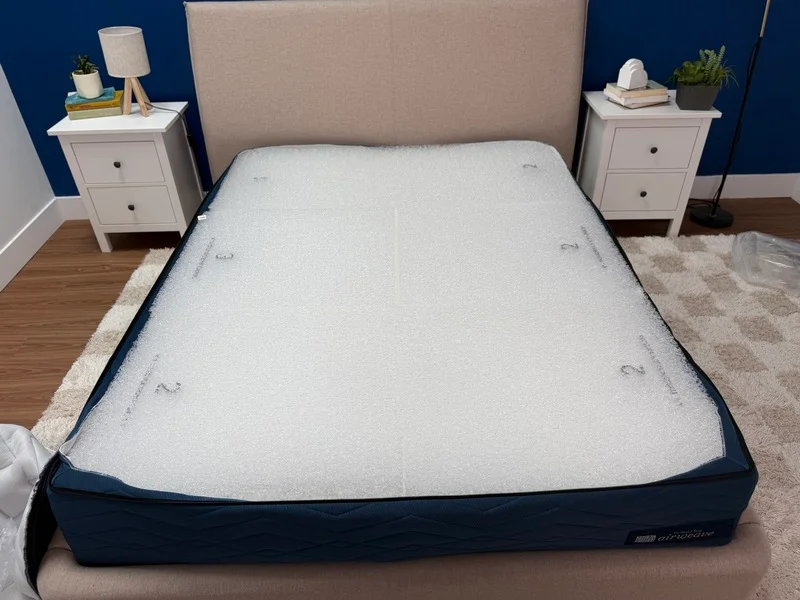
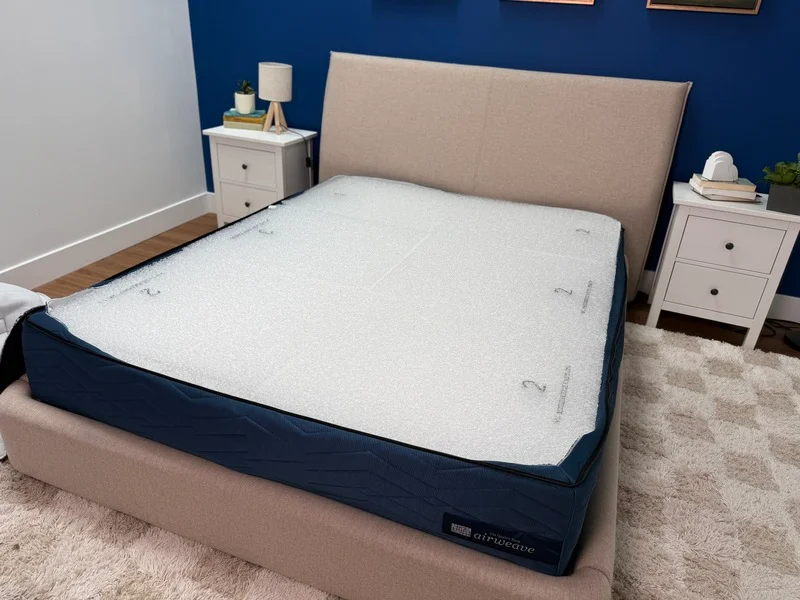
The 12-inch Takumi 2.1 mattress by Airweave uses the company’s proprietary Airfiber DualFiber blocks, which are made of 90% air and 10% polyethylene resin. Each block has two sides with different firmness levels, so sleepers can arrange them however they wish during assembly to get more support or cushioning at the shoulders, waist, and legs.
Outer Cover – The outer cover of the Airweave Takumi is a breathable fabric layer. This thin mattress topper is designed to promote airflow, regulate temperature, and wick moisture away as you sleep.
Comfort Layer – Immediately beneath the outer cover is the “luxe layer.” This thin layer of cushioning adds some plushness to the Takumi’s dense, firmer-than-average construction.
Customizable Airfiber DualMode Blocks – The next layer is what separates Airweave’s mattresses from the rest of the pack. The Airfiber DualMode Blocks are flippable blocks with two firmness levels each. When assembling the mattress, you can arrange these blocks in different configurations on this layer to make your own zoned support. For example, you could place the softer sides beneath your shoulders for more pressure relief, and the firmer sides beneath your hips and lower back for extra support.
Middle Airfiber Blocks – Beneath the customizable layer is a softer set of Airfiber blocks for added stability. The softer layer offers more targeted support around the shoulders, back, and legs to promote comfort and healthy spinal alignment throughout the night.
Base Layer – The foundational layer of the Airweave mattress is made of a firmer Airfiber core that provides stability and shape.
Airweave Takumi 2.1 Mattress Firmness
While the Airfiber DualMode blocks let sleepers customize mattress firmness and adjust the zoned support, our testers found that both sides were much firmer than the average mattress.
No matter how expert mattress tester Riley Otis arranged the Airfiber blocks, she found the Takumi 2.1 to be “super firm, with very little plushness to note.”
Using our firmness scale, she gave it an average rating of 8.5 out of 10, meaning this is an incredibly firm mattress when compared to the industry standard of medium-firm.

“The blocks are springy and keep their shape when applying pressure to them,” Riley said. “Because of this, the primary feel is solidly firm. There’s a thin soft layer beneath the cover that adds a very tiny touch of cushioning, but it still doesn’t add enough softness for side sleeping. I think people looking for a very firm bed with minimal sinkage and body contouring will enjoy the Takumi.”
Airweave Takumi 2.1 Mattress Performance
We use a thorough review methodology to evaluate every mattress that comes through our doors. Standardizing mattress testing across the board lets us prioritize the features that matter most to sleepers and provide in-depth test results for cooling, edge support, pressure relief, and more. See how the Airweave Takumi 2.1 performed in these categories below.
Airweave Takumi 2.1 Pressure Relief Performance
If you experience pain and stiffness for an hour or less after waking up (more than an hour may point to other issues), your mattress is likely not providing enough pressure relief. The best mattress for you will balance support, cushioning, and contouring to prevent tension from building up in areas like the hips, shoulders, and lower back.
When testing pressure relief, we use a pressure-mapping mat to measure how the mattress distributes weight in both the back- and side-sleeping positions. This device generates a color-coded map with blue and green zones indicating minimal pressure and yellow and red areas showing high-pressure buildup. These images help us predict how effectively a mattress will reduce tension for different body types and sleep positions.
The graphic also shows the average PSI (pressure per square inch) in both positions. The average PSI measurements for side sleeping and back sleeping are 14.58 and 12.43, respectively. Any number lower than those generally means a mattress is good at relieving pressure.
Mattress tester Riley Otis used the pressure map during testing and calculated a PSI of 11.54 for side sleeping and 8.28 for back sleeping. For reference, Riley falls into our lightweight category (130 pounds or less), and individuals in this category typically experience more pressure buildup on average, especially on firmer mattresses.
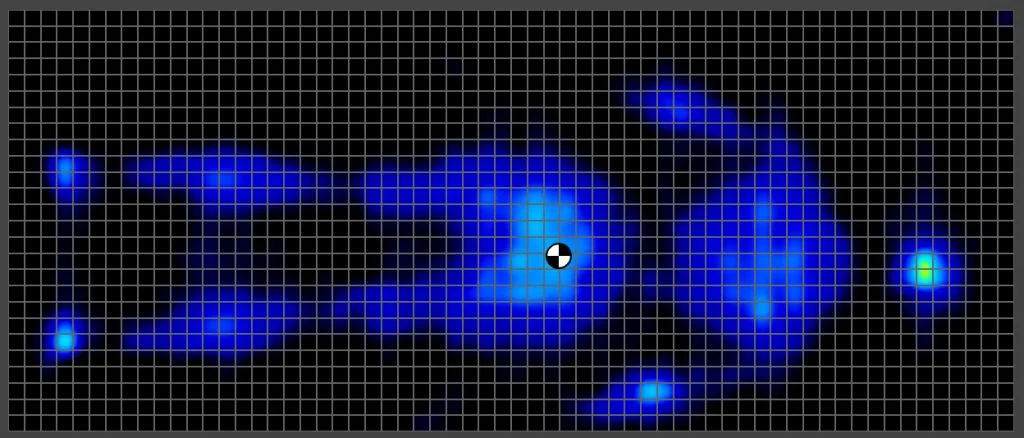
While the pressure map test results suggest that the Airweave Takumi 2.1 provides above-average pressure relief in both positions, Riley noted that she probably wouldn’t feel comfortable for a long time while lying on her side.
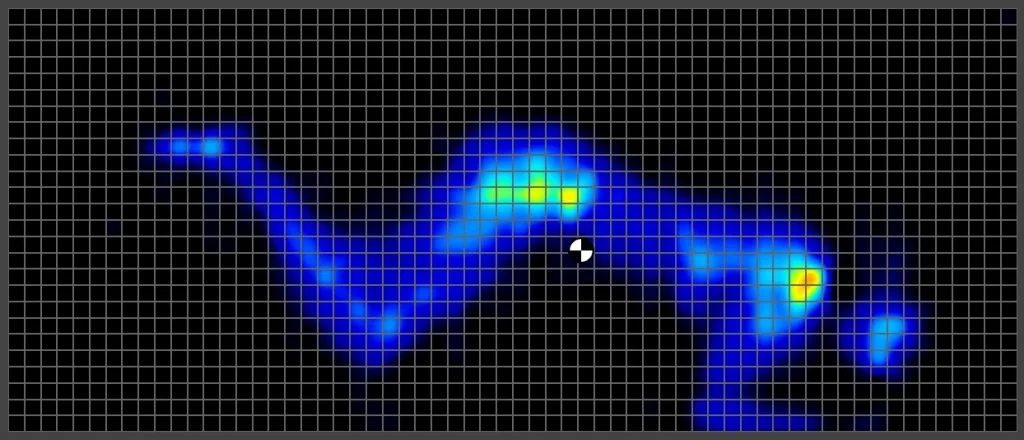
“On my side, my hips feel extremely lifted and elevated, but I feel like my upper body is just a bit lower in this position,” Riley said. “My spinal alignment is pretty good, but I don’t feel like there’s enough cushioning to follow the natural curve of the spine when lying in this position. Even after configuring all of the Airfiber blocks to be on the softer side, this bed still feels extremely firm. I’m not feeling any overt pain yet, but I think this bed is too firm for side sleepers who primarily stay in that position overnight.”
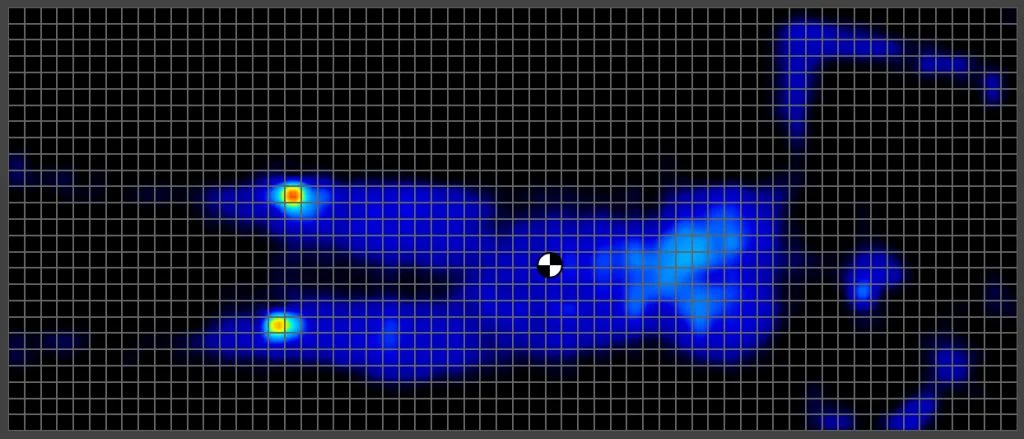
Riley much preferred it for back and stomach sleeping. In these positions, she got plenty of support around her lower body to keep her spine neutral and aligned. After averaging the back-sleeping and side-sleeping scores, she calculated an overall pressure-relief score of 3.5 out of 5.
Motion Isolation
Motion isolation refers to how effectively a mattress dampens motion and keeps it from moving from one side of the bed to the other. Strong motion isolation (or low motion transfer) is especially important for couples with restless partners, as it prevents them from feeling every twitch their partner makes.
When testing motion isolation, two of our testers lie next to each other on the bed. One tester remains still and blindfolded on their half of the bed while the other tester rolls around and gets in and out of bed on the opposite side. The blindfolded tester gives a thumbs up whenever they feel what their testing partner is doing.
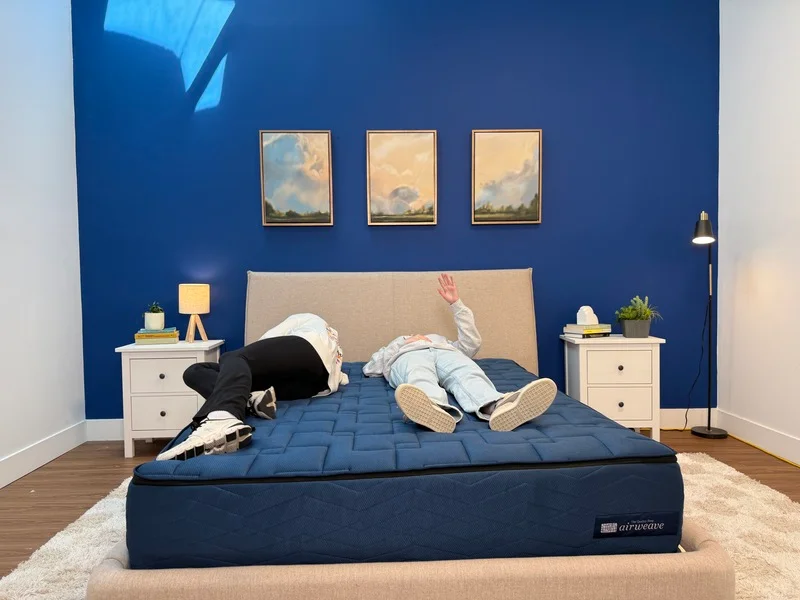
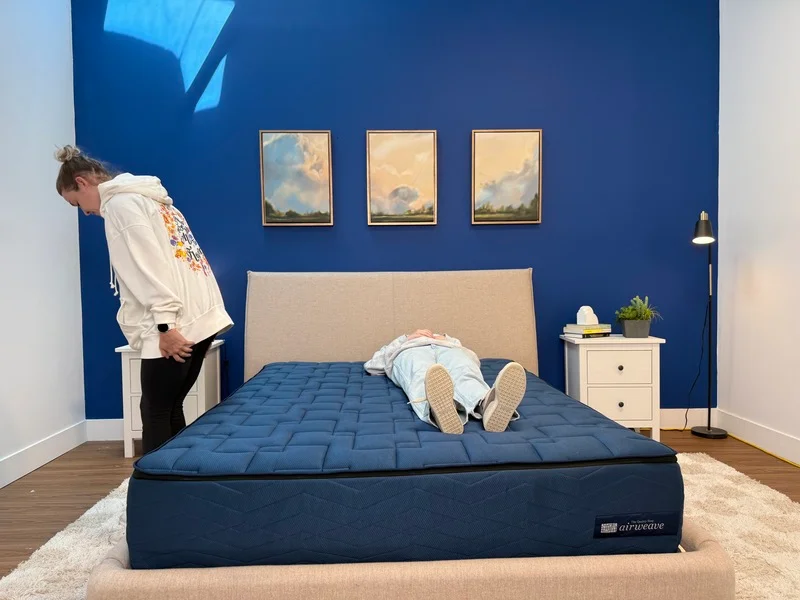
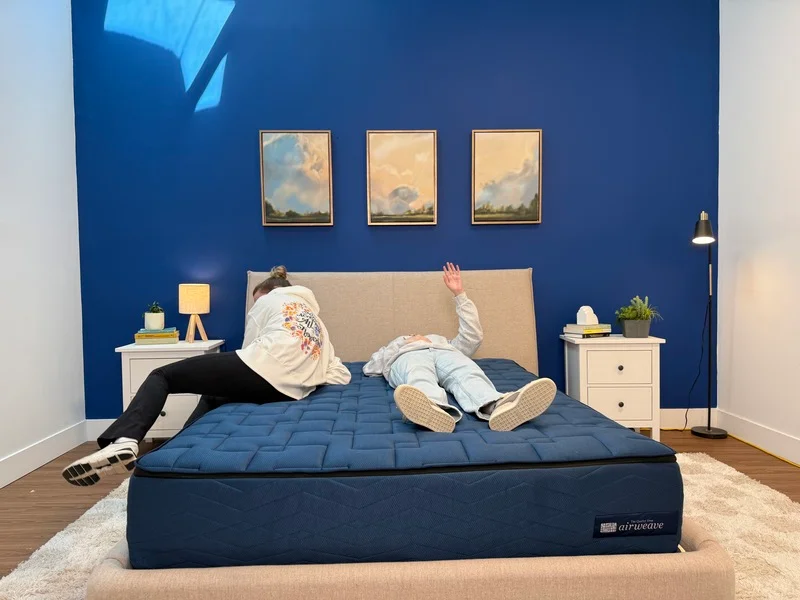
During this test, Riley was pleasantly surprised at how well the Airfiber blocks isolated motion. Initially, she was worried that it would not fare well in this category because the bed is firm, bouncy, and responsive, which often indicates substantial movement transfer. However, she didn’t feel much from the other side of the bed throughout the motion isolation test.
“Since the Airfiber construction is so responsive, I thought I would maybe feel my partner’s movement a bit more than average,” Riley said. “I was actually very pleasantly surprised by the great motion isolation the Airweave offered. Since the bed is built from individual blocks, the only layers you and your partner share are the soft top layer and the mattress cover. When my partner got into bed, I had no clue they were even on the mattress. I could feel the tiniest bit of movement as they began to switch between positions, but it was barely noticeable.”
Riley gave the Takumi 2.1 a 5 out of 5 in the motion isolation category.
Responsiveness
Responsiveness refers to how quickly a mattress returns to its original shape after placing weight on it. This category is essential for combination sleepers, or those who frequently change sleeping positions to get comfortable, as it helps determine how easily you can move around on top of the mattress.
The Takumi 2.1 scored a 5 out of 5 in the responsiveness category. Riley performed three tests to ascertain this score.
Switch test: The switch test is one of our most straightforward tests: one of our mattress testers lies on the bed and notes how difficult it is to switch between different sleeping positions. During this test, Riley found the Takumi mattress incredibly easy to move around on.
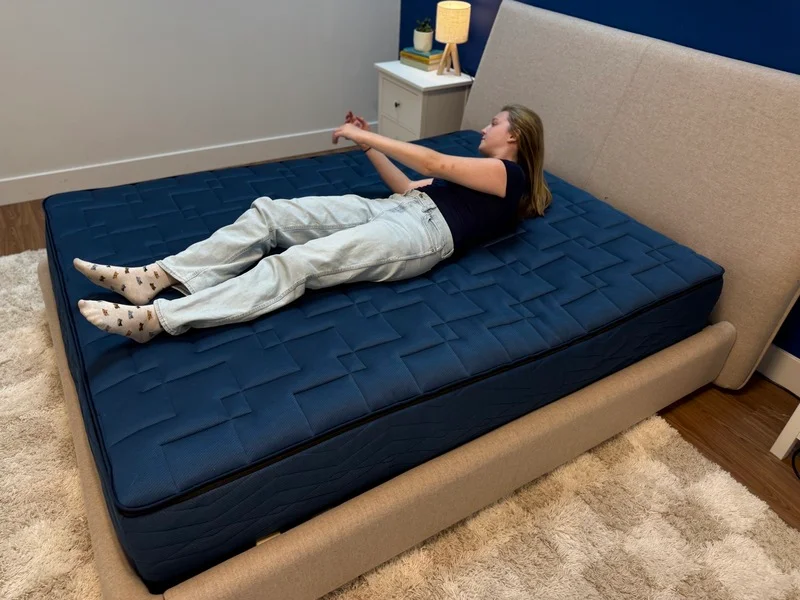
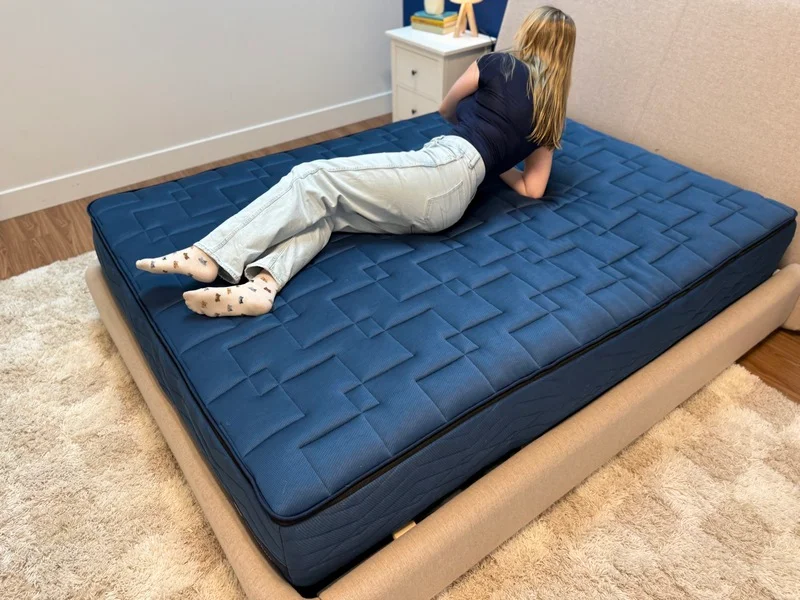
“The bed is super firm, so it’s very easy to roll across the surface without feeling sucked down into the layers,” Riley said. “Because the airfiber material is so bouncy, the bed provides a lot of assistance when moving around. It practically bounced me from sitting to standing, which made it very easy to get up. I was also able to seamlessly transition from one position to the next without exerting any effort.”
Sinkage test: This test involves placing a 53-pound kettlebell on the mattress and measuring the sinkage beneath it with a ruler. Riley measured 2.5 inches of sinkage on the Takumi, which placed it in the light sinkage category. For reference, light sinkage is up to 2.5 inches, moderate sinkage ranges from 2.6 to 4 inches, and deep sinkage is 4.1 inches or more.
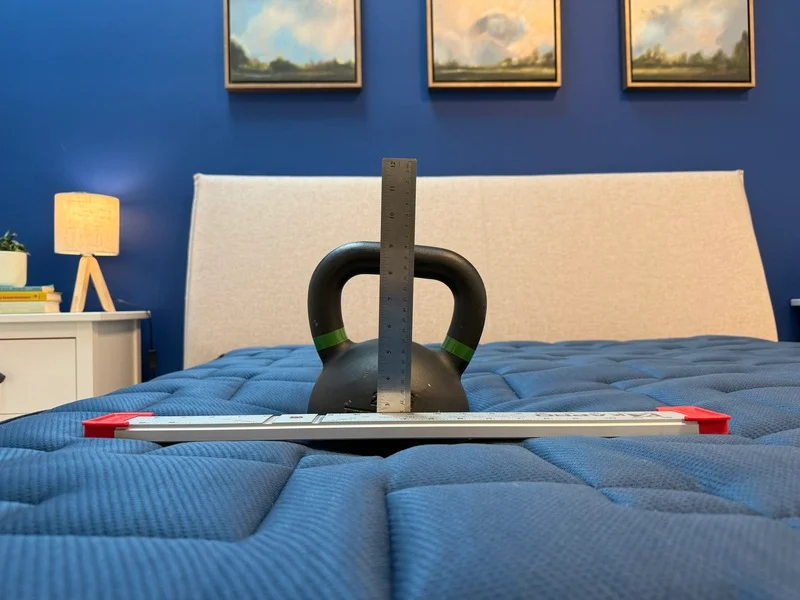
Most of that sinkage happened in the softer top layers, so most sleepers are unlikely to notice any body contouring in areas like their shoulders, hips, and lower backs. They will still definitely feel more “on top” of this mattress than “in” it.
Bounce test: To test how much bounce a mattress has, an expert tester climbs a ladder 6 feet above the mattress and drops a 25-pound steel ball. They use a yardstick on the wall to help measure how high the ball bounces.
The ball launched 28 inches into the air on the Airweave Takumi mattress. These results put it in our high bounce category and align with what Riley experienced during the switch test. The Airweave’s bounce height beat our average of 15.8 inches by over a foot.
Cooling
If you sleep hot or are no stranger to waking up covered in sweat, then cooling features like phase-change material, gel memory foam, and cooling fibers can go a long way toward improving your sleep.
While the Airweave Takumi doesn’t have any specialized cooling materials, Riley found that its breathable cover effectively dispersed body heat during testing and awarded it a 5 out of 5 in our cooling category.
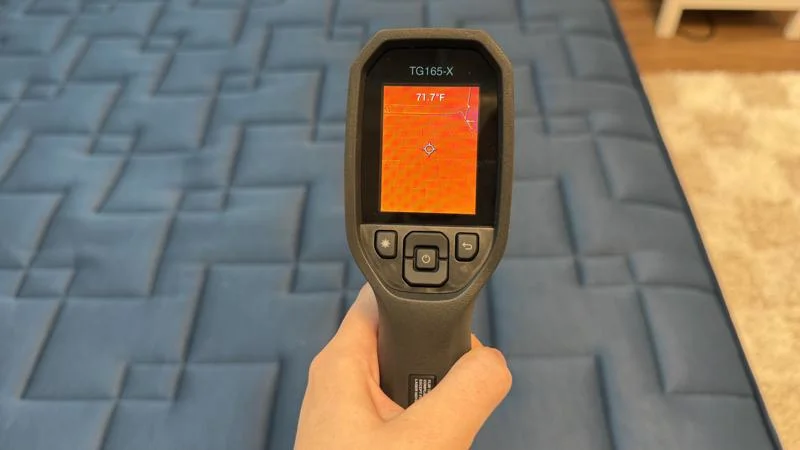
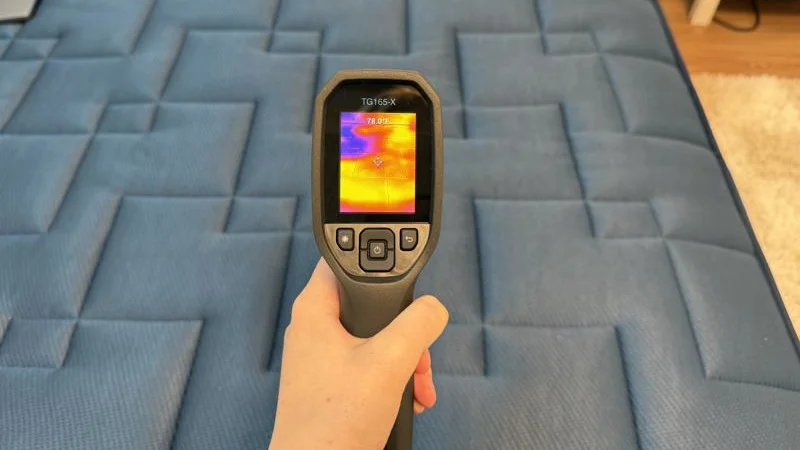
Using a thermal gun, she measured its surface temperature before and after lying on it for 5 minutes. When the time was up, Riley got up from the Takumi and took the bed’s temperature again. She recorded a 3.6-degree increase, indicating exceptional cooling. She also noted that it only took about 4 minutes for the Takumi mattress to return to its initial temperature. These tests point to this being an exceptional choice for those who get uncomfortably warm when they sleep.
Edge Support
Edge support measures how well the mattress perimeter maintains its shape when someone sits or lies on it. Strong support at the edges and corners is essential for couples, larger sleepers, and individuals with mobility concerns. A mattress with supportive edges lets you rest on its sides without feeling unsteady, and it provides a safe surface to press down on when getting up in the morning.
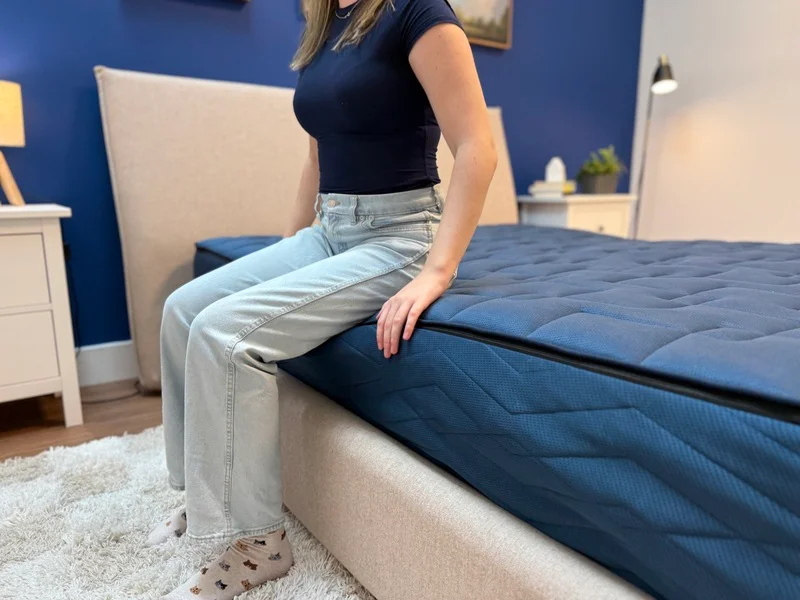
Riley sat and lay on the corners and sides of the Airweave Takumi 2.1 to see how well it supported her. Overall, she was impressed by the Takumi’s firm support, which didn’t waver even at the far reaches of the mattress. She gave it another 5 out of 5 in the edge support category.
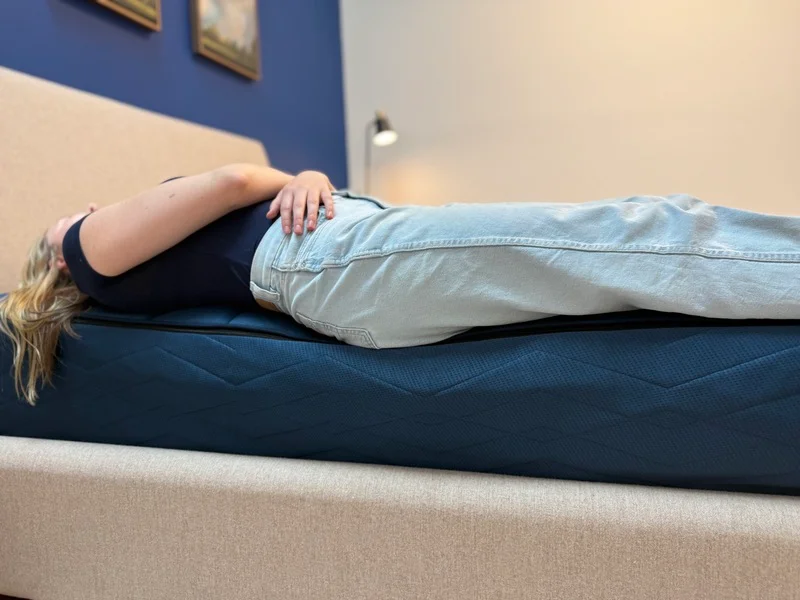
“I was wowed with its edge support,” Riley said. “While sitting, I felt extremely stable and lifted. I didn’t notice any abnormal sinkage that affected my ability to stand up. No matter how close to the edge I scooted, I didn’t feel any dipping or slanting towards the floor. I don’t notice any disparity between the edge and the rest of the mattress, which earns a perfect score from me. This is perfect for older adults or anyone with limited mobility, because these edges don’t budge when you bear down on them.”
Performance for Couples
Based on Riley’s notes, we think the Airweave Takumi 2.1 is a great mattress for couples, especially those who prefer a firmer sleep surface. The Takumi scored well in motion isolation, responsiveness, cooling, and edge support, all of which significantly impact couples. Couples shouldn’t have to worry about common disturbances (heat, movement, and lack of support) on the Takumi 2.1.
Other Performance Factors to Consider
We just went over most of the nuts and bolts behind the Takumi 2.1, but there are still a handful of factors that many shoppers overlook. Read more about them below.
Sex
We average responsiveness, cooling, and edge support to calculate a bed’s sex score. Of the three categories, responsiveness is arguably the most important factor, as it directly relates to how easy it is to move on a mattress. The Takumi 2.1 earned yet another perfect 5-star score here.
Base Compatibility
Riley was pleasantly surprised by how well the Takumi 2.1 worked with an adjustable base. With herself and another tester lying on the mattress, it flexed easily into both the zero-gravity and TV settings on Silk & Snow’s S&S Enhanced Adjustable Base, staying flush against the base without any noticeable gapping.
She found that the mattress conformed closely as the base changed positions. However, the mattress tag states that the Takumi 2.1 is intended to be used without a foundation, suggesting the manufacturer may not recommend pairing it with an adjustable base.
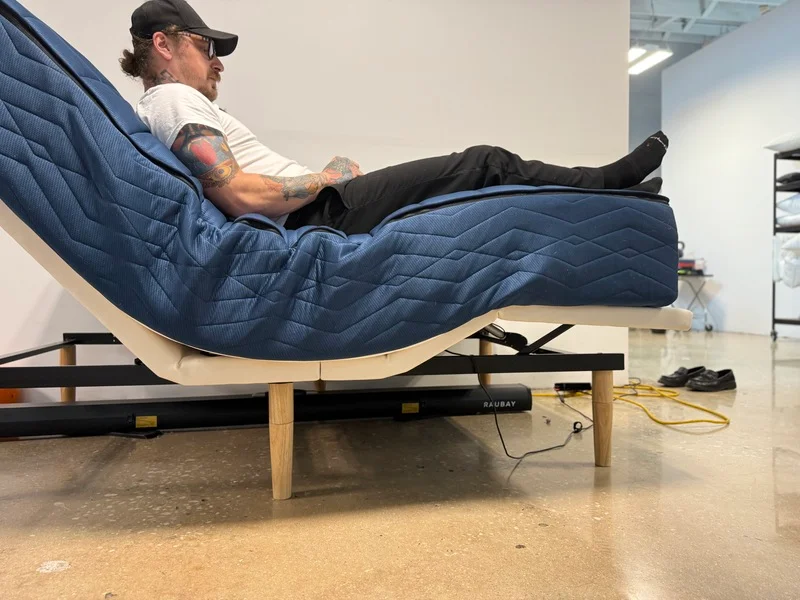
Based on Riley’s testing, we’d call its compatibility a “yes, but…”, and recommend checking with the manufacturer before using one, as it may void the warranty.
Durability
The Airweave Takumi uses proprietary materials, making it difficult to compare its expected lifespan directly to other mattresses. That said, we anticipate it should last 10 years or more.
Its firm feel and strong edge support are encouraging signs of durability. Generally, more supportive materials resist sagging and maintain their shape along the edges than ultra-plush, slow-sinking mattresses.
Airweave Takumi 2.1 Performance Scores
| Test | Product Score | Average Score |
| Firmness | 8.5 | 6.7 |
| Pressure Relief Side | 3 | 3.5 |
| Back Pressure Relief | 4 | 4 |
| Motion Isolation | 5 | 4 |
| Responsiveness | 5 | 4.1 |
| Cooling | 5 | 3.9 |
| Edge Support | 5 | 4 |
| Bounce Height | 28″ | 16.3” |
| Sinkage | 2.5″ | 3.7” |
| Sex Score | 5 | 4 |
| Trial Period | 2 | 4.2 |
| Warranty | 3 | 4.6 |
| Unboxing/Moving | 4 | 4.4 |
Airweave Takumi 2.1 Sleeping Position and Body Weight
| Body Weight | Side | Back | Stomach |
|---|---|---|---|
| Light (under 130 lbs) | unpleasant | good | excellent |
| Average (130-230 lbs) | unpleasant | excellent | excellent |
| Heavy (over 230 lbs) | good | good | good |
| Body Weight: Light (under 130 lbs) | |
|---|---|
| Side Sleeper | unpleasant |
| Back Sleeper | good |
| Stomach Sleeper | excellent |
| Body Weight: Average (130-230 lbs) | |
| Side Sleeper | unpleasant |
| Back Sleeper | excellent |
| Stomach Sleeper | excellent |
| Body Weight: Heavy (over 230 lbs) | |
| Side Sleeper | good |
| Back Sleeper | good |
| Stomach Sleeper | good |
Your weight, body type, and preferred sleeping position significantly impact how a mattress feels to you. Using what we know about the Takumi 2.1’s firmness, support, and overall feel, we can predict how comfortable and supportive it may be for different body types and sleeping positions.
Before we dive into our recommendations, though, we want to recognize that people come in all shapes and sizes, and people of every size deserve a mattress that works for their body type. We use the weight categories light, average, and heavy to more easily categorize sleepers based on how mattresses will perform for their body type, as most mattresses are designed for the group we call “average” (130 to 230 pounds).
As a general takeaway, lighter sleepers don’t require as much support as average-weight sleepers, and mattresses will tend to feel firmer to them. On the other hand, heavy sleepers tend to need more support than average-weight sleepers and sink into the mattress more. As far as sleeping positions go, side sleepers likely need a softer mattress while stomach sleepers usually need a firmer, more supportive one. Back sleepers are usually somewhere in the middle.
Is the Airweave Takumi a Good Mattress for Light Sleepers (Under 130 pounds)?
- Light Back Sleepers – The Takumi 2.1 should work well for lightweight back sleepers who prefer an extra-firm, supportive feel with minimal contouring.
- Light Side Sleepers – This mattress will likely feel too firm for most lightweight side sleepers, especially those with chronic pain who need extra cushioning around sensitive shoulders and hips.
- Light Stomach Sleepers – Stomach sleepers in this weight category should appreciate how well the Takumi lifts the hips and keeps the body aligned.
Is the Airweave Takumi a Good Mattress for Average-Weight Sleepers (130–230 pounds)?
- Average-Weight Back Sleepers – The Airweave mattress could be a great fit for average-weight back sleepers who prefer a firm, sturdy sleep surface.
- Average-Weight Side Sleepers – Most average-weight side sleepers will likely find the Takumi too firm to provide adequate pressure relief around the shoulders and hips.
- Average-Weight Stomach Sleepers – The Takumi 2.1 should be a strong contender for average-weight stomach sleepers. Its ultra-firm and supportive surface can help prevent the hips from sinking too deeply.
Is the Airweave Takumi a Good Mattress for Heavy Sleepers (over 230 pounds)?
- Heavy Back Sleepers – Heavy back sleepers should generally fare well on the Takumi 2.1’s supportive construction.
- Heavy Side Sleepers – The Takumi may work better for some heavy side sleepers than lighter individuals, as they may sink further into the upper layers. That said, its exceptionally firm feel could still create pressure around the shoulders and hips.
- Heavy Stomach Sleepers – The Takumi 2.1 should be a good match for many heavy stomach sleepers who need a supportive sleep surface that resists excessive sinkage around the midsection.
Airweave Takumi 2.1 Sizing and Pricing
| Size | Price |
| Twin XL | $4,195 |
| Queen | $5,895 |
| King | $6,995 |
| California King | $6,995 |
Airweave Takumi 2.1 Policies
Warranty: 10-year warranty
Sleep Trial Period: 60-day sleep trial
Shipping: Free shipping on all Airweave mattresses. Additional white glove delivery is also available for $50.
Return Policy: Airweave mattresses are eligible for return 14 days into the sleep trial period. Airweave charges a $199 transportation fee and a 15% recycling fee for returns of any mattress, futon, or topper. (For the Kiwami 3.0, a $475 transportation fee and a 15% recycling fee will apply to returns due to its specialized handling requirements.)
Customer Feedback: The Takumi 2.1 mattress has a 5-star score on the Airweave website based on 4 product reviews.
Airweave Takumi 2.1 Customer Reviews
Myles W.
“I’m recovering from lower back surgery for a herniated disc. I wasted $8K on a Kluft mattress that sagged 2″ in <2 years which aggravated my back and delayed my recovery. The Takumi felt too firm on day one, but after a few days it felt normal and more importantly my morning back pain improved greatly. It seemed so counterintuitive, a firmer bed helps back pain? Unbelievably, the Takumi works for me.”
Elizabeth G.
“We have enjoyed airweave products for 9 years now. We already own a mattress and futon, both going strong after all this time.”
Airweave Takumi 2.1 vs. Similar Beds
| | | | |
| Rating | ||||
| Firmness | Medium-Firm: 8.5/10 | Firm: 7.5/10 | Medium-Firm: 6.5/10 | Medium-Firm: 6.5/10 |
| Material | — | Innerspring | Hybrid | Foam |
| Cooling | — | — | ||
| Best For | Back Sleepers, Stomach Sleepers | Couples, Back Sleepers, Stomach Sleepers, Side Sleepers | Hip Pain, Seniors | Side Sleepers, Back Sleepers, Back Pain, Couples |
Not sold on the Takumi’s unique Airblock design? See how it compares to some of our favorite innerspring and memory foam picks.
Airweave Takumi 2.1 vs Serta Perfect Sleeper Innerspring
The Serta Perfect Sleeper Innerspring mattress is a great innerspring alternative for those looking for a firmer-than-average option similar to the Takumi 2.1. During testing, we gave the Serta a 7.5 out of 10 on our firmness scale.
- Price: At $999 for a queen-sized mattress, the Serta is the much more affordable option between the two beds.
- Sleeping position: The Serta Perfect Sleeper is slightly softer than the Takumi 2.1, and some side sleepers who prefer a firmer surface might enjoy sleeping on it. That said, neither mattress is a great option for side sleepers. Both beds are better for back and stomach sleepers.
- Cooling: The Takumi wins in this category, thanks to its perfect 5-star cooling score.
- Body weight: Neither mattress is a great pick for lightweight sleepers. Both beds are suitable for most average-weight sleepers and those with bigger bodies.
Read more in our full Serta Perfect Sleeper Innerspring mattress review.

Airweave Takumi 2.1 vs Saatva Rx
If you want a luxurious alternative that’s easier on the joints, the premium Saatva Rx is a great pick. The Rx mattress was designed with chronic pain relief in mind, so it offers more cushioning and contouring than the Takumi 2.1. The Saatva Rx is a 6.5 out of 10 on our firmness scale.
- Price: Both beds are on the pricier side, but the Saatva Rx is still cheaper at $3,639 for a queen-sized bed before any discounts.
- Sleeping position: The firmer-than-average Takumi 2.1 is better for stomach, while the Saatva Rx is a much better pick for strict side sleepers and back sleepers with chronic pain.
- Cooling: The Takumi 2.1 is the clear winner here. The Saatva Rx’s pillow-top cover retains more heat than other hybrid models we’ve tested.
- Body weight: The softer surface of the Rx is more suited for sleepers under 130 pounds. Sleepers with bigger bodies should find the Takumi more supportive and comfortable.
Read more in our full Saatva Rx mattress review.

Airweave Takumi 2.1 vs Nectar
The Nectar Classic is an all-foam mattress with a standard medium-firm feel (6.5 out of 10 on our firmness scale). It is a well-rounded option for many different types of sleepers.
- Price: The Nectar often goes on sale for under $700 (for a queen), meaning it is much, much cheaper than the Airweave Takumi 2.1.
- Sleeping position: The medium-firm design of the Nectar makes it a great choice for back and side sleeping. However, strict stomach sleepers will need something firmer and more supportive like the Takumi 2.1.
- Cooling: The Takumi 2.1 just barely beats the Nectar in this category with its perfect 5-star score.
- Body weight: Sleepers with bigger bodies will not get the support they need on the Nectar, making the Takumi a better choice for these individuals. That said, the Nectar is a much better choice for lightweight sleepers.
Read more in our full Nectar mattress review.

FAQs
Are Airweave mattresses good?
Airweave mattresses can be a good option for sleepers who prefer a firm, responsive, and highly supportive surface with minimal sinkage. However, their firmer feel may not provide enough cushioning for some side sleepers, lightweight sleepers, or people with sensitive joints.
Where are Airweave mattresses made?
Airweave is a Japanese company, and its proprietary Airfiber material is manufactured in Japan.
What are Airfiber blocks made out of?
Airweave’s Airfiber blocks are made from approximately 90% air and 10% polyethylene resin. Their interwoven construction creates a firm, springy surface while leaving plenty of open space for airflow.