
 Mattress Reviews
 Best Mattresses
 Compare Mattresses
 Accessory Reviews
 Sleep Science
 Sleep Disorders
 Sleep Tips
 Health


























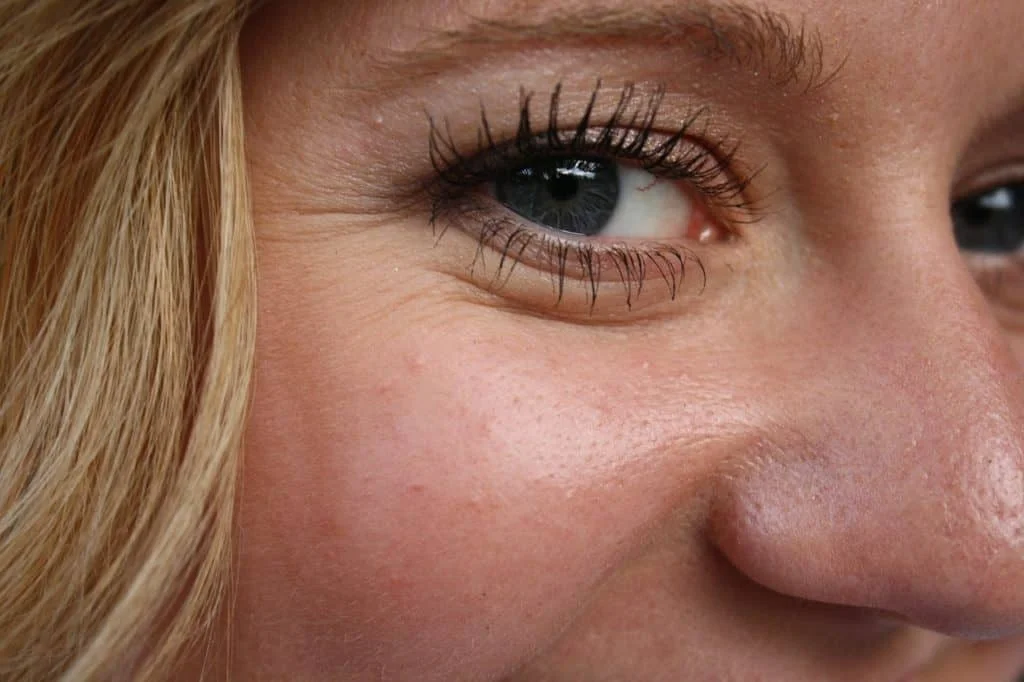
Like many of us nowadays, I sometimes take melatonin gummies as a way to help me fall asleep during those stressful weeks when I can’t help but toss and turn. While these supplements can help us get more beauty sleep, turns out they might also improve our odds of having better eyesight as we age.
Recent findings from a study conducted by Case Western Reserve University suggest that those who take melatonin supplements are at lower risk of developing age-related macular degeneration (AMD). (2)
What Is AMD and Why Is It Important for Sleep?
AMD is a very common eye disease that develops with age. Over 19.8 million Americans suffer from AMD, according to the Centers for Disease Control and Prevention (CDC).
This disease often causes blurred vision and other symptoms of vision loss associated with aging, according to the National Eye Institute (NEI). (1) AMD is also the leading cause of age-related blindness.
However, the study’s findings might be the apple of your eye if you take melatonin regularly.
AMD & it’s Relation to Melatonin – The Study’s Findings
Researchers studied records of over 200,000 people who either had no history of AMD or had started to develop the early stages of AMD. Then they compared medical records to determine if they had been diagnosed with an age-related eye disease and if those patients had taken melatonin regularly.
The study found that patients 50 and older with no history of AMD and who took melatonin regularly were 58 percent less likely to develop vision loss due to aging than those who did not take melatonin. (2)
This could mean the start of eye-opening insights regarding the connection between sleep hormones and vision health.
Other Potential Benefits of Taking Melatonin for Eyesight
Not only is there research to suggest that taking melatonin reduces the risk of vision loss, but other studies show that melatonin may also improve memory problems. This may be good news for those with loved ones who suffer from memory disorders, such as Alzheimer’s.
So far these studies are in the early stages, so more research is needed to better understand the potential memory benefits for us humans. However, researchers say that the initial findings are promising.
But what do the experts have to say about melatonin and its effects beyond potential vision benefits?
Expert Insight on Melatonin and Eyesight
Nowadays we associate melatonin with gummies and over-the-counter supplements that help us sleep, but it’s important to remember that melatonin is also a sleep hormone that is naturally produced by our brains. This hormone tells our brains when to fall asleep and for how long.
I know what you’re thinking, does taking more melatonin mean better eyesight and better sleep? Not necessarily.
Like most things in life, melatonin is best when taken in moderation.
So how much melatonin should you take? Well, it varies.
“The correct melatonin dose varies from person to person and can depend on factors like age. It’s used in sleep medicine to help gradually shift the body clock (circadian rhythm) for people who need help adjusting their sleep schedule. We do this using tiny doses of melatonin (½ to 1 mg at most) multiple hours before bedtime,” says Dr. Shelby Harris, Director of Sleep Health at Sleepoplis.
While the study suggests that those who take melatonin regularly are less likely to develop vision loss, experts warn that no research has been done yet on the effects of taking melatonin for a long-term period.
However, some people report experiencing vivid nightmares, headaches, nausea, and grogginess as side effects of taking melatonin for an extended period.
“If you need to keep taking more and more, it isn’t working, and taking anything more than 3 mg is considered a hefty dose,” added Dr. Harris.
In Conclusion: Is Melatonin Good for your Eyesight?
Experts also warn that not all melatonin supplements are created equal.
“Melatonin is considered a dietary supplement, so it’s not regulated by the FDA in the United States. Which means there’s no guarantee that the ingredients or dosage on the label are entirely accurate,” warns Dr. Raj Dasgupta, Chief Medical Advisor at Sleepoplis.
As always, it’s best to talk to your doctor before taking sleep supplements to determine what’s best for your needs.
Sources
- National Eye Institute. Age-Related Macular Degeneration | National Eye Institute. Nih.gov. Published June 22, 2021. https://www.nei.nih.gov/learn-about-eye-health/eye-conditions-and-diseases/age-related-macular-degeneration
- Jeong, Hejin, et al. “Melatonin and Risk of Age-Related Macular Degeneration.” JAMA Ophthalmology, 6 June 2024, jamanetwork.com/journals/jamaophthalmology/article-abstract/2819801, https://doi.org/10.1001/jamaophthalmol.2024.1822.
- National Eye Institute. Age-Related Macular Degeneration | National Eye Institute. Nih.gov. Published June 22, 2021. https://www.nei.nih.gov/learn-about-eye-health/eye-conditions-and-diseases/age-related-macular-degeneration