
 Mattress Reviews
 Best Mattresses
 Compare Mattresses
 Accessory Reviews
 Sleep Science
 Sleep Disorders
 Sleep Tips
 Health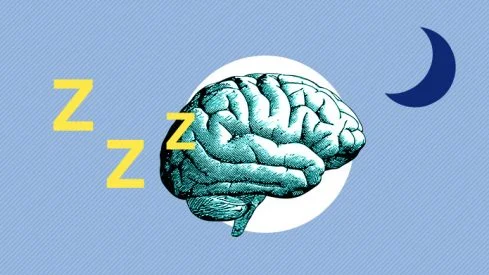
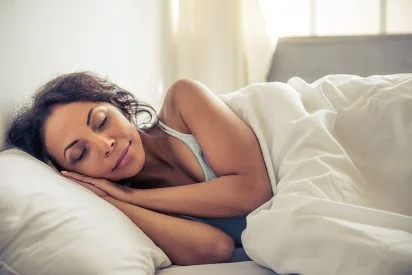








What are the benefits of sleep masks?
When you think of sleep masks, what do you think of? Holly Golightly groggily answering her door with her long-lashed, Tiffany blue sleep mask pushed up on her forehead? The frequent flyers sitting in business class that you pass on your way to your seat in coach?
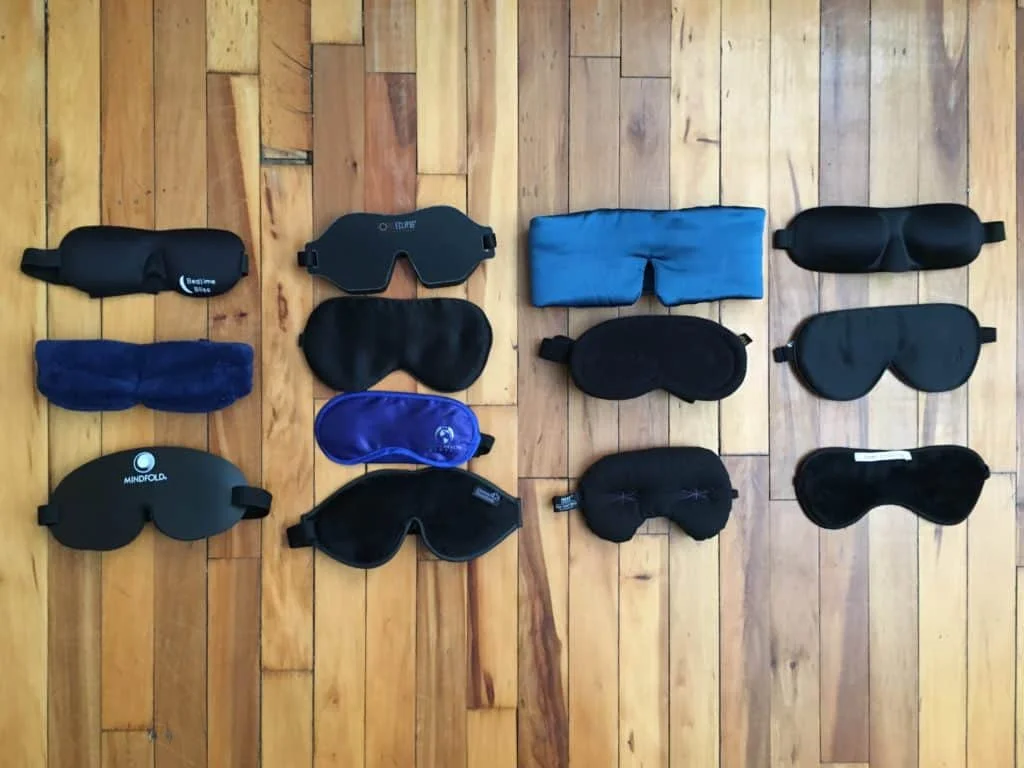
Sleep masks are sometimes saddled with stereotypes that they’re feminine or frivolous, when in reality they’re a useful sleep aid that more people should probably be utilizing. After reviewing thirteen of them for Sleepopolis, I’m still not using a sleep mask every night, but I’m much, much more likely to grab one when I’m having trouble falling asleep, sick, staying in an unfamiliar place, or napping during the day.
Skeptical about whether sleep masks will help you get a better night’s sleep? Check out some of their many benefits below.
1. They’re cheaper than blackout curtains.
Researchers who study sleep are pretty unanimous in the assessment that the darker your room, the better your sleep. But most of us don’t live in caves, and so the only way to make your bedroom totally dark is with blackout curtains—a costly proposition if you’ve got big windows. As an alternative, you can simulate darkness by using a sleep mask to keep ambient light (or, if you’re a day-sleeper, daylight) from hitting your eyes. Blackout-style masks, like the MINDFOLD or Total Eclipse Sleep Mask, offer almost complete darkness, but even a blindfold-style mask like the Nest Bedding Luxury Sleep Mask or the Alaska Bear Sleep Mask will do a good job at blocking light.
2. They improve your sleep quality.
The primary reason that those scientists say you need darkness for good sleep is actually evolutionary. Humans—and our pre-human ancestors—are naturally diurnal, meaning we’re awake during the day and sleep at night. For thousands of years before electric lights allowed us to keep working or socializing late into the evening, humans naturally slept while it was dark and were awake during the day. Our brains are hard-wired into associating darkness with sleep, and they produce more melatonin (the hormone that controls our sleep and wake cycles) when they sense an absence of light.
In addition to increased melatonin production, scientists have also linked dark sleeping conditions to increased time in REM sleep and decreased wakefulness—meaning you’re more likely to sleep deeply and to sleep through the night. And they’ve found these benefits with sleep masks, not just in dark rooms.
3. They might help your insomnia.
Because our brains associate darkness with sleep, it may be possible to utilize a sleep mask in muting the “noise” (stress, anxiety, excitement, etc.) in our brains that’s keeping us up at night. Sleep masks also make it impossible for you to open your eyes and look at the temptations and distractions around your room or at your alarm clock, which sleep scientists say should be out of sight from your sleeping position anyway.
4. They’re safer than medication or alcohol.
A lot of people who have trouble sleeping use sleeping pills or self-medicate with alcohol in order to get some rest. But pharmaceutical sleeping aids—even non-prescription ones—can be habit-forming or come with side effects. (Plus, the chance of overdose is real.) And alcohol not only comes with the same risks as sleeping pills, but it also disrupts your sleep cycle and has a negative impact on the overall quality of your rest.
Because sleep masks trick your brain into believing it’s time for sleep, they’re a low-risk, non-chemical alternative to more conventional sleep aids, but you may find they’re just as effective.
5. They might help prevent dry eyes.
If you centrally heat or cool your home, dry air is filling your room and blowing on you while you’re sleeping—and, it can also stir up dust and pet hair that you didn’t even notice was lying around. Investing in a humidifier can be helpful here, but it won’t keep the recirculated air from blowing at your eyes. A sleep mask, however, can create a protective barrier over your eyes and protect them from your HVAC.
Sleep masks can also be helpful to people who have nocturnal lagopthalmos—the inability to close their eyes fully when they sleep. Because our eyes need the protection and lubrication our lids offer, people who can’t close their lids fully can experience extremely dry eyes, and may even suffer permanent damage. Sleep masks can help mitigate this, by creating a closed environment around the eye, but note that the highly “breathable” sleep masks many people seek might not be a good solution for lagopthalmos patients. Instead, they should work with their doctors to choose a sealed sleep mask that is specifically intended to help with eye hydration.
6. They can be good for your skin.
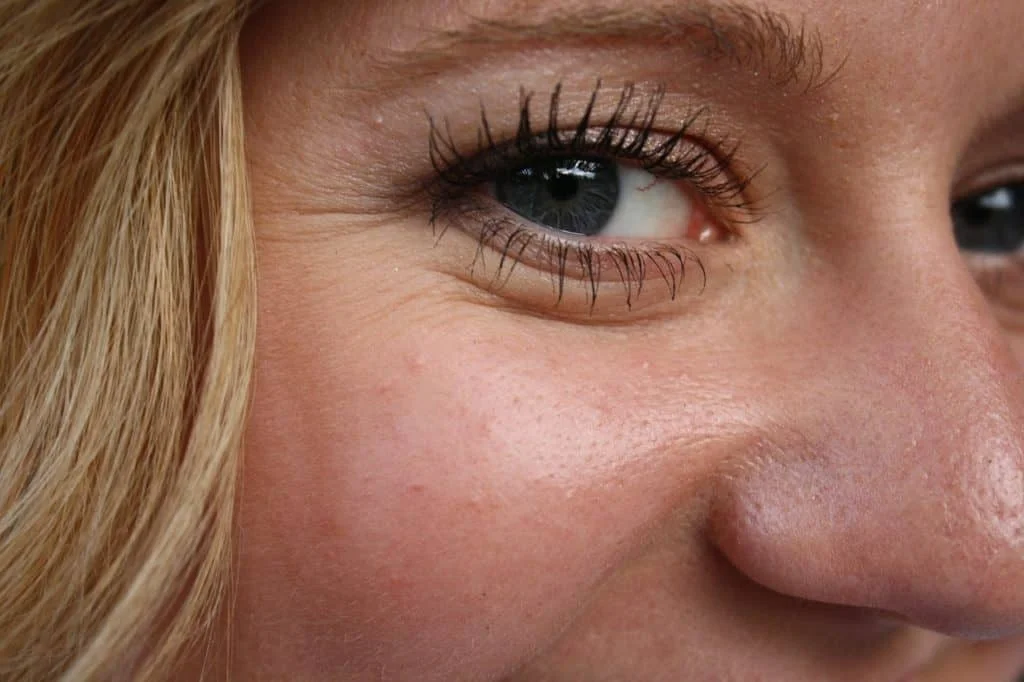
When you wake up with the impressions of your wrinkled pillowcase on your face, it doesn’t just look funny: over time, it can actually lead to wrinkles. If you sleep on your side or stomach, the combination of the pressure against your skin and any rubbing on your pillowcase that makes these impressions can lead to collagen breakdown—which means crow’s feet. You can try a special pillow or pillowcase to help this, or you can attempt to learn to sleep on your back (I’ve tried; it’s not easy), but if you’re happy with your sleeping habits, you can also get a sleep mask to protect the delicate skin around your eyes, where many people’s wrinkles first form. The sleep mask serves as a protective layer between you and your pillow and so that you’re less likely to wake up with sheet lines and therefore less likely to suffer collagen breakdown as rapidly.
If your skin concerns are less wrinkles and more acne, it is possible that your chance of breaking out might increase a bit under your sleep mask. To mitigate this risk, make sure you choose a mask made from 100% natural, breathable materials like cotton or silk, and wash it regularly with scent-free detergent and no fabric softener. That being said, your sleep mask might still do more good for your acne than harm: because acne can worsen due to insufficient or poor sleep, using a sleep mask to improve your bedtime habits can have a positive impact on your acne right away.
7. There are lots of kinds to choose from.
You may have tried a sleep mask once and decided they weren’t for you. But maybe it’s just that that particular mask, rather than all sleep masks, wasn’t right for you. If you don’t like pressure on your eyelids, there are masks that sit away from the eye. If you don’t like masks that adjust with Velcro there are masks that utilize lingerie-like sliding straps for resizing. If you don’t like masks that are too big and bulky, there are literally hundreds of low-profile, blindfold-style masks to choose from. If you don’t think that the masks block enough light to bother with, try one of the blackout-style masks.
In other words, the possibilities are endless. Try a few masks with reasonable return policies (or price points that are low enough that if you dislike the masks, you won’t feel ripped off) and see what style is right for you. I know that if I hadn’t tried several on for size, I probably wouldn’t think sleep masks were right for me either.
So go on: do a little research (you can use my reviews on Sleepopolis as a starting point) and try a sleep mask or two for yourself. You’d be surprised at how great you might feel in the morning.