
 Mattress Reviews
 Best Mattresses
 Compare Mattresses
 Accessory Reviews
 Sleep Science
 Sleep Disorders
 Sleep Tips
 Health
























With ADHD, bedtime isn’t always the peaceful end to the day it’s supposed to be. Instead of unwinding, your brain suddenly decides it would be a great time to rehash old conversations, think up new hobbies, and plan tomorrow’s to-do list.
If this sounds like you, you aren’t alone. In fact, according to the CDC, roughly 15.5 million adults in the U.S. have been diagnosed with ADHD as of 2023.
Although ADHD affects each person uniquely, there are a few small adjustments to your nighttime routine that can make it easier to quiet your mind and get the rest you need to function during the week.
As a certified sleep science coach, I wanted to better understand the connection between ADHD and sleep, so I spoke with Lauren Penley, a licensed marriage and family therapist and owner of Certain Seasons Therapy. She shared why ADHD often makes falling asleep more difficult and offered practical tips to help you rest more easily.
What is ADHD?
Attention-deficit/hyperactivity disorder is an umbrella term for various persistent symptoms that include difficulty paying attention, hyperactivity, and impulsive behavior. Aside from impacting sleep, adult ADHD can destabilize relationships, hurt work and school performance, and impact self-esteem.
ADHD begins in childhood; however, many people aren’t diagnosed until later in life. While hyperactivity often becomes less apparent with age, symptoms such as impulsivity, restlessness, and trouble focusing can persist well into adulthood.
How Does ADHD Interfere With Sleep?

If you have ADHD, you have probably experienced difficulty falling asleep at some point. According to Penley, ADHD and sleep problems are extremely common in diagnosed adults and children, with roughly 80% of people with ADHD regularly experiencing sleep issues.
“The short answer is this: people with ADHD have brain structure differences that cause sleep delays and disruption,” Penley explains. “This is then compounded by the person’s lived experience of sleep disturbance.”
But what exactly makes sleep so difficult for people with ADHD? Penley points to a few underlying factors that can disrupt the body’s natural sleep patterns and make it harder to get quality rest.
Delayed Melatonin Release in Individuals With ADHD
Most neurotypical individuals are hardwired to wake up early and unwind as the sun sets. However, people living with ADHD often struggle to wake up feeling rejuvenated and get bursts of energy at random points in the day.
“People with ADHD experience a delayed internal clock,” says Penley. “This means that they feel more awake later in the day, and have delayed melatonin release.”
Melatonin is the chemical your brain releases at night when it’s time to start turning in for bed. Since melatonin is released later than usual in individuals with ADHD, they may not start feeling sleepy until much later at night. This mismatch between your body’s internal clock and a typical work or school schedule can make it difficult to fall asleep at a reasonable hour, even when you’re exhausted.
Children with ADHD Often Struggle With Sleep
Since ADHD begins during childhood and often persists into adulthood, children experience symptoms without the tools to manage them. Without support, the challenges caused by ADHD can be especially difficult to navigate for kids and may have a more significant impact on their sleep and overall emotional well-being.
“Some studies show that children with ADHD actually struggle more than adults with it,” Penley says. “Children with ADHD are also incredibly vulnerable to co-occurring mental health conditions, such as anxiety and depression, due to sleep difficulties.”
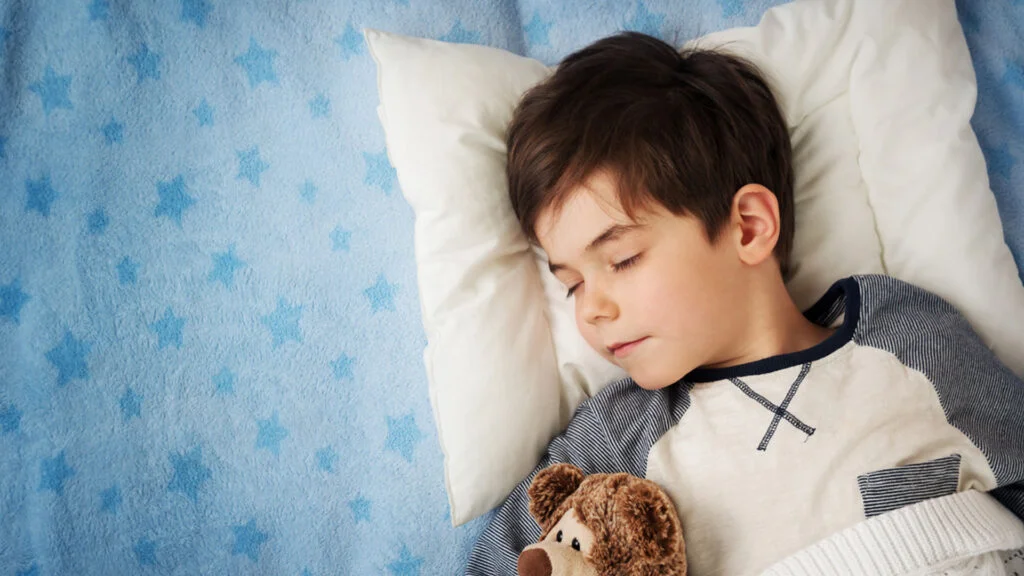
ADHD sleep issues can also manifest differently in children than in adults. Adults can recognize that they are restless and that their racing thoughts are keeping them up at night; children often lack the vocabulary or self-awareness needed to explain their experiences.
“This vulnerability stems from their frequent lack of control over routines, adjustment to neurotypical societal standards, and facing social pressure and stigma from both adults and peers,” Penley continues. “An adult with ADHD may be able to pinpoint and vocalize their relationship between sleep difficulties and their emotional experience. However, a child with ADHD may present as difficult, irritable, sad, or withdrawn without reporting sleep difficulty.”
If your child has ADHD, creating a calm, predictable bedtime routine can go a long way toward improving their sleep. If their sleep problems persist or you begin to notice a shift in mood, behavior, or daily functioning, it’s a good idea to speak with a pediatrician or mental health professional.
Other Common Symptoms
Troubled sleeping caused by ADHD doesn’t always manifest in the same way in each person. Many people with ADHD experience a combination of physical, mental, and emotional symptoms that make it difficult to get consistent, restorative rest.
“Commonly, I’ll have clients report to me that they experience difficulty falling asleep, restless legs, racing thoughts, difficulty winding down, difficulty waking up and feeling energized in the morning, irritability, anxiety, difficulty regulating emotions, among many other symptoms,” Penley explains.
Poor sleep often worsens many of these symptoms, so it’s easy to get caught in a cycle where ADHD disrupts sleep, and inadequate sleep intensifies ADHD symptoms the next day.
Tips for Sleeping with ADHD
So, what can you do to get good rest with ADHD? Penley explains that, while many techniques are helpful, it’s important to remember how a brain with ADHD works before throwing things at the wall to see what sticks.
“Common techniques aimed at control tend to exacerbate ADHD because people with ADHD often need a bridge to help them move from stimulation to relaxation,” explains Penley.
Let’s cross some of those bridges below.
Create a Peaceful Sleeping Environment
According to Penley, one of the most impactful things you can do to get better sleep is to turn your bedroom into a peaceful environment geared toward rest. It sounds obvious, but there should be a clear division between relaxation and work. In other words, you should avoid keeping objects associated with work and stimulation in the bedroom.

“Setting up a peaceful, supportive environment is one of the most helpful things you can do to help yourself drift into sleep faster,” says Penley. “Try incorporating warm lights, weighted blankets, and white or brown noise.”
This advice is particularly helpful if you have a child with ADHD who is struggling to get rest. Keeping a consistent bedtime, limiting stimulating activities before bed, and fostering a quiet, supportive sleep environment can help them wind down more easily.
Body Scans and Guided Meditation
Mindfulness exercises like body scans and guided meditations can help gently shift your attention away from racing thoughts and toward the present moment.
A body scan involves mentally checking in with different parts of your body (typically starting at your toes and working up to your head) while noticing areas of tension and consciously relaxing them. Meanwhile, guided meditations involve listening to a narrator who leads you through breathing exercises, calming visualizations, or mindfulness techniques.
These practices provide structured focus for active minds, which is extremely helpful for folks with ADHD. The trick is not to force your thoughts to stop, but to give your brain simple tasks to follow, making it easier to let go of distractions and settle into a relaxed state.
Podcasts and Audiobooks
People with ADHD have brains that constantly seek stimulation, so quieting their minds at night often proves to be incredibly difficult. Audiobooks and podcasts have the same effect as falling asleep on the couch to the soft hum of the TV in the background; they provide just enough mental engagement to redirect racing thoughts without being overly stimulating. Audiobooks and podcasts are better to listen to in the bedroom because they are far less stimulating than your phone or the TV.
Choosing a familiar story or a narrator with a calm, steady voice can make it even easier to relax.
“Audiobooks are truly one of my favorites,” Penley says. “They provide space for a gentle hyperfocus but are generally soothing enough to tire you out.”
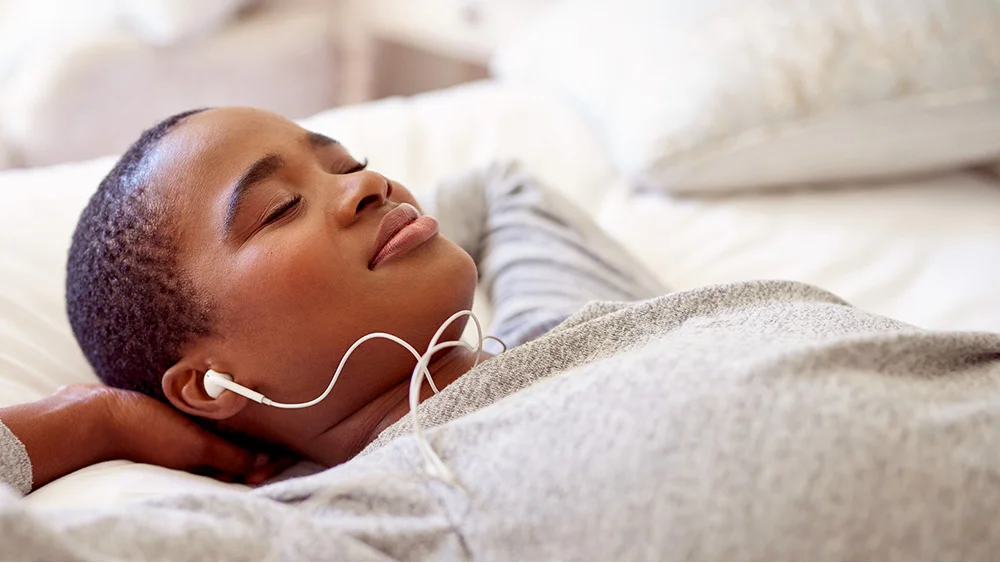
Looking for a podcast to unwind to at bedtime?
A chill podcast can gently occupy your mind without overstimulating it. My colleague and certified sleep science coach Sosha Lewis drifts off to one of her favorite “sleepy time” podcasts almost every night. She appreciates: Phoebe Reads a Mystery, Nothing Much Happens, Boring Books for Bedtime: A Quiet Little Sleepcast, for their soothing narration, low-stakes storytelling, and relaxing conversations.
Be Kind to Yourself
It can be incredibly frustrating when you start trying out different techniques to fall asleep. The results might not be immediate, and it can be incredibly easy to get frustrated when a good night’s rest is on the line. One of the most important things you can do as someone with ADHD is to be patient with yourself and give yourself space to try new things and see what works and what doesn’t.
“Everyone is different,” Penley explains. “Each person with ADHD is different, and finding the right technique for your own body and mind is really important. For example, one of the most commonly recommended techniques is box breathing, but I can’t use it to help me sleep. Ironically, focusing too intently on my breathing pattern and counting stimulates my brain!”
When to Seek Professional Help
The occasional sleepless night is normal, but if you’re regularly experiencing them and they are becoming a hindrance to your work, relationships, and the way you feel, it’s likely time to seek help from a healthcare provider or mental health professional. A professional can help you assess your individual situation and determine if your difficulties with sleep are related to ADHD and recommend treatment and strategies tailored to your needs.
“If you feel lost, confused, helpless, or alone in your relationship with sleep as someone with ADHD, it’s a good idea to get professional support,” urges Penley. “A well-trained therapist will not only help you learn more about how your brain works, but they’ll help you think of new solutions and feel more confident in supporting yourself.”
Improving Sleep Can Meaningfully Improve ADHD Symptoms
With a little bit of trial and error, finding better sleep with ADHD is closer than you think. Sometimes the change is as simple as listening to an audiobook or meditating before bed.
Beyond Penley’s advice for sleeping with ADHD, there are some general steps you can take to set yourself up for success at nighttime, including:
- Investing in a quality mattress that supports your body weight and preferred sleeping position
- Sticking to a consistent schedule every night as you begin to unwind
- Keeping your bedroom dark, quiet, and cool
- Limiting consumption of alcohol and caffeine later in the day
Simply put, you have to fiddle with it until you discover what works best for your brain.
“Treating your ADHD can absolutely meaningfully impact your sleep and health,” Penley says. “For a person with ADHD, improving your relationship with sleep can enhance productivity, relationships, work-life balance, emotional regulation, and perhaps most importantly, self-esteem.”
And again, if you continue to struggle with sleep, don’t hesitate to reach out to a healthcare provider or mental health professional. Learning more and understanding how ADHD affects your mind and body is an important first step toward finding the right treatment and improving your sleep and overall health.
Sources
- Staley, B. S., Robinson, L. R., Claussen, A. H., Katz, S. M., Danielson, M. L., Summers, A. D., Farr, S. L., Blumberg, S. J., & Tinker, S. C. (2024b). Attention-Deficit/Hyperactivity Disorder Diagnosis, Treatment, and Telehealth Use in Adults — National Center for Health Statistics Rapid Surveys System, United States, October–November 2023. MMWR. Morbidity and Mortality Weekly Report, 73(40), 890–895. https://doi.org/10.15585/mmwr.mm7340a1
- Mayo Clinic. (2023, January 25). Adult Attention-Deficit/Hyperactivity Disorder (ADHD) – Symptoms and Causes. Mayo Clinic. https://www.mayoclinic.org/diseases-conditions/adult-adhd/symptoms-causes/syc-20350878
- Raypole, C. (2020, March 26). Body Scan Meditation: Benefits and How to Do It. Healthline. https://www.healthline.com/health/body-scan-meditation