
 Mattress Reviews
 Best Mattresses
 Compare Mattresses
 Accessory Reviews
 Sleep Science
 Sleep Disorders
 Sleep Tips
 Health

























When shopping for a new mattress, you may notice a huge disparity in cost between different models. Some mattresses cost thousands of dollars, while others will run just a few hundred.
So what’s the real difference between a budget mattress and a luxury bed, and how do you know what the right mattress is for you?
Our team of certified sleep science coaches and mattress experts has tested over 500 mattresses and sleep accessories over the past decade, across every price range imaginable. We’ve helped more than 145,000 people find the right fit for their sleep needs, meaning we know firsthand what separates affordable models from premium ones (and when paying more truly makes a difference).
Read on to find out what you’re really getting for your money.
Pros and Cons of Cheap Beds
| Pros | Cons |
| Budget-friendly and accessible for most shoppers | May use lower-quality materials |
| Great option for guest rooms or short-term use | Less durable over time |
| Widely available online through retailers like Amazon | Fewer advanced features |
| Quick and easy to purchase and ship | Edge support and motion isolation may be limited |
Pros and Cons of Expensive Beds
| Pros | Cons |
| Often designed for specific sleep needs (zoned support for back pain, cooling technology for hot sleepers, pressure relief) | Higher upfront cost |
| Typically include premium materials like pillow tops and enhanced comfort layers | May be more than some sleepers actually need |
| More likely to feature reinforced edge support for durability | Often heavier and harder to move |
| Advanced features can elevate overall sleep quality | Not always dramatically better for every sleeper |
How are Cheap and Expensive Mattresses Different?
The terms “cheap” and “expensive” can be subjective, so what qualifies as cheap and expensive when it comes to mattresses? In the sleep world, a mattress is typically considered cheap if it is less than $1,000 for a queen-size. Meanwhile, we consider a bed expensive if the queen is priced at more than $2,000.
There are a variety of factors that go into determining a mattress’s price point. The quality of the materials, durability, and comfort are just a few mattress qualities that will determine its price.
Materials
The quality and price of the materials will typically influence the price of the mattress. Many mattresses contain foam, for example, but the specific type used will affect the price. Memory foam and latex foam are high-quality materials, which will therefore increase the mattress’s price. Alternate foams, like poly foam, are lower quality and can usually be found in cheaper mattresses. These cheaper models can also have lower-grade coils if they’re hybrid or innerspring mattresses.
Expensive mattresses can be so pricey because of the extra perks they offer. Mattresses made with hypoallergenic or organic materials typically cost more, and a sleep surface with added cooling features will also drive up the price.
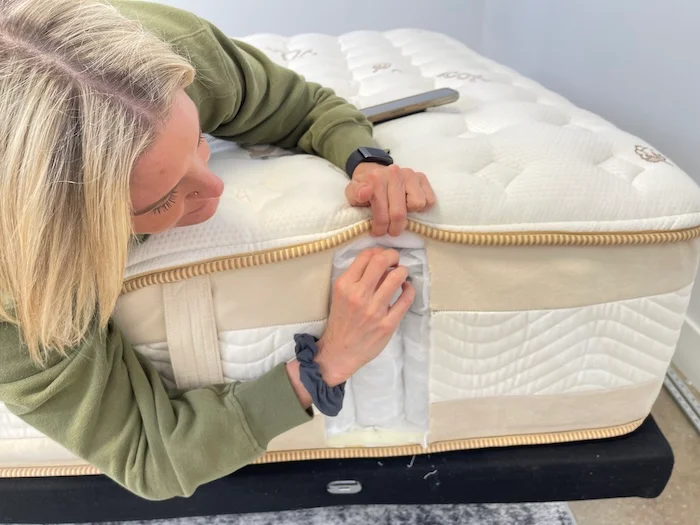
Some mattresses will come with more bells and whistles, such as the Saatva Rx hybrid mattress, which contains a layer of microcoils and therapeutic memory foam for added responsiveness and contouring.
Sleep Trial and Warranty Periods
A tell-tale sign of mattress quality is its trial and warranty period. The best cheap mattresses typically come with a 100-night sleep trial and a 10-year warranty. For expensive mattresses, you will typically see a 365-night sleep trial and a lifetime warranty.
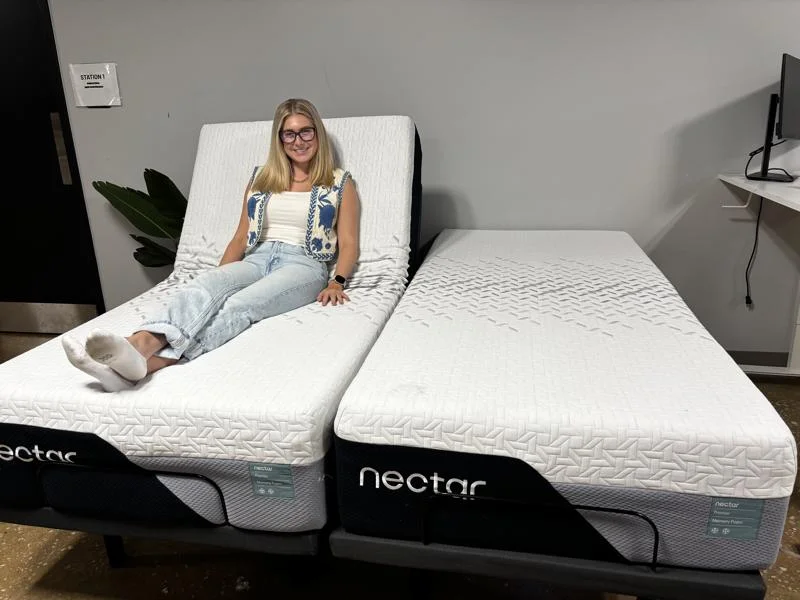
Extended sleep trials and lifetime warranties are often found in more expensive mattresses, and show that the company has confidence in its product. That said, we have tested and reviewed some great mattresses, such as the Nectar or Bear, that are still affordably priced despite having longer trials and warranties.
Remember, it takes about 30 days to get used to a new mattress, so take advantage of those trial periods. Most sellers should provide these details on their website, so be sure to look for them. Check out our buying guide for more important factors to consider.
Thickness and Height
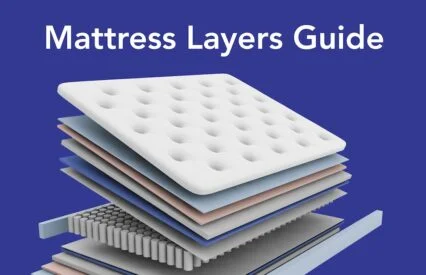
Another significant difference you will notice between cheap and expensive mattresses is their height and thickness. Cheap mattresses tend to be thinner with just a few layers of material. Meanwhile, luxury mattresses tend to be lofted higher due to multiple layers of different materials. However, you can easily upgrade a cheap mattress with a mattress topper.
Durability
Expensive mattresses typically last longer than cheaper ones because they use high-quality materials. These materials make the mattress more durable and able to withstand the natural wear and tear that happens over the years.
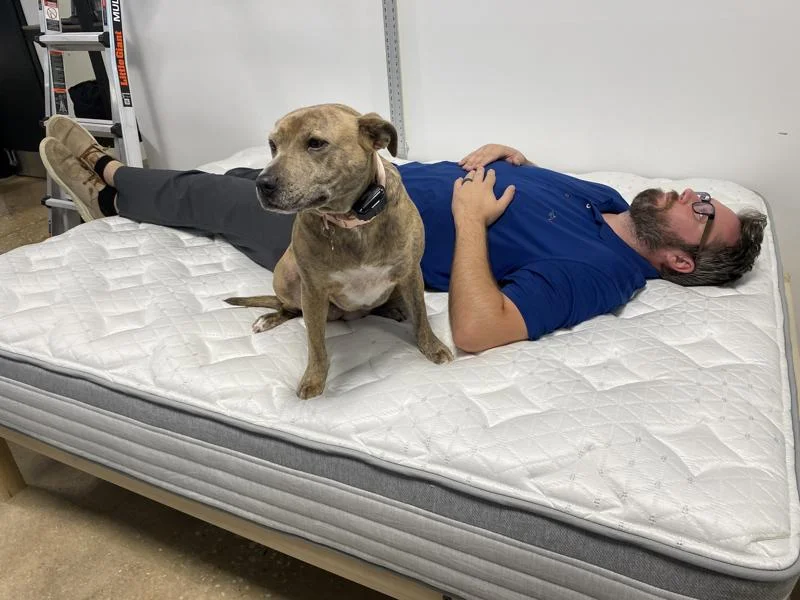
For example, natural latex mattresses with organic materials and third-party certifications are more likely to have a longer lifespan than their budget-friendly counterparts. As Dr. Raj Dasgupta explains, “Latex is resistant to body impressions, which makes it a very durable material as it can hold its original state for quite some time.”
When the mattress is more durable, you won’t need to replace it as often. The price is higher for these because they typically last a decade or longer.
Comfort
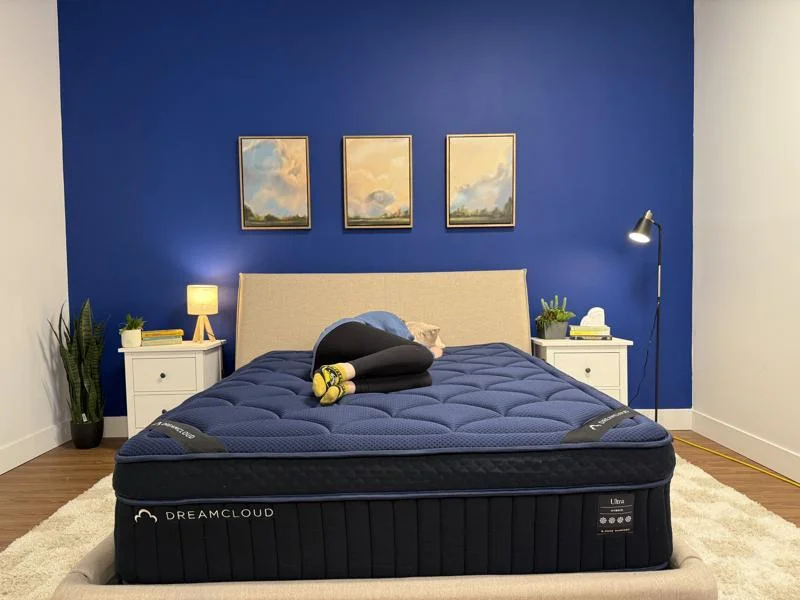
Sometimes, you can determine if a mattress is cheap or expensive simply by the way it feels. The most comfortable mattresses often feature added pillow tops for contouring and pressure relief or cooling technology to facilitate airflow and improve temperature regulation.
Mattresses at higher price points are also often tailored to specific sleepers; for example, an expensive hybrid mattress may come with enhanced motion isolation for couples, bouncy and responsive innerspring coils for combination sleepers, or contouring memory foams for side sleepers.
That said, you can still get a good mattress at an affordable price. Every sleeper is different, and the comfort of an affordable mattress is often more dependent on your preferred sleeping position and weight, among other factors.
“The best mattress for you depends largely on your sleeping position,” Dr. Dasgupta explains. “Back sleepers typically do best on a medium-firm mattress to maintain proper spinal alignment, while side sleepers often prefer a slightly softer feel to cushion pressure points. Factors like body weight and specific health conditions ultimately matter more than price when determining the best fit.”
Not everyone needs all the flair that high-tech mattresses offer, and some may be more comfortable on a simple mattress that is under $1,000.
Final Thoughts
Whether your mattress is classified as “cheap” or “expensive,” what really matters isn’t the price, but whether or not you will get better sleep on it. There are pros and cons to both, and most people end up being satisfied with a mattress that is somewhere in the middle of cheap and luxury. But, when in doubt, our article on how much you should spend on a mattress could ease any worries and questions you may have about mattress pricing.
For a more visual representation of the difference between a very cheap mattress and a very expensive one, see our video below that cuts and compares two extremes on the market.

Cheap vs Expensive Mattress FAQs
How can you tell if a mattress is worth it?
Look beyond the price tag and evaluate the materials, construction, and warranty to determine whether a mattress is worth the money. Reading mattress reviews by verified customers can also provide insight into real-life performance.
Do cheap mattresses require a bed frame?
In most cases, yes. Cheap mattresses still require a supportive bed frame or platform. However, most modern mattresses no longer require a traditional box spring.
How can a more expensive mattress improve sleep quality?
A higher-end mattress tailored to your sleep needs can lead to better rest and fewer sleep interruptions. They also often incorporate breathable materials that promote airflow and help regulate temperature throughout the night.
What is the difference between a cheap and an expensive mattress?
Expensive mattresses typically use high-quality materials, which can improve durability and overall comfort. For example, high-density memory foam mattresses resist sagging better than the thinner foams in budget models.
What mattress brands balance quality and affordability?
Many online bed-in-a-box brands can offer competitive pricing because they avoid the overhead costs of brick-and-mortar stores. Saatva, Helix, and Nectar are popular brands that aim to combine strong performance with reasonable pricing.