
 Mattress Reviews
 Best Mattresses
 Compare Mattresses
 Accessory Reviews
 Sleep Science
 Sleep Disorders
 Sleep Tips
 Health













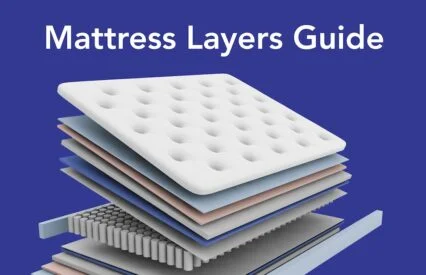












Have you been feeling like you’ve been sinking deeper into your mattress than you’d like, or feel like your bed is too soft and squishy for comfort? Our sleep preferences and bodies can change over time, so your mattress that felt just right when you first bought it may feel a little too lived-in for comfort a few years later. Additionally, as mattresses age, the materials inside (including foams, fibers, and springs) gradually compress and lose their resilience, leading to sagging and inadequate support.
That said, dragging your old mattress to the curb and finding a new firm bed can be challenging and expensive. Fortunately, there are some methods you can try beforehand to make your mattress firmer.
Our team of certified sleep science coaches and mattress experts has tested hundreds of mattresses and sleep accessories, so we know what makes a bed supportive, and what you can do when yours starts to lose that stability. Below, we will help you determine whether you need a firmer mattress and offer tips and tricks to upgrade your bed for better support.
Signs Your Mattress Is Too Soft (And Why It Feels That Way)
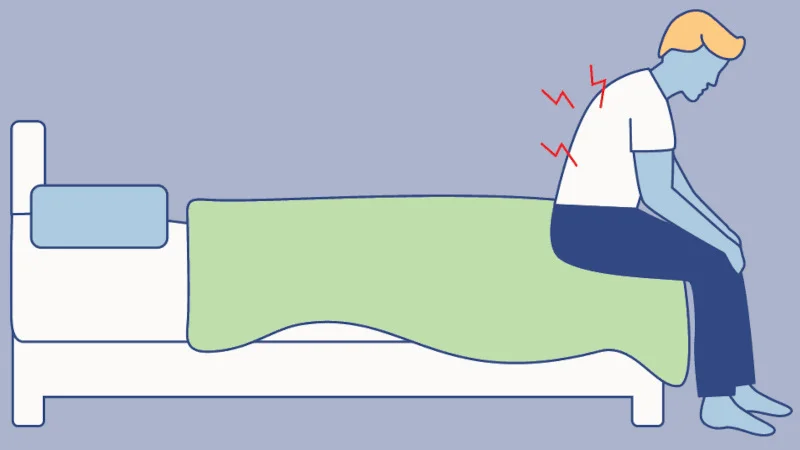
A too-soft mattress typically makes itself known in the form of lower-back pain in the morning. Back pain is often caused by your hips sinking too far into the mattress and throwing your spine out of alignment. Other signs that a mattress has lost its firmness include persistent hip or shoulder aches, which also occur because the mattress lacks the support needed to distribute pressure.
And if you are a combination sleeper, you might also feel stuck when trying to roll over, or find yourself tossing and turning more than usual as you try to get comfortable.
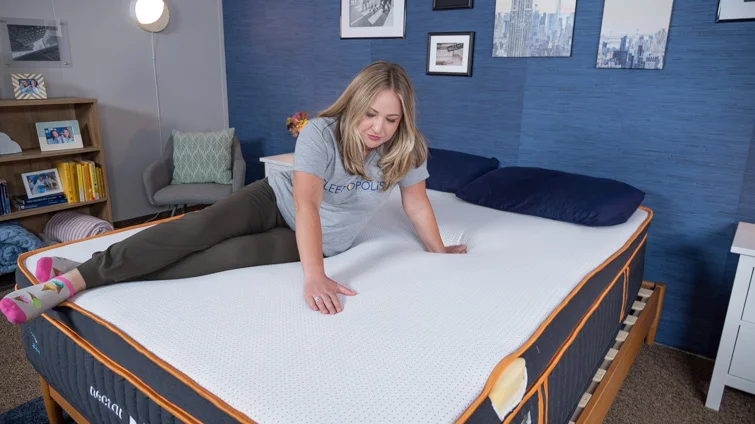
Some clues are more visible and apparent. If your mattress shows noticeable sagging or deep body impressions, it is a strong indicator that the materials are no longer supporting your body properly. If you can slide your hand under your lower back while lying down and feel a large gap or uneven support, your mattress may not be aligning your spine at night.
If you’re wondering why your once-perfect mattress now feels too soft, it is because foams and cushioning layers naturally break down, especially if the mattress is several years old. Heat and humidity can also soften foam, and a weak or aging bed foundation may cause the mattress to sag in the middle.
Who Needs a Firmer Mattress?
Your Sleeping Position Is Not Compatible With a Soft Bed
If you are a back sleeper or stomach sleeper, it likely will not take long for you to notice if your mattress is too soft. These sleepers typically need a firmer sleep surface to maintain neutral spinal alignment through the night.
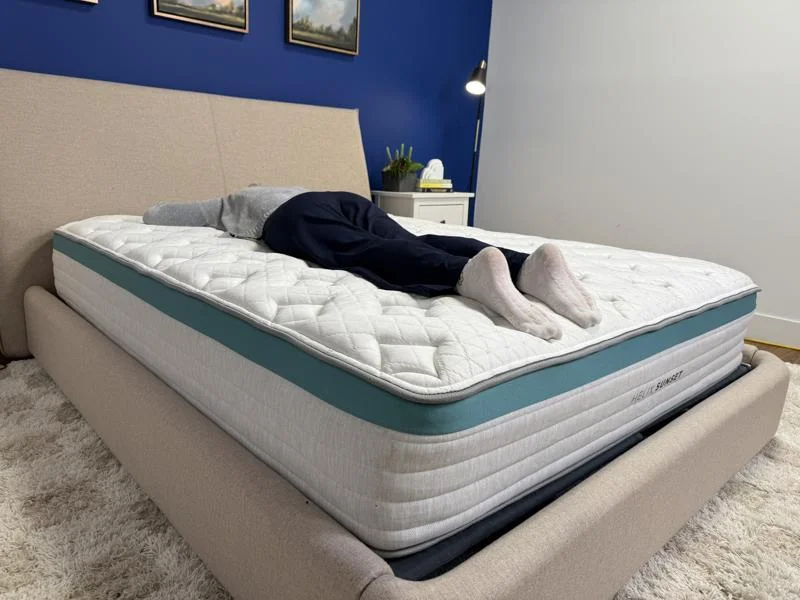
If your mattress is too soft and you sleep in one of these positions, your midsection could sink uncomfortably into the layers of your bed, placing extra pressure on your lower back.
You Have Back Pain
If you struggle with back pain regardless of the position you sleep in, a firm mattress helps prop your back up in a healthy posture. Soft beds can allow your joints or other areas of your body to push too far into the bed, which can create pressure and disrupt your natural spinal alignment.
You Have a New Sleep Partner
If you like a plush, fluffy bed, but your partner needs a more sturdy sleeping surface to stay comfortable, you’ll need to meet somewhere in the middle. A split king bed could be a good option if it’s in your budget — but if not, you’ll need to adjust your current mattress so you both can stay comfortable.
Your Mattress Has Worn Down Over Time
After years of use (especially if you sleep with a partner and pets), even the highest quality beds will eventually start to break down. If your bed is sagging and no longer supports you, you may want to look for a new mattress. You could, however, possibly get a few more years out of your bed if you use one of the following methods to make your mattress firmer.
6 Ways to Make Your Mattress Firmer
1. Add a Firm Mattress Topper or Mattress Pad
A more responsive mattress topper or pad is one of the easiest ways to make a soft bed feel firmer and more supportive without investing in a brand new mattress. Depending on the material, a mattress topper sits on top of your existing mattress, adding an extra layer of structure that reduces sinkage.
As Dr. Shelby Harris, one of our medical advisors, explains, “Mattress toppers can be a helpful addition to any bed. They can add cushioning pressure relief, help you sleep cooler, and protect against allergies. Some mattress toppers can also make your bed feel firmer, depending on the condition of your bed and your specific needs. If your mattress already offers fairly good pressure relief and padding, a 1 or 2-inch topper should work for you. If your bed is very worn out or extremely firm, a 3 to 4-inch topper is probably a better pick.”
However, the material of the mattress topper is equally important to its thickness. Memory foam toppers are popular, but they can sometimes feel too slow-moving and sinky, which may not solve the problem if your mattress already feels overly soft.
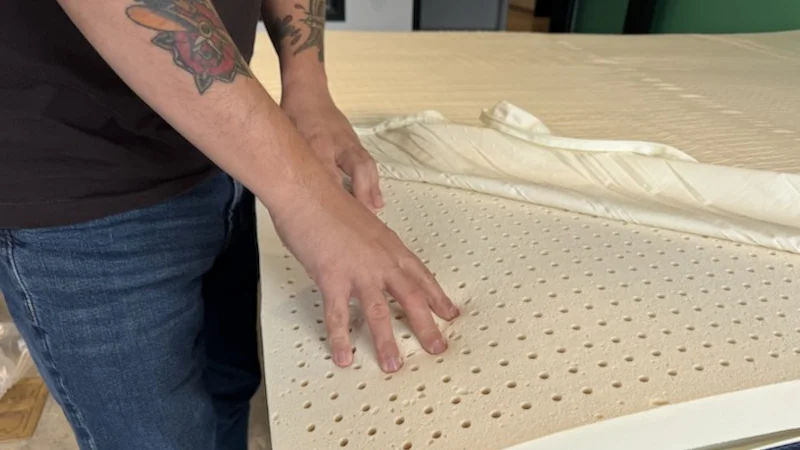
For sleepers who need a firmer surface, latex mattress toppers are often a better choice for firming up a bed because latex toppers are naturally responsive and springy. Instead of creating a “quicksand” feeling, latex tends to keep you lifted and supported while still offering some cushioning.
2. Rotate or Flip the Mattress
Many bed-in-a-box companies recommend rotating your mattress every three to six months to help it wear more evenly over time. When you sleep in the same spot every night, the materials beneath your hips and shoulders compress and wear down faster than the rest of the bed. One way to help distribute that pressure more evenly over time is to rotate the mattress from head to foot. Rotating your mattress every few months can help prevent soft spots from forming too quickly.
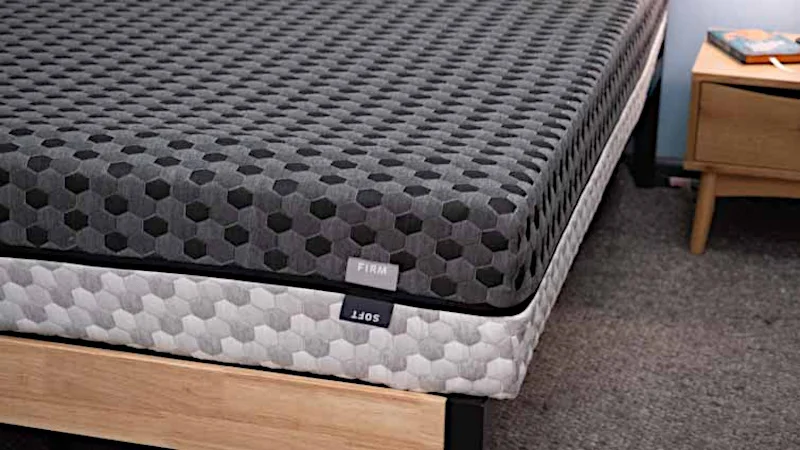
If you have a flippable mattress and can comfortably rest on either side, you can periodically turn it over and use the other side. Flipping your bed occasionally can give the materials time to recover and may temporarily make the sleep surface feel firmer.
3. Improve the Bed Foundation
Your mattress foundation can also contribute to wear and tear on your mattress. If your mattress sits on a slatted bed frame with wide gaps between the slats, parts of the mattress may sag into those spaces. Over time, this can soften the mattress in certain areas. The slats on your bed frame should be no more than 2–3 inches apart. This spacing ensures that your mattress is supported enough to prevent sinkage.
A solid or reinforced foundation can help your mattress maintain its intended feel. For example, memory foam mattresses rely on even support across the entire surface, as they lack the support core that hybrid and innerspring mattresses have. If the base beneath them is uneven or flexible, the foam layers may compress more deeply, creating the impression that the mattress is softer than it should be.
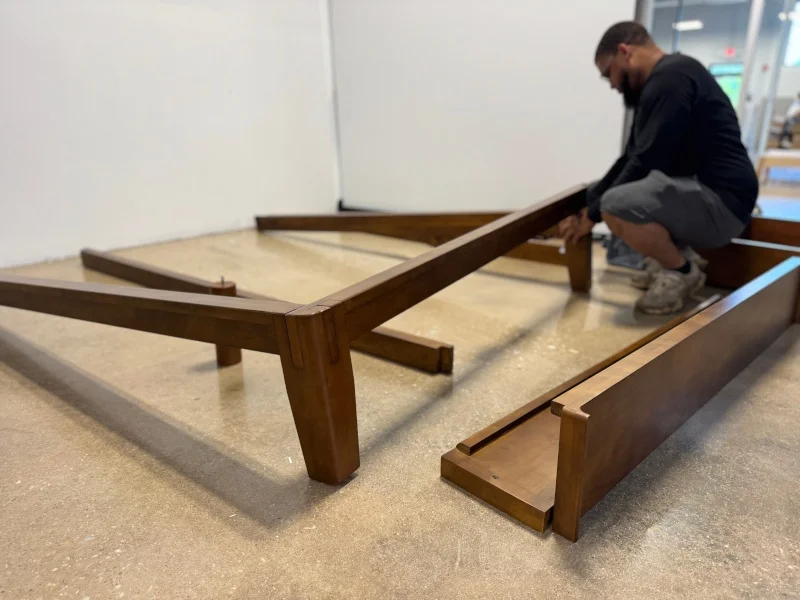
Sleepers seeking extra support might want to consider an adjustable bed base. These bases typically have a solid platform rather than spaced slats, and they can support heavier weights.
4. Use a Piece of Plywood
Adding a plywood board beneath your mattress is a cheap and easy fix to help add some firmness to your bed. This mattress firmness hack closes any gaps in your foundation and adds another layer of firm support to your mattress.
5. Move Your Mattress to the Floor
If your mattress feels too soft on a foundation and you’ve exhausted all other options, you can consider placing it directly on the floor to sleep on. Ensure your floor is clean to avoid exposure to allergens and dirt.
Keep in mind that placing your mattress on the floor can void some warranties that require you to use your bed with specific foundations.
6. Lower the Room Temperature and Humidity
Your room temperature can impact certain mattress materials, such as memory foam. Changes to your thermostat can make the mattress materials expand and contract, which can compromise the level of support and make the bed feel less firm. If your bedroom is warmer, then your bed will feel softer. We recommend you keep your bedroom between 60 and 72 degrees.

Humid weather conditions (and sweaty nights) dampen and wear down your mattress over time. If your mattress feels a little soggy, try drying it out outside in the sun and keeping it wrapped in a moisture-wicking mattress cover and sheets.
When It’s Time to Replace Your Mattress
While some of the tips above can help make a mattress feel firmer, they may only be temporary fixes. If your mattress has deep body impressions, significant sagging, or consistently leaves you waking up with aches and poor sleep quality, it may be a sign that it’s time to consider replacing it. Mattresses typically last around 7–10 years; however, this can vary depending on their construction, materials, and other factors.
If you decide to shop for a new bed, look for companies that offer a generous sleep trial. This trial period gives your body time to adjust and helps ensure the firmness level actually works for you.
The Bottom Line
Many sleepers can benefit greatly from a firmer mattress. If your mattress has been feeling too soft for comfort and you wake up sore in the mornings, there are several low-cost tips and tricks you can try to make your mattress firmer.
If trying the methods above yields no success, you may want to consider finding a new mattress that meets your needs so you don’t compromise the quality of your sleep and health.
FAQ
What is the best mattress firmness level?
For many sleepers, a medium-firm mattress strikes the best balance between cushioning and support. That said, the ideal firmness level can vary depending on your body weight, sleeping position, and personal comfort preferences.
What is the best mattress topper?
The best mattress topper depends on what you’re trying to change about your bed. For making a mattress firmer, many sleepers prefer latex toppers because they’re responsive and supportive, while memory foam toppers tend to feel softer and more contouring.
Can a box spring help fix a sagging mattress?
In some cases, a box spring can add extra support, but most modern mattresses don’t require one. Many brands instead recommend a solid foundation or closely spaced slats.
What is the cheapest way to fix a sagging mattress?
The most inexpensive method to firm up your mattress involves your fitted sheet. If it’s too loose or baggy, it can bunch up, making it feel like you’re swimming in fabric. Simply tightening or replacing your sheets can sometimes make the mattress feel firmer.
What type of mattress sags the least?
Mattresses with strong support systems tend to hold their shape longer. Innerspring mattresses, hybrid mattresses, and models made with dense memory foam are generally more resistant to sagging than softer all-foam designs.