
 Mattress Reviews
 Best Mattresses
 Compare Mattresses
 Accessory Reviews
 Sleep Science
 Sleep Disorders
 Sleep Tips
 Health





















Sleep Cycle Calculator
It’s important to wake up after a completed sleep cycle — rather than mid-cycle — to feel refreshed and improve your sleep quality. Simply choose to set either your bedtime or wake up time and fill out the fields below, then hit the calculate button. The calculator uses this information to determine the best bedtime or wake time for you that includes an optimal number of complete sleep cycles.
I want to calculate my…
Calculate your wake up time by adding your age and when you plan on falling asleep.
Calculate your bed time by adding your age and when you plan on waking up.
You want to at .
Try to fall asleep at one of the following times to get the best night sleep.
Learn more about sleep cycles below.
Want Better Sleep? Start with These Top-Rated Products.

Sleep Cycle Calculator: Powered by Sleepytime
We have affiliate relationships where we are paid a commission on sales through some of our links. See our disclosures.

Formerly known as the Sleepytime Calculator, this tool helps get bedtime and wake up times just right.
Have you ever noticed how some days you jump out of bed full of energy while on others, it’s a battle just to get moving? The culprit could be your sleep patterns, which affect many aspects of your mood, health, cognitive abilities, and energy levels. If you’re not getting optimal sleep for your age and lifestyle demands, you’re likely to feel far from your best self.
That’s why we’ve created a sleep calculator based on recommendations from health authorities such as the Centers for Disease Control and Prevention and the National Institutes of Health. Our sleep calculator will give you insight into your ideal sleep schedule based on the number of sleep cycles you’re likely to attain. It’s also helpful to get a clearer picture of how many sleep cycles you might be getting when you enter your typical sleep patterns.
To get personalized advice for optimizing your sleep cycles, all you need to do is input the time you want to wake up or when you plan to fall asleep. It will then suggest the best times to fall asleep and show you the number of sleep cycles you will complete.
Sleep Calculator: What Time Should I Go To Bed?
Since most people have daily commitments, the key to a great night’s rest will start with going to bed early enough to accommodate a consistent wake-up time. Consistently going to bed at the same time — even on weekends — helps regulate your circadian rhythms, or your internal clock, and improves your body’s ability to wake up naturally.
There are five sleep stages in a cycle — wake, NI, N2, N3, and REM — which typically lasts 90-110 minutes. Research suggests that getting four to six cycles is ideal, and being sure to complete full cycles will provide you with the best sleep experience.
Over time, not going to bed at a consistent time can also create an irregular circadian rhythm, which further disrupts your sleep patterns and can cause health problems, including mood disorders. Use the sleep calculator to plan a bedtime based on when you need to start your day, and try to stick to it consistently.
Wake Calculator: What Time Should I Wake Up?
It’s less about what time you should wake up and more about what part of the sleep cycle you wake up during. While getting 7 to 9 hours of sleep each night is ideal, it’s also best not to wake up mid-sleep cycle. Since there are four sleep cycle stages (which last an average of 90 minutes), aiming to wake up at the end of your final cycle completes will give you the best shot at feeling refreshed and energized.
Waking up in the middle of a sleep cycle can make you feel disoriented and groggy and impacts mental functioning for 30 minutes or more. If your alarm goes off mid-REM, which is the deepest sleep stage, you’ll likely feel tired and moody.
Stage 1, or N1, is the first phase of the non-REM sleep cycle — it’s a light sleep where you switch between being awake and asleep. This stage lasts about 10 minutes and is the most natural stage from which you wake up. For the smoothest morning wake up, you can use the wake calculator to help you target wake up times that should be during your light sleep phase.
How Can I Optimize My Sleep Cycle?
In addition to practicing good sleep hygiene, “hacking” your sleep cycles can be hugely helpful in making sure you get enough shuteye and wake up refreshed. The best way to optimize your sleep cycle is to allot enough time for 4-6 90-minute cycles, and to try to plan your wakeup time to land during a lighter sleep stage to avoid higher levels of grogginess and fatigue upon awakening. Read on for more information about your sleep cycle and learn why it’s critical to spend enough time in each different phase.
N1 Stage
This is the “dozing off” phase, where your body transitions from being awake to falling asleep. It’s light, easy to wake up from, and lasts one to seven minutes. Your body starts to relax, your brain waves slow down, and you might experience those quirky twitches known as hypnic jerks.
N2 Stage
You’re asleep but not too deep during this stage. Your heart rate decreases, your upper airways relax, and your body temperature drops. About half of the time you spend asleep tends to be in this stage. Although sleep is still light in this stage, you’ll have less awareness of your surroundings. It’s an essential stage for memory consolidation.
N3 Stage
This is the deep, restorative sleep zone, usually starting about forty minutes after falling asleep. Blood pressure and heart rate drop, breathing slows and evens out, and the activity of sleep spindles in the brain decreases. During this time, your brain and body go through critical processes like regulating hormones, consolidating memories, repairing tissues, and boosting your immune system. This stage is especially critical to waking up refreshed, and it’s also much harder to wake from this phase than N1 and N2.
REM Stage
REM sleep occurs at the end of each cycle and is the lightest stage besides N1. The amount of time you spend in this stage gradually lengthens with each consecutive cycle, with the final one lasting about an hour. However, if you don’t get enough REM sleep during the night, you may spend more time in this stage on subsequent nights to make up for it. Dreaming is more likely in this stage, and your brain is as active as when you’re awake.
This stage is crucial for memory and mood regulation. Not getting enough REM sleep can lower immunity, impair hormone production, alter metabolism, and increase the risk for neurological diseases, such as dementia.

Stage 1

Stage 2

Stage 3

Rem Stage
When to Wake Up: How Much Sleep Do I Need?
While the general recommendation is to aim for 7 to 9 hours of sleep, the amount you need will be unique to your biology and lifestyle. Babies, children, and teens need more sleep than adults to facilitate growth and learning. People who are physically active and people dealing with or recovering from illness or injury tend to need more sleep.
The quality of your sleep will also significantly affect how effective your time in bed is. One significant factor that impacts sleep quality is age, with sleep issues becoming more prevalent, especially in the senior years. If you wake up refreshed and energized throughout the day without relying on caffeine or other stimulants, you are likely getting enough sleep. Check out the chart below for how many hours of sleep you need through all life stages according to the CDC:
| Newborn | 0–3 months | 14–17 hours (National Sleep Foundation) |
| Infant | 4–12 months | 12–16 hours per 24 hours, including naps (American Academy of Sleep Medicine) |
| Toddler | 1–2 years | 11–14 hours per 24 hours, including naps |
| Preschool | 3–5 years | 10–13 hours per 24 hours, including naps |
| School Age | 6–12 years | 9–12 hours per 24 hours |
| Teen | 13–18 years | 8–10 hours per 24 hours |
| Adult | 18–60 years | 7 or more hours per night |
| Older Adult | 61–64 years | 7–9 hours |
| Senior | 65 years and older | 7–8 hours |
* All recommendations are based on a 24 hour day
The Effects of Sleep Deprivation on Your Body
Sleep deprivation can affect many aspects of daily life, including work productivity, safety, and overall health and wellbeing. In general, sleep deprivation can lead to immediate issues such as fatigue, irritability, trouble concentrating, slower reaction times, and impaired judgment, as it prevents the brain from resting properly. Short-term effects also include daytime sleepiness, reduced alertness, mood swings, and memory issues, which are partly due to the accumulation of beta-amyloid proteins in the brain, associated with memory decline and a higher risk of dementia.
Over time, the consequences of not getting enough sleep are more severe and include higher chances of obesity, heart disease, stroke, diabetes, and cognitive problems like memory loss and difficulty thinking. Long-term sleep deprivation can also exacerbate mental health issues such as anxiety and depression.
Why Calculating Our Sleep Is Important
Calculating your sleep can help you time your sleep cycles so you wake up feeling refreshed, and it can also help make sure you’re spending enough time in each sleep stage and reaping the full benefits of a good night’s sleep — and avoiding the downsides of chronic sleep deprivation.
While how long you sleep matters, the quality and completion of sleep cycles are more crucial. In fact, when you go to bed and wake up may be just as important as how long you sleep.
Research shows that sleep regularity, which is how consistent your sleep and wake times are from day to day, is linked to a significantly lower risk of dying from any cause compared to a sleep pattern that swings wildly. Plus, it may help lower the risk of death from cancer and cardiometabolic diseases like heart disease and diabetes in those with more consistent sleep patterns.
Understanding and managing your sleep cycles with a sleep calculator could be key to improving your health. Adjusting your sleep patterns and planning consistent sleep and wake times can ensure you complete these cycles, boosting your energy, lowering the risk of diseases, and potentially lengthening your lifespan.
Are you wondering if a sleep calculator can make a difference for you? The best way to know is to try it out.
What Happens During Sleep
Far from passive, during sleep, your brain and body undergo several processes affecting bodily systems, including body temperature, heart rate, metabolism, appetite, and restorative processes impacting everything from muscle repair to immune functions.
- Body temperature drops to conserve energy during sleep, with core temperature falling by one to two degrees.
- Heart rate slows down during non-REM sleep stages and increases during REM sleep, with variations linked to dreaming activity.
- Metabolic rate decreases, affecting hunger hormones leptin and ghrelin, which influence appetite and energy balance.
- Neurotransmitters and hormones like adenosine and melatonin are released. These chemicals build up to induce sleepiness and then diminish during sleep to increase alertness when you wake up. The pituitary gland releases growth hormone, which helps repair small muscle tears from exercise and movement. Prolactin is released, which helps reduce inflammation and promotes joint recovery.
- Even during deep sleep, the brain remains active, cleaning itself, processing emotions, and consolidating memories. Rapid Eye Movement (REM) sleep particularly plays a crucial role in stabilizing experiences into memory.
How to Improve Your Sleep Quality
How effectively do you prepare for a good night’s sleep? Making lifestyle choices that improve the quality of your sleep is one of the best ways to practice self-care.
Practicing good sleep hygiene can help you fall asleep faster and get a more restful sleep, which will help you stay alert throughout the day. Here are some straightforward sleep hygiene tips to optimize your sleep cycles:
- Try to go to bed and wake up at the same time every day to support your circadian rhythm. (Yes, even on weekends when you can!)
- Create a pre-sleep ritual like reading a book or taking a warm bath. Find what signals your body it’s time to wind down.
- Create an ideal sleep environment. Keep your bedroom cool, dark, and quiet.
- Avoid heavy meals, caffeine, and alcohol before bed, and quit nicotine, as they can mess with your sleep cycle. Also do your best to eat enough nutritious food during the day, as eating too little can also impact your sleep.
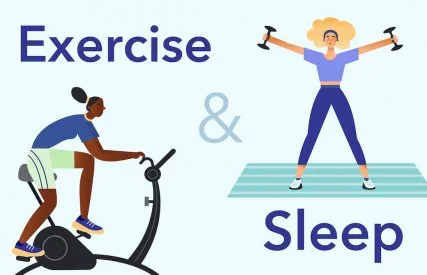
- Get plenty of movement during the day, as regular exercise may improve your sleep quality. Just try not to do it right before bedtime, or you may be too energized to sleep.
- Nap wisely — too long or too late in the day can disrupt nighttime sleep.
FAQs
How many hours of sleep is recommended?
Adults need 7 or more hours per night, according to the American Academy of Sleep Medicine. However, the hours of sleep a person needs vary by age, health, and lifestyle. For instance, if you are pregnant, sick, or recovering from an injury or surgery, you’ll need more sleep. Infants and children also need more sleep than adults.
Is it normal to still feel tired after sleeping for 8 hours?
Feeling tired even after sleeping for 8 hours can be confusing, but it is often due to factors such as previous sleep loss, poor sleep quality, or disturbances to your body’s natural sleep-wake cycle. If feeling tired after what feels like a good night’s sleep becomes a frequent occurrence, you may want to consult with your healthcare provider to rule out any underlying medical conditions.
What is sleep debt and how do I know if I have it?
function at their best. For example, if you need eight hours of sleep and only get six, you’ve accumulated two hours of sleep debt in one night. If you’ve accumulated enough sleep debt, you might also feel groggy, irritable, or experience other symptoms of sleep deprivation throughout the day.
You can use our Sleep Debt Calculator to figure out how much sleep debt you’ve accumulated and to get your sleep habits back on track.

Sleepopolis Team
About Author
The Sleepopolis team is all about helping you sleep better. We live, eat, breathe, and sleep (ha!) all things, well, sleep! Whether you need a new mattress, are having trouble sleeping, or are just tired of counting sheep, we’ve got you covered. Check back here often for the latest and greatest in mattress reviews, sleep news, or health tips, and in the meantime, sleep well.