
 Mattress Reviews
 Best Mattresses
 Compare Mattresses
 Accessory Reviews
 Sleep Science
 Sleep Disorders
 Sleep Tips
 Health
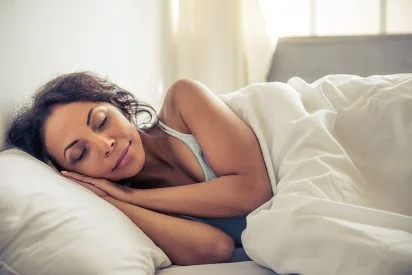
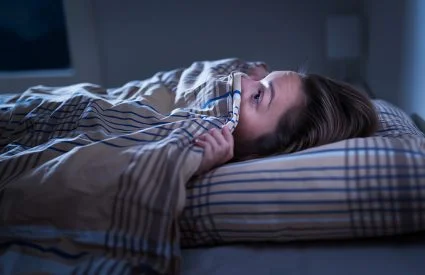









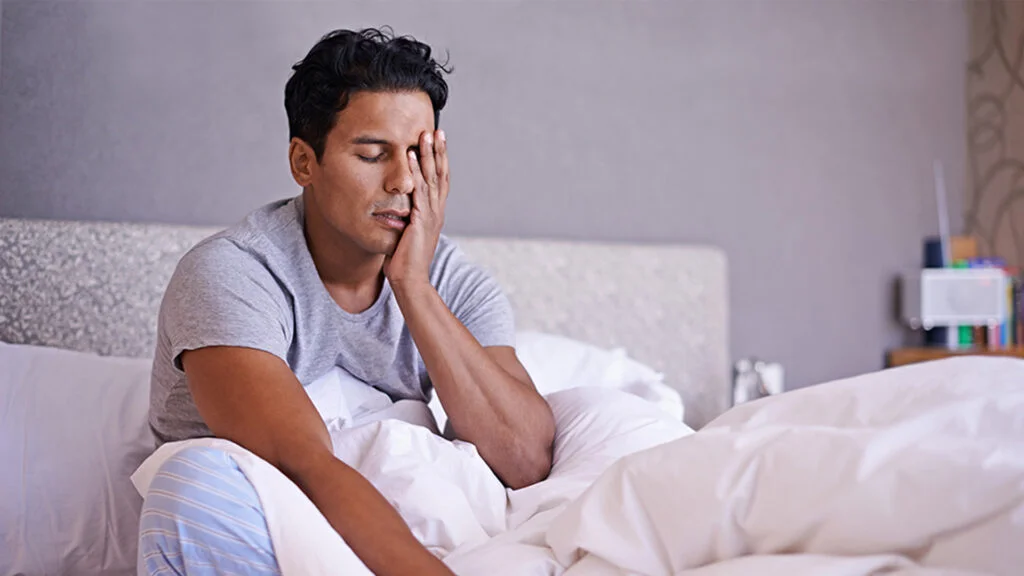
To those without sleep apnea, it can seem like a deceptively simple situation — you snore, so you get a diagnosis, then a CPAP, and everything is fine. But those with the condition know that it’s not so straightforward. It can get feel scarier than that, and it can also be quite a complicated condition to treat. Luckily, both diagnosis and treatment processes for sleep apnea are improving by the day, but new emotional and social ramifications of the condition are coming to light as researchers learn more about this widespread condition.
The Sleep Health Inquiries on Needs and Emotions (SHINE) released its most recent survey results on October 9th, aiming to give voice to the people behind these impacts and help educate the public.
The survey had 1,500 participants who had been diagnosed with OSA answer questions about their relationships, overall feelings about their OSA diagnosis, and the challenges that come with the diagnosis.
Key Stats From the Sleep Apnea Survey
- 92 percent of those surveyed stated that their OSA symptoms affected their work performance in the last week.
- 54 percent of participants reported anxiety and 67 percent reported feelings of hopelessness
- 48 percent reported feeling embarrassed by their OSA diagnosis, while 67 percent reported feeling less engaged with those around them.
- Almost 50 percent said they are unable to share a bed with their partner due to their OSA symptoms
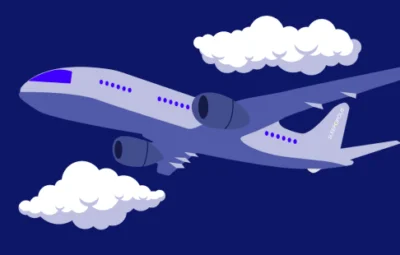
In addition, around a third of people reported fears about dying from OSA, likely fueled by the increased risk factors people with the condition face. Some have shared their personal stories on Apnimed’s website, to further illuminate the daily struggles. For example, Chris writes that while seeking help from a dentist about his condition, even the professional exclaimed, “You’re not fat!” He, of course, stopped seeing that dentist, but it illuminates one of the many stereotypes folks with this condition deal with. Another woman talks about how it’s not so easy to travel with a CPAP, making everything from car rides to flights more of a hassle.
Why It Matters
For those those with OSA and their loved ones around them, these survey results aren’t exactly news. For others, it’s eye-opening. It’s important to keep an eye not just on sleep apnea symptoms, but anything else affecting the person dealing with them.
Researchers have also been studying the mental health connection in recent years. A 2022 study found that anxiety and depression were positively correlated with early morning symptoms of OSA, including headache. Furthermore, a 2023 review found that there was a higher prevalence of depression symptoms amongst those who have been diagnosed with OSA.
As with any condition, researching and understanding top tips for dealing with OSA can help folks find the right strategies to approach any issues that arise. There are also potential differences in how sleep disorders impact men and women to remain aware of. Finally, don’t hesitate to reach out to your sleep specialist, general physician, therapist, or other medical professionals to share concerns of depression, anxiety, or other OSA-related mental health problems.
Sleeping Better With Sleep Apnea (OSA)
As you might imagine, the way you sleep and your sleep setup can significantly impact your sleep apnea symptoms. Back sleeping is typically the worst position, as gravity can cause the tongue and soft palate to collapse into your airway, which can interrupt your breathing. Stomach sleeping also restricts breathing because your face and mouth press into the pillow in this position.
For this reason, some people benefit from positional therapy, which uses pillows or vibration alarms to prevent back sleeping. Generally, side sleeping is the recommended position for OSA because it helps open the airway. It also allows some CPAP users to lower their air pressure settings.
Beyond sleeping position, experimenting with body pillows to make side sleeping more comfortable, choosing a sleep apnea mattress and pillow that keep the spine aligned, maintaining a cool, dark, and quiet sleep environment, and practicing relaxation techniques like deep breathing or progressive muscle relaxation to help fall asleep more easily.
Sources
1. Sleep Health Inquiries on Needs and Emotions, “Shining a Light on Living with OSA,” Apnimed; https://apnimed.com/shine-survey/; October 9, 2024.
2. Sang-Ahm Lee, Kayeong Im, Jin Young Seo, Mina Jung,
“Association between sleep apnea severity and symptoms of depression and anxiety among individuals with obstructive sleep apnea,” Sleep Medicine, Volume 101, 2023, Pages 11-18, ISSN 1389-9457, https://doi.org/10.1016/j.sleep.2022.09.023.
3. Li, M., Zou, X., Lu, H. et al. Association of sleep apnea and depressive symptoms among US adults: a cross-sectional study. BMC Public Health 23, 427 (2023). https://doi.org/10.1186/s12889-023-15358-8
4. Srijithesh, P. R., Aghoram, R., Goel, A., & Dhanya, J. (2019). Positional therapy for obstructive sleep apnoea. Cochrane Database of Systematic Reviews. https://doi.org/10.1002/14651858.cd010990.pub2