
 Mattress Reviews
 Best Mattresses
 Compare Mattresses
 Accessory Reviews
 Sleep Science
 Sleep Disorders
 Sleep Tips
 Health

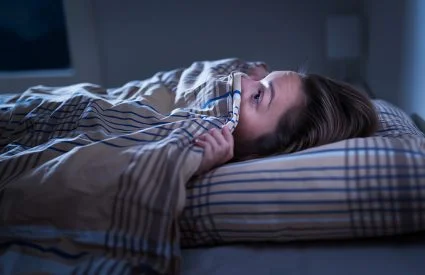





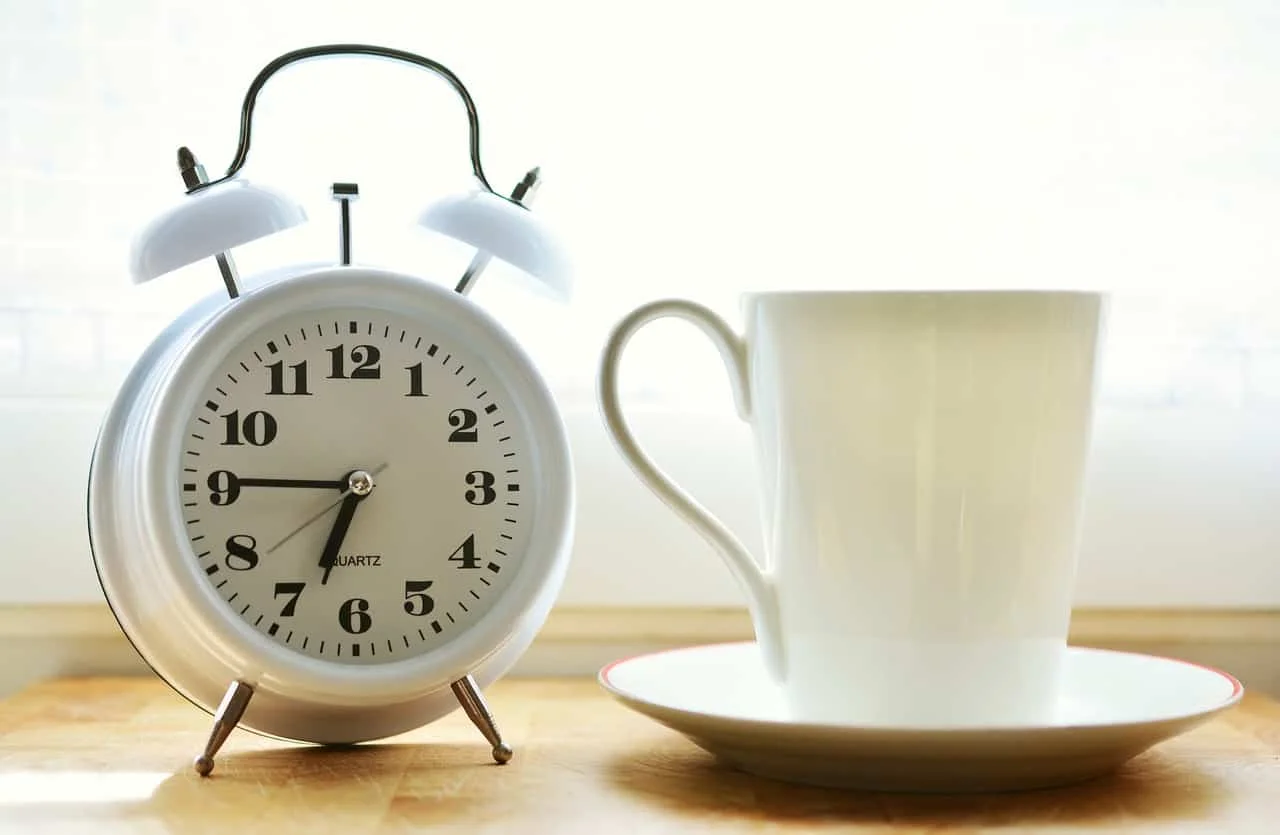













When the clocks “spring ahead” or “fall back,” tired Americans let out a collective groan — everyone knows they’ll be exhausted simply from the change in routine. But researchers in Australia have challenged the belief that Daylight Saving Time (DST) has a long-term effect on our health.
Scientists at Flinders University have determined through an extended, comprehensive study, that our health isn’t truly at long-term risk . Sleep expert Emeritus Professor Leon Lack and his research associate Mr. Reece Kemp from FHMRI Sleep Health explored the late-stage effects of DST on numerous markers of sleep timing. A news release about the study said that they found “no significant evidence that DST showed a long-term loss in sleep, or impaired sleep health and daytime functioning.”
Lack shared that they used research from two nationwide questionnaires that took place around the middle and end of the DST period to analyze how it affected sleep. They compared sleep patterns in places that observe DST to those that don’t. “We found that those who live in states that observe DST tend to go to bed and wake up later, compared to those in regions that stay on standard time,” Lack shared. Any negative sleep issues happening right around DST were resolved in one-to-three months.
This challenges other research suggesting DST is harmful to our sleep health and therefore our overall health. Of course, the researchers acknowledge that just because they didn’t find long term effects, it doesn’t mean that DST is easy for people. Everyone seems to agree that DST has some immediate and short-term effects that feel a lot like minor jet lag, causing questions about if it should remain the norm.
Researchers know that misaligned circadian rhythms — our internal clocks dictating sleep and wake times — can wreak havoc on our health. Decreased sleep efficiency, daytime sleepiness, and impaired cognitive performance are common short-term consequences of this phenomenon. We see the long-term effects in shift workers. It can lead to more systemic issues like diabetes, obesity, cardiovascular disease, and cancer.
To combat this exhaustion around DST, researchers suggest that people should maintain a proactive, weekday-like schedule for the days preceding DST. For example, on the Friday and Saturday before DST, go to bed and wake up at the same time you would for work on a typical morning. This should help ready your body for the change.
How to Prepare for Daylight Saving Time
Try the following tips to ensure you offset the DST effects as much as possible:
- Aim for a lighter week and clear your calendar of extra obligations to get a bit more rest in the days following DST.
- Get exercise and sunlight, like a 30-minute walk outside, to get a bit more energy and sleep better.
- Practice excellent sleep hygiene, such as turning off devices a few hours before bed and engaging in calming activities.
If you feel like your DST-related fatigue is lasting longer than normal, talk to your doctor. These studies also suggest that there can be longer-lasting impacts, from mental health issues and cluster headaches to metabolic issues or weight gain. Either way, set your clocks to “fall back” so you don’t miss that Monday morning meeting when you are already exhausted. Or you could always let your smartphone do the leg work.
Daylight Saving Time Is About To End: Here’s What To Expect With Your Sleep
A Brief History of Daylight Saving Time

Daylight vs. Standard: A Debate That Could Stall the ‘Sunshine Protection Act’

Parents Are Tired of Sending Their Kids to School In the Dark: Exclusive Daylight Saving Time Survey
Sources
- News Desk, “Daylight saving: a small change or a big impact?” Flinders University; https://news.flinders.edu.au/blog/2024/10/01/daylight-saving-a-small-change-or-a-big-impact/; October 1, 2024.
- Northwestern Medicine, “Daylight Saving Time and Your Health,” HealthBeat; https://www.nm.org/healthbeat/healthy-tips/daylight-savings-time-your-health; February 2021.
- Chellappa, S.L., Morris, C.J. & Scheer, F.A.J.L. Effects of circadian misalignment on cognition in chronic shift workers. Sci Rep 9, 699 (2019). https://doi.org/10.1038/s41598-018-36762-w