
 Mattress Reviews
 Best Mattresses
 Compare Mattresses
 Accessory Reviews
 Sleep Science
 Sleep Disorders
 Sleep Tips
 Health























Research shows that a staggering 80% of people in the United States will experience back pain at some point. Of those who experience back pain, many wake up with stiffness or soreness in the lower back that improves as they move around and get active during the day.
Poor sleeping posture and inadequate support are the most common reasons for back pain, but prolonged nighttime immobility and underlying medical conditions play a role for some sleepers. Lying in one position for hours at night can create pressure on muscles and joints, particularly if you are not getting enough spinal support from your mattress or pillow. That’s why the best mattresses for back pain encourage a neutral spine, with no uneven sinkage.
Understanding what happens to your body during sleep can help explain why the pain appears in the morning, and what measures you can take to relieve and prevent it.
Keep reading to learn what may be causing your lower back pain and the steps you can take to manage it, so you can enjoy a good night’s sleep and wake up pain-free.
Editor’s Note: The information provided in this article should not be considered a substitute for medical advice. Please consult a medical professional if you have personal health-related questions or you’re experiencing severe back pain.
What Happens to Your Back While You Sleep
Sleep helps your body recover at night, but several physical changes occur in the spine and surrounding back muscles overnight that, in some ways, can contribute to lower back pain when you wake up.
Long Periods of Stillness
For several hours, the muscles that support your spine are mostly inactive. During sleep, these muscles can temporarily tighten and lose flexibility because they aren’t in motion or engaged. If your sleep position, pillow, or mattress is less than ideal, it can place extra stress on parts of the lower back, causing soreness or discomfort.
Changes in Spinal Pressure Overnight
The discs between your vertebrae absorb fluid while you rest, which can alter the pressure in the spine by the time you wake up. This process occurs to restore the cushioning in your back after a full day of standing, sitting, and moving around.
However, if you don’t hydrate enough during the day, your spinal discs may not retain enough water to maintain proper cushioning, potentially leading to discomfort in the lower back.
Why Pain Often Improves After You Get Up
If you notice that your morning back pain improves (and sometimes disappears) once you begin moving around, you are not alone. Movement helps restore circulation to your muscles and encourages the spine and surrounding tissues to loosen up after resting (often in one position) for several hours.
Blood flow increases, the body warms up, and tight muscles tend to relax. This process reduces pressure on your lower back and gradually eases the pain.
Sleep-Related Causes of Lower Back Pain
Several common causes of back pain occur during sleep. Your mattress, pillow, and sleep habits all have a significant impact on your sleep quality, and in turn, how your spinal support is at night.
Your Mattress Isn’t Providing Enough Support
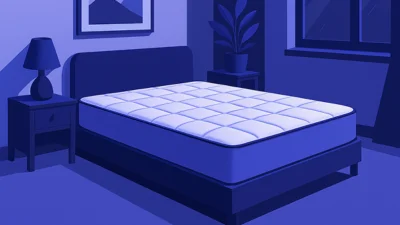
A new mattress might be in order if yours is starting to sag. A worn-down mattress can negatively affect your sleep and contribute to back pain. When your mattress does not provide enough support, it can potentially lead to pressure buildup in your lower back and other areas prone to tension.
For back sleepers and individuals with back pain, the ideal mattress provides ample support around the hips and lower back muscles to maintain neutral spinal alignment.
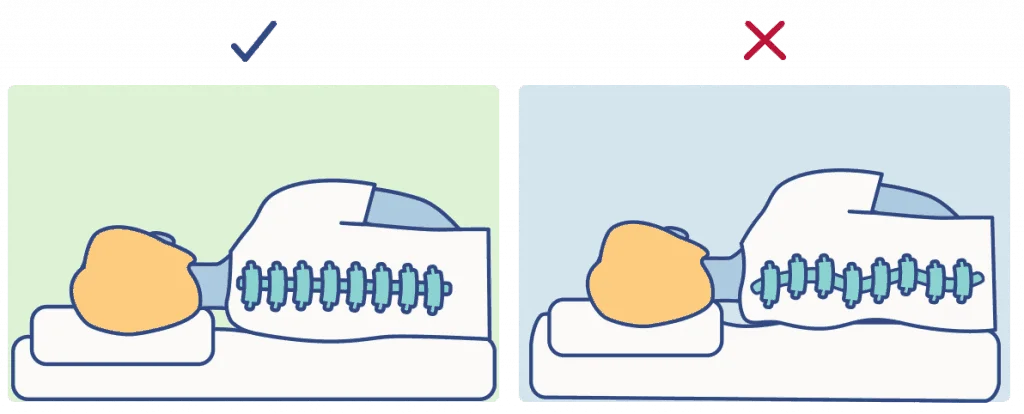
As Lauri Leadley, clinical sleep educator and founder of Valley Sleep Center, explains, “Manage the pain as best you can by sleeping on a medium to firm mattress. When I was undergoing cancer treatment, my whole body ached, especially my lower back. I found that a firmness of about 6 out of 10 helped keep my spine aligned and supported my lumbar curve. By reducing pressure in the lumbar area, it takes compression off the lower back, providing relief to the spine.”
In most cases, we recommend that sleepers experiencing back pain opt for a medium-firm mattress or a hybrid model, as these beds often provide the best balance of cushioning and support. For sleepers with bigger bodies, a firmer hybrid or innerspring mattress with a robust support core is often necessary to maintain spinal alignment.
Your Pillow Setup Is Throwing Off Spinal Alignment
Your pillow could also be the culprit when it comes to morning lower back pain. One reason you might wake up with lower back pain is that your pillow is either too high or too low for your sleeping position. There is no one-size-fits-all pillow, but there are pillows and lofts that are better suited to each sleeping position.
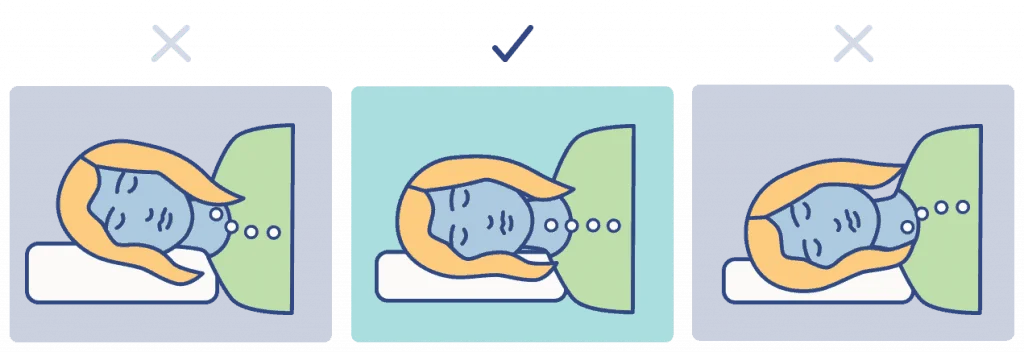
“A good pillow supports your neck, a topper can add softness if your mattress is too firm, and an adjustable base can help with spinal alignment,” explains Dr. Raj Dasgupta.
Back Sleeping
If you sleep on your back at night, a medium-firm pillow with a moderate loft is ideal. Strict back sleepers require a pillow that supports the head and neck without pushing it too far forward or allowing it to fall backward. The best pillow for back sleepers strikes the perfect “middle ground” and should maintain the natural curve of the neck and spine.
Some back sleepers find that placing a small pillow under the knees is also helpful because it slightly elevates the legs and reduces pressure on the lower back while lying flat.
Side Sleeping
Firmer, thicker pillows that fill the space between the shoulder and head are ideal for side sleepers. Filling that gap with a supportive pillow helps these sleepers align their necks with their spines. It also prevents the head from tilting downward during the night.
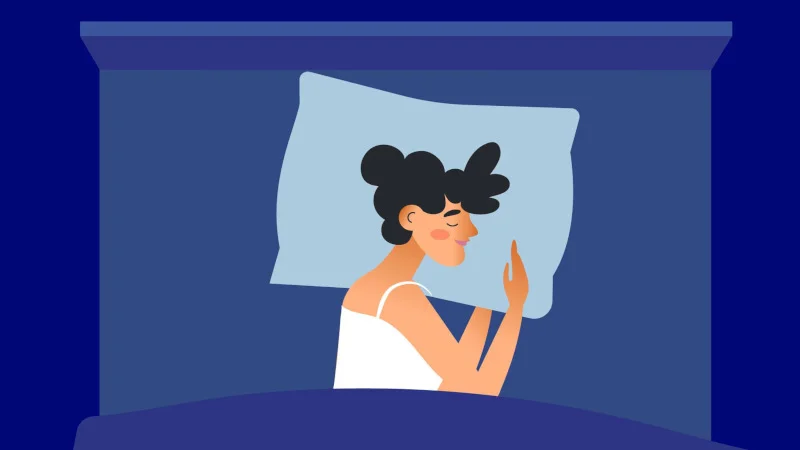
It can also be beneficial to place a pillow between your knees if you are a side sleeper who experiences hip pain and lower back pain in the morning. Placing a pillow between your knees in this position can reduce pressure on the hips and lower back.
Stomach Sleeping
When lying on your stomach, your neck rotates to one side to breathe, placing uneven pressure on the neck muscles and joints for long periods. At the same time, your pelvis sinks into the mattress while the upper body remains elevated. This sinkage often creates an exaggerated arch in the lower back, placing more tension in the lumbar spine.
Stomach sleepers should use a very thin, soft pillow (or sometimes no pillow at all) to help reduce the angle of the neck and keep the spine closer to a neutral position.
A thin pillow underneath the hips can also help support the lower back and mitigate excessive arching.
Your Body Stayed in One Position Too Long
If you strictly rest on your back in another position at night, it can temporarily reduce joint flexibility, leading to morning pain and stiffness. This stiffness occurs because the synovial fluid, a gel-like substance that lubricates joint surfaces and allows them to move smoothly, thickens while you lie still for long periods.
As you begin moving in the morning, the fluid warms and circulates more easily, which is why stiffness and discomfort often improve within the first several minutes of activity.
Non-Sleep Causes of Morning Back Pain
Outside of sleep, daytime activities can also contribute to stiffness, pain, and general discomfort that becomes more noticeable after a night of rest.
Muscle Strain or Overuse
If you are particularly active during the day, it could lead to lower back pain the next day. Weightlifting, running, and certain core workouts (exercises that engage the lower back) can cause delayed-onset muscle soreness (DOMS).
DOMS develops several hours after exercise and may feel more noticeable when you wake up the next morning, especially if the muscles have been inactive overnight.
Degenerative Disc Disease
Degenerative disc disease occurs when the spinal discs that cushion the vertebrae gradually wear down over time. Spinal discs that lose hydration and flexibility provide less shock absorption and support for the spine. Degenerative disc disease often leads to stiffness and lower back pain that feels worse after long periods of inactivity, such as sleeping overnight.
Arthritis or Spinal Conditions
In many cases, certain spinal conditions contribute to morning back pain. Spinal arthritis causes inflammation in the joints that connect the vertebrae. This inflammation ultimately leads to stiffness that is most noticeable and exacerbated after resting or sleeping.
Spinal stenosis, a condition where the spaces within the spine narrow and place pressure on nerves, also causes lower back discomfort and stiffness that becomes more pronounced in the morning.
Pregnancy
Back pain is common during pregnancy due to shifts in weight distribution that place additional stress on the lower back. Some people notice that discomfort worsens while trying to sleep, which can lead to stiffness and soreness in the morning.
Generally, side sleeping with bent knees is the most commonly recommended position to prevent and ease pain. This position relieves pressure on the spine and supports healthy circulation.
“For pregnant women, I recommend sleeping on your left side,” says Dr. Dasgupta. “It improves blood flow and helps relieve pressure on the liver, kidneys, and other vital organs.”
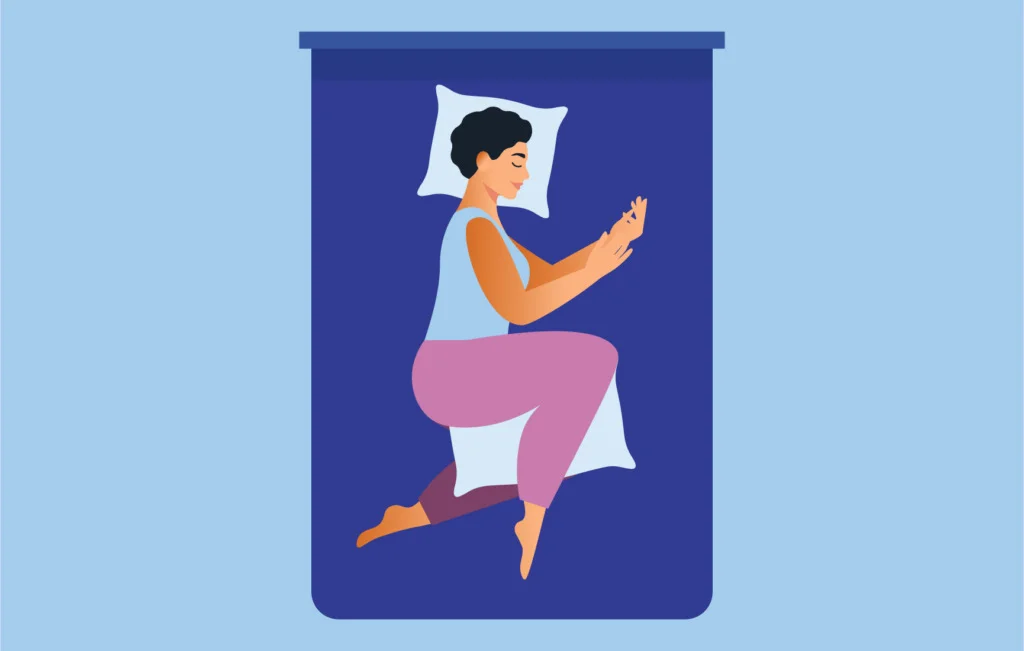
Warm compresses and gentle stretching can also help with lower back pain during pregnancy. Additional pillows placed under the abdomen, between the legs, or along the lower back may provide extra support and improve comfort overnight.
How to Relieve Lower Back Pain After Sleeping
Once you understand what might be causing your low back pain, a few minor adjustments to your sleep setup and nightly routine can help reduce pain and discomfort. Generally, improving your spinal alignment, supporting your body during sleep, and engaging in gentle movement throughout the day after waking can help relieve tension and stiffness in your lower back.
1. Adjust Your Sleep Position
Your preferred sleeping position determines where stress goes on your body and how much of it you experience overnight. For individuals experiencing back pain, maintaining neutral spine alignment while sleeping is crucial. The natural curves of your spine should be supported, not exaggerated. If you typically sleep in positions that twist or arch your back, that can increase pressure on the lumbar spine, leading to soreness when you wake.
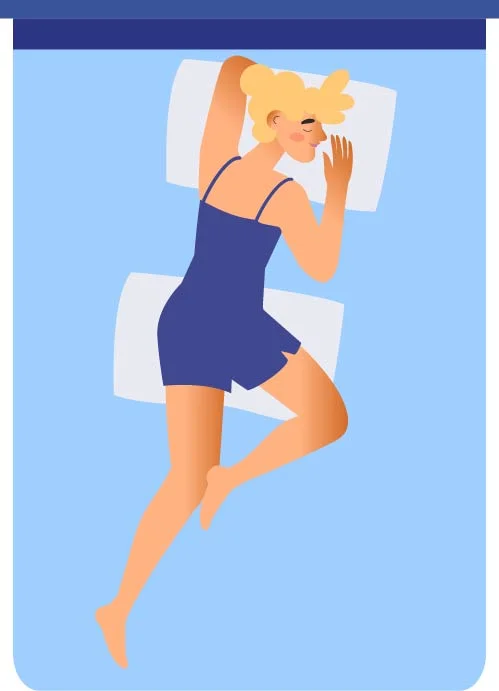
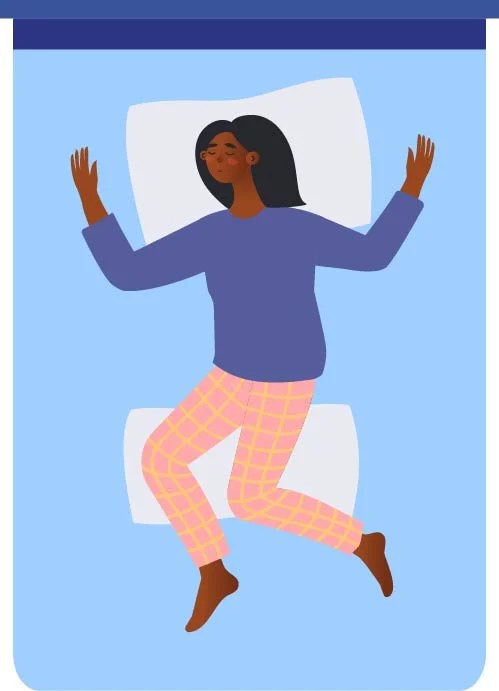
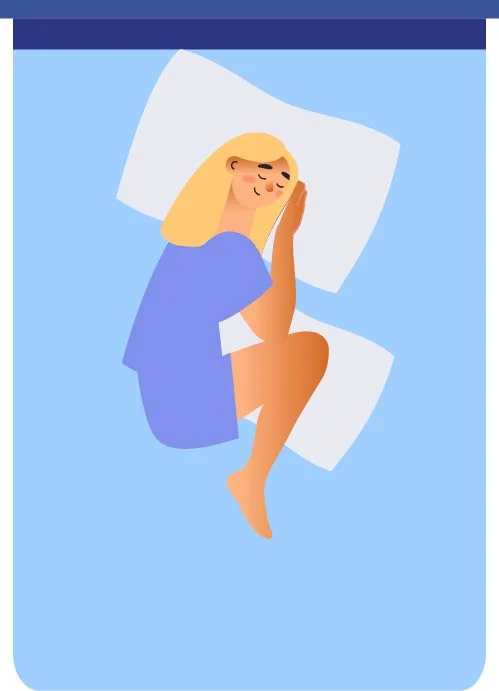
Small adjustments to your sleep position can go a long way in softening or preventing morning back pain. Before investing in a new mattress or pillows, it may help to experiment with different sleeping positions. Many sleepers find that sleeping on their back or side helps keep the spine in a more balanced position compared to on their stomachs, which can often place additional stress on the lower back.
2. Improve Your Mattress Support
A saggy or unsupportive mattress increases the risk of back pain because it allows certain body parts (such as your hips) to sink too deeply into the bed and throw your spine out of alignment. If your spine falls out of alignment, it can create uneven pressure along the lower back.
If your mattress no longer provides adequate support, it might be worth considering a replacement that better suits your sleep position and body type.
“Spend the top end of your budget on mattresses (replace every 7 years), linens, pillows, and blankets,” suggests Leadley.
She added, “Anything you can do to improve spine health will help you get a good night’s sleep – take care of your spine, and it will take care of you.”
That said, mattresses are an investment, so if replacing your mattress right away isn’t possible, a mattress topper may provide temporary relief. Depending on your needs, a mattress topper can add extra firmness or cushioning to your sleep surface, helping you evenly distribute your body weight and relieve pressure.
3. Try Heat or Cold Therapy
Using heat or cold therapy can help relieve discomfort in your lower back, especially if muscle tension or inflammation is the cause. Cold therapy (think an ice pack wrapped in a towel) can reduce inflammation and numb soreness from minor strains or overuse.
Using heating pads or warm compresses for a short period can help relax tight muscles and improve circulation in the affected area. Heat can help loosen stiff muscles, making it easier to move comfortably.
4. Take Gentle Morning Stretches
Taking time to engage in gentle stretching upon waking up can also help you loosen stiff muscles and get the blood flowing to your lower back. After lying still for several hours, light movement can help reduce stiffness, relieve discomfort, and restore flexibility.
Some stretches that help encourage circulation are knee-to-chest stretches, cat-cow movements, and pelvis tilts. These stretches can help mobilize your spine and relieve tension in your lower back.
5. Use Short-Term Pain Relief When Needed
If all else fails, OTC (over-the-counter) pain relievers may help reduce temporary lower back pain or inflammation. Nonsteroidal anti-inflammatory drugs (NSAIDs), such as ibuprofen, are commonly used to relieve mild to moderate pain and swelling associated with muscle strain or irritation.
While these medications can provide short-term relief, consulting with your healthcare provider may be necessary to determine the underlying cause and appropriate treatment.
When Morning Back Pain Might Signal a Bigger Problem
While occasional morning stiffness or lower back pain is common, persistent or worsening pain could indicate an underlying condition. If your lower back pain persists for several weeks without improving, it may be worth seeing a healthcare professional.
You should also consider seeking medical advice if your pain spreads beyond the lower back. Symptoms such as pain that radiates down the legs, numbness, tingling, or weakness can sometimes indicate nerve involvement. These symptoms may be associated with conditions like a herniated disc, spinal stenosis, or nerve compression.
A medical professional can help identify the cause and recommend a treatment plan (including physical therapy, lifestyle changes, or targeted exercises) to help manage the condition and improve mobility.
The Bottom Line
A wave of lower back pain first thing in the morning can be frustrating, but identifying it is the first step to finding relief. Poor sleep posture and inadequate mattress support are often the culprits, so a few subtle changes to your sleeping position and sleep setup can go a long way in reducing discomfort and waking up feeling more refreshed.
In more severe cases, you may need to address underlying medical issues. If your lower back pain persists or worsens over weeks or months, consult with your healthcare provider to identify the cause.
Lower Back Pain FAQs
How do you relieve low back pain?
Using supportive bedding, stretching regularly, and applying heat or cold therapy can help relieve back pain. Over-the-counter medicines like ibuprofen may also help relieve pain temporarily.
Does lower back pain go away?
Lower back pain improves on its own within a few days or weeks, especially if muscle strain or poor posture are the causes. That said, if you have persistent or worsening pain, you should visit a healthcare professional for a definitive evaluation.
Do you need an orthopedic mattress to relieve back pain?
You don’t necessarily need an orthopedic mattress to relieve back pain, but a supportive mattress that promotes proper spinal alignment can help reduce pressure on the lower back.
What are the treatment options for lower back pain?
Treatment options for lower back pain may include physical therapy, targeted exercises, heat or cold therapy, anti-inflammatory medications, and lifestyle changes such as improving posture or sleep habits. In more severe cases, physical therapy or other medical treatments may be necessary.
What underlying issues cause lower back pain?
Underlying conditions such as sciatica, fibromyalgia, arthritis, herniated discs, or spinal stenosis can cause lower back pain. These conditions may require medical evaluation to determine the most effective treatment approach.
Sources
- Martin, B. I., Tosteson, A. N. A., Lurie, J. D., Mirza, S. K., Goodney, P. R., Dzebisashvili, N., Goodman, D. C., & Bronner, K. K. (2014, October 28). Back pain in the United States. Www.ncbi.nlm.nih.gov; The Dartmouth Institute for Health Policy and Clinical Practice. https://www.ncbi.nlm.nih.gov/books/NBK586768/
- Why Do My Knees Hurt in the Morning? | St. Vincent’s Medical Center. (2023b). Stvincents.org. https://stvincents.org/about-us/news-press/news-detail?articleId=52370
- Johns Hopkins Medicine. (2024). Degenerative Disc Disease. Www.hopkinsmedicine.org. https://www.hopkinsmedicine.org/health/conditions-and-diseases/degenerative-disc-disease