
 Mattress Reviews
 Best Mattresses
 Compare Mattresses
 Accessory Reviews
 Sleep Science
 Sleep Disorders
 Sleep Tips
 Health






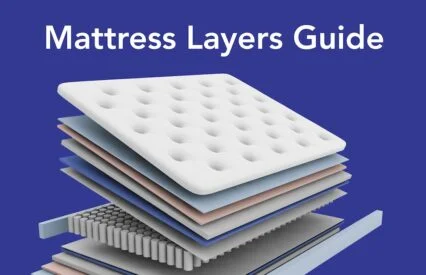

















The best latex mattresses bring together the best of both worlds: They’re bouncy and supportive like hybrid and innerspring mattresses, but they also relieve pressure well like those made from traditional memory foam. They’re typically eco-friendly because they’re often made from natural latex that’s biodegradable and free from harmful chemicals.
And when it comes to pain relief, latex is hard to beat — a high-quality latex mattress can help support a neutral spinal alignment at night while providing just the right amount of cushioning for sensitive joints. If any of this sounds like it could be a good fit for you, keep reading because we’ve got everything you need to know about shopping for a latex bed.
For over a decade, our mattress experts and certified sleep science coaches have tested more than 330 beds to assess key characteristics and make recommendations for every type of sleeper.
While creating this latex mattress guide, we also worked with board-certified sleep doctor Dr. Raj Dasgupta and physical therapist Dr. Joe Tedesco to evaluate what to look for. Based on this research and our test findings, here are the best latex beds for a comfortable, well-supported night of sleep, along with the criteria that went into selecting them.
Sleepopolis’ Best In Rest — Latex Mattress
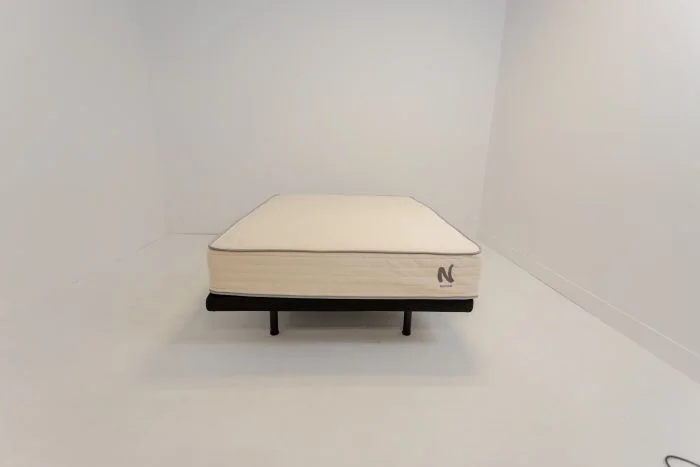
Latex mattresses, like our top pick, the Nolah Natural, are often on the pricier side because of the natural materials used in their construction, and with that in mind, we wanted to make sure we nailed our top pick. After testing dozens of latex beds, we decided on the Nolah model because its 4.3 overall score was achieved by earning 4 stars or more in pressure relief (side and back), edge support, and responsiveness.
The bouncy nature of latex makes this bed incredibly responsive, meaning that combination sleepers and sexually active couples should have no resistance when they want to change positions. However, if you share the Natural with a rambunctious sleeper, be prepared to feel a lot of their movements, as this bed’s Achilles’ heel was its motion isolation performance.
The Best Latex Mattresses
- Nolah Natural Mattress – Best Overall Latex Mattress
- Birch Natural Mattress – Best Medium-Firm Latex Mattress
- Leesa Natural Luxe Hybrid – Best Latex Mattress for Back Pain
- Silk & Snow Organic Mattress – Best Latex Mattress for Back Sleepers
- WinkBeds EcoCloud Mattress – Best Organic Latex Mattress
- Saatva Latex Hybrid Mattress – Best Cooling Latex Mattress
How We Picked the Best Latex Mattresses
“A pressure-relieving mattress will contour to sensitive areas of the body, easing resistance and helping to stave off pain and discomfort,” explains Dr. Raj Dasgupta. Usually, memory foam is the best mattress type for pressure relief, but some studies have claimed that latex makes for an even more pressure-relieving surface. And since it’s naturally supportive, you get a nice balance to keep you comfortably aloft.
We test pressure relief for back and side sleepers of all sizes, as these are the two positions that need it most. Our three testers (representing lightweight, average-weight, and heavyweight sleepers) rate each mattress out of 5, which contributes to the final overall score. For this list, we aimed to include mattresses that earned at least a 4 out of 5 in at least one position or body type, ideally with high marks for overall pressure relief.
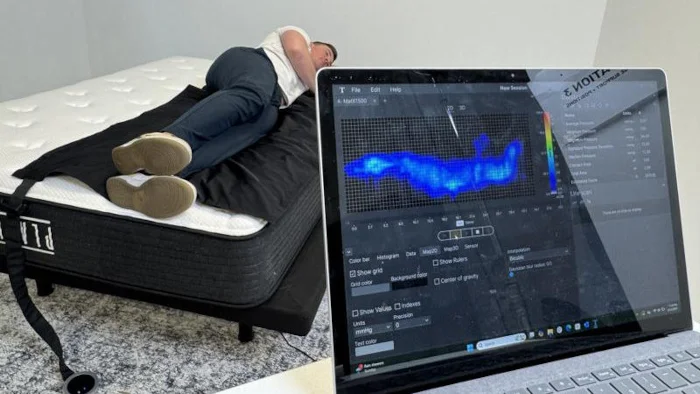
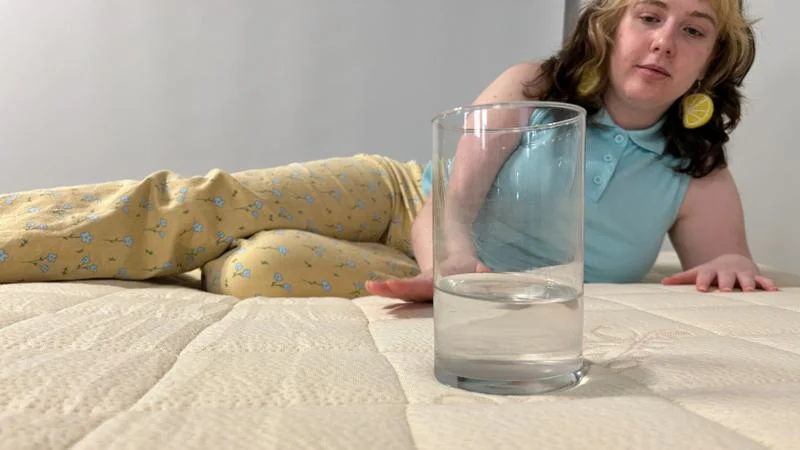
If you sleep with a restless partner (or wiggly pet), you’ll want a mattress that absorbs movement well so your sleep isn’t disrupted. Latex is known for being on the bouncier side, which means it tends to transfer motion to the other side of the bed.
To make this list, we looked for latex mattresses that did a good job of isolating movement despite that reputation. Make no mistake: not all of the beds excel in this category. But most scored at least 3 out of 5 and should work for folks who aren’t easily woken.
Latex mattresses are typically on the pricier side, with a queen size often costing upwards of $2,000. That’s why we made sure to include a wide price range here to accommodate a variety of budgets.
These mattresses cost anywhere from $1,000 to $2,499 for a queen before discounts, and are available at significantly reduced prices after promotions and coupons are applied.
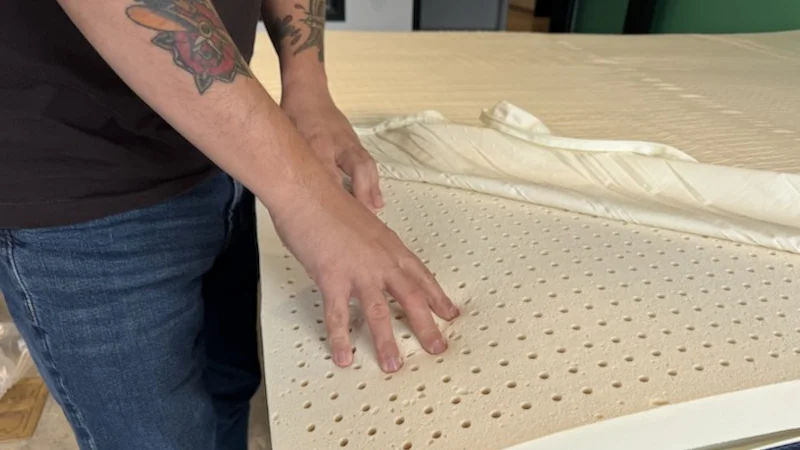
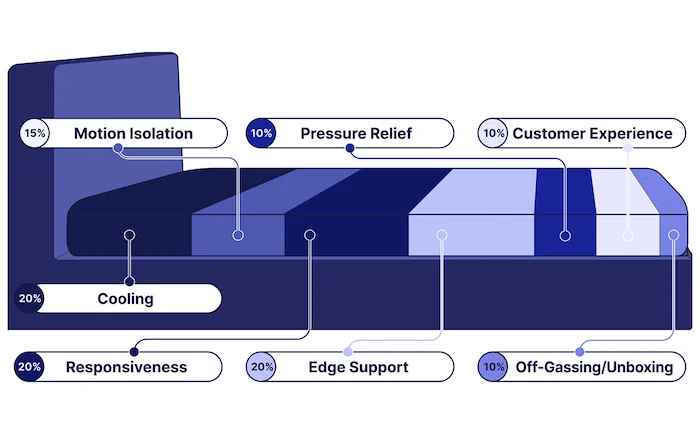
We’ve developed a rigorous 13-point testing methodology that tells us how each mattress performs and who it might be a good fit for. All of the beds on this list have been evaluated for pressure relief, cooling abilities, responsiveness, edge support, and much more.
Our team of Certified Sleep Science Coaches has tested more than 500 mattresses over the last decade, allowing us to guide more than 145,000 people to the best mattress for them. Not only do we use and evaluate these products ourselves, but we also consult with Dr. Raj Dasgupta, MD, FACP, FCCP, FAASM, who’s quadruple-board certified in pulmonary, sleep, internal, and critical care medicine, to ensure we keep up to date with the latest in sleep science and medicine.
Additionally, Dr. Joe Tedesco, DPT, OCS, ATC, CSCS, comes into our studio to test mattresses and give a medical perspective on each product he evaluates, and sleep and nutrition experts such as Lauren Panoff, MPH, RD, regularly verify our articles.

Need help finding the right mattress?
Compare the Best Latex Mattresses
 |  |  |  |  |  | |
| Nolah Natural Mattress | Birch Natural Mattress | Leesa Natural Luxe Hybrid | Silk & Snow Organic Mattress | WinkBeds EcoCloud Mattress | Saatva Latex Hybrid Mattress | |
| Rating | ||||||
| Firmness | Medium-Firm: 6.5/10 | Firm: 7/10 | Medium-Firm: 6.5/10 | Multiple Firmness Options: 6.5/10 | Medium: 6/10 | Medium-Firm: 6.5/10 |
| Material | Latex | Hybrid | Hybrid | Latex | Latex | Latex |
| Cooling | — | — | — | — | — | — |
Best Latex Mattress Video Review
Nolah Natural – Best Overall Latex Mattress
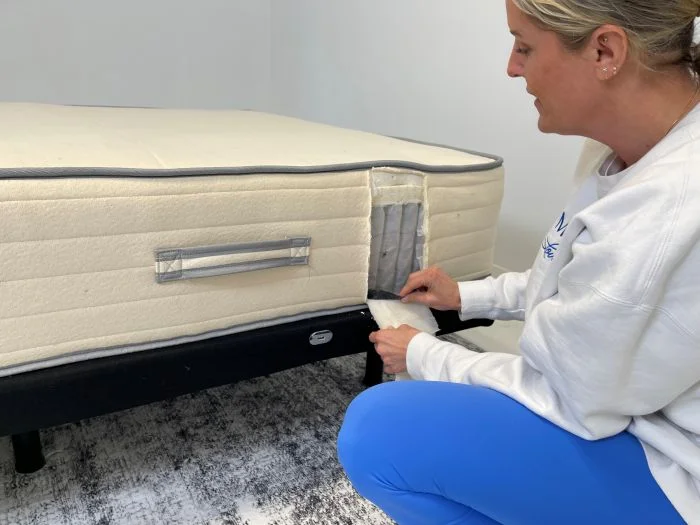
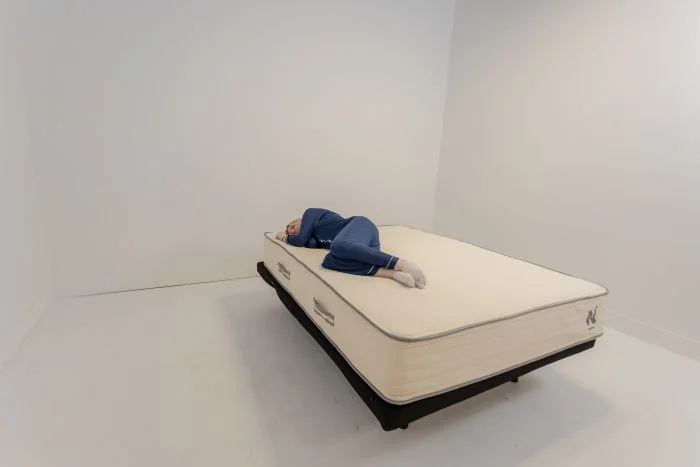
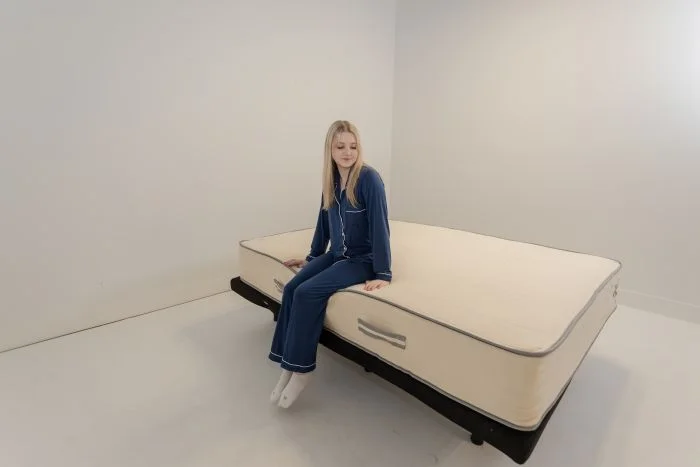
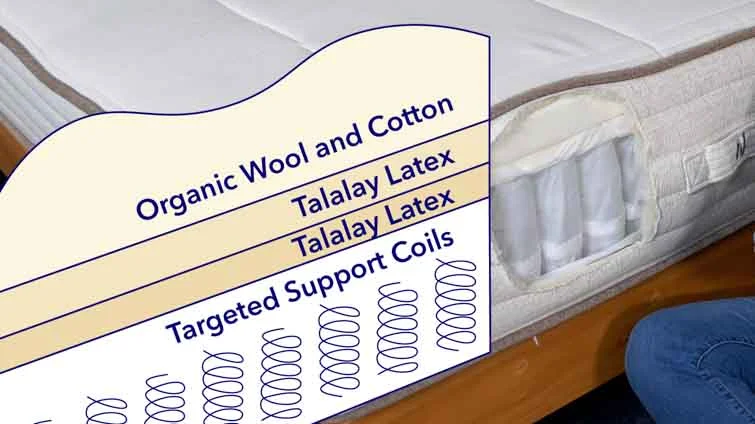
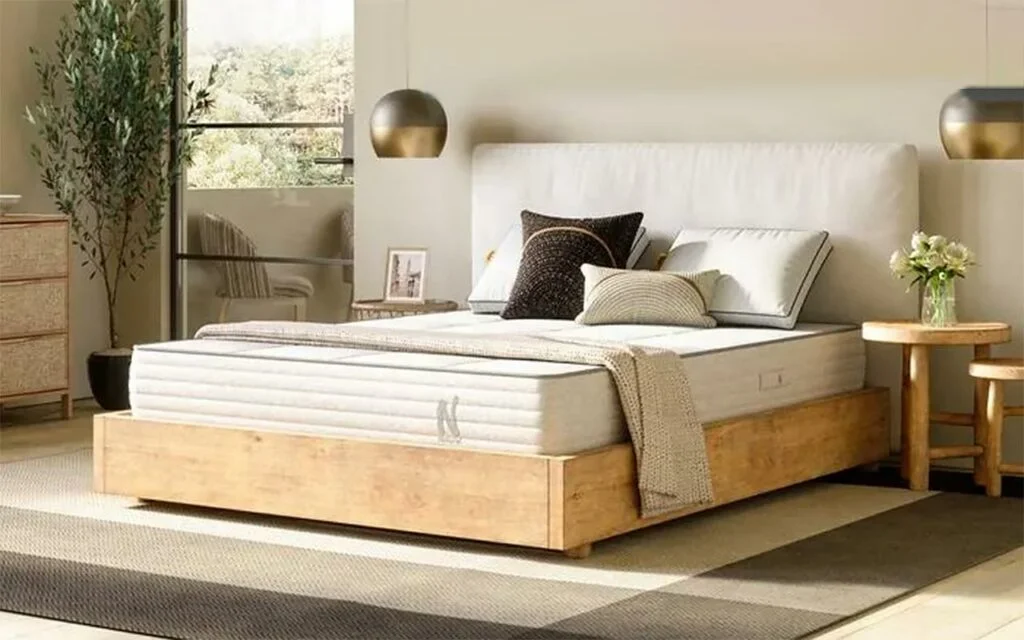


The Nolah Natural is made with eco-friendly Talalay latex and supportive coils. This mattress has GOTS (Global Organic Textile Standard) organic wool, cotton, natural latex, and recycled steel. The latex makes this mattress responsive, which is great for couples and combination sleepers. This material is also naturally hypoallergenic and cooling, which can help hot sleepers prevent overheating. For more information, watch our video review.
What our tester says:
“It has a very soft, plush feel that provides you some cushioning as well. I’d say you’re going to feel more “on top” of this bed than “in it” — thanks to its bouncy latex.” – Bridget Chapman, former senior product editor.
Why the Nolah Natural is the Best Latex Bed Overall
The Nolah Natural has everything sleepers want in a latex mattress. Eco-friendly and hypoallergenic materials? Check. Excellent cooling capabilities? Check. Best-in-class pressure relief across all sleeping positions — to the extent that we gave it a 4.2 out of 5 in this category? Check. And the best part? While the Nolah Natural is on the pricier side at $2,099 for a queen-size mattress, it’s often on sale for under $1,500.
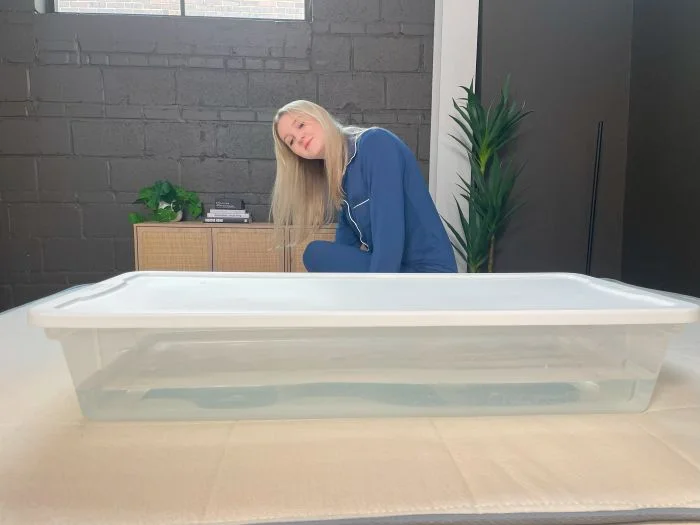
Motion Isolation: 2/5
You’ll likely feel all of your partner’s movements on this mattress.
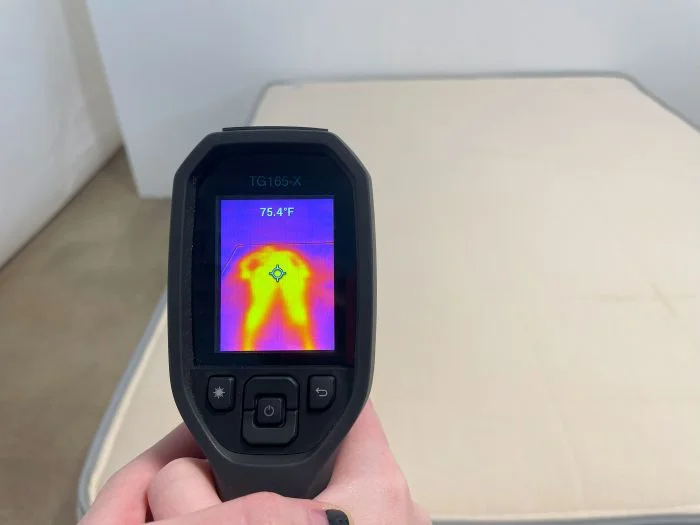
Cooling: 3.5/5
Our tester could feel the mattress warming up beneath her, though it never got uncomfortable.
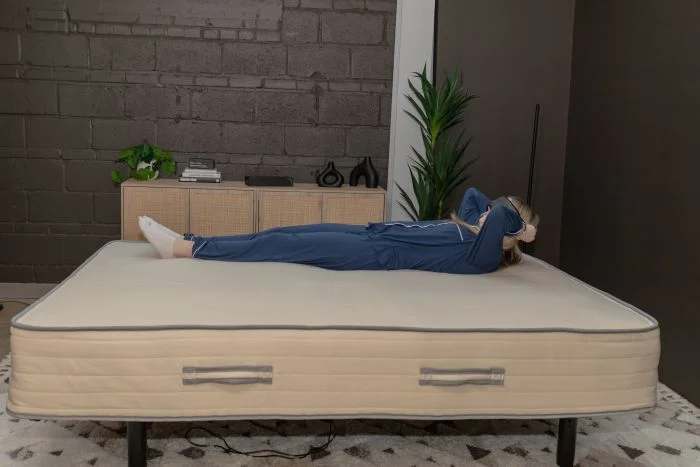
Response: 5/5
Latex and coils make the Nolah Natural exceptionally bouncy.
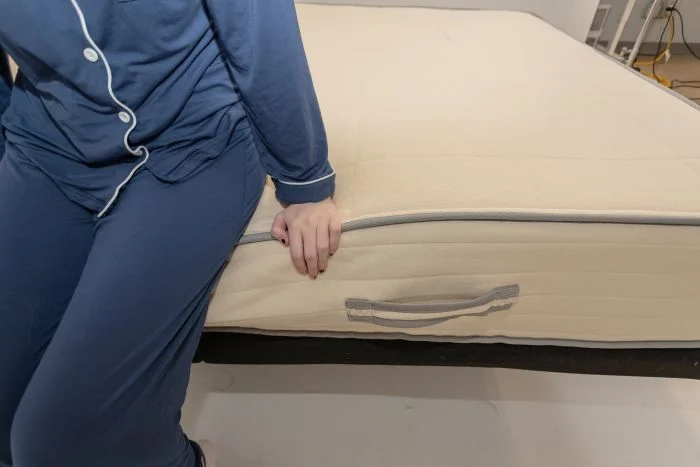
Edge Support: 4.8/5
Our tester only noticed some sinkage when sitting directly on the bed’s edge.
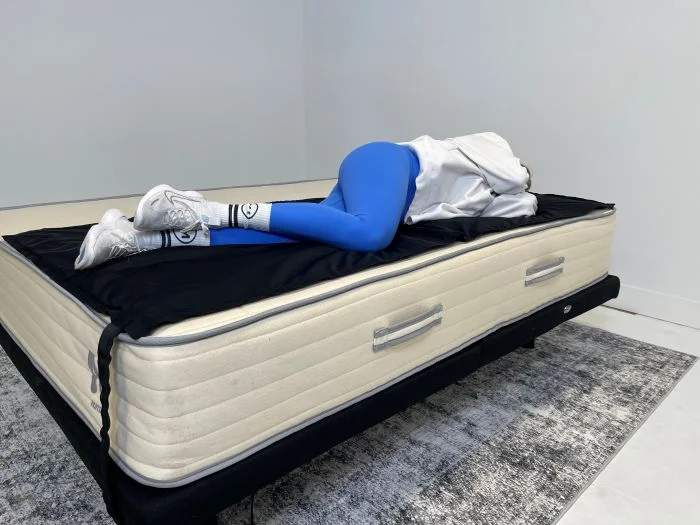
Pressure Relief: 4.2/5
Both back and side sleepers should feel comfortable on the Nolah Natural.
Firmness: 6.5/10
The Nolah Natural has a true medium-firm feel.
What Stood Out About the Nolah Natural
Our heavyweight tester, Caine Wilkes, gave the Nolah Natural a perfect rating for back sleepers of his size. “Everything feels aligned,” he explained. “There’s a good amount of cushioning at my lower back, and my weight is being evenly distributed.”
Side sleepers should also enjoy the mattress, though our average-weight tester noticed it felt a bit firmer to her. “I don’t dislike it because it gives me more support,” she said. “I like that I’m not sinking very far into the mattress.”
The Nolah Natural earned its highest rating for responsiveness, a perfect 5 out of 5. It’s unsurprising, as the bed contains both springy latex and coils. “This bed is extremely bouncy, and this really aided my mobility,” said expert tester Riley Otis. “I felt like I could simply bounce from one position to the next.” This makes it a great pick for combination sleepers.
Riley also gave the bed high marks for edge support. She was particularly impressed with how they performed while lying down at the perimeter: “I didn’t feel any significant sinkage or sagging, and I felt just as supported as the center of the bed,” she said. “I think this bed would allow couples to fully spread out and sleep right up to the edge.”
However, one thing to note: The Nolah Natural isn’t the best at isolating motion. While most couples should still feel comfortable on this bed, folks who wake easily at night might want to explore mattress options that better reduce movement. Riley likened it to a “trampoline” because of the amount of motion transfer. If you’re after better motion isolation from your latex bed, I think you’ll like the Birch Natural.
For a deeper dive into the Nolah Natural and all of its awesome features, check out our Nolah Natural mattress review.
Nolah Natural Mattress Sleepopolis Scores
Best Medium-Firm Latex Mattress – Birch
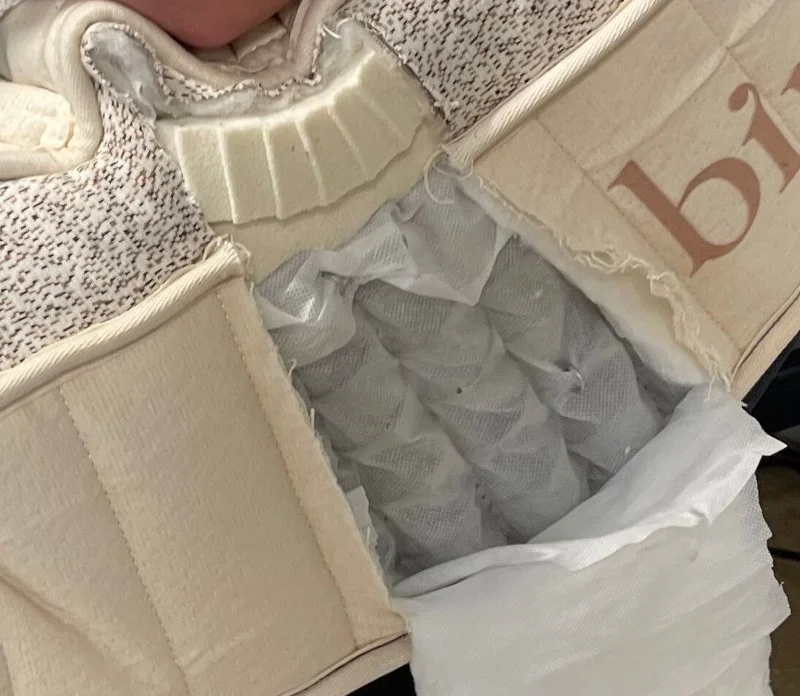

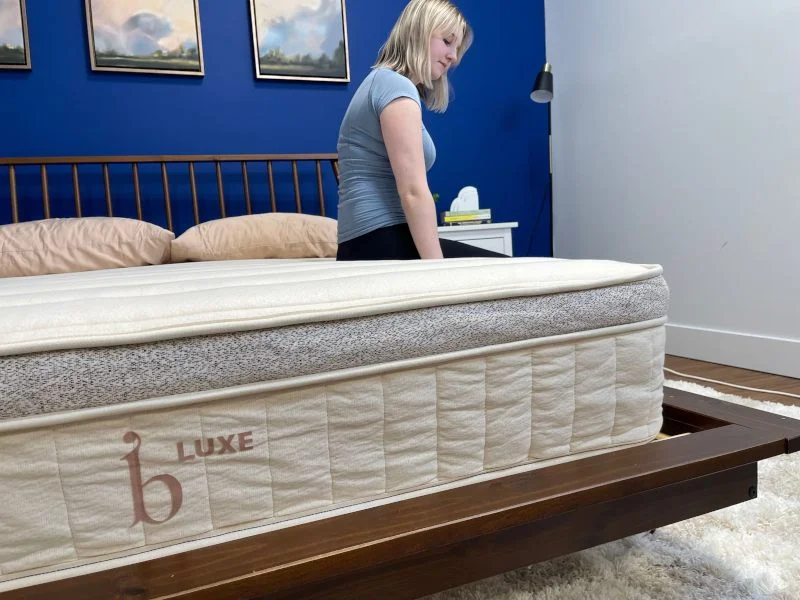

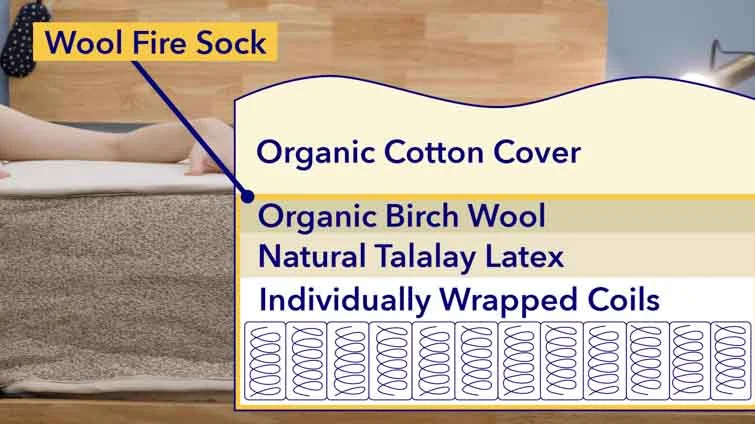


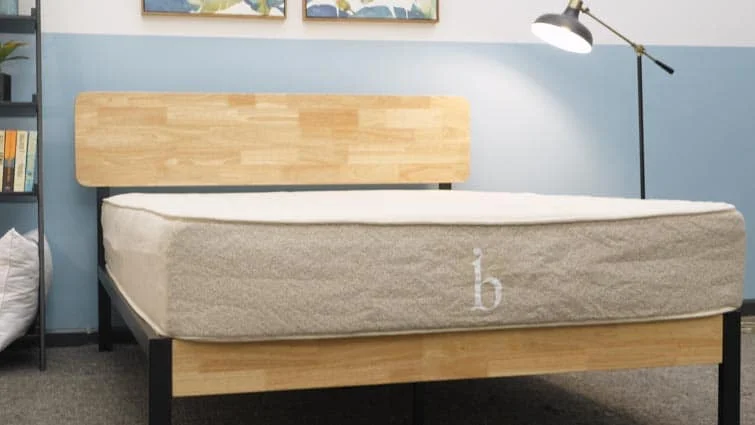
The Birch Natural is a latex mattress utilizing individually wrapped coils for added support. This mattress specializes in cooling and responsiveness, and the firmer nature suits back and stomach sleepers well. Perhaps the most special part about this mattress is the material quality. Not only is the Birch organic, but it has also earned multiple certifications for safe production and materials. For more information, check out our video review.
What our tester says:
“One of my favorite things about the Birch is how cooling it is. I think any hot sleeper will be satisfied by this breathable bed. It’s definitely one of the most cooling mattresses available thanks to its wool and latex layers. These cooling materials also make it one of my favorite organic mattresses.” – Madison Schaper, Sleepopolis staff writer
Why the Birch is the Best Medium-Firm Latex Bed
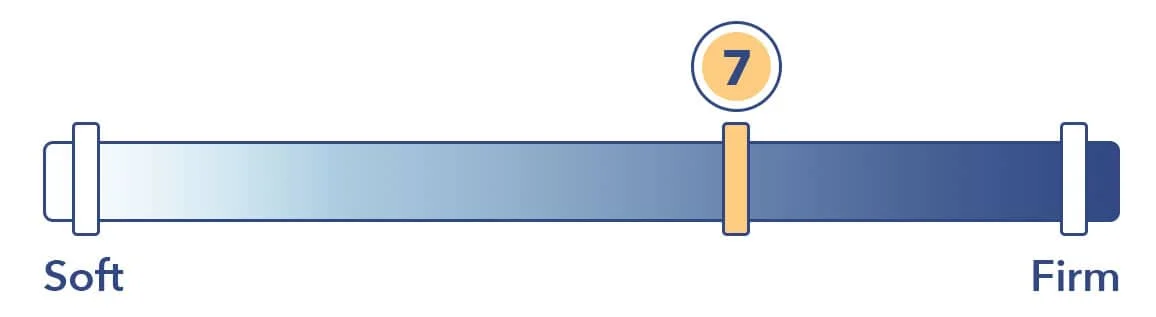
The Birch Natural is a solid choice for anyone looking for a medium-firm latex mattress with top-notch materials and a stellar 5-out-of-5 lifetime warranty. After testing it, we rated it a 7 out of 10 on the firmness scale, which technically places it a half-point above what we consider true medium-firm (6.5), but I think it strikes a nice balance between firmness and cushion. It also earned 4s and above in every performance category.
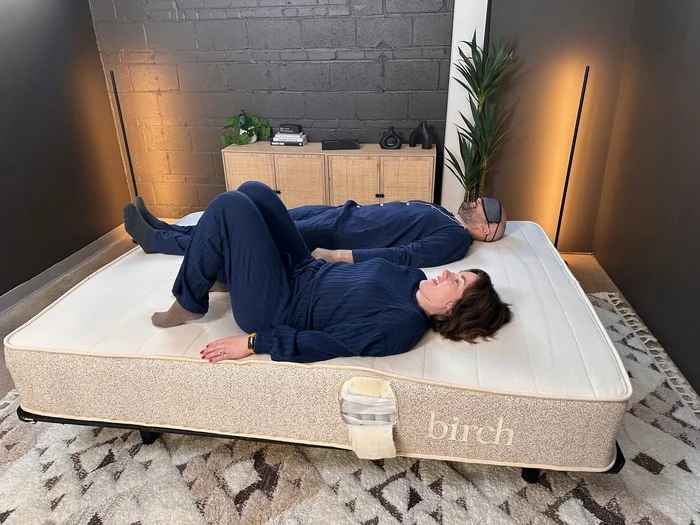
Motion Isolation: 4/5
Despite its springy feel, the Birch Natural does a surprisingly good job of dampening motion.
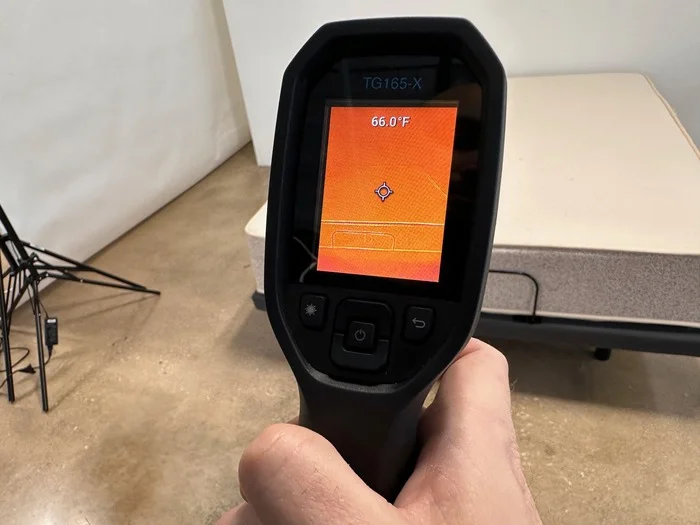
Cooling: 4/5
Hot sleepers shouldn’t have to worry about overheating on the Birch Natural mattress.
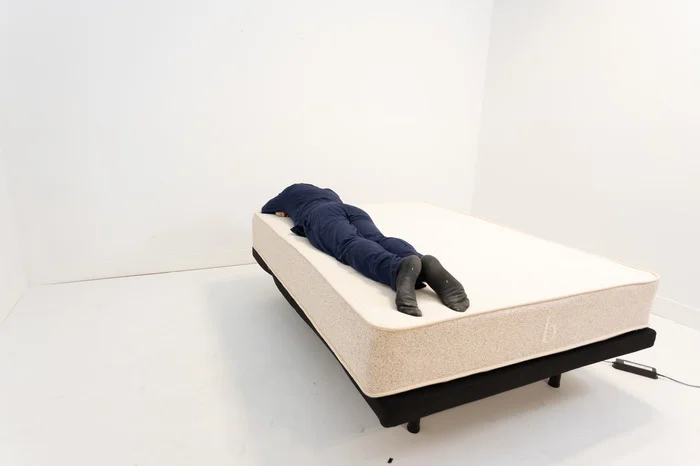
Response: 5/5
The combination of bouncy latex and responsive innerspring coils make this mattress easy to move around on.
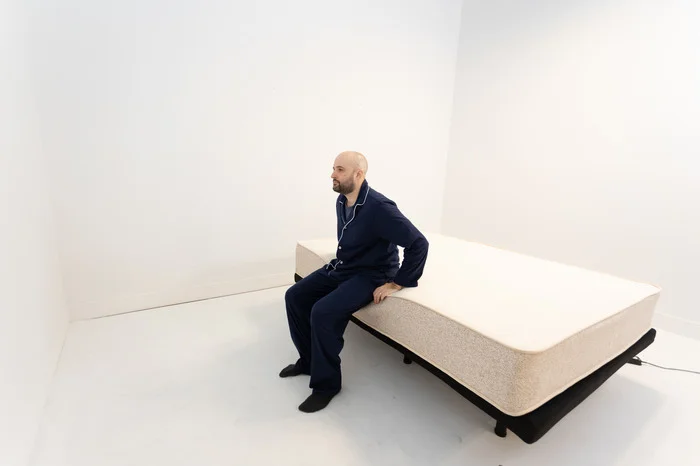
Edge Support: 4/5
Sleepers who gravitate toward the edge of the bed should appreciate the Birch’s reinforced perimeter.
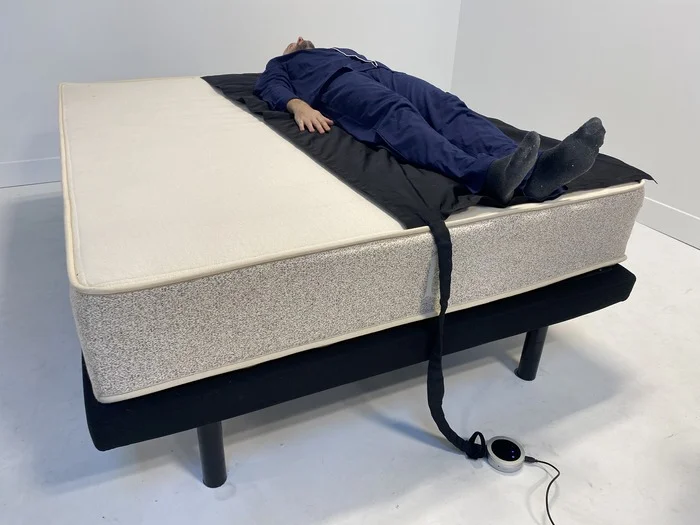
Pressure Relief: 4/5
While the Birch provides solid pressure relief for various types of sleepers, it is ideal for back sleepers.
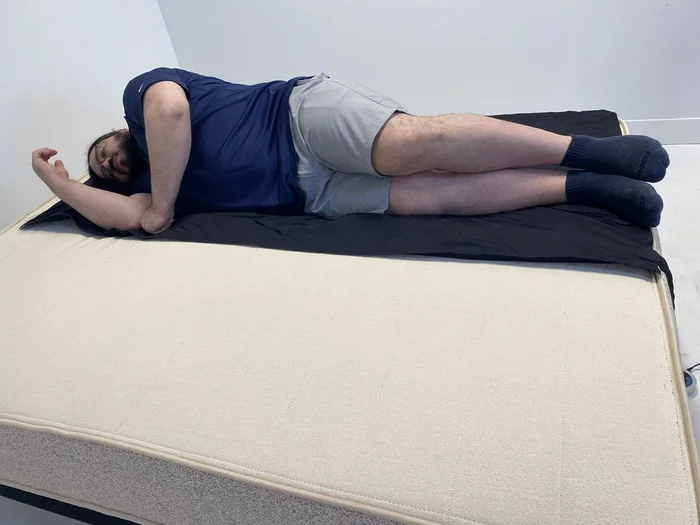
Firmness: 7/10
The Birch Natural is slightly firmer than the industry standard of medium-firm (6.5 out of 10).
What Stood Out About the Birch
When lying on my stomach, I felt my hips were elevated enough to stay aligned with my shoulders. As a stomach sleeper, this type of alignment is important to me, because any misalignment can lead to back pain further down the road. Overall, I think this bed is great for back and stomach sleepers who deal with back pain.
As for pressure relief in the other sleeping positions, I think back sleepers will have the most success. Our testers all rated it at 4 or higher, ultimately leading to a 4-out-of-5 overall pressure relief score.
“My lower back is sinking more than my shoulders but it feels good,” said our average-weight tester. “I’m getting lots of pressure relief at my lumbar region. My shoulders are getting a nice lift and keeping my spine neutrally aligned.”
Whether you sleep on your back, side, or stomach, or switch between them, moving around on the Birch Natural should be seamless. Our testers reported there was “no problem” even when rolling from their back to stomach. It therefore earned its highest score, a perfect rating, for responsiveness.
Cooling is another area where the Birch excels. I gave it a solid 4 out of 5 for cooling, thanks to its breathable layers of natural wool and latex, which help prevent body heat from getting trapped. Due to these cooling abilities, it’s a great choice for hot sleepers because you won’t wake up sweating in the middle of the night.
As for who might not like the Birch Natural, it wasn’t a hit with our heavyweight testers. This sentiment was echoed by Dr. Joe Tedesco after he tried out the mattress himself: “A lighter person would probably like this more. I don’t think heavy sleepers would benefit from this,” he said. If you’re a heavy sleeper looking for a better-suited mattress, I recommend the Leesa Natural.
Could the Birch be the mattress you’re looking for? Find out in our full Birch Natural mattress review. You can also check out the luxury upgrade version, the Birch Luxe.
Birch Mattress Sleepopolis Scores
Best Latex Mattress for Side Sleepers – Leesa Natural
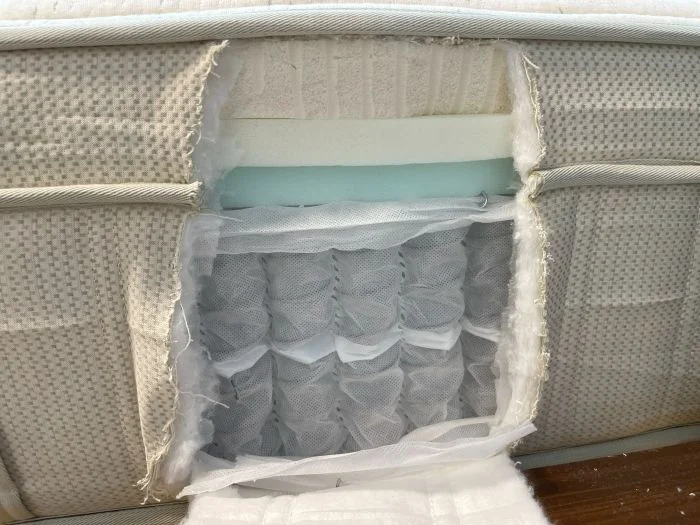
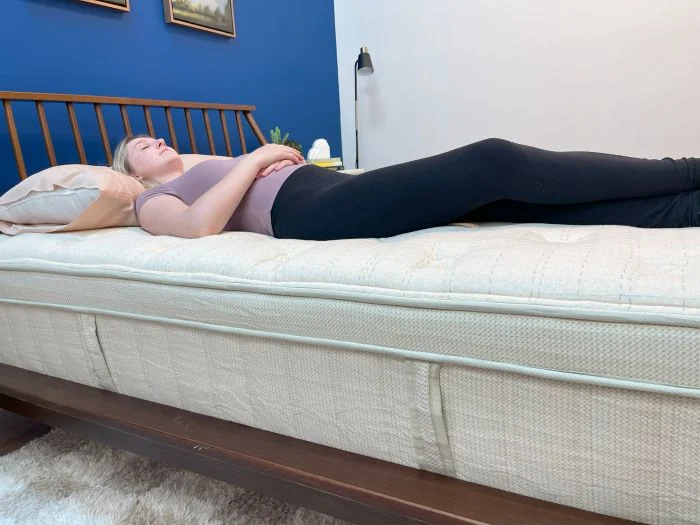
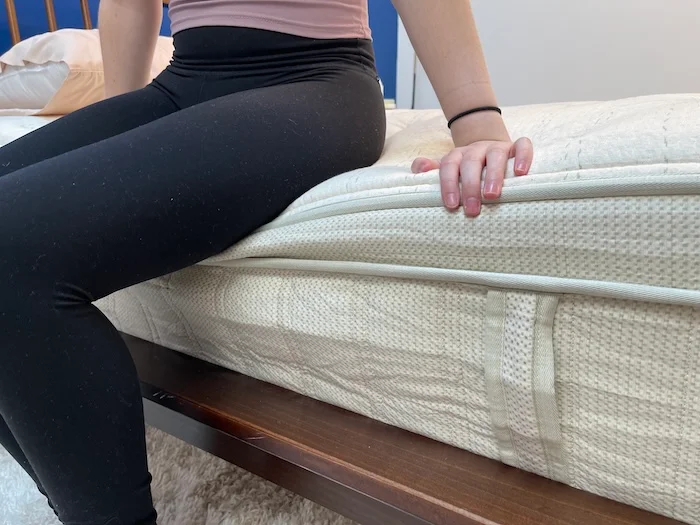
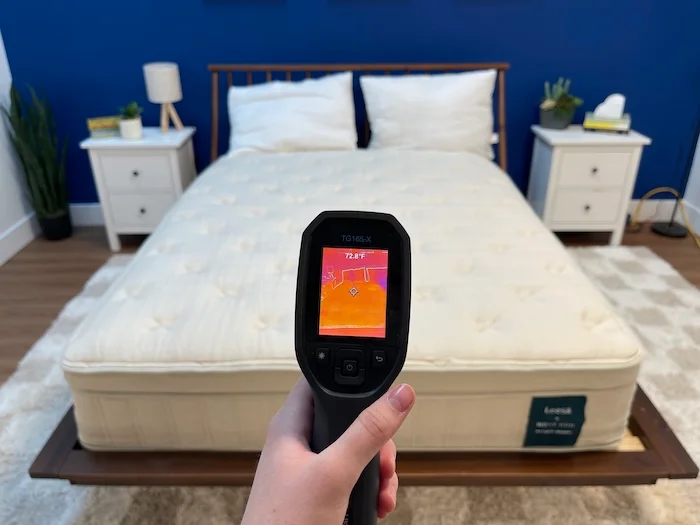
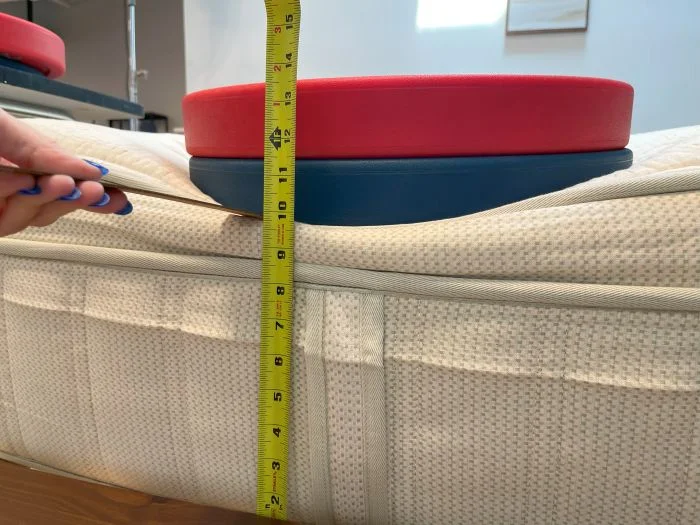
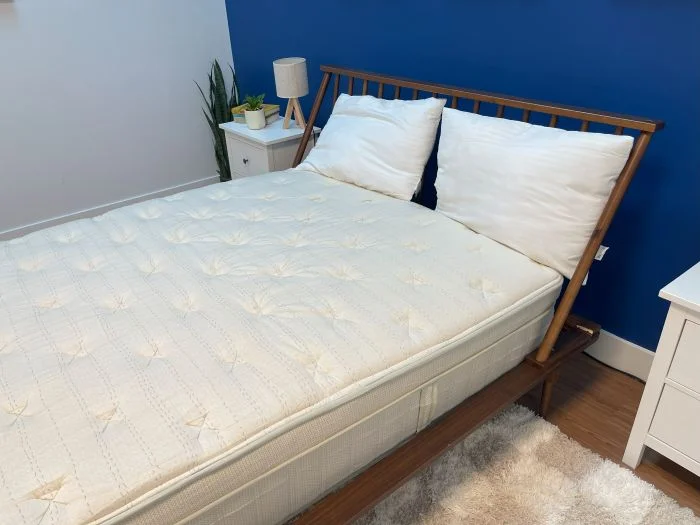
The Leesa Natural mattress should feel medium firm to most sleepers, offering them a balanced feel. We think side sleepers and back sleepers will be most comfortable on this sturdy hybrid mattress due to the combination of plush cushioning and firm support.
What our tester says:
“I really like this mattress in the side-sleeping position. While I’m more ‘on’ the bed than ‘in’ the bed, there’s still a nice amount of cushioning from the mini pillow top that’s relieving pressure at my hips and shoulders. My spine feels perfectly aligned in this position, and I feel like I could sleep all night without feeling pain” – Riley Otis, staff writer and certified sleep science coach
Why the Leesa Natural is the Best Latex Bed for Side Sleepers
For side sleepers, it can be challenging to find a mattress that is both supportive enough for healthy spinal alignment and provides sufficient cushioning around high-pressure areas, such as the hips, shoulders, and elbows.
Fortunately for sleepers in this category, the Leesa Natural excels in both categories. It offers equal measures of pressure relief and responsiveness to appeal to these folks. Mattress tester Riley Otis even gave the Leesa Natural mattress a perfect 5 out of 5 in responsiveness and side-sleeping pressure relief.
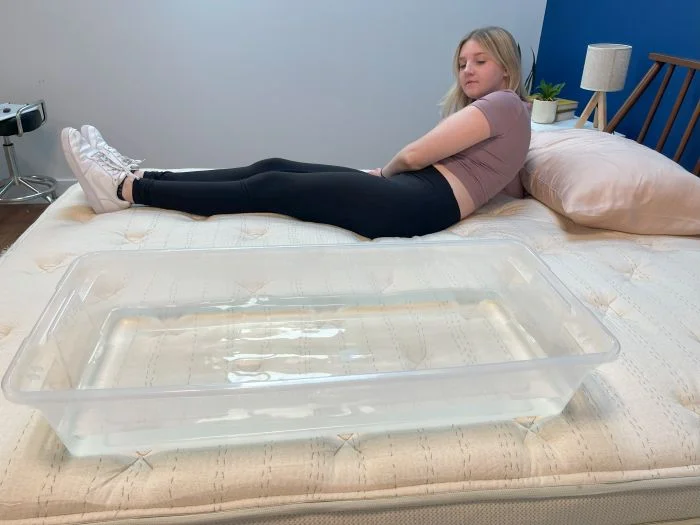
Motion Isolation: 4/5
For a mattress with latex, the Leesa Natural absorbs motion quite well.
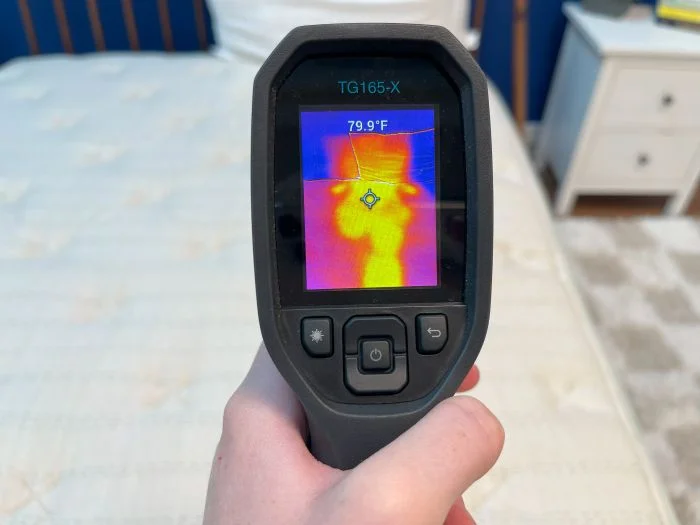
Cooling: 4/5
Its organic cover may hold onto heat, but our testers found this mattress relatively breathable and cool.
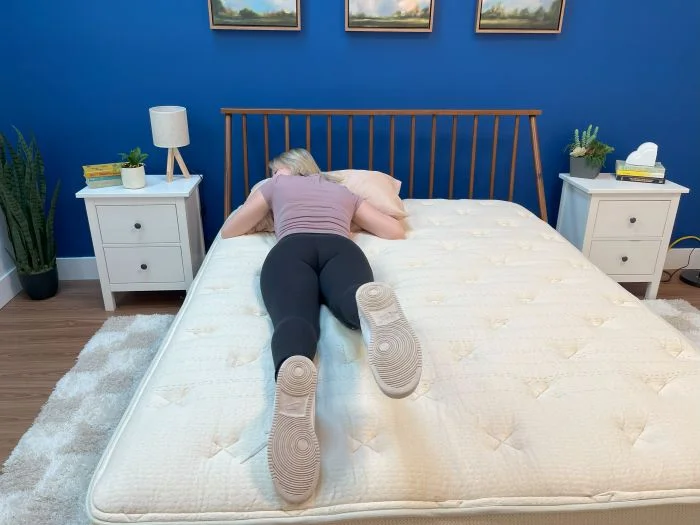
Response: 5/5
Since it’s a latex hybrid, the Leesa Natural is extremely responsive.
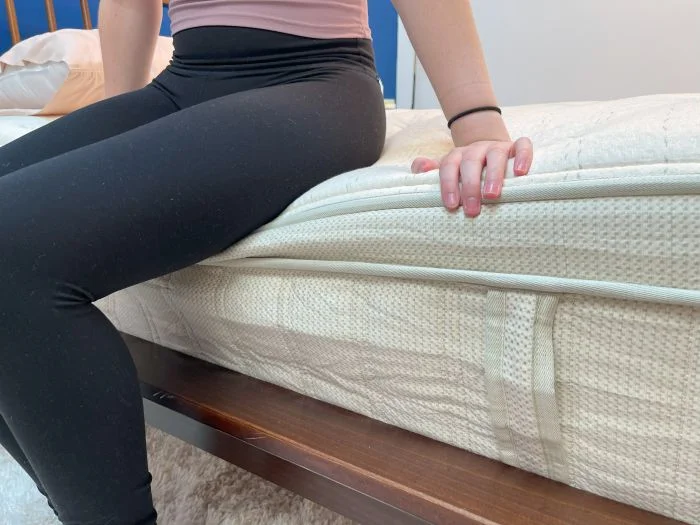
Edge Support: 3.2/5
We noticed a bit of sinkage that made us feel unstable while sitting or lying down on the edge of the mattress.
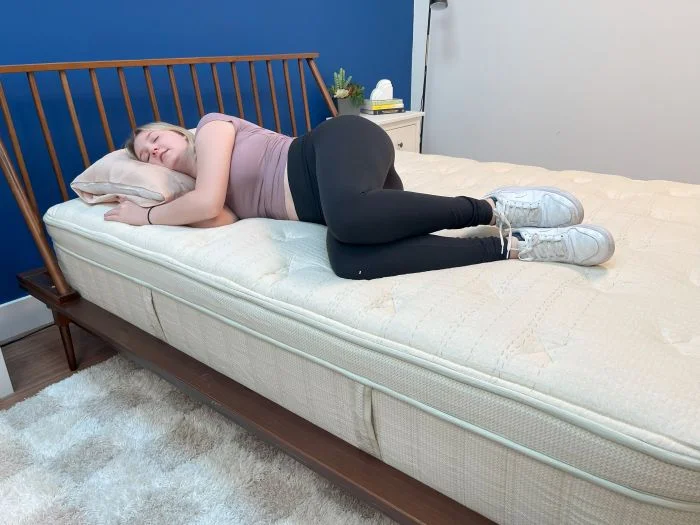
Pressure Relief: 4.5/5
While both back and side sleepers should be comfortable on the mattress, the latter will enjoy even more pressure relief.
Firmness: 6.5/10
The Leesa Natural has a medium-firm feel.
What Stood Out About the Leesa Natural
As Riley explained, “I feel excellent on my side. I’m finding a nice balance between cushioning pressure relief at the joints and strong support that places the spine in a neutral position. There’s no deep sinkage or hugging sensation, but it’s still soft enough to be comfortable without bending the spine.”
Dr. Joe Tedesco added that side sleeping on this mattress feels “orthopedically excellent.” He said, “My shoulders and hips rest comfortably without creating pressure points, and the mattress’s firmness helps maintain that neutral posture.”
Like most other mattresses on this list, the Leesa Natural excels in responsiveness, thanks to its springy latex hybrid construction. Riley gave the Leesa mattress a 5-star responsiveness score because its buoyant latex and tightly-wound innerspring coils made it easy for her to bounce between different sleeping positions.
The Leesa Natural also scored 4 out of 5 for cooling and motion isolation, making it a decent choice for couples as well. Thanks to its strong motion isolation, couples shouldn’t have to worry about their movements disturbing their partners. Meanwhile, the latex and innerspring coils facilitate airflow, keeping things cool and comfortable.
The only area Riley dinged the Leesa Natural was edge support, where she gave it a 3.2 out of 5. According to her, the support around the perimeter was about average. She didn’t feel like she was going to roll off while lying along the sides of the mattress. However, she didn’t think that it was sturdy enough for folks with mobility concerns who need a supportive surface to bear down on in the morning.
Head over to our full Leesa Natural mattress review to learn more. If you’re looking for a latex mattress with stronger edge support, I recommend checking out the Awara Natural Luxury Hybrid instead.
Leesa Natural Mattress Sleepopolis Scores
Best Latex Mattress for Back Sleepers – Silk & Snow Organic
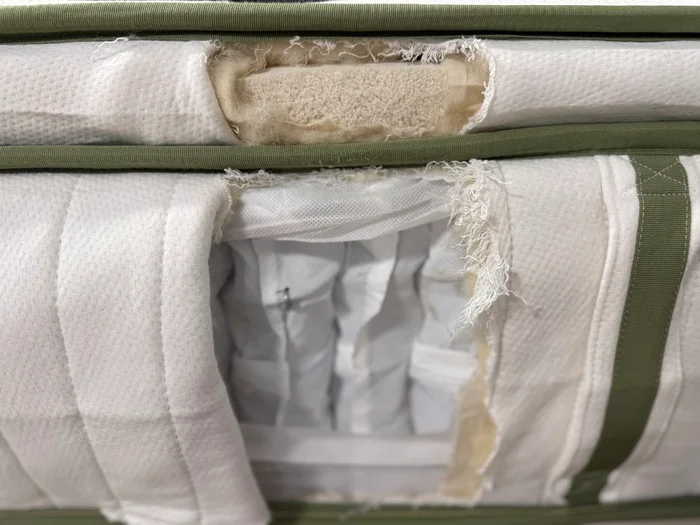
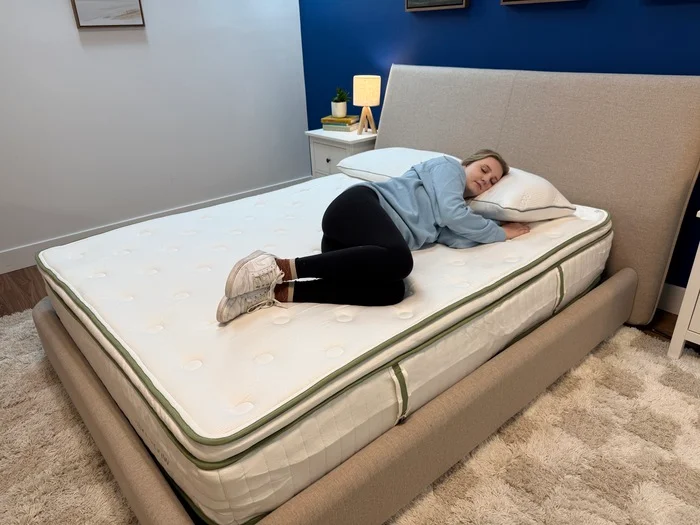
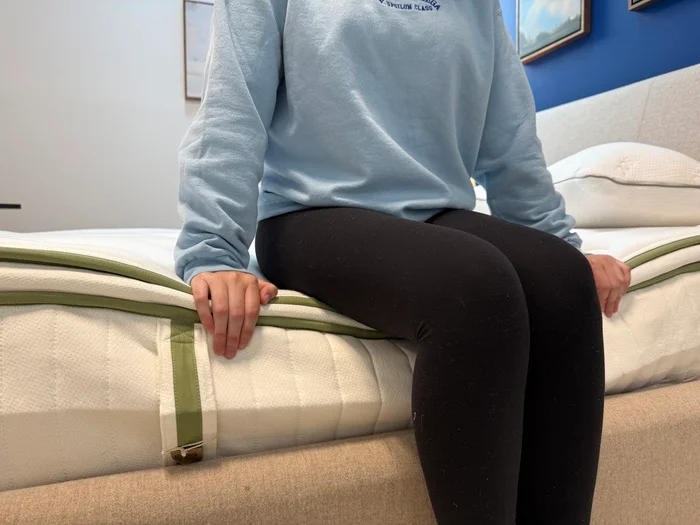


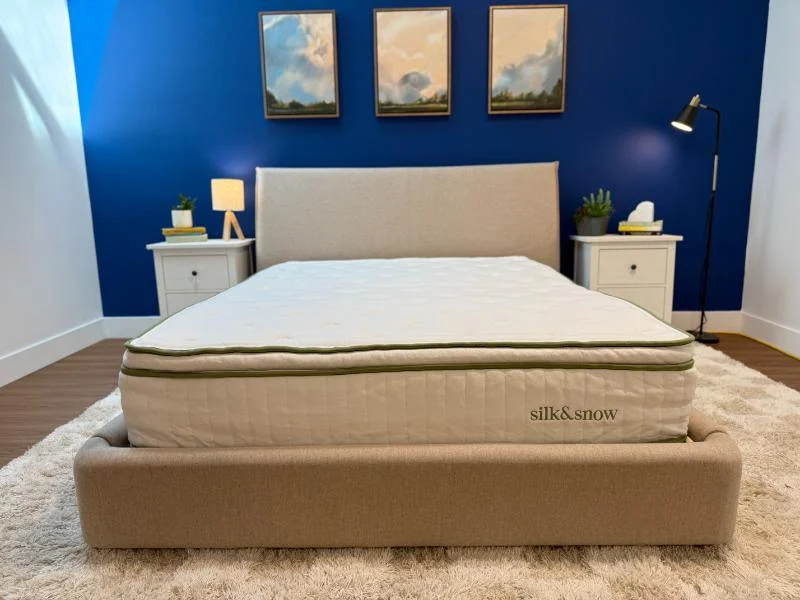
The Silk & Snow Organic mattress is a great choice for shoppers wanting an eco-friendly mattress. The Dunlop latex and coils make this mattress bouncy and responsive, which is great for both combination sleepers and couples. We also think this bed is an excellent choice for back sleepers, especially those suffering from back pain. The medium-firm feel provides a nice balance between soft cushioning and firm support. We also think this bed could be good for hot sleepers, as the latex is super breathable and the coils provide additional airflow. This mattress is also very affordable and could be a great find for budget shoppers.
What our tester says:
“Back sleepers should really like the Silk & Snow Organic. I think they’ll enjoy the zoned support the mattress offers, which means it has a softer feel under the head and leg area to allow sinkage in those zones — while keeping your hips at the right height.” – Bridget Chapman, former senior product editor
Why the Silk & Snow Organic is the Best Latex Bed for Back Sleepers
Latex mattresses have all the key ingredients that back sleepers need: They’re responsive and supportive, and they also offer a balance of firmness and pressure relief to fill out the lower lumbar area and promote healthy spinal alignment.
As Dr. Raj Dasgupta, our medical advisor, explains, “The right mattress will support your body, help you sleep more comfortably, may prevent frequent awakenings throughout the night, and avoid problems like back pain.”
The Silk & Snow Organic is a great choice in this category, scoring a 4.5 out of 5 for support and a 6.5 out of 10 for firmness — right in the medium-firm range. It also earned a perfect 5 out of 5 rating for back sleepers’ pressure relief.
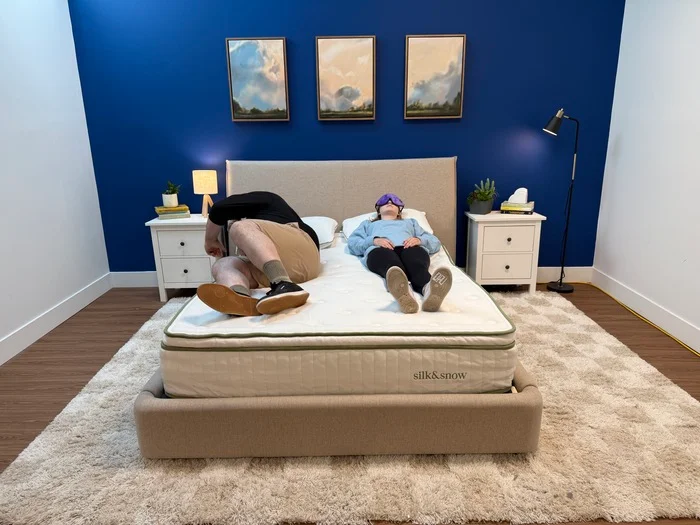
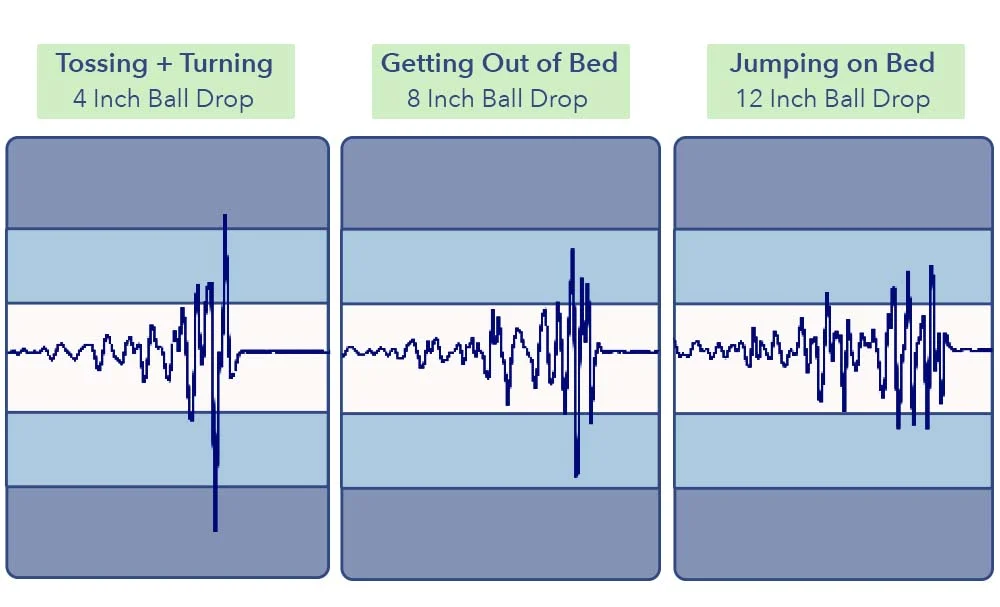
Motion Isolation: 4.7/5
Our tester could barely feel her partner’s movements on the Silk & Snow Organic mattress.
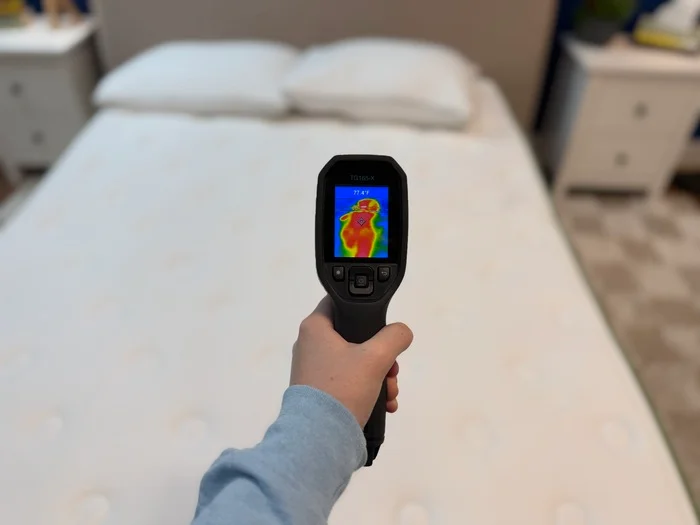
Cooling: 3/5
Despite poor performance from our thermal gun test, we think the Silk & Snow Organic mattress felt relatively temperature-neutral.
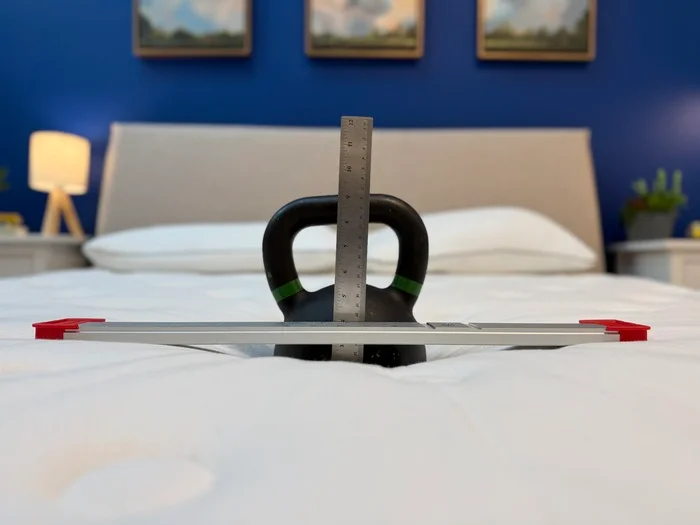
Response: 5/5
You can roll around and switch positions with ease on the surface of this mattress.
Edge Support: 4.2/5
Our tester noticed quite a large dip when sitting on the edge of the bed, but she didn’t feel unstable.
Pressure Relief: 4.5/5
The Silk & Snow Organic earned a perfect rating for back-sleeping pressure relief.
Firmness: 6.5/10
The Silk & Snow Organic mattress has a balanced medium-firm feel.
What Stood Out About the Silk & Snow Organic
Our heavyweight tester especially enjoyed the mattress for back sleeping. “My spine felt straight, and I’m feeling very lifted and on top of the mattress, which is my personal preference. No pain anywhere or pressure building,” he said.
But what really surprised me about the Silk & Snow Organic mattress is its ability to isolate motion. While it’s plenty bouncy because of its latex and coils (earning a 5-out-of-5 responsiveness score), it’s still soft enough up top to absorb motion. My colleague Riley Otis called it “amazing” for a latex bed. “I was impressed by how well the bed muffled his motion, and I don’t think I would have been disturbed from my slumber if I were actually asleep,” she said.
Riley was also able to sit and lie down at the edge of the mattress without feeling like she was sliding off. “I also like that there’s a bit of bounce that assists me when standing up — it practically springs you into the upright position,” she added. This could make the bed a popular choice for older adults or folks with mobility concerns who want to transfer in and out of bed easily.
There’s one final perk of the Silk & Snow Organic mattress: its price tag is really competitive compared to other beds on this list. The mattress starts at $1,000 for a queen-sized mattress before any discounts, which is a steal in this category.
On the other hand, its drawbacks include a less-than-stellar sleep trial period (100 nights) and warranty (15 years). If you’d prefer an organic mattress with a more generous sleep trial and warranty, I recommend taking a look at the Avocado Latex Mattress.
To get a more detailed look at my experience with this budget-friendly latex mattress, be sure to check out our full Silk & Snow Organic mattress review.
Silk & Snow Organic Mattress Sleepopolis Scores
Best Organic Latex Mattress – WinkBeds EcoCloud
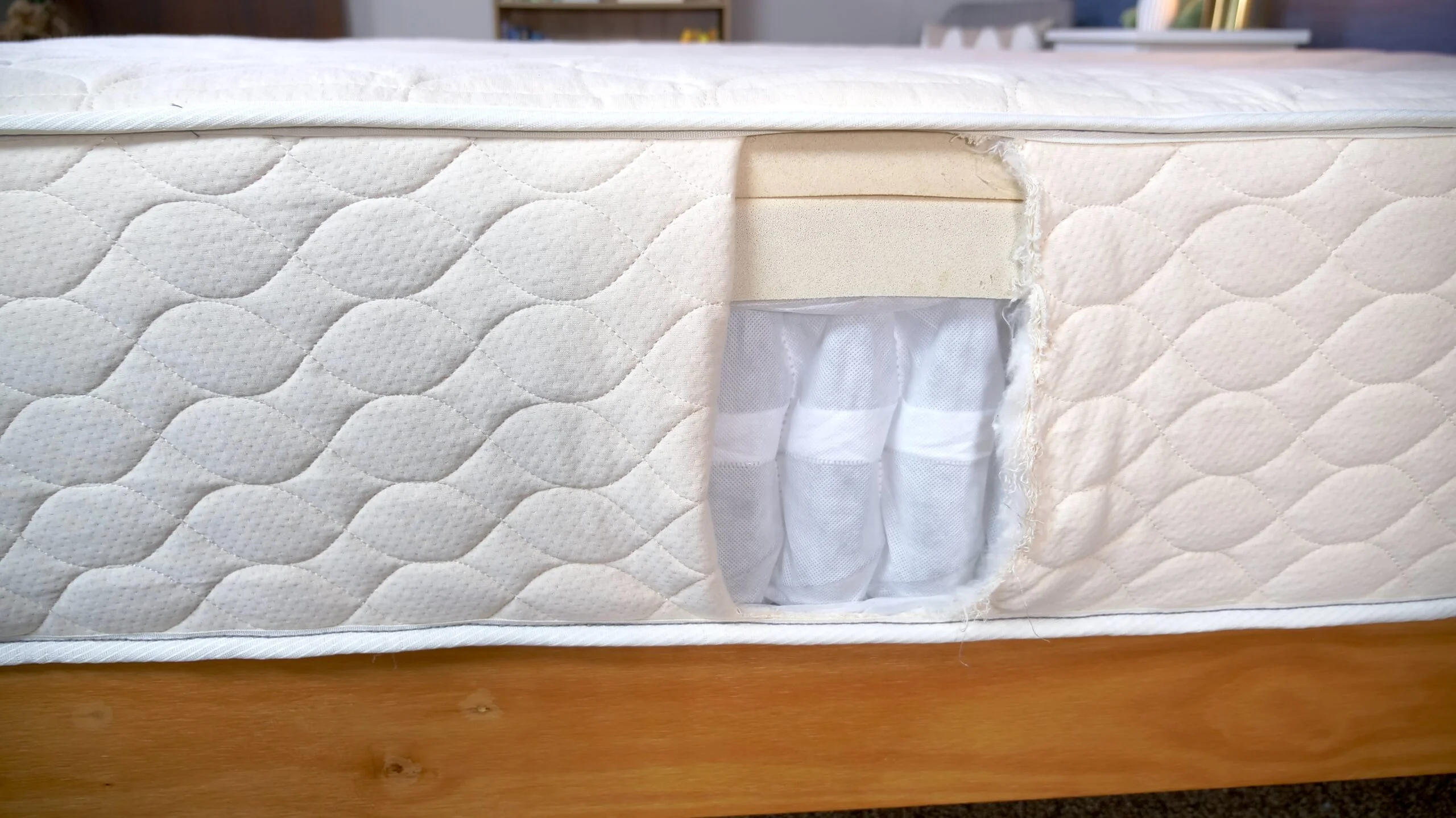
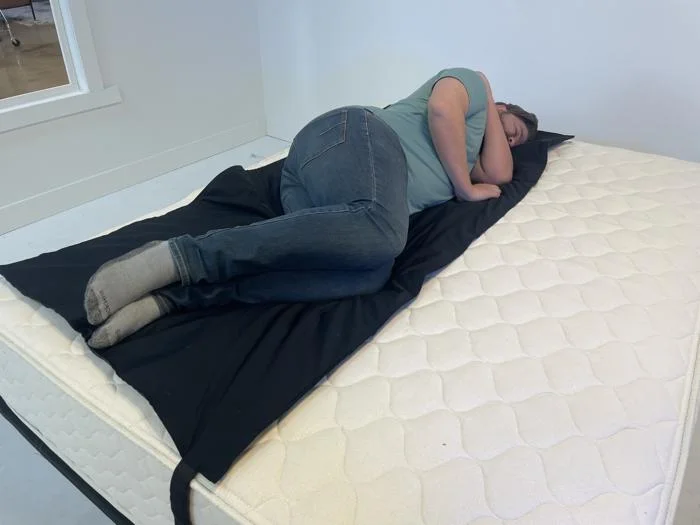
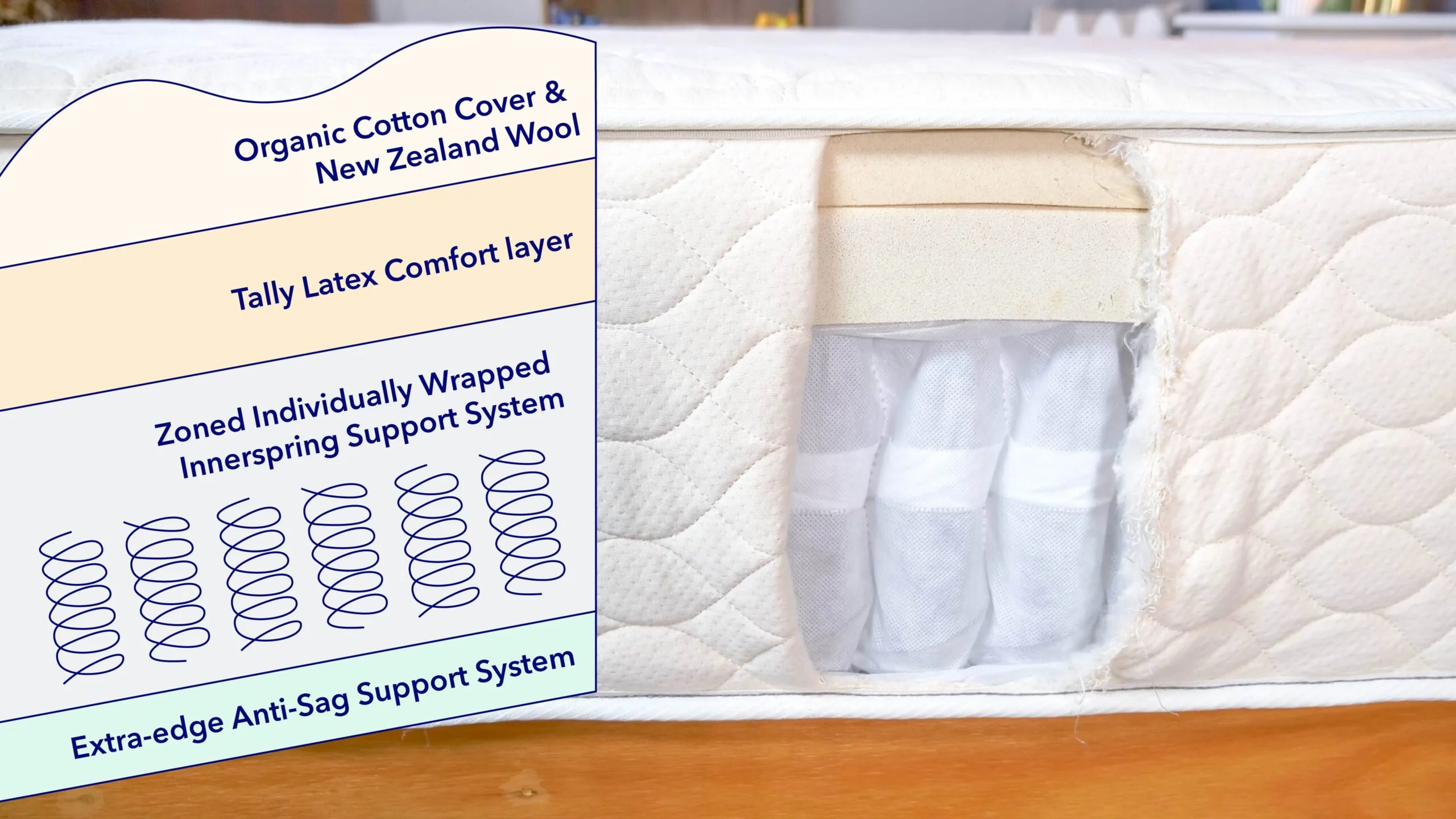
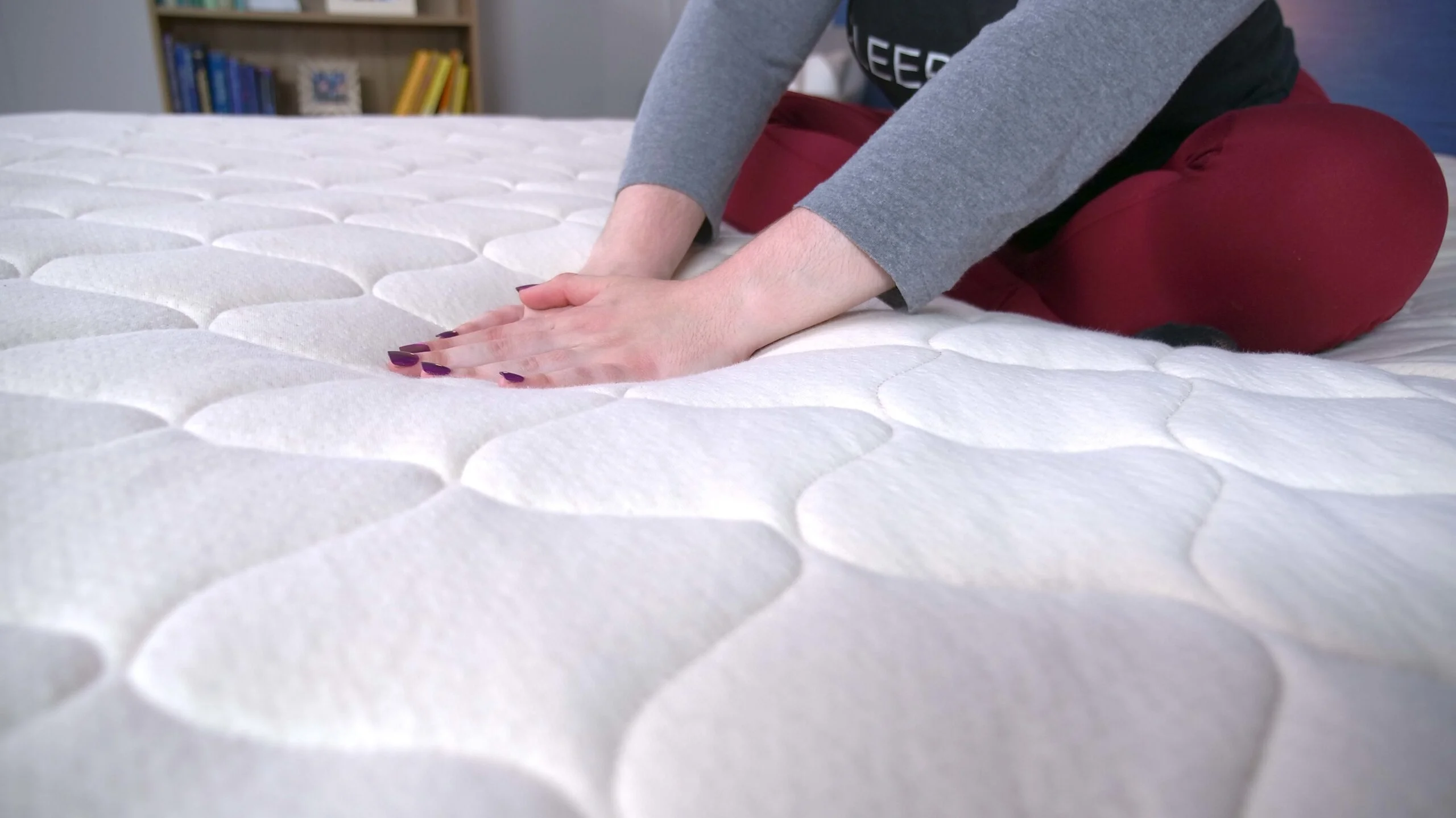
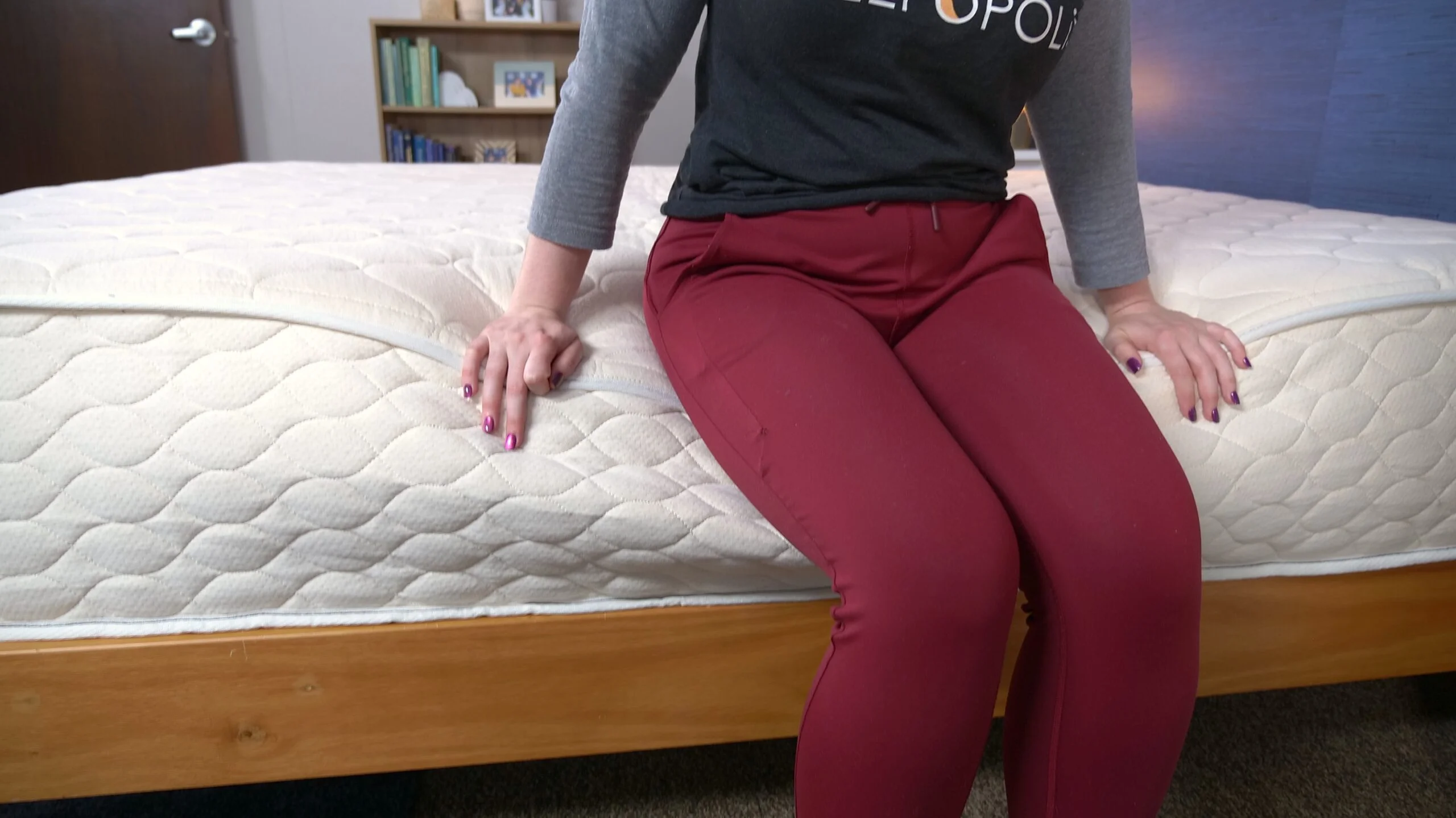
If you’re looking for a mattress made with high-quality, organic materials, then look no further than the WinkBeds EcoCloud mattress. This bed is packed with sustainable materials, including organic cotton, sustainable New Zeland wool, natural Talalay latex, and recycled steel coils. The quilted cover gives this bed an initial plush feel, and the sturdy coils below provide lift and support. We especially like this bed for back sleepers, as it has the perfect balance between pressure relief and lumbar support. We also think hot sleepers would enjoy the breathable materials that work to keep the bed cool all night.
What our tester says:
“The EcoCloud is a great mattress for back sleepers. it has zoned support, which is meant to help promote a neutral spinal alignment, especially when back sleeping.” – Nichole Mondshein, lead reviewer and staff writer
Why the WinkBeds EcoCloud is the Best Organic Latex Bed
For folks who prefer their mattresses organic and all-natural, the WinkBeds EcoCloud stands out as one of the best. We gave it thumbs up for its high-quality eco-friendly construction. The mattress is made with GOTS-certified cotton, and has earned certifications from the Rainforest Alliance and Eco Initiative for its recycled coils.
As my fellow mattress tester puts it: “Anyone looking for a bed made from eco-friendly natural materials will be happy with the EcoCloud. I think it’s one of the most sustainable mattresses on the market.”
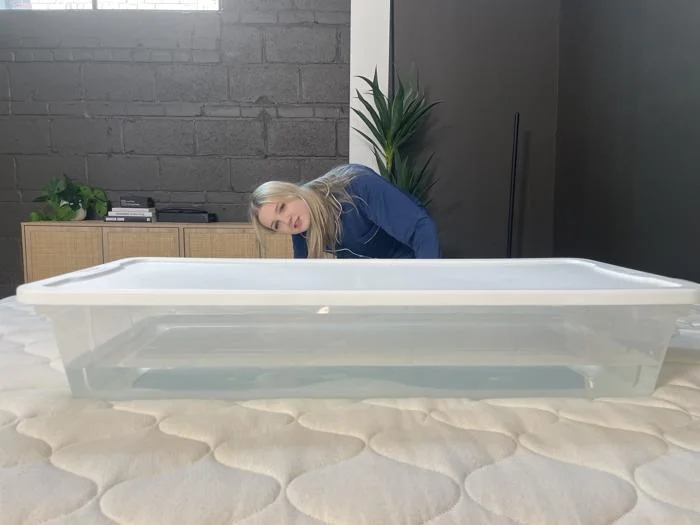
Motion Isolation: 2.7/5
Light sleepers will likely feel their partner’s movements on this mattress.
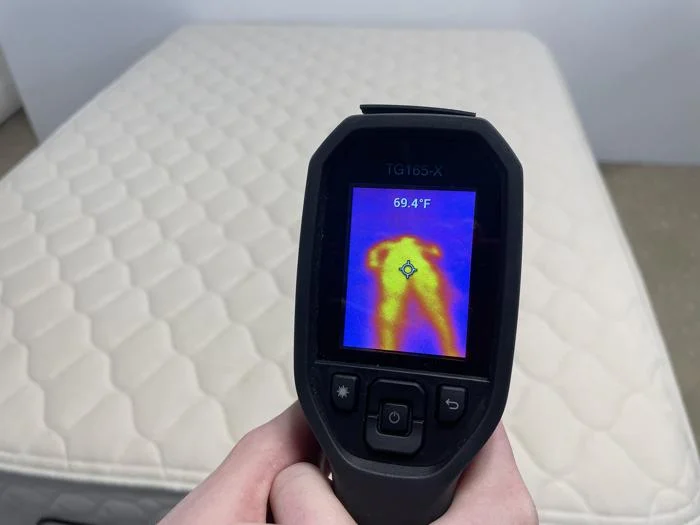
Cooling: 3.5/5
Our testers thought this mattress felt relatively temperature-neutral.
Response: 5/5
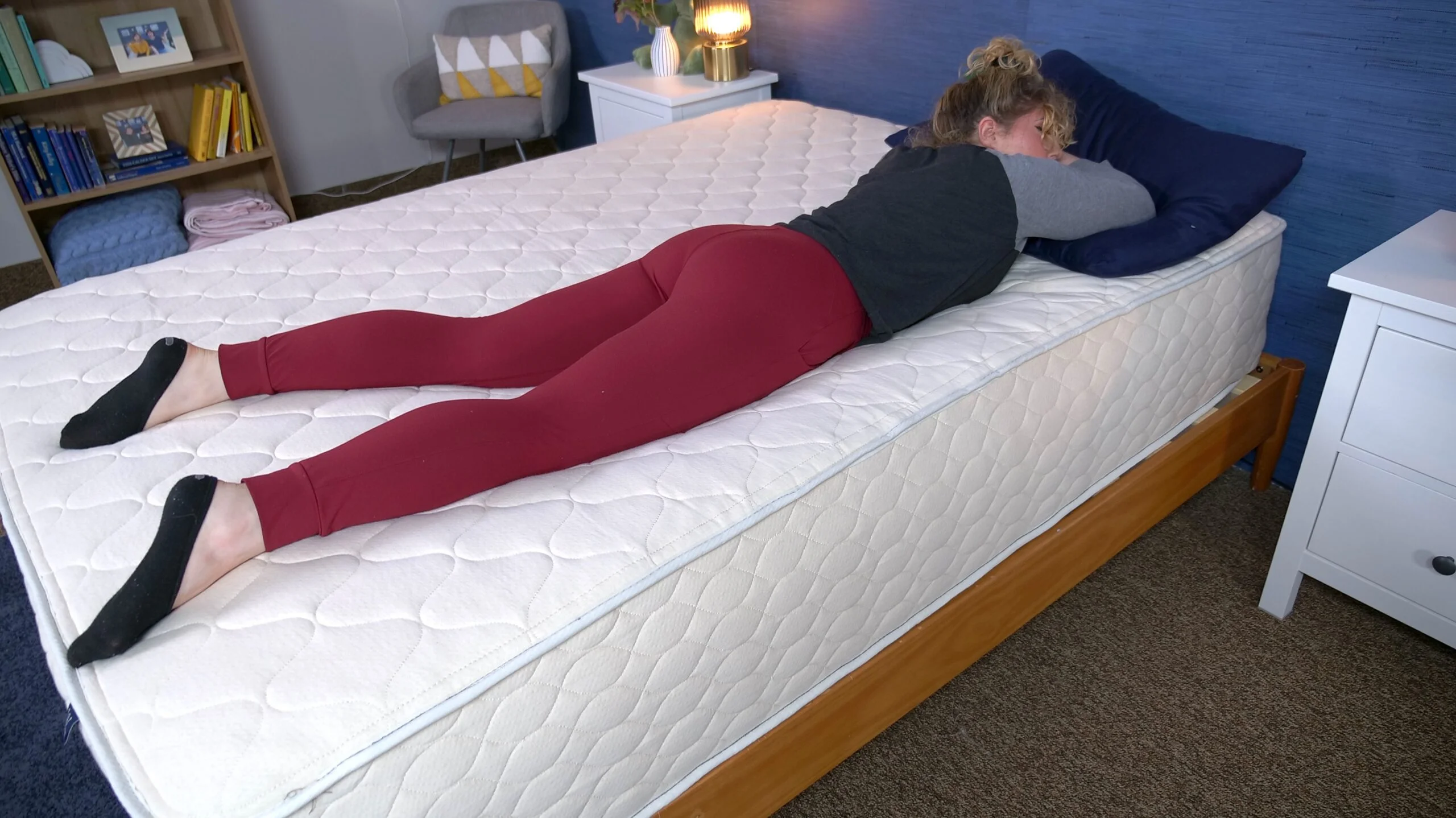
Despite its softness and a tiny bit of sinkage, we found the EcoCloud super easy to move around on.
Edge Support: 4.6/5
The latex in this mattress helps bounce you right off the edge to your feet.
Pressure Relief: 3/5
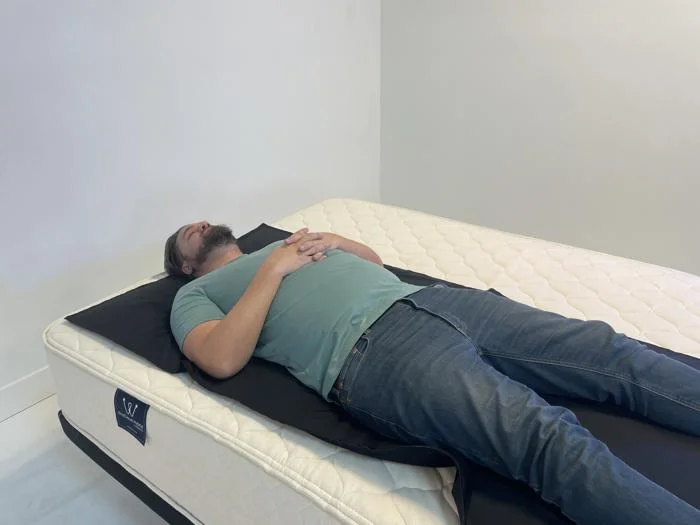
While earning low scores overall, the EcoCloud should work better for back sleepers who like a softer feel.
Firmness: 6/10
The WinkBed EcoCloud boasts a medium feel that skews slightly softer.
What Stood Out About the WinkBeds EcoCloud
From the moment our testers lay down on the EcoCloud, they noticed its plush yet supportive feel — a product of its medium-firm comfort level. For back sleepers, I think this bed offers just the right balance of cushion and firmness.
“The mattress definitely feels better on my back,” said our lightweight tester, Riley Otis. “My hips are sinking a tad more than my shoulders, but not in a bad way, I’m still aligned.”
We were also really impressed with the specialized support coils around the perimeter of the mattress. “I felt secure and stable when sleeping directly on the edge,” Riley said. “All sleeping positions felt supported, and I didn’t notice any sinkage. I think couples will be able to fully spread out and use the entire surface of the bed.”
That said, there is something to keep in mind before you decide to buy this mattress. We weren’t exactly impressed with the bed’s motion isolation — it makes sense, given its extremely responsive, bouncy surface. It amplified motion more than it stifled it. “I could feel every movement my partner made — it felt like I was on a water bed,” Riley explained. “Her movement traveled heavily to my side of the bed and jostled my body. I don’t think this bed was able to absorb motion and muffle it.” Interested in the WinkBeds EcoCloud? Learn more in our full EcoCloud mattress review. You can also check out the brand’s non-latex options, including the original WinkBed.
WinkBeds EcoCloud Mattress Sleepopolis Scores
Other Latex Mattresses I Considered
We tested many other latex mattresses that, while great, still didn’t quite make it onto our best list. However, these are still worth a second look, especially if you couldn’t find your match in the list above.
Avocado Latex Mattress
The Avocado Latex mattress gets an honorable mention because it is an organic latex foam bed with natural cooling, durable materials, and lots of springy support. This bed is perfect for back and stomach sleepers who prefer a firmer mattress with all-natural materials (and the certifications to show for it).
However, it didn’t quite make it onto my list because it is incredibly firm, earning an 8 out of 10 on our scale. This makes it a no-go for most lightweight, strict side sleepers, as these folks will not get enough cushioning over high-pressure areas like their hips and shoulders.
Birch Luxe Natural Mattress
The Birch Luxe Natural mattress has a lot going for it. Like the original Birch Natural mattress, the Birch Luxe is great for back sleepers and couples looking for an eco-friendly mattress. The Birch Luxe also features a plush Euro-top cover that gives heavier sleepers a few more inches to sink into versus the standard model.
While the plush mattress topper is a welcome addition, I didn’t choose this mattress over the original Birch because I don’t feel the Euro top comfort layer warrants the extra money (roughly $750) you’d spend for the Luxe model.
What Goes into the Best Latex Mattresses
It’s not enough for a latex mattress to simply contain the material; its design and construction also have to make it a bed people enjoy. We aimed to include top-quality, high-performing mattresses by focusing on the areas below.
Pressure Relief
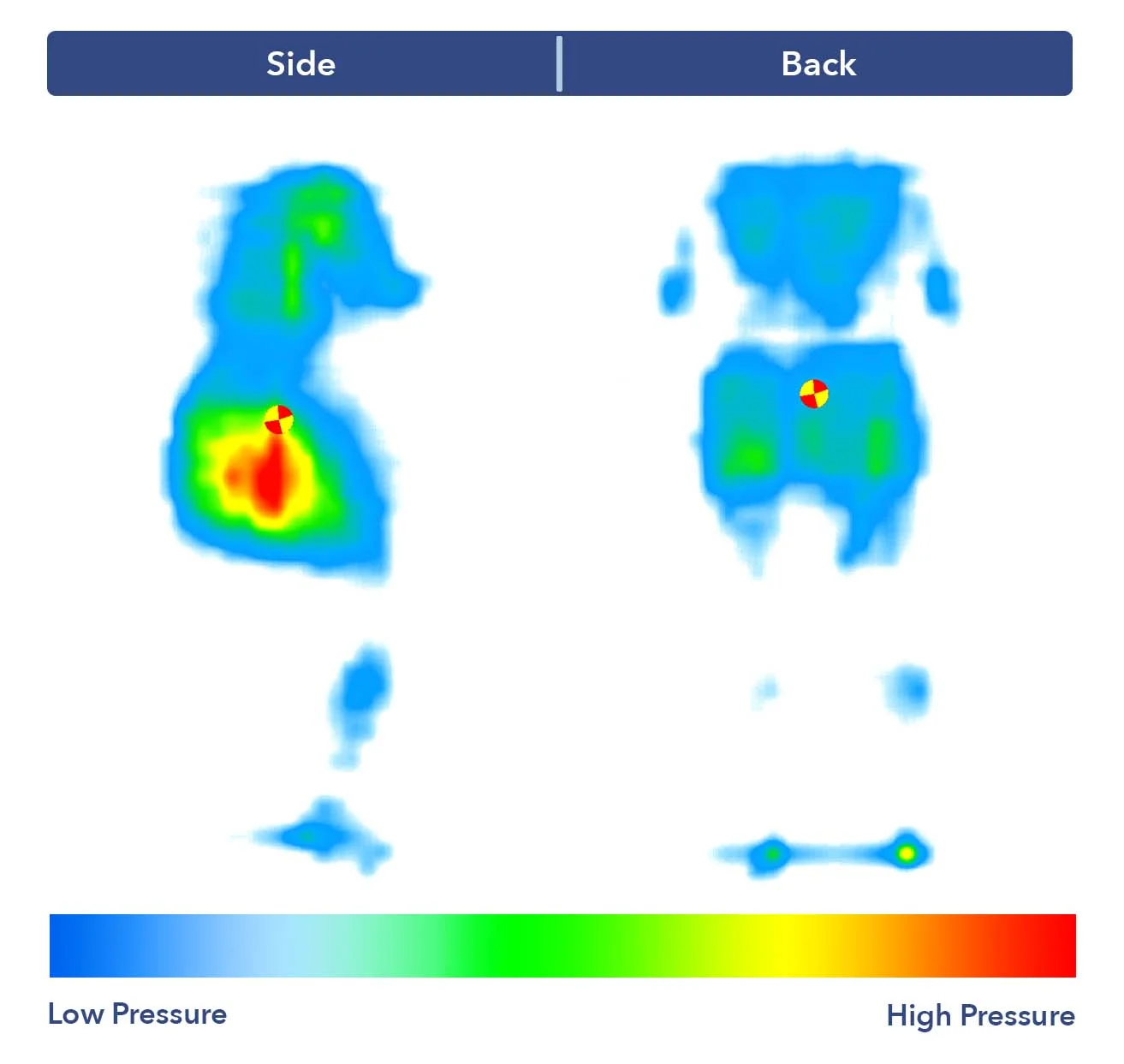
Pressure relief refers to how well a mattress alleviates tension at pressure points like the hips, shoulders, and lower back. Latex is naturally good at pressure relief, especially for back and side sleepers, because it contours to your body without letting you sink in too deeply. It also provides a bit more support than traditional memory foam.
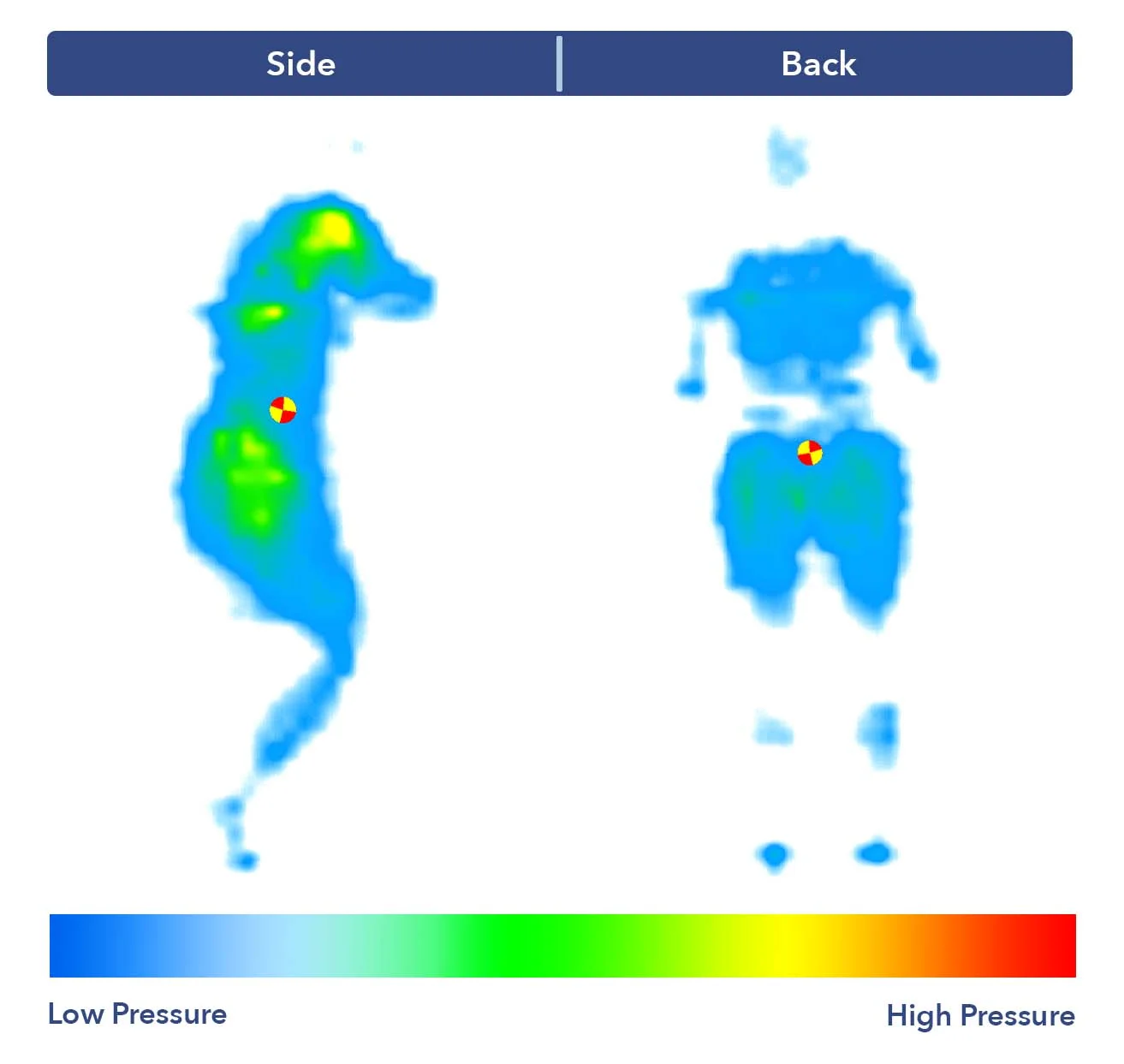
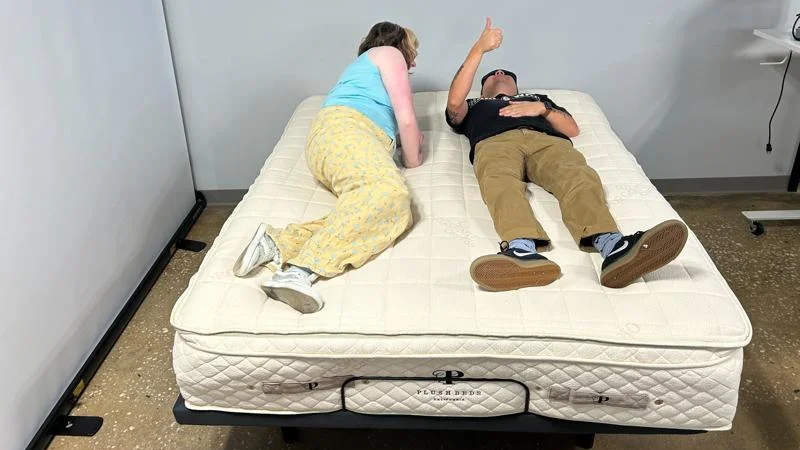
To test pressure relief, we place a pressure-mapping mat on a mattress and then lie on it in various sleep positions to generate a visual readout of where pressure is building up in the body. Areas marked in blue and green indicate good pressure relief, while red and yellow show where a mattress is creating potential pressure points.
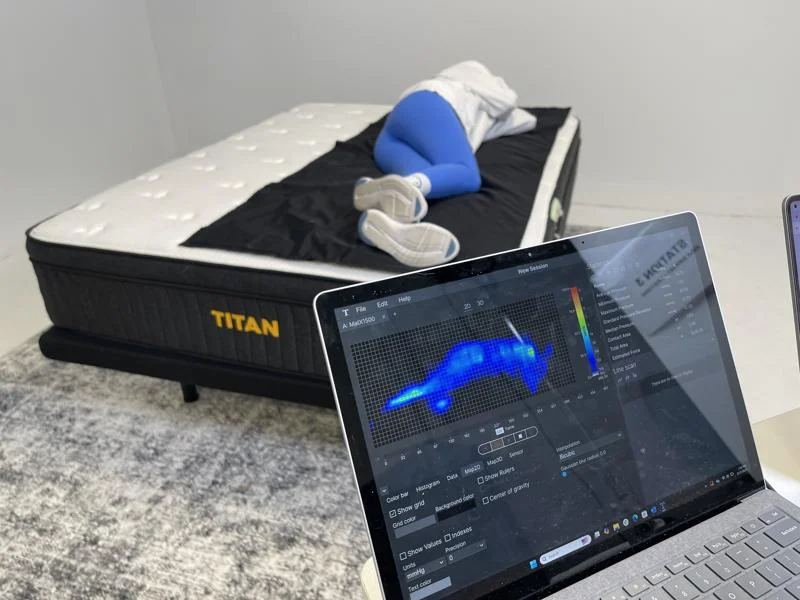
We also take our testers’ opinions into account. Three testers representing lightweight, average-weight, and heavyweight sleepers each rate the mattress out of 5 for both back and side sleeping. This is then tallied into our final pressure relief score for the entire mattress.
Some latex beds do better for one body type or position over another, which can bring down the overall score. But we’re always sure to note which sleepers should be most comfortable on a latex bed.
Motion Isolation
If you sleep with a restless partner or pet, you may be concerned about motion transfer. Low motion transfer means you won’t feel movement from the other side of the mattress, such as when your partner gets out of bed or switches positions.
We test motion isolation in two ways: first, our water test, in which we place a tub of water on one side of the bed. Our tester gets in on the other side and moves around, observing how the water behaves. The more rippling they see, the more motion is transferred, and the lower the rating.
We also perform a partner test. This involves two testers on the mattress. One lies there blindfolded while the other moves around beside them, mimicking the nightly tossing and turning of a partner. The blindfolded tester signals anytime they feel movement. These results are also rated, then combined with the above test for a final motion isolation score out of 5.
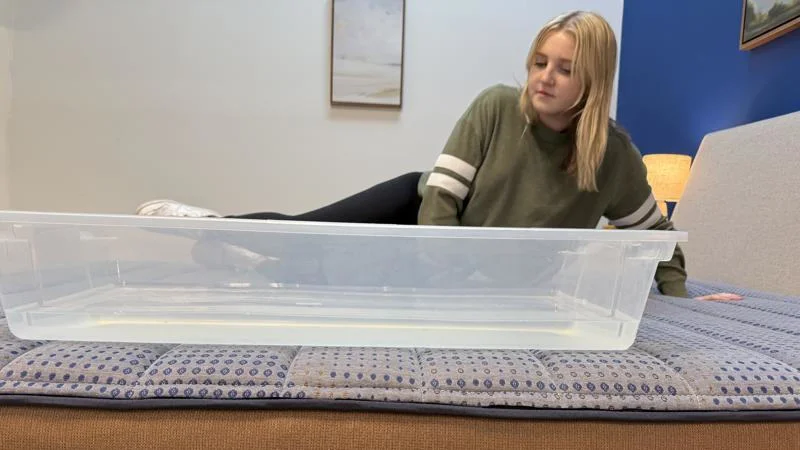
Latex mattresses tend to be bouncier and less effective at isolating motion compared to slower-moving memory foam, which is known for its ability to absorb and minimize motion. However, many latex mattresses do have good motion isolation for light movements.
If you’re sensitive to motion transfer, consider a memory foam mattress. Most will perform better than a latex or hybrid model that combines coils with latex or memory foam.
Price
Latex mattresses generally fall in the mid-to-high price range, or typically between $1,000 to $2,195 for a queen size. While these mattresses can be more expensive, their durability and eco-friendly materials often make them worth the investment. That said, it’s essential to find a latex mattress that fits within your budget while still providing the quality and features you need.
Be cautious of cheaper latex mattresses, as they may use synthetic latex or have thinner latex support layers, which can affect durability and comfort. On the flip side, higher-priced models often use organic materials and feature improved durability, cooling, and pressure relief.
What to Consider When Buying a Latex Mattress
Still on the fence about which latex mattress is right for you? Here are some other preferences to consider when making your decision:
Firmness
A bed’s firmness level is a good indicator of how it will perform for specific sleeping positions, body weights, and pain areas. Consider not only your body type and personal preferences, but also your sleep position when making a decision here. In short, side sleepers will likely need the softest mattress, stomach sleepers will need the firmest, and back sleepers will fall somewhere in between.
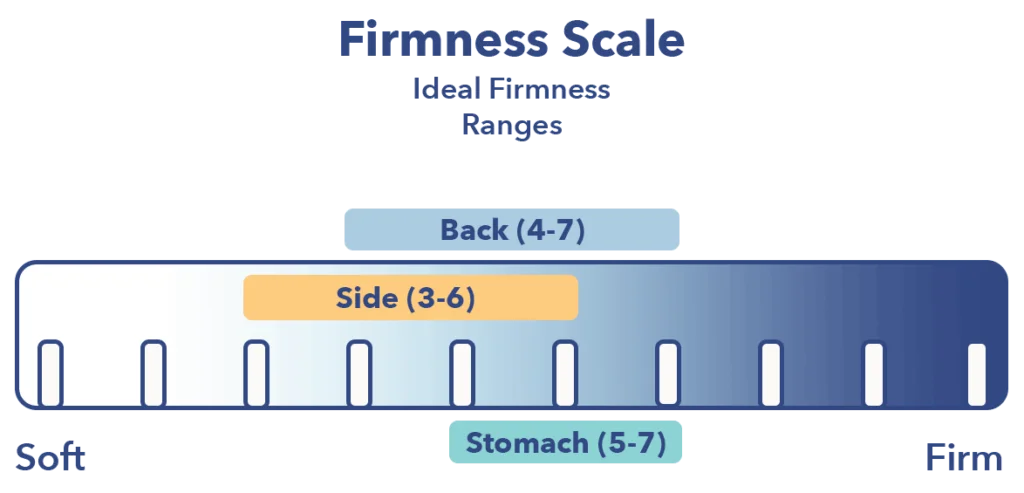
We test all of our mattresses’ firmness levels using our expertly developed firmness scale, which places a mattress on a scale from 1 to 10. A rating of 10 is the firmest, and 1 is the softest, with 6.5 representing “medium-firm,” the most common mattress firmness.
This can also be the best firmness option for those looking to ease pain with their latex mattress, according to Dr. Raj Dasgupta. “A medium-firm latex mattress is supportive, offers pressure relief, and keeps your spine aligned,” he says.
Latex mattresses are generally not the firmest mattresses on the market, but some brands do offer various firmness levels. We love latex mattresses for most back sleepers and some side sleepers, but they’re typically a little too soft for stomach sleepers.
Body Type
Your body type and weight play an important role in finding the best latex mattress for you. You want something that provides enough support without being too soft or too firm for your body.
- If you weigh under 130 pounds, you might prefer a softer latex mattress. Latex allows for slight sinking while still maintaining support, offering relief for pressure points without feeling too firm. A mattress that’s too firm, however, might not give enough cushioning around your hips and shoulders.
- For those in the average weight range of 130–250 pounds, a medium-firm latex mattress is best. Most latex beds in this range will provide a good balance of support and pressure relief, contouring to the body without excessive sinking.
- Heavier sleepers over 230 pounds should opt for a firmer latex mattress or one with additional support features, such as thicker coils or a multi-layer construction. Latex is durable and supportive, but if you’re on the heavier side, make sure the mattress has a solid, high-density support layer to prevent you from sinking too far into its surface.
Sleeping Position
Your sleeping position also affects your ideal mattress feel.. Whether you’re a side, back, or stomach sleeper, the right mattress will comfortably support your body and keep your spine aligned.
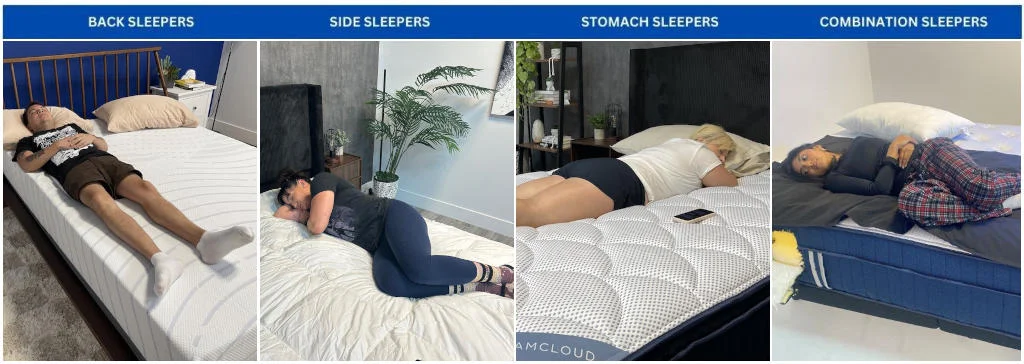
For side sleepers, a slightly softer latex mattress is ideal because it allows your body to sink in just enough to cushion and relieve pressure from the hips and shoulders. Latex may not offer the same sinkage as memory foam, so side sleepers should look for a softer latex mattress (6 out of 10 on the firmness scale or lower) to get more contouring and pressure relief around their hips and shoulders.
We’ve found that medium-firm and firm mattresses work best for back sleepers. They can contour to the lower back and still maintain correct spinal alignment, offering a good balance between support and comfort.
Stomach sleepers typically need a firmer mattress to prevent the hips from sinking too deeply, which could cause misalignment and back pain. Although latex is naturally resilient, most latex beds tend to have a medium to medium-firm feel, so stomach sleepers may need to explore firmer options or hybrids for more support.
Cooling
A cooling mattress is a great way to deal with overheating throughout the night. To see whether a bed is cooling, we use a thermal gun to measure its surface temperature. We take this reading two times: first, before anyone’s been on the mattress, then again after resting on it for about five minutes. The higher the number, the more heat the mattress holds onto. Our testers also note how the mattress felt while they were lying there, all of which influences the final cooling score out of 5.
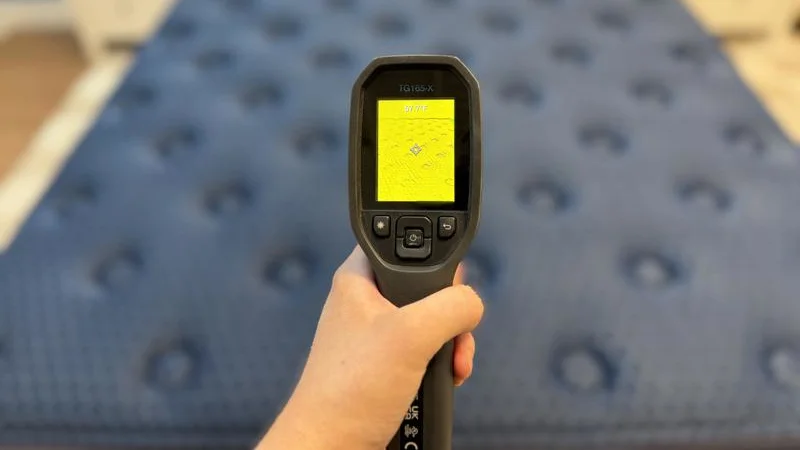
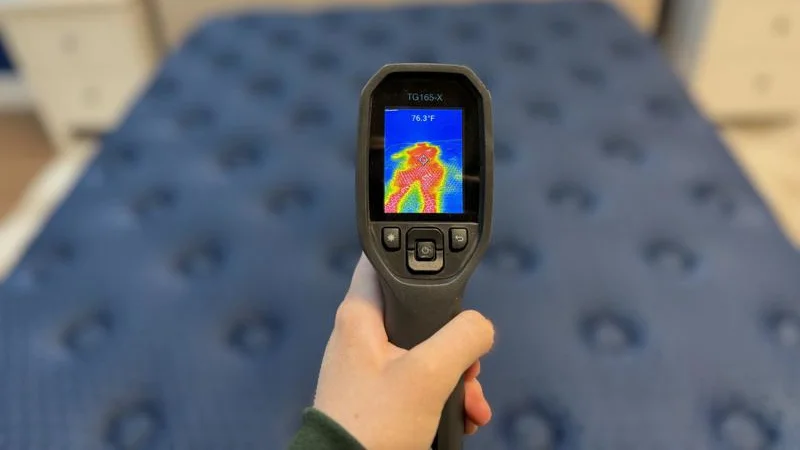
Latex is naturally more breathable than memory foam, which can make it a better choice for hot sleepers. The open-cell structure of latex allows for better airflow, preventing the mattress from trapping body heat. As with any mattress, though, factors like the mattress cover, thickness, and any added innerspring or memory foam layers can affect cooling performance.
Some latex mattresses may incorporate cooling features such as breathable covers or natural wool layers that further enhance cooling. Generally, latex mattresses are excellent at maintaining a cooler sleep environment compared to foam, but if you sleep particularly hot, make sure to look for additional cooling features in the construction or cover.
Responsiveness
Throughout our testing, our team rolls around and switches positions on each mattress, noting how easy it is to do so. We also have our testers put a weight on the surface of the bed, compressing the layers for 7 seconds, and then pulling up to observe how quickly they “snap” back into place.
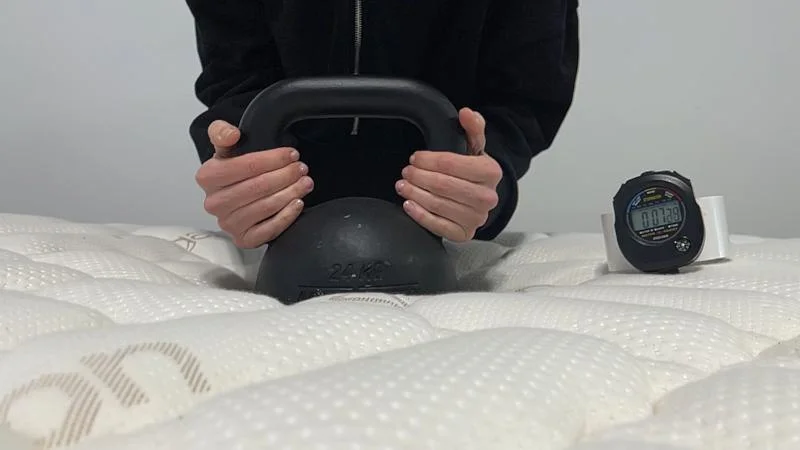
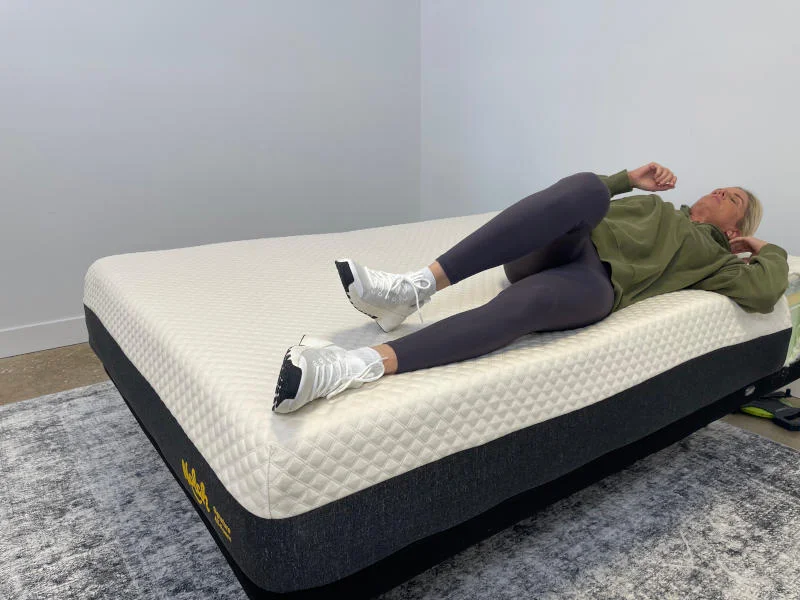
Latex is one of the best materials for responsiveness. It’s naturally buoyant, and when combined with coils, makes for an exceptionally bouncy surface. You’ll notice that all of the beds on this list earned a 5-out-of-5 rating in this category, marking them as great mattresses for sex and combination sleepers.
Durability
Latex mattresses are highly durable and typically last for decades due to their high-quality, long-lasting materials. Natural latex, in particular, has a longer lifespan than synthetic or blended latex and better maintains its shape, responsiveness, and pressure-relieving properties over time. This durability makes latex mattresses worth the higher cost for long-term comfort and support.
Our medical advisor, Dr. Raj Dasgupta, further explains, “Out of all mattress materials, latex tends to be the most durable. These beds often last 10–20 years, making the higher investment worth it in the long term. Natural latex especially retains its shape well and holds its supportive properties without sagging.”
To determine whether a mattress is durable, we take a look at the bed’s materials, of course, but also its edge support. If the perimeter of the bed doesn’t collapse when bearing weight, the rest of the mattress is likely to behave similarly with repeated use. So, a higher edge support score could be a sign of a mattress that won’t sag.
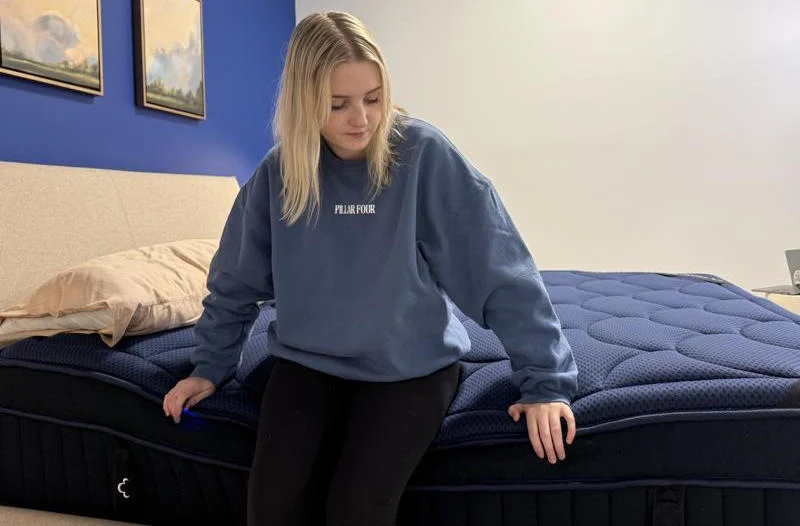
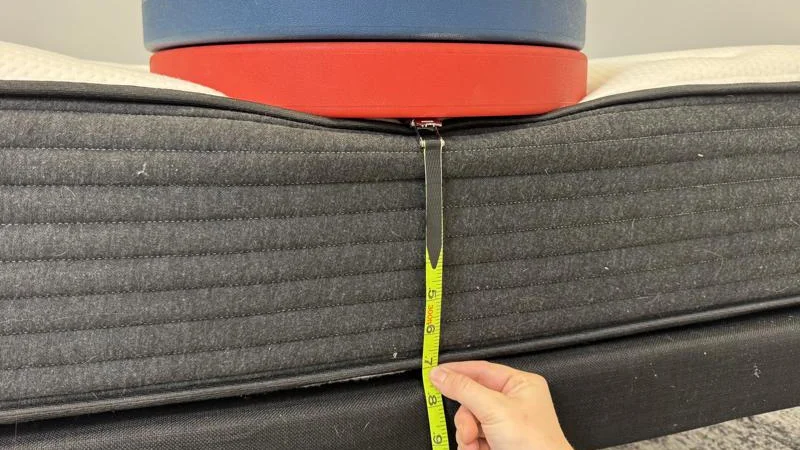
We also review the warranty, which can be an indicator of how long we expect the mattress to last. A longer warranty speaks to a manufacturer’s confidence in a product’s longevity.
Warranty and Sleep Trial
Getting a good warranty and sleep trial is crucial when buying a latex mattress. Most mattress companies offer a sleep trial between 100 to 365 nights, which allows you to test the mattress at home and make sure it’s right for you. If the mattress doesn’t meet your expectations, check the return policy to see how you can exchange it or return it to get your money back.
A 10-year warranty is typical for latex mattresses and covers defects like sagging or manufacturing issues. For extra peace of mind, some brands offer lifetime warranties. Be sure to read the fine print to understand what’s covered and if there are any potential exclusions.
FAQs
What are the benefits of a latex mattress?
Latex mattresses offer several benefits. Latex is a natural material, so it appeals to folks who are looking for an organic bed free of chemicals. It also creates mattresses with a lot of bounce and durability (often beneficial for combination sleepers), and it does a great job of dissipating body heat (which is great for hot sleepers).
Is latex better than memory foam?
Latex isn’t necessarily better than memory foam. The “best” material for a mattress is a matter of personal preference. That said, each material offers its own advantages. For example, memory foam is known for offering plenty of body-contouring and pressure relief. Meanwhile, latex tends to offer more bounce, mobility, and durability than foams, and it also tends to sleep cooler.
Do latex mattresses sag?
Eventually, all mattresses will need to be replaced due to sagging or other wear and tear. In general, latex does prove more durable than memory foam. This is reflected in the fact that latex mattresses tend to offer longer warranties than their foam counterparts.
Are latex mattresses good for back pain?
Latex mattresses are generally good for sleepers with back pain, as they can provide the necessary support and pressure relief in the back, hips, and shoulder regions. The support offered across the spine from latex can make them a great choice for sleepers with back pain. If you want to learn more about mattresses that are good for back pain, you can check out our recommendations for the best beds for back pain.
How durable is a latex mattress?
A latex mattress’s durability is generally dependent on the density of the latex. As I mentioned above, higher-density latex is usually more durable and will last longer than lower-density, softer latex mattresses. However, latex is generally a fairly durable material. I also make sure to look into the warranty for all of the mattresses I review so you can be sure your mattress will be replaced, just in case it begins to deteriorate before it should.
Is latex good for allergies?
Yes! Latex is a great choice for sleepers who struggle with allergies. Natural latex is made with what is essentially a tree sap, making it an organic material that, other than latex allergies, is naturally hypoallergenic. Latex is also exceptionally breathable and naturally porous, meaning that common mattress allergens like dust do not get easily trapped within the mattress.
Sources
- Low, F.-Z., Chua, M. C.-H., Lim, P.-Y., & Yeow, C.-H. (2017). Effects of Mattress Material on Body Pressure Profiles in Different Sleeping Postures. Journal of Chiropractic Medicine, 16(1), 1–9. https://doi.org/10.1016/j.jcm.2016.09.002