
 Mattress Reviews
 Best Mattresses
 Compare Mattresses
 Accessory Reviews
 Sleep Science
 Sleep Disorders
 Sleep Tips
 Health






























Waking up with back pain doesn’t have to be part of your morning routine. If stiffness and soreness are stealing your sleep, your pillow could be part of the problem, but with help from our team, it could become a piece of the solution.
Back pain can derail your entire day, but the right pillow can make all the difference. As Dr. Raj Dasgupta explains, “The right pillow is key to keeping your spine aligned and your neck comfortable while you sleep. If your pillow isn’t doing its job, you might end up with a stiff neck, pain, or just poor sleep, overall.”
Since 2014, we’ve helped more than 60,000 readers sleep better by rigorously testing sleep products that promote comfort and long-term spinal health. Over the past decade, our team has evaluated dozens of mattresses and pillows across key performance categories to identify designs that reduce tension and encourage proper alignment.
We also collaborated closely with our chief medical advisor, Dr. Raj Dasgupta, to ensure every pillow featured here offers the balanced support and restorative comfort needed for sleepers struggling with back pain.
Below is our list of the best pillows for back pain, focusing on options that support healthy alignment and relieve pressure where it matters most.
Sleepopolis’ Best In Rest
The Saatva Latex pillow is the best pillow for back pain because its adjustable, supportive design keeps your head and neck perfectly aligned for comfortable back sleeping (or any position you prefer). Our expert tester praised how plush, breathable, and easy-to-care-for this pillow is, making it a great option for every day use.
The Best Pillows for Back Pain of 2026
- Saatva Latex Pillow – Best Pillow for Back Pain Overall
- Nectar Tri-Comfort Cooling Pillow – Best Cooling Pillow for Back Pain
- Silk & Snow Adjustable Pillow – Best Affordable Pillow for Back Pain
- Birch Latex Pillow – Best Organic Pillow for Back Pain
- Peacock Alley Down Alternative Pillow – Best Pillow for Combination Sleepers with Back Pain
- LUXOME LAYR Customizable Pillow – Best Adjustable Pillow for Back Pain
Top Deals
- Saatva Latex Pillow – $350 Off Mattress Orders of $1,000+
- Nectar Tri-Comfort Cooling Pillow – Save Up to 50% on Mattresses + 66% on Bundles
- Silk & Snow Adjustable Pillow – Up to 20% Off Sitewide | Free Sleep Bundle with Mattress Purchase
- Birch Latex Pillow – 20% Off Sitewide with Code FALLSALE20
- LUXOME LAYR Customizable Pillow – Save Up to 20% on Bedding Bundles, Loungewear, and Weighted Blankets
Disclaimer: Please note that the content in this article is meant for informational purposes only and should not be construed as medical advice or serve as a substitute for seeing a medical professional regarding any sleep problems you may have. Please see your doctor regarding any urgent medical issues.
What I Looked for in the Best Pillows for Back Pain
Using our review methodology, my fellow certified sleep science coaches and I personally tested each pillow over the course of weeks (and sometimes months) to evaluate comfort, support, and durability. For this list, we paid close attention to how well each pillow helped us maintain a neutral spinal position, particularly while lying on our backs.
- Overall Experience: This refers to how comfortable, supportive, and enjoyable the pillow was to sleep on every night. We prioritized pillows that scored at least a 4 out of 5 in this category.
- Materials: We evaluated the quality and construction of the fill used in each pillow. High-quality materials ensure the pillow won’t flatten or fall apart after a few months of use. The pillows on this list earned at least a 3.5 out of 5 or higher in this category.
- Care: We assessed the ease of cleaning and maintaining the pillow over time. Ideally, you should be able to throw a removable cover in the wash and refresh your pillow with minimal effort. We prioritized pillows that received 4 stars or higher in this category.
Best Pillows for Back Pain Video Review
Saatva Latex Pillow – Best Pillow for Back Pain Overall
- Firm, responsive support
- Easy care instructions
- High-quality materials
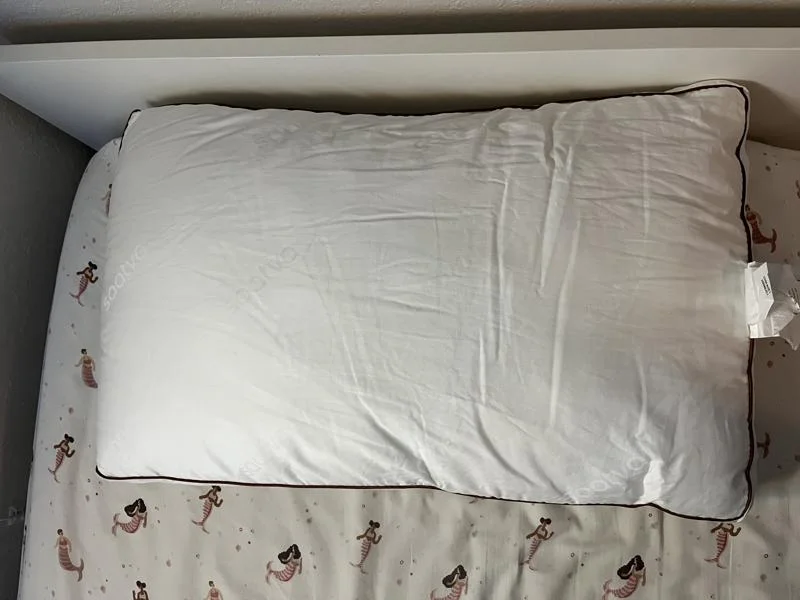
A firm, responsive sleep surface can help sleepers with back pain maintain a neutral position and quickly adjust when they feel uncomfortable. The Saatva Latex Pillow is the perfect match for sleepers with back pain who prefer responsive support. This latex pillow won over product expert Cait Giddings during testing, thanks to its comfortable materials and straightforward care instructions. Cait gave it a 5 out of 5 in experience, materials, and care.
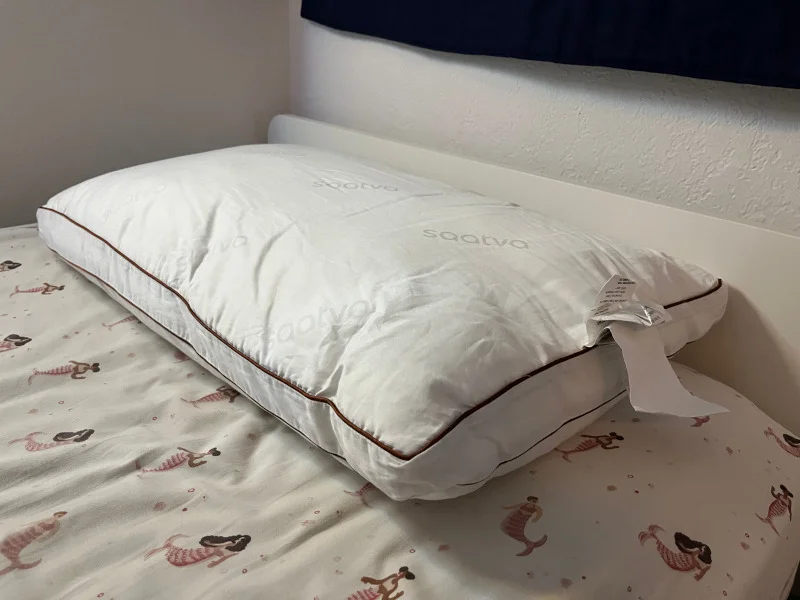
Cait spent a few months with the Saatva Latex Pillow and found that it was an ideal fit for side and back sleeping. Its versatility helped it earn a perfect 5 out of 5 from Cait in this category.
“If you are someone who prefers a firm and supportive pillow, the Saatva flattens down just enough for well-supported back sleeping,” Cait said. “However, I would not recommend this pillow to stomach sleepers, as its loft is likely just a touch too high for them to maintain spinal alignment.”
The malleability of the Saatva Latex Pillow also earned it another 5-star rating for its materials. During testing, Cait described the Saatva pillow as plush, breathable, and impressively strong.
“Saatva uses high-quality materials in its mattresses, and fortunately, that extends to its pillows,” Cait said. “This latex pillow uses organic cotton and features a removable and machine-washable outer fill layer.”
Speaking of machine-washable, care was another category that stood out to Cait. She gave the Saatva Latex Pillow another 5 out of 5 because it was easy for her to wash, refresh, and maintain. That said, only its outer layers are machine-washable; the shredded latex core is not.
The only other drawback of the Saatva Latex Pillow is that it costs $165 for the standard queen-size before discounts. However, this is a great option for sleepers with back pain seeking a supportive and durable pillow.
Saatva Latex Pillow Sleepopolis Scores
Nectar Tri-Comfort Pillow – Best Cooling Pillow for Back Pain
- Temperature regulation technology
- Adjustable firmness
- Soft, smooth feel
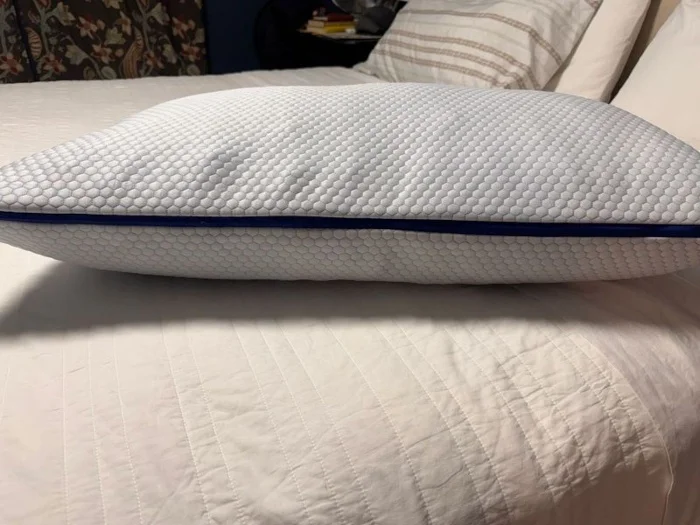
The Nectar Tri-Comfort is a pressure-relieving adjustable pillow with temperature regulation technology that our tester described as “truly cool to the touch.” This sensation earned the Nectar Tri-Comfort a perfect 5 out of 5 in overall experience, as well as our pick for the best cooling pillow for back pain. Our tester added that lying on this pillow is a soft and smooth sensation, providing the right balance of support and comfort.
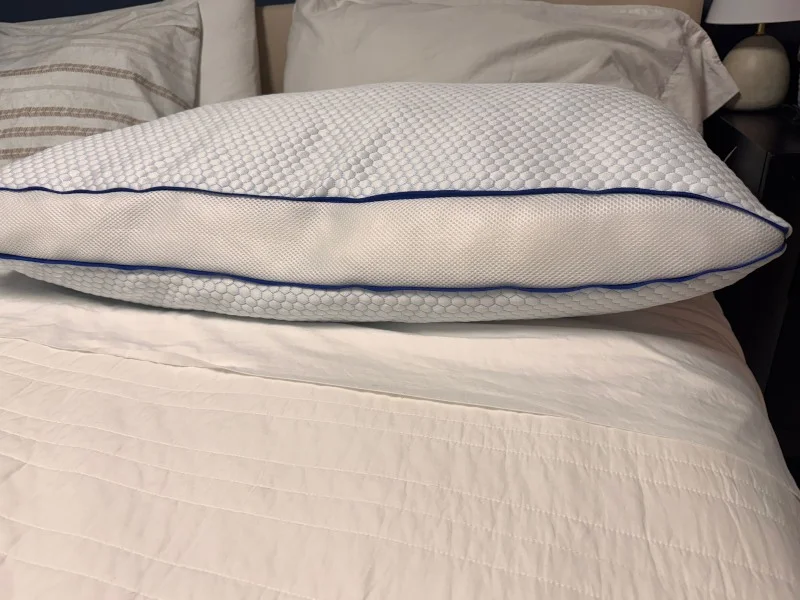
While the cool-to-the-touch feel is the standout feature, our tester also praised the way you can adjust the Tri-Comfort’s firmness by using just the zipper. For the softest setting, you fully unzip; for medium, you unzip half-way, and for firm, you zip it all the way up. “I loved the soft setting on this pillow,” she said. “It sinks just enough to keep my spine aligned and neck comfortable.”
This pillow earned a 4.5 out of 5 for materials, too, because it is plush and comfortable, but also durable, according to our tester. “The cover is soft, smooth, and durable,” she noted. “I am not usually a fan of memory foam pillows, but this one uses memory foam clusters and a microfiber down alternative, which is much more appealing to me.”
As far as cleaning, you can’t put the Nectar Tri-Comfort in the washing machine, which may be a deterrent for some buyers. Because of this, we gave this pillow a 4 out of 5 in the care category. However, our tester says, “I don’t think this would be difficult to spot-clean. Given the material, it shouldn’t stain easily, especially if you get to it quickly.”
The primary drawback of the Nectar Tri-Comfort is the price tag—a set of two costs $129 before any discounts. That said, we feel the price is justified because of this pillow’s versatility and performance.
Nectar Tri-Comfort Pillow Sleepopolis Scores
Silk & Snow Adjustable Pillow – Best Affordable Pillow for Back Pain
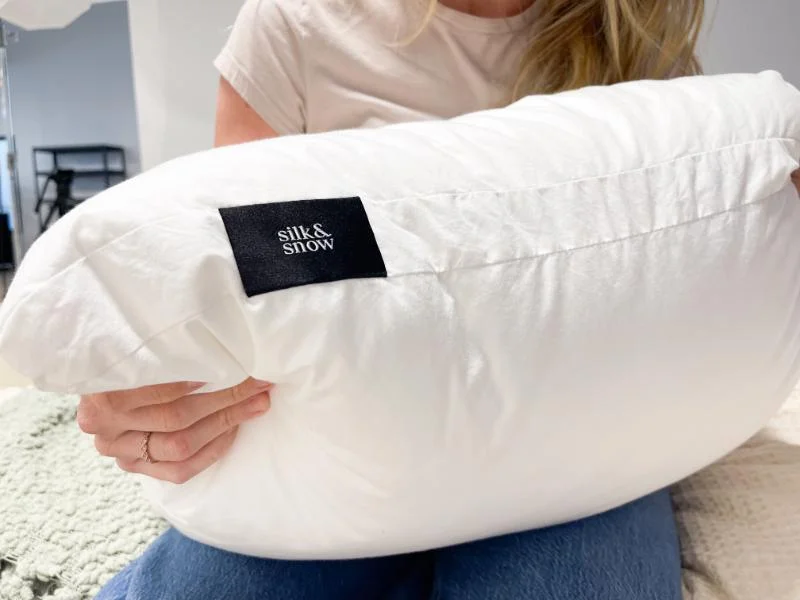
- Adjustable memory foam core
- Plush, luxury feel
- Budget-friendly price
If some of the pillows on this list sound great but don’t fit your budget, allow me to introduce you to the Silk & Snow Adjustable Pillow—you get a luxury-style feel for just $75, earning the pillow a perfect 5 out of 5 in our price category. Despite the lower price point, this Silk & Snow pillow provides exceptional value with customizable firmness and plush, comfortable support.
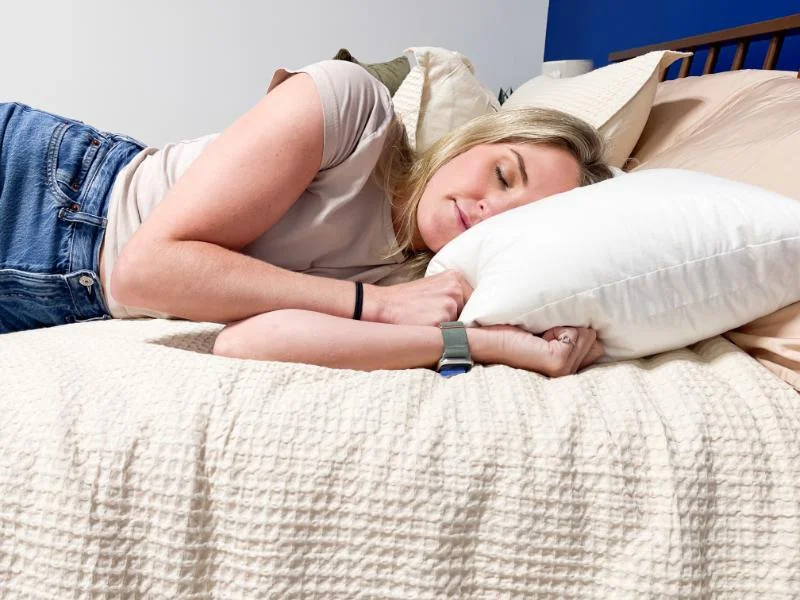
Our tester said the Silk & Snow Adjustable Pillow is one of her favorites. She rated her overall experience a perfect 5 out of 5, adding, “The fill gives it a down-like quality, but it still has amazing support for my head and neck.”
Speaking of the fill, our tester said the shredded memory foam is easy to customize: You simply remove or add handfuls until you find your sweet spot. “Since it’s shredded, I thought the memory foam fill might clump up or go flat,” she said, “But it’s actually really smooth and plush. Plus, the cover feels really cool.” Accordingly, she gave the Silk & Snow pillow another perfect 5-star rating for materials.
Our tester’s main callout for this pillow is the cleaning process. The shredded memory foam shouldn’t get wet, and Silk & Snow suggests spot-cleaning the outer shell and letting it air-dry. Regardless, you’ll need to completely disassemble the pillow for most cleanings, so we gave it a 3-star rating for our care category.
Silk & Snow Adjustable Pillow Sleepopolis Scores
Birch Latex Pillow – Best Organic Pillow for Back Pain
- Organic, GOLS-certified latex
- Supportive and responsive feel
- Adjustable firmness
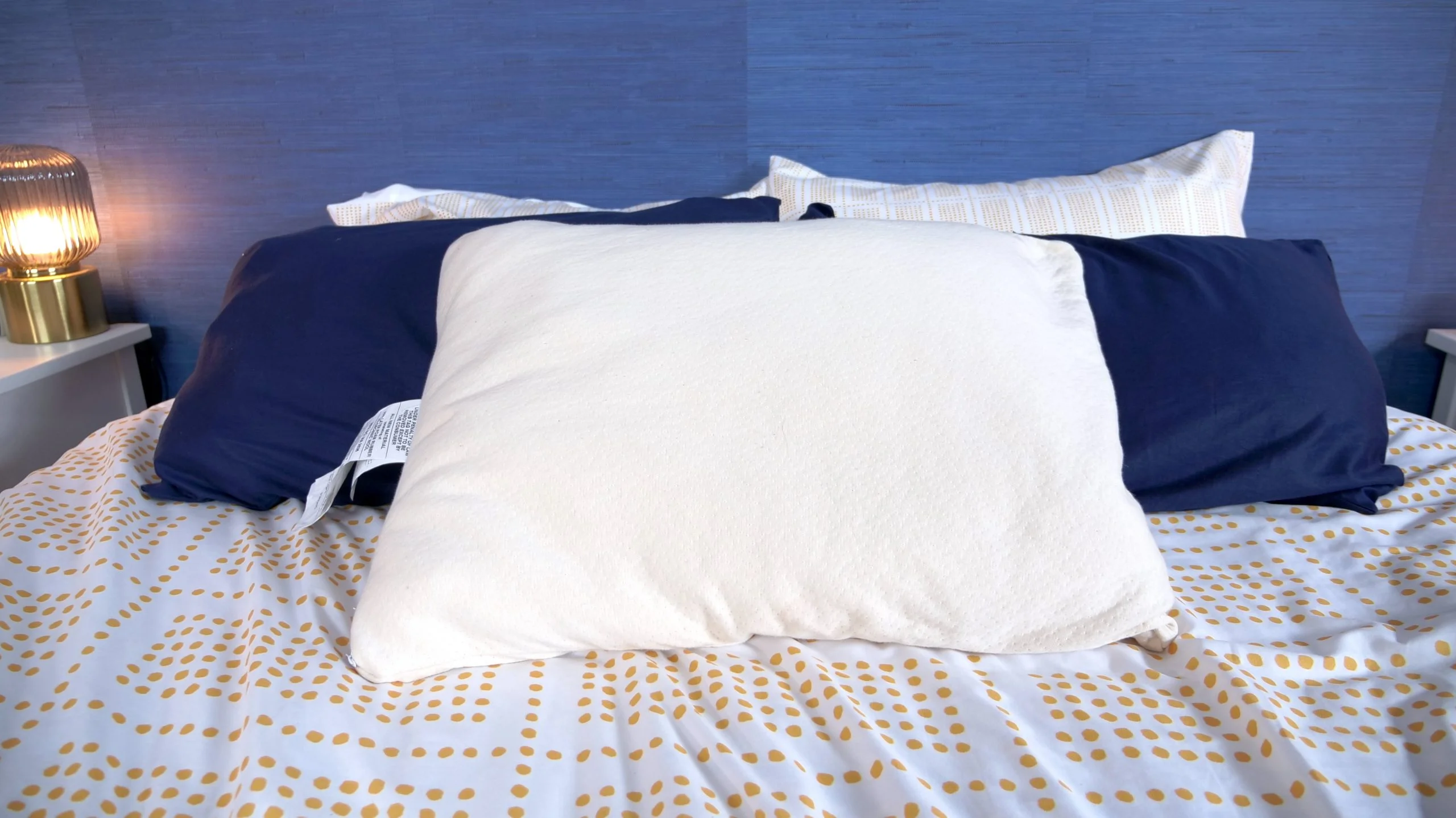
Organic bedding is hypoallergenic, better for the planet, and offers other benefits that can improve your sleep quality. In the case of the Birch Organic Pillow, its GOLS-certified latex provides ample lift to help back sleepers maintain neutral spinal alignment at night. Our in-house product tester awarded the Birch Organic Pillow 4 stars or more in our value and materials categories.
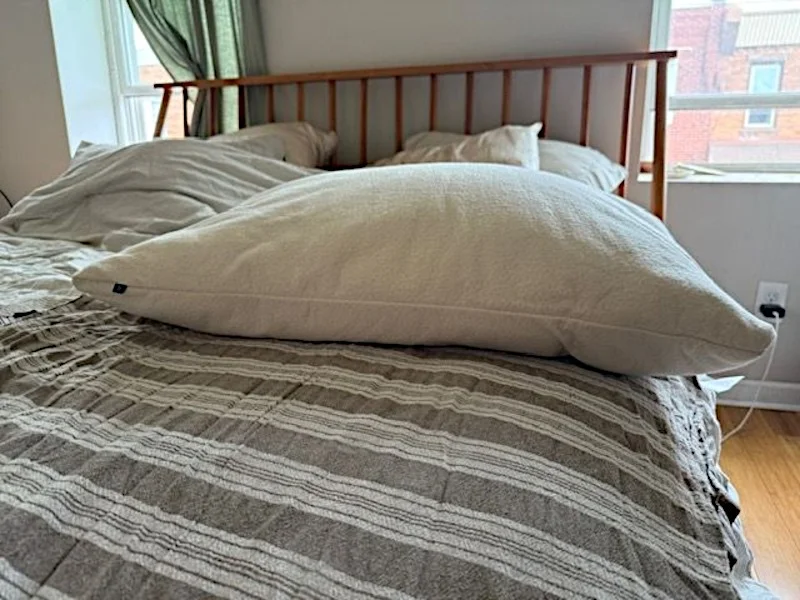
After spending weeks with the Birch Organic Pillow in every sleeping position, our product tester found that it was ideal for back sleeping. The construction of the Birch Organic Pillow provided plenty of responsive support, similar to what our testers find on latex mattresses. Our tester praised the feel of its shredded latex while lying on his back and awarded it a 4 out of 5 in the materials category.
“I would say this pillow is ideal for strict back sleeping,” he said. “I love the cradling feeling of the shredded latex. However, it flattens somewhat as you lie on it, which might bother some folks. I don’t mind it, because it does a great job of keeping my upper body aligned with the rest of me.”
Our product expert was also impressed with how well the Birch Organic Pillow holds up with regular use. Upon feeling its materials, our tester found that the Birch Organic Pillow was designed with longevity in mind. The balance of comfort and durability won it a 4 out of 5 in our value category.
“At full price, the Birch pillow is $200,” our tester said. “However, it feels quite durable, and even somewhat heavy. You can tell Birch uses dense, high-quality materials in the pillow’s construction. I didn’t give it a 5 because it needs some additional features, like maybe some additional fill or an insert to get a ‘firmer’ option.”
Fortunately, Birch often discounts this pillow to $150, which is more aligned with comparable organic options.
Birch Latex Pillow Sleepopolis Scores
Peacock Alley Down Alternative Pillow – Best Pillow for Combination Sleepers with Back Pain
- Supportive and comfortable in every position
- Hypoallergenic down alternative fill
- Machine-washable design
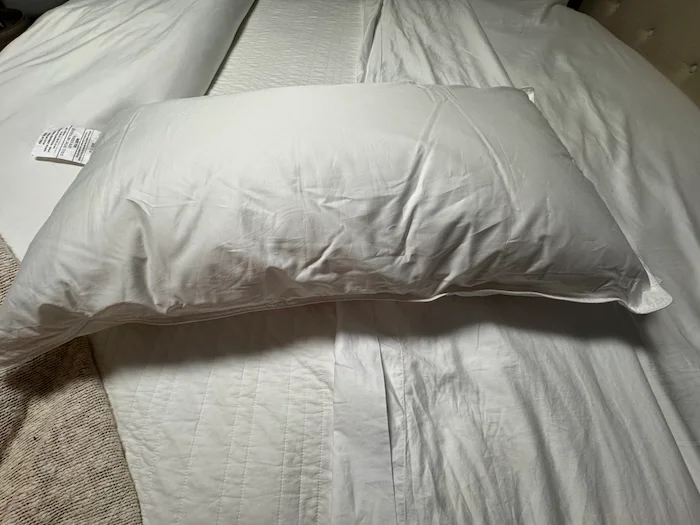
The Peacock Alley Down Alternative Pillow is my pick for combination sleepers with back pain, as it is supportive and comfortable in every position. According to product tester Sosha Lewis, it struck the right chord no matter how she slept. Sosha gave this pillow a 4.5-star rating or higher across our key categories for pillows: experience, materials, and care.
“I knew we were going to have a great love story the minute I took it out of its packaging,” Sosha said. “I’ve now snuck the one from my husband’s side of the bed and replaced it with an inferior pillow so I can use both.”
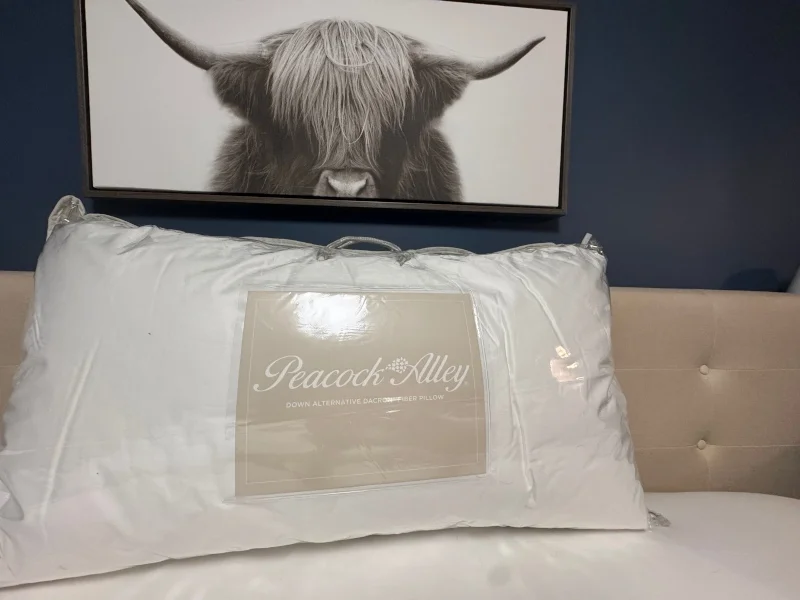
Unsurprisingly, Sosha awarded the Peacock Alley Down Alternative Pillow a perfect 5 out of 5 for experience and materials. She noted that the pillow’s goose-down alternative fill offers a hypoallergenic, cloud-like sleep surface. Moreover, it maintains its shape night after night, and its outer cover feels durable and built to withstand wear and tear.
“I’m a side sleeper and prefer them for this position,” she said. “It’s a higher pillow that allows just the right amount of sinkage to align your spine and eliminate tension build-up. I also found it surprisingly comfy for stomach and back sleeping because it lets you sink just enough without throwing your head and neck out of alignment.”
According to Sosha, this pillow is a must-have for combination sleepers who want to experience hotel-like comfort every night. No matter what position she slept in, the Peacock Alley Down Alternative Pillow was able to meet the moment.
Sosha also awarded the pillow a strong 4.5 out of 5 for care. While the pillow is machine-washable, Peacock Alley recommends laundering it in a commercial washer or opting for professional cleaning due to its size and density. Sosha also appreciated that Peacock Alley provides an online care guide.
Peacock Alley Down Alternative Pillow Sleepopolis Scores
LUXOME LAYR Pillow – Best Adjustable Pillow for Back Pain
- Easily adjustable fill
- Breathable material
- Comfortable for all sleeping positions
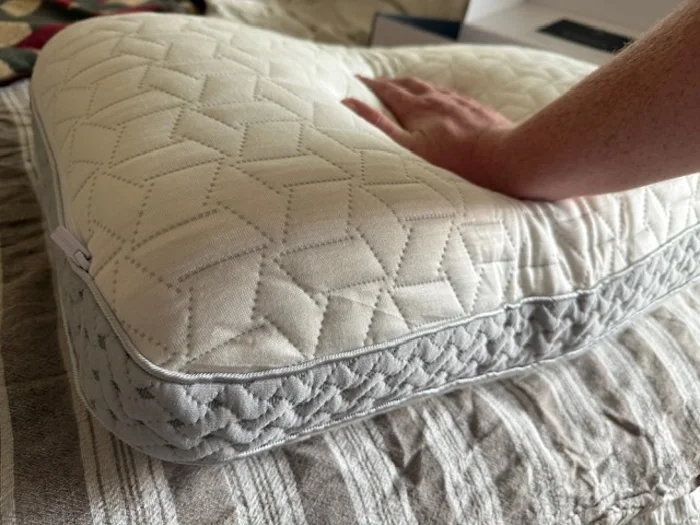
The LUXOME LAYR pillow is our top pick for an adjustable pillow to relieve back pain because its premium design makes back sleeping a luxurious experience. During his at-home testing trial, our product expert loved this pillow for its adjustable fill, breathability, and ease of care. Our tester rated the LAYR a 4.5 out of 5 or higher in our materials, experience, and care categories.
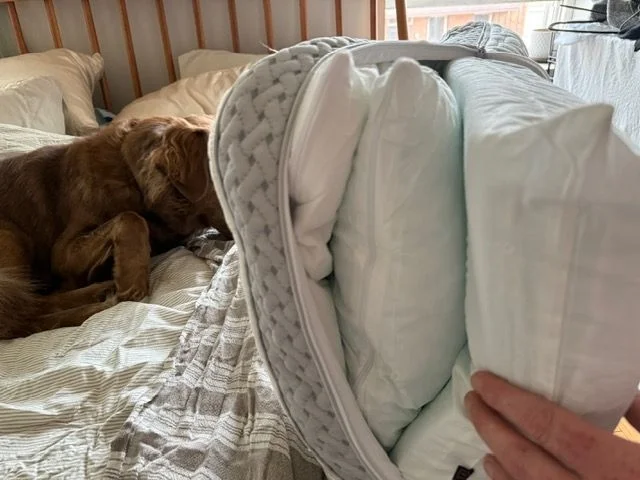
Among its many high scores, the perfect 5-star experience rating stood out the most. It earned a 5 out of 5 in this category because its adjustability makes it easy to adapt for any sleeper, regardless of their preferred sleeping position. During testing, our expert preferred it for back sleeping.
“Back sleeping with this pillow is divine,” our tester said. “My head feels cradled and supported. This pillow is like a Sleep Number for your head.”
Our product tester was also impressed by the luxurious and high-quality feel of the LUXOME LAYR, awarding it a 4.5 out of 5 in this category.
“This pillow felt very comfortable right away,” our tester said. “It feels durable without being stifling. With this pillow, LUXOME has balanced being sturdy and tear-resistant with breathability enough for hot sleepers.”
After washing the pillow cover and insert covers, he noted that the materials showed no signs of wear and tear after repeated cycles. The easy-to-wash cover and insert covers helped this pillow earn another 4.5 out of 5 rating in the care category. The instructions were easy to follow and clearly laid out on the LUXOME website and on the LAYR pillow packaging. The cover and insert covers are all machine-washable.
The LAYR is a great pillow, performing well across our testing categories. However, our tester noted that stomach sleepers may experience neck pain or tension. He also docked half a point in the care category because the pillow stuffing was not machine-washable; only the covers were.
LUXOME LAYR Pillow Sleepopolis Scores
Other Pillows I Considered
If none of the back pain pillows on this list are speaking to you, consider one of these runners-up. These pillows are excellent options for back sleepers experiencing back pain; however, due to minor drawbacks, they just missed making it onto the final list.
Bear Contour Pillow
The Bear Contour Pillow is a solid option for back pain that impressed our experts during testing. The Contour Pillow features an ergonomic U-shaped design that helps cradle the head while supporting the neck and shoulders to support spinal alignment. We also appreciated its cool-to-the-touch surface and supportive loft, earning it a 4 out of 5 for both materials and overall experience. However, it didn’t make our main list due to a few practical drawbacks: the pillow lacks a removable cover, is spot-clean only, and doesn’t fit easily into standard pillowcases.
Helix GlacioTex Cooling Memory Foam Pillow
The Helix GlacioTex Cooling Memory Foam Pillow is a strong contender for people with back pain who prefer a supportive, firm pillow. Its solid memory foam core and contoured shape provided our testers with consistent head and neck support, which can help promote proper spinal alignment and reduce pressure for back sleepers. However, its dense, bulky construction can make repositioning challenging, and it is on the pricey side.
How We Picked and Tested These Pillows
If you suffer from back pain, the right pillow can make a significant difference in how you sleep. Our team tested popular, highly-rated options on the market to identify the best pillows for back pain. We evaluated everything from comfort and support to materials, care, and value.
Overall Experience
Our product testers slept with every pillow for multiple nights (sometimes weeks and months) to determine how they would perform over time. During this time, we evaluated how it felt in various positions (especially on our backs) and whether it provided enough support without sacrificing comfort to ensure that we woke up pain-free. Another factor we paid attention to was whether it was easy to settle into.
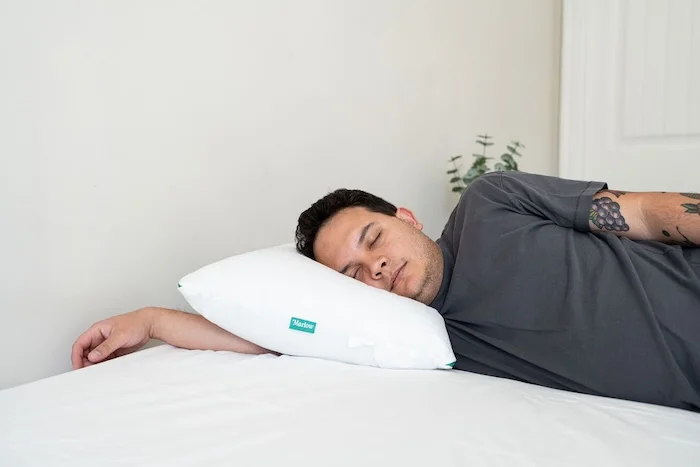
We took points off the final rating if the pillow had to be constantly fluffed and adjusted. Pillows that felt comfortable all night long and made us look forward to crawling into bed are the ones that landed on this list.
Materials
Sleepers with back pain need a pillow that maintains its shape over time. If your pillow begins to sag or loses its shape, then it could throw off your spinal alignment and lead to pressure build-up in your back.
During testing, our product experts thoroughly assess the construction of each pillow to see if it can withstand regular use. We also factored third-party certifications, hypoallergenic properties, and cooling features into the scores.

Care
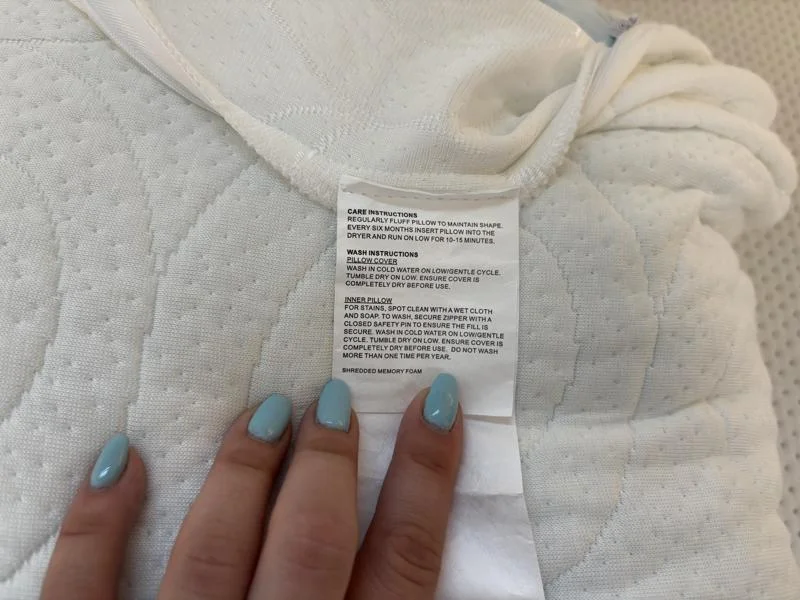
Great pillows for back pain should ease tension at night and on laundry day. For this reason, we prioritized pillows that included removable, washable covers and fills. The models that could be machine-washed or came with straightforward spot-clean instructions generally received higher scores during testing.
What to Consider When Buying a Pillow for Back Pain
The right pillow for back pain should support proper spinal alignment, reduce pressure build-up, and maintain its structure over time. Beyond feel and durability, several key factors can impact how well a pillow supports your neck, shoulders, and spine. The considerations below can help you further narrow down your options and find a pillow that truly supports back pain relief.
Loft and Firmness
Loft and firmness play a crucial role in how well a pillow supports spinal alignment, which is particularly important for sleepers struggling with back pain. Loft refers to the height of the pillow, while firmness describes the resistance it provides under the weight of your head and neck.
As Dr. Raj Dasgupta explains, “A medium-loft pillow with balanced firmness often works best for back sleepers and those with back pain, as these pillows should help them maintain a neutral neck position.”
These pillows typically hit the sweet spot for keeping the head aligned with the spine without pushing it too far forward. If your pillow is too low or soft, it may allow the neck to collapse, while one that’s too high or firm can create strain in the neck and upper back.
An adjustable pillow can offer an advantage here, especially if you’re still figuring out what loft and firmness work best for your body. These pillows typically include removable fill or inserts, allowing you to customize the height and support level to your exact needs.

Certifications
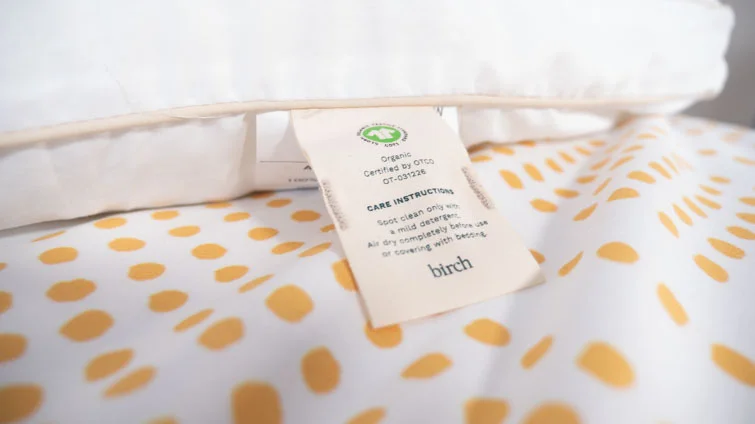
Third-party certifications can offer valuable insight into a pillow’s safety, quality, and durability. For example, GOTS, OEKO-TEX, and GREENGUARD indicate that materials are free from harmful chemicals, offer better overall product safety, and are generally well-made. These certifications help ensure the materials won’t break down quickly or expose sleepers to potentially irritating substances.
Warranty
A strong warranty and return policy are must-haves when purchasing a pillow for back pain, since comfort and lumbar support are highly personal. Even well-designed pillows can feel different once you have slept on them for a few nights. A generous sleep trial allows you to truly evaluate whether the pillow improves your alignment and reduces discomfort.
A solid warranty also represents a brand’s confidence in its materials and construction. Generous sleep trials and warranties provide you with peace of mind that your investment is protected if the pillow has defects or sags prematurely.
Best Pillows for Back Pain FAQs
What is the difference between a regular pillow and a pillow for back pain?
The best pillows for back pain are models that help you achieve neutral alignment and targeted support for the head, neck, and shoulders. Pillows for pain relief are often contoured, firmer, or adjustable to maintain a neutral sleeping position.
Where can I find a pillow for back pain?
Many of the brands featured on this list offer pillows specifically designed to support back pain. You can also find options on Amazon, but be sure to read customer reviews carefully to gauge long-term support and durability.
What type of pillow is best for back pain?
Pillows with an orthopedic design tend to work best for back pain, as they help maintain your body’s natural curve. Materials like shredded memory foam and latex are especially popular because they offer both support and adjustability.
Is stomach sleeping bad for back pain?
Stomach sleeping can contribute to back pain without proper support because it often places the spine in an unnatural position. To achieve better alignment, sleepers typically need more elevation at the hips, which can be difficult to maintain consistently.
Are firm or soft pillows better for back pain?
Proper alignment matters more than firmness alone, but medium-firm to firmer pillows are generally better for back sleepers and people with back pain.
What else can I do to help with back pain?
In addition to using a supportive pillow, physical therapy can help address underlying muscle imbalances and improve posture. Stretching, strengthening exercises, and professional guidance can all help with long-term pain relief.