
 Mattress Reviews
 Best Mattresses
 Compare Mattresses
 Accessory Reviews
 Sleep Science
 Sleep Disorders
 Sleep Tips
 Health

























Whether you have heard the term “sheet pilling” or not, if you’ve used your favorite sheets long enough, you’ve probably seen it. Put simply, sheet pilling happens when the fibers in your sheets break down, making them feel rougher and less comfortable while looking worn out and ragged. You’ll often also start to see small, fuzzy balls of fabric on your sheets, a clear sign you have a “sheet pilling” problem.
From the cheapest generic sheets to some of the higher-end ones, sheet pilling can affect any bedroom set if they don’t properly care for their linens. In this article, I’ll explain everything I think sleepers should know about sheet pilling, how to prevent it, and how to deal with it when you start to notice it.
Why Are My Sheets Pilling?
Cheaper fabrics, long-term use, short-staple cotton (which has shorter fibers), or careless cleaning (harsh laundering) can all cause sheet pilling. In general, anything that causes friction or wear can cause sheet pilling. However, cheaper linens that use synthetic fibers or have a lower thread count woven with weaker threads can definitely make sheet pilling much more likely to happen, and sooner rather than later.
Sheet Types Most and Least Likely to Pill
Generic cotton sheets with multi-ply short fibers and loose fiber ends are highly susceptible to pilling. Sheets made with cheap polyester and synthetic threads may be more durable than generic cotton, but they also pill and can form stubborn, hard-to-remove pills. Furthermore, poorly made fabric mixes, such as polyester-cotton blends that combine strong and weak materials, can create pill ball clusters by more readily trapping loose lint during washing. Finally, while some sateen sheets are considered higher-end or have a luxury reputation, if you opt for cheaper or low-quality cotton Sateen, you may notice pilling fairly quickly.
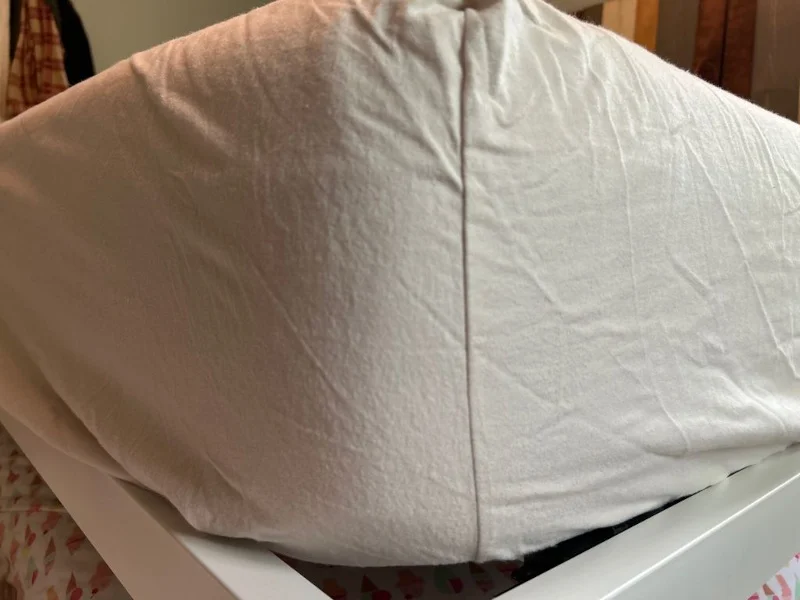
By contrast, long-staple cotton, such as Egyptian (the most famous) or Supima cotton, uses ultra-long fibers that leave virtually no loose ends and, with the right care, are far less likely to pill. While many sleepers use “linens” to mean all sheets, actual flax linen sheets are made from flax plant stalks. These fibers are much longer, thicker, and tougher than cotton, and are known to rarely pill. Another common example of great pill-resistant sheets is bamboo, also referred to as Rayon, which is naturally friction-resistant and less prone to pilling.
Tips to Prevent Sheet Pilling
Mindful Cleaning and Laundering Tips
- The right detergents: Gentle detergents are easier on your sheets than standard powder detergents (undissolved powder particles can rub abrasively against fabric threads) or harsh detergents, which can break down fibers more quickly.
- Avoid standard fabric softeners: Some fabric softeners coat your sheets’ threads with chemicals that cause them to fray and break down more easily, leading to faster pilling. A quality, sustainable alternative is dryer balls.
- Be gentle: Choosing the gentle cycle on your washing machine can help reduce friction, preventing fibers from rubbing together and turning into pill balls or knots.
- Don’t overload your washer: Cramming your washer with all your clothes and sheets together can also cause friction that leads to pilling. Leave some space when washing bedsheets or pillowcases, and definitely avoid adding rougher materials in the wash cycle, such as denim or heavier towels.
- Dry on low heat or hang-dry: Heat can damage the fiber’s elasticity, making threads more brittle and worn out. Consider taking your sheets out before they are fully dry and hang-drying them to keep their elasticity and original shape.
Your Sleeping Habits and Bedroom Care
- Wearing socks or pajamas: Calluses, stubble, and rough skin can act like sandpaper on some sheets. Wearing socks or pajamas can reduce pilling created by friction during sleep, especially if you tend to toss and turn. I suggest choosing softer sleepwear materials to prevent fabric-on-fabric friction and, of course, to feel more comfortable.
- Rotating your sheets: Alternating sheet sets gives one set time to rest and reduces wash cycles that cause pilling. If multiple sheet sets seem out of your budget, consider checking out our top picks for budget-friendly sheets.
- Mattress Protectors: Using a mattress protector can help reduce constant friction between your sheets and the textured/rough surfaces of some mattresses.
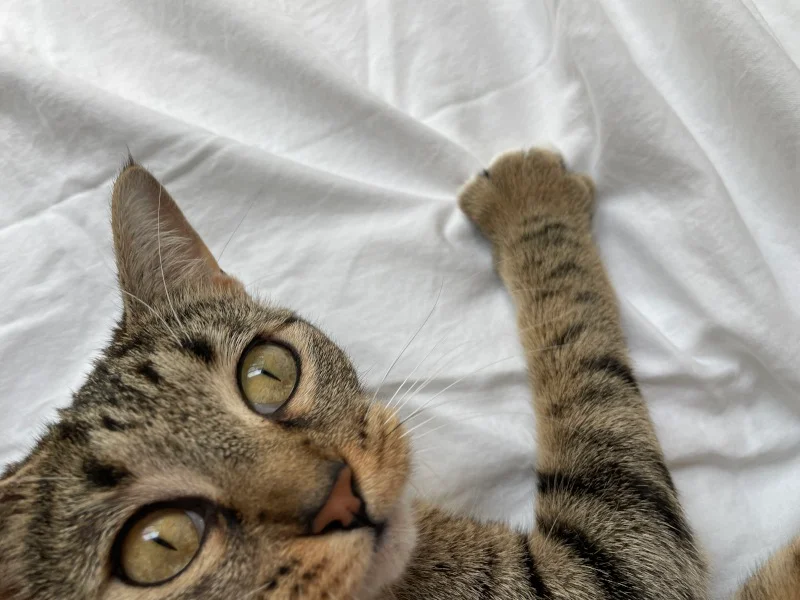
- Keep an eye on your pets: Whether it’s your dog jumping into bed or your cat scratching at your sheets, watching your pet’s behavior around them can help prevent pilling.
Ways to Fix Pilling Before It’s Too Late
Even if you’ve seen pilling start in your sheets, you may not need to replace them; here are some tips to fix the issue safely before it gets worse.
- Scissors: You can use scissors to simply cut the pills off your sheets. But be extremely careful not to cut holes in your sheets.
- Lint rollers (for light pilling): A lint roller can remove loose fuzz or lint on the surface, which can help prevent buildup that leads to pilling, but it is not efficient at pulling off anchored fabric pills.
- Fabric shavers: Like an electric shaver for your sheets, a fabric shaver removes pilling balls without damaging your sheets.
- Disposable razors: Gently running a razor down the surface of your sheets can get rid of some pills. However, like scissors, it’s important to be very gentle to avoid damaging the fabric.
- Sweater comb or pumice stone: These tools work best on heavier sheets like flannel, but they can brush away some pill clusters and pose little risk of damaging the fabric, especially compared to scissors or razors. I suggest trying this out before scissors or razors.
Signs It’s Time to Replace Your Sheets
- Pill removal results in fabric thinning or deterioration: If your sheets begin micro-tearing, thinning, become visibly see-through, lose their structural integrity, or tear when de-pilling, it’s likely time for a new set.
- Shaving and de-pilling cause roughness: If using a razor or electric fabric shaver starts to cause your sheets to feel scratchy and rough due to the fabric being too frayed, the sheets may lose their smoothness or comfort to a point where you’ll want a new set. This is especially the case when your sheets become so scratchy or irritating that you begin to feel it disrupting your sleep.
- Loss of airflow and increased heat retention: If you’re using sheets made of synthetic fibers and they are so tangled with pill clusters that you notice your sheets begin trapping your body heat, this is a sign you should replace them. This is especially true if you’re a naturally hot sleeper seeking more breathable sheets.
- Unusable fitted corners: If the pilling and fabric degradation have gotten to a point where the elastic corners are no longer snagging on your bed’s corners and constantly popping off, it may be time to look into a new set. This will be a very obvious issue.
Better Sheet Choices to Prevent Pilling in the Long Term
As I wrote earlier, sheets made from long-staple cotton, such as Egyptian cotton, woven with single-ply threads are far less likely to pill over time (with the right care routine) than cheaper short-staple fibers and cotton or synthetic-fiber and microfiber sheets.
So, when shopping for your new duvet cover, fitted sheet, or an entirely new set, especially if you’re prioritizing breathable cotton, it’s good to look for not only Egyptian cotton, but also Supima or Pima cotton.
However, I want to warn shoppers that high thread count does not mean it is necessarily better. Because high-thread count sheets have a reputation for being more luxurious, cheaper or synthetic-fiber-based sheets sometimes inflate their thread count to mimic high-quality sheets, while you’re still dealing with fabric that is likely to cause fuzz balls or intense pilling over time.

For cotton alternatives, I would suggest flax-based fiber (real linen) sheets or bamboo-based sheets. Additionally, aim for percale weaves (criss-cross weaving thread patterns) for more durability, and consider reviews or details of weave quality in general before deciding on the right bedding set.
These types of sheets may cost a bit more (or a lot, depending on your choice) than cotton-polyester blends or cheaper sheet sets, but they’ll likely be worth the slightly higher price in the long term, especially when it comes to reliable softness and anti-pilling. So next time you’re checking the tags of Percale or flannel sheets, really double-check the cotton quality and type, and dive a little deeper into the descriptions of the sheets you’re looking at by finding their specifications on their website, or asking a retail worker if you’re looking in-store.
FAQs
Why are my bed sheets pilling?
Your sheets may be pilling from the friction of tossing and turning at night, from being made from cheaper materials like short-staple cotton or polyfibers, or from not following proper fabric care instructions. These are some of the most common reasons for sheet pilling.
What types of sheets are most likely to pill?
Short-staple, low-quality cotton sheets and polyfiber or other synthetic fiber sheets are more likely to pill than higher-end sheets made of Egyptian cotton or bamboo fibers.
Can washing and drying cause sheets to pill?
Yes, this is a key driver of faster sheet pilling. Powder detergents, overpacked laundry loads, and aggressive cycles, or high-heat drying instead of tumble drying or air drying, are all potential culprits. I suggest using more natural or less harsh liquid detergents, washing with cold water, and tumble drying on low heat or air drying to help prevent laundry-related pilling.
Furthermore, hot washing may not directly cause pilling as much as high-heat drying, but it can cause both synthetic and natural fibers to degrade and become more susceptible to pilling regardless of staple length.
How can I prevent my sheets from pilling?
Prioritize gentle laundry cycles with less intense heat-based drying. Furthermore, consider wearing soft pajamas, or buying sheets made of materials less prone to pilling from the get-go (Egyptian cotton, Pima cotton, or flax-based or bamboo-based fibers).
Can you remove pilling from sheets once it starts?
Yes, you can remove pilling in many cases when you’ve started to notice it. Fabric shavers are a great tool for this. However, as long as you’re careful, razors and scissors can also be used to remove pilling. Afterward, a lint roller can help pick up the loose surface fuzz left behind.