
 Mattress Reviews
 Best Mattresses
 Compare Mattresses
 Accessory Reviews
 Sleep Science
 Sleep Disorders
 Sleep Tips
 Health













The right mattress for your tiny human should support healthy sleep as they grow, recharge, and take on busy days. With so many options to choose from, it can be challenging to know which ones deliver on quality, durability, and kid-friendliness.
Fortunately, our team of certified sleep science coaches has done the legwork for you.
We personally tested every mattress on this list, and evaluated everything from support and pressure relief to ease of setup and overall value. We’ve narrowed it down to the standouts that truly impressed us. Read on to see which mattresses made the cut, and which one might be the perfect fit for your kid.
Sleepopolis’ Best In Rest – Mattresses for Kids
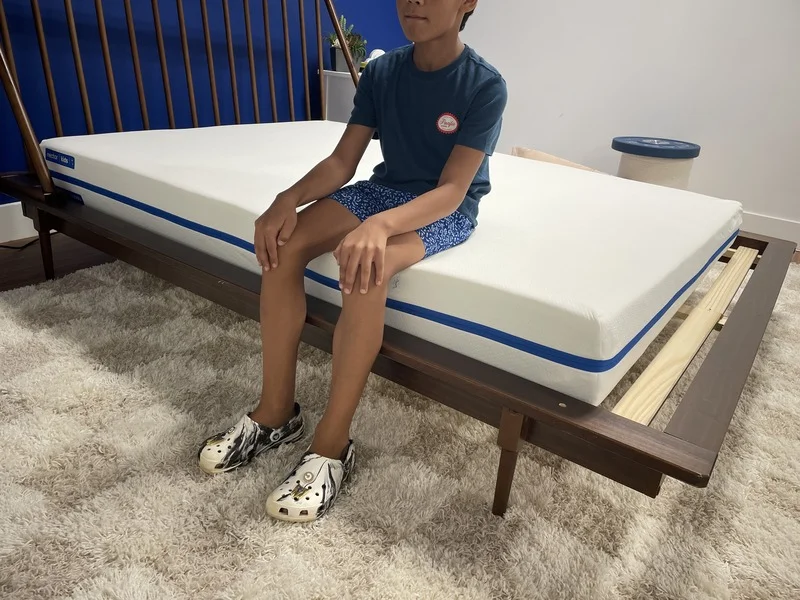
The Helix Kids mattress is our top pick because it strikes the perfect balance of support and pressure relief for growing children. This flippable mattress grows with your child, starting with a firmer feel for little ones (ages 3 to 7), then switching to a slightly softer side as they get older (8 to 12). Throw in high-quality materials, impressively strong edge support, and above-average cooling, and you have a mattress built to keep up with active kids for many years.
The Best Mattresses for Kids of 2026
- Helix Kids Mattress – Best Overall Mattress for Kids
- Nectar Kids Mattress – Best Memory Foam Mattress for Kids
- Saatva Youth Mattress – Best Hybrid Mattress for Kids
- Bear Cub – Best Cooling Mattress for Kids
- Leesa Kids – Best Soft Mattress for Kids
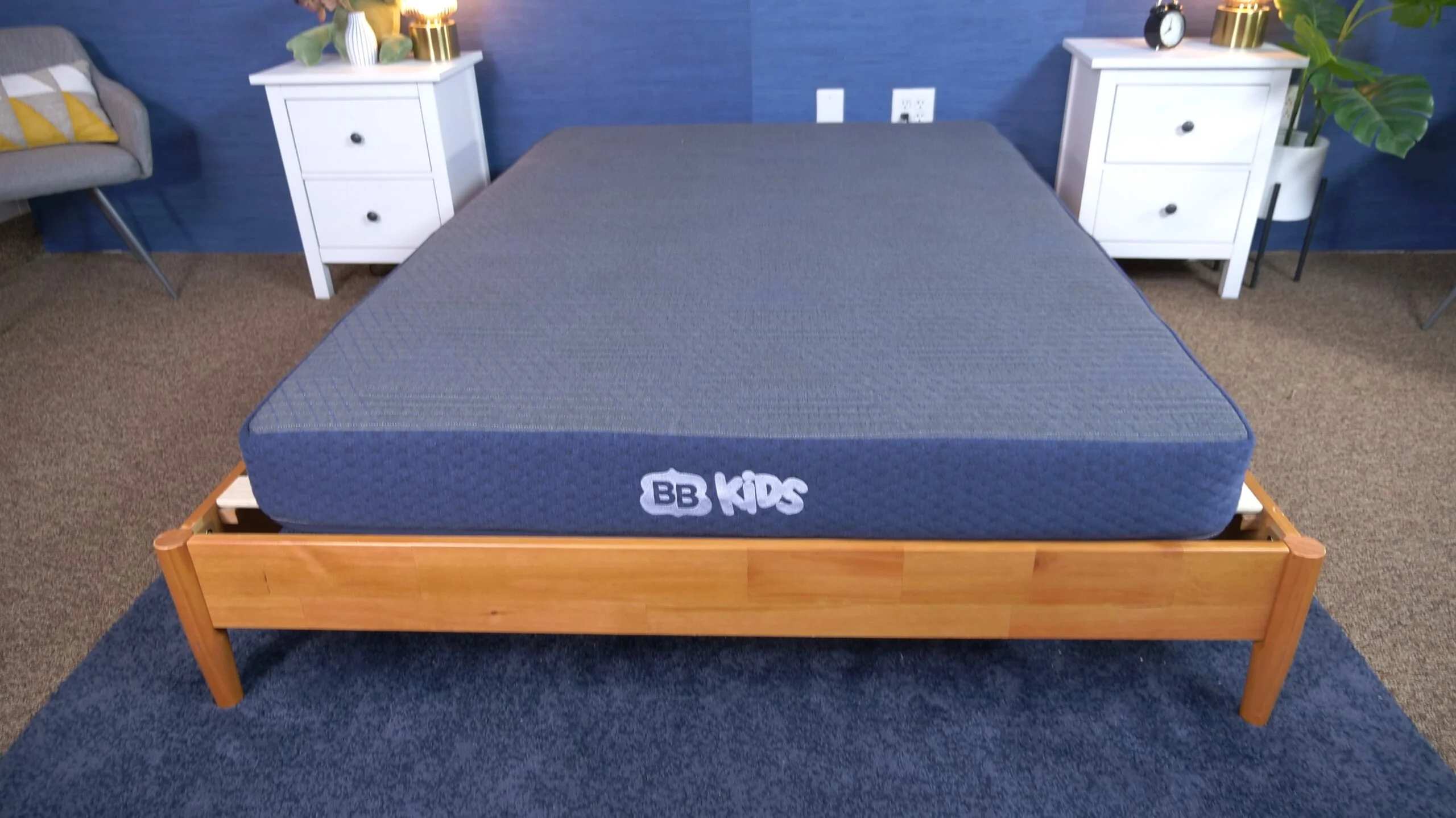
- BB Kids – Best Budget Mattress for Kids
- Birch Kids Natural – Best Hypoallergenic Mattress for Kids
- 5 Little Monkeys Mattress – Best First Big-Kid Mattress
Top Deals
- Helix Kids Mattress – 20% Off Sitewide with Code FALLSALE20
- Nectar Kids Mattress – Save Up to 50% on Mattresses + 66% on Bundles
- Saatva Youth Mattress – $350 Off Mattress Orders of $1,000+
- Bear Cub – 40% Off Sitewide with Code SLEEPOPOLIS40
- Leesa Kids – Up to 30% Off Mattresses and 31% Off Mattress + Adjustable Base Bundle; 25% Off Bedding & Furniture
Disclaimer: Please note that the content in this article is meant for informational purposes only and should not be construed as medical advice or serve as a substitute for seeing a medical professional regarding any sleep problems you may have. Please see your doctor regarding any urgent medical issues.
How We Picked the Best Mattresses for Kids
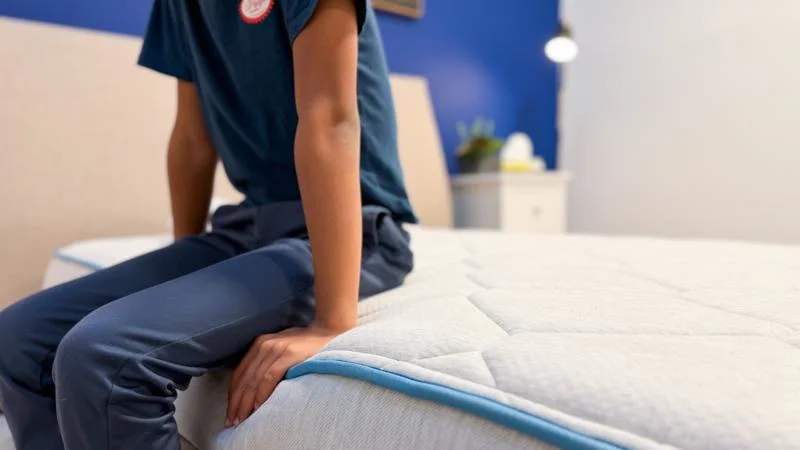
A reinforced perimeter prevents premature sagging and helps the mattress maintain its shape and stability over time. Strong edge support also increases the usable sleep surface, so kids can comfortably sit or stretch out without feeling like they might slide off. The majority of mattresses on this list earned at least a 4 out of 5 in this category.
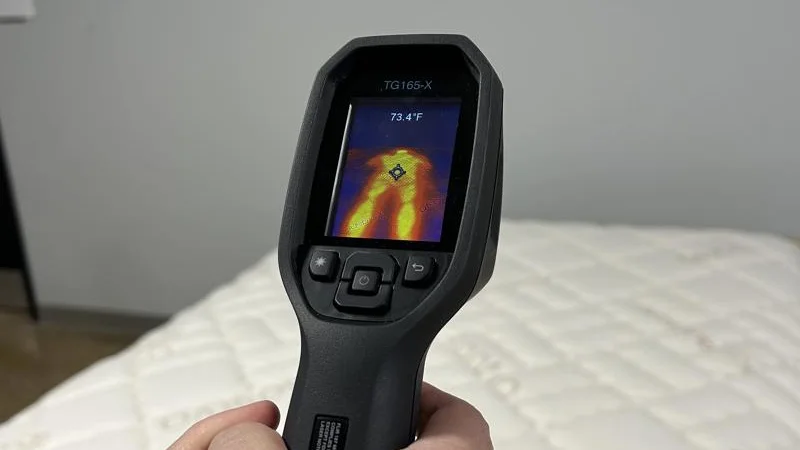
Cooling features, like gel-memory foam and breathable mattress covers, help regulate temperature, preventing your kids from overheating while they sleep. These features are essential for keeping them comfortable through the night, especially in warmer climates or during hotter times of the year. For this list, we prioritized mattress models that scored a 4 out of 5 or higher in this category.
Pressure relief refers to how well a mattress eases tension in areas that are prone to aches and pains (for example, the hips, shoulders, and lower back). If your child typically sleeps on their side, they might experience more pressure buildup around their shoulders and hips than other sleepers. Most of the mattresses on this list earned at least a 4 out of 5 in this category.
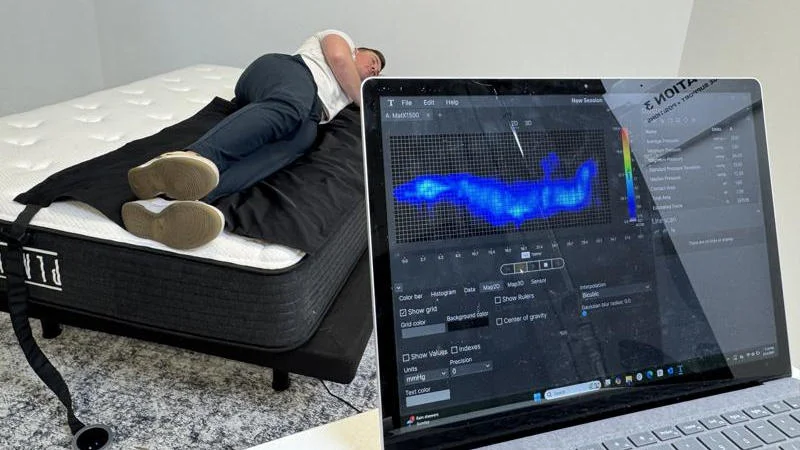
We’ve developed a rigorous testing methodology that tells us how each mattress performs and who it might be a good fit for. All of the beds on this list have been evaluated for pressure relief, cooling abilities, responsiveness, edge support, and much more.
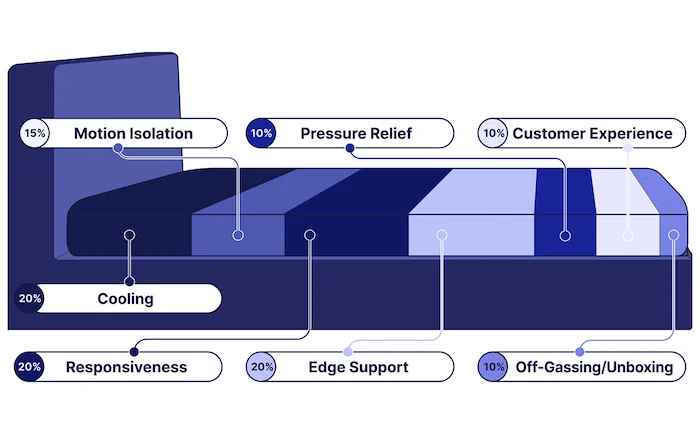
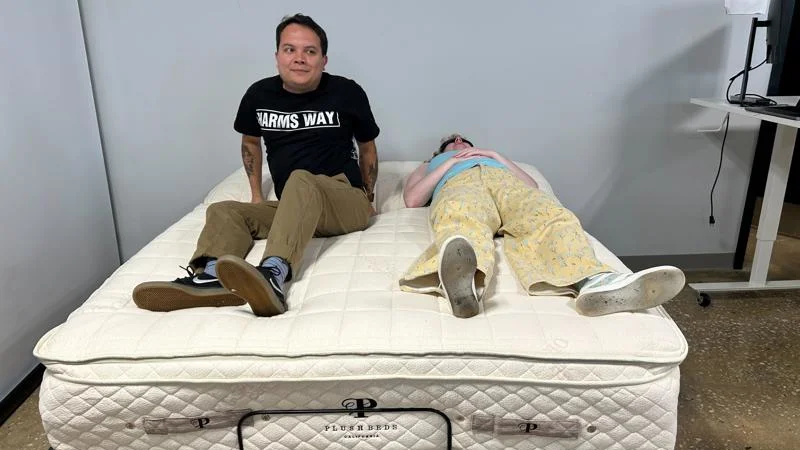
Our team of certified sleep science coaches has tested more than 500 mattresses over the last decade, allowing us to guide more than 145,000 people to the best mattress for them. Not only do we use and evaluate these products ourselves, but we also consult with doctors and other professionals to ensure we keep up to date with the latest in sleep science and medicine. For example, Dr. Joe Tedesco (DPT, OCS, ATC, CSCS) comes into our studio to personally test mattresses and give a medical perspective on each product.
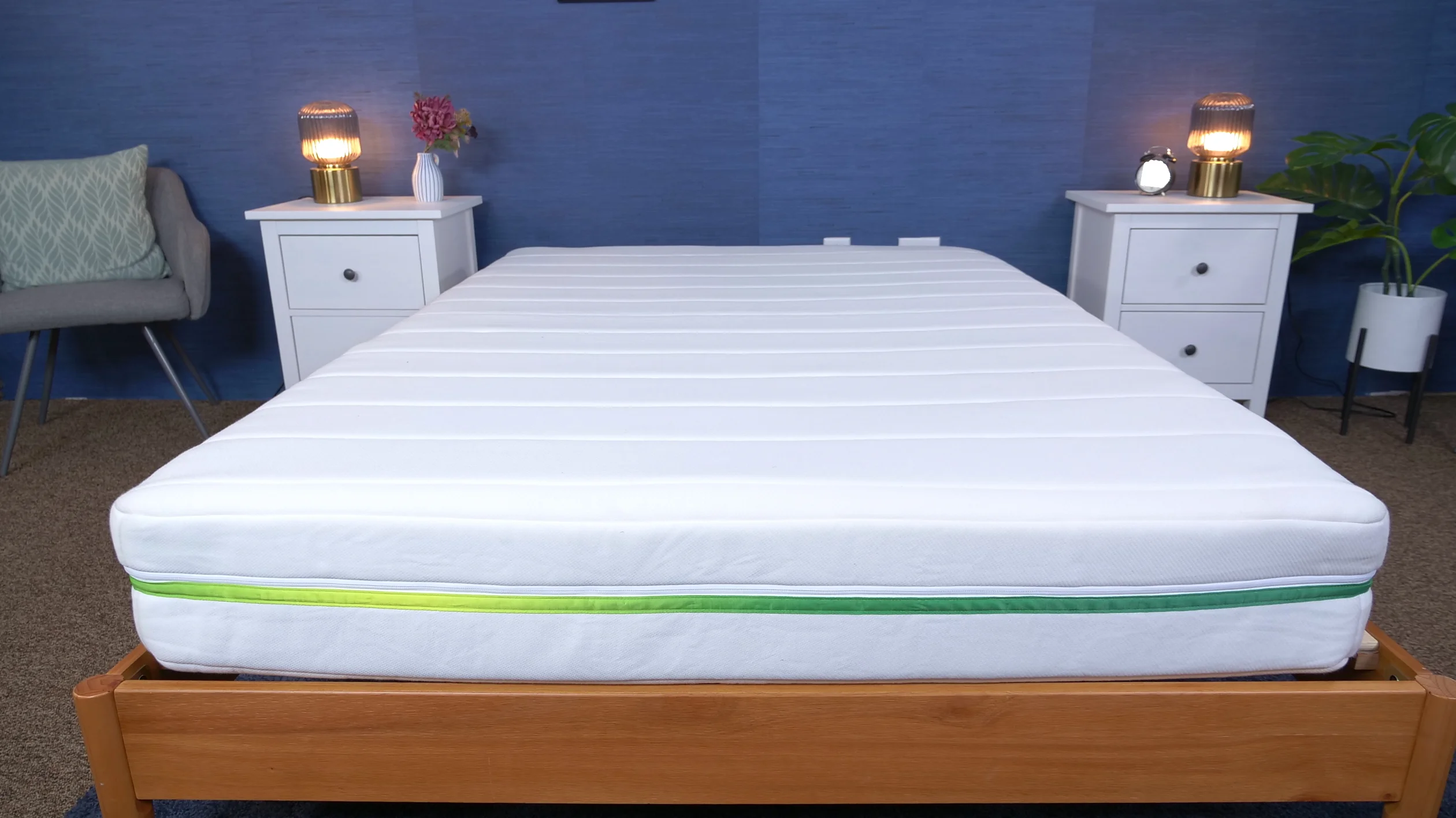
Compare the Best Kids Mattresses
 |  |  |  |  |  |  |  | |
| Helix Kids Mattress | Nectar Kids Mattress | Saatva Youth Mattress | Bear Cub | Leesa Kids | BB Kids | Birch Kids Natural | 5 Little Monkeys Mattress | |
| Rating | ||||||||
| Firmness | Multiple Firmness Options | Firm: 8/10 | Medium-Firm: 6.5/10 | Firm: 7.5/10 | Multiple Firmness Options | Medium-Firm: 6.5/10 | ||
| Material | Hybrid | Foam | Innerspring | Hybrid | Foam | Foam | Latex | Foam |
| Cooling | — | — | — | — | — | — | — | — |
| Best For | Side Sleepers, Back Sleepers, Stomach Sleepers, Hot Sleepers, Kids | Back Sleepers, Stomach Sleepers, Kids | Back Sleepers, Stomach Sleepers, Hot Sleepers, Kids | Kids | Kids | Kids | Kids | Kids |
Best Kids Mattresses Video Review
Helix Kids – Best Overall Mattress for Kids
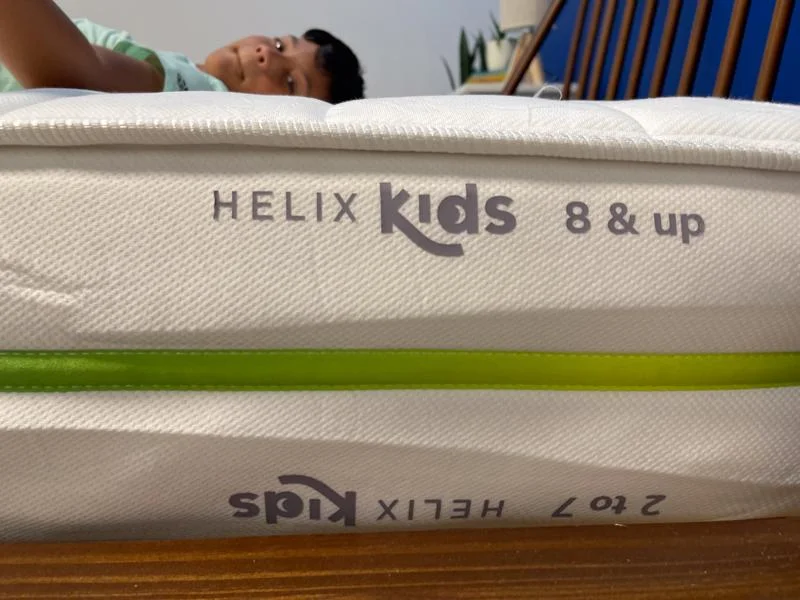
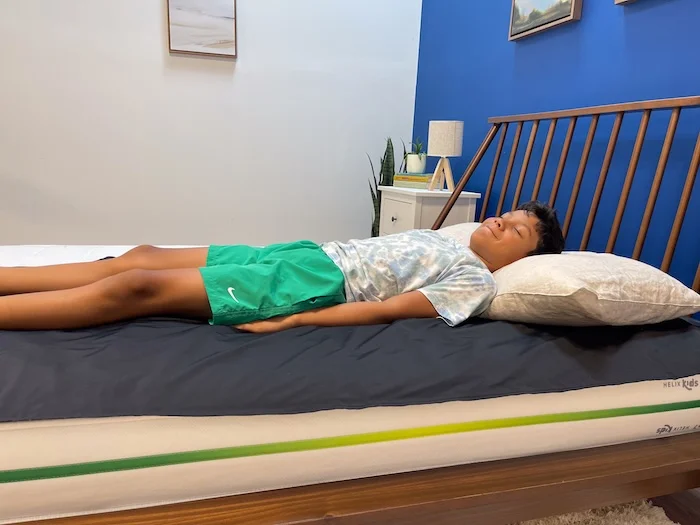
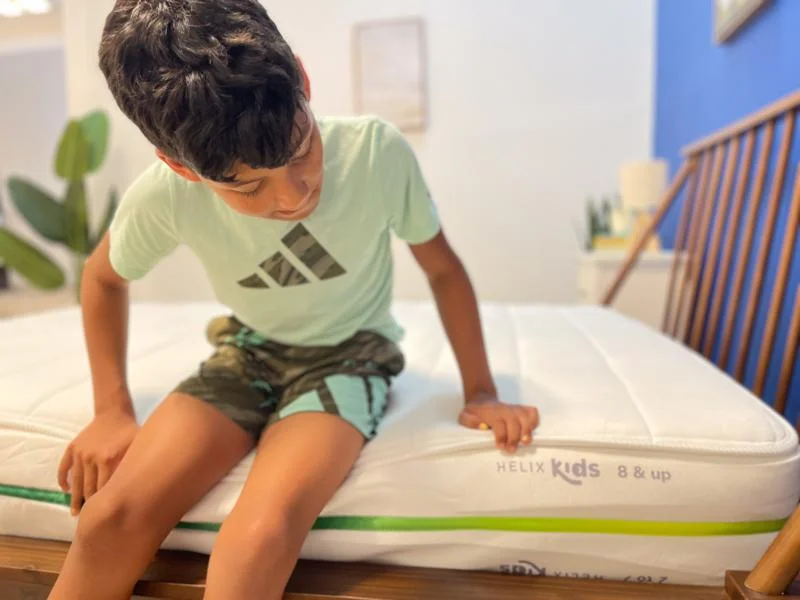
When choosing the best mattress for your little one, you want to pay special attention to quality materials, adequate pressure relief for growing pains, and overall durability for long-lasting support. The Helix Kids checks all these boxes and is entirely tailored towards children between 3 and 12. It’s also made with completely non-toxic materials, earning a GREENGUARD Gold certification. Learn more about the Helix Kids in our video roundup of the best mattresses for kids.
What our tester says:
“What a great option for parents trying to find a mattress that will work for their growing child. I really liked the Helix Kids’ flippable, hybrid design. I found it offered high-quality materials and great support for younger people.” -Bridget Chapman, former senior product editorWhy It’s the Best Overall Mattress for Kids
- Our mattress testers also found that the materials in the Helix Kids mattress felt crisp and breathable, making it a solid pick for kids who tend to sleep hot at night.
- The Helix Kids mattress has strong enough edge support to accommodate all sleeping positions.
- The flippable Helix Kids can grow with your child, as it caters to children between 3 and 12 years of age.
How Did It Perform During Testing?
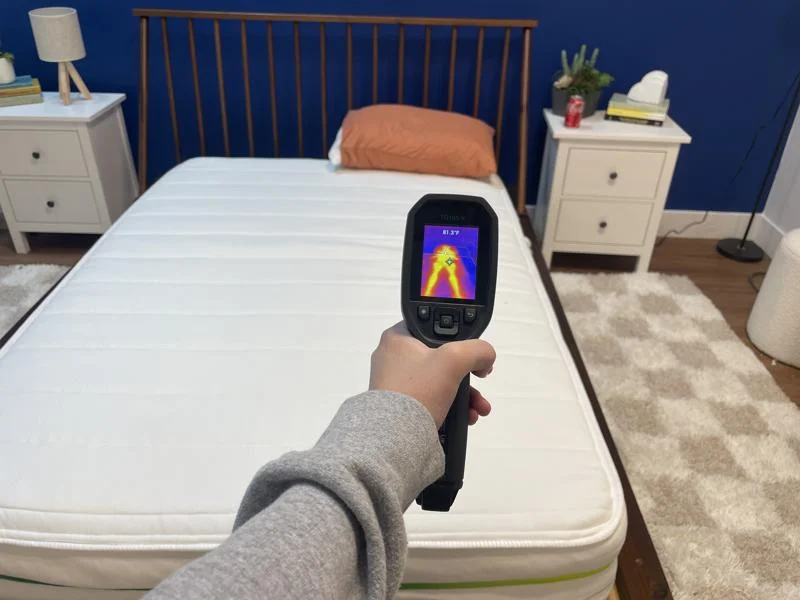
Cooling (ages 2-7): 4/5
On both sides, the surface temperature increased by 7.5 degrees after lying on it for 5 minutes.
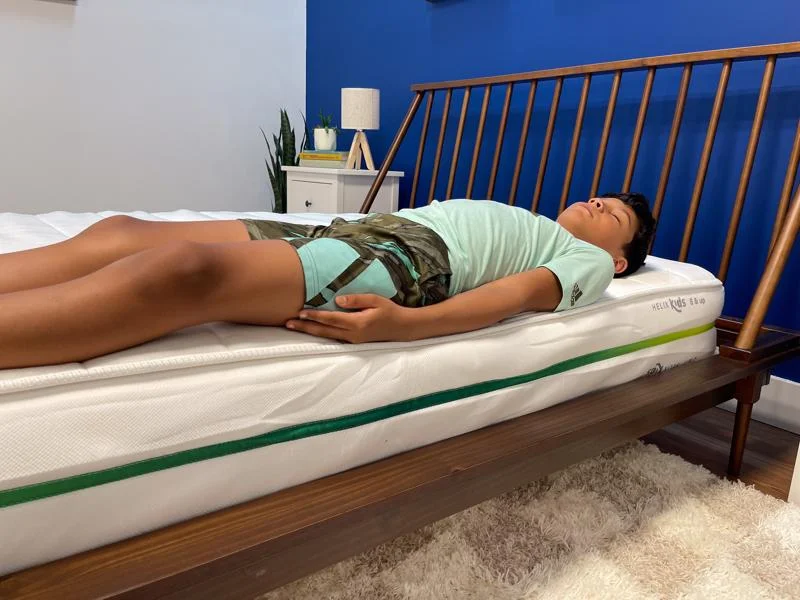
Edge Support (ages 2-7): 5/5
The firmer side of the Helix Kids has an extremely supportive perimeter for all sleeping positions.
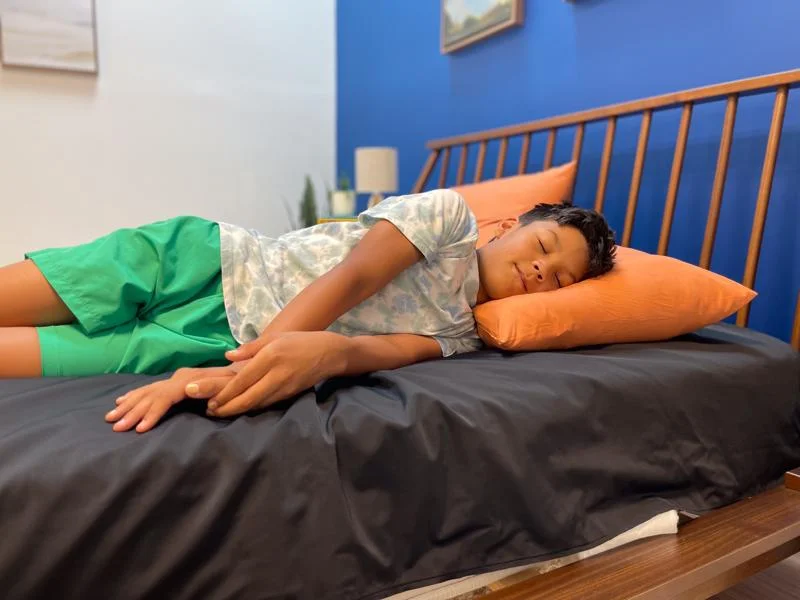
Pressure Relief (ages 2-7): 3/5
The firmer side of the Helix Kids is better for spinal alignment in the back sleeping position. Side sleepers may notice pressure buildup.
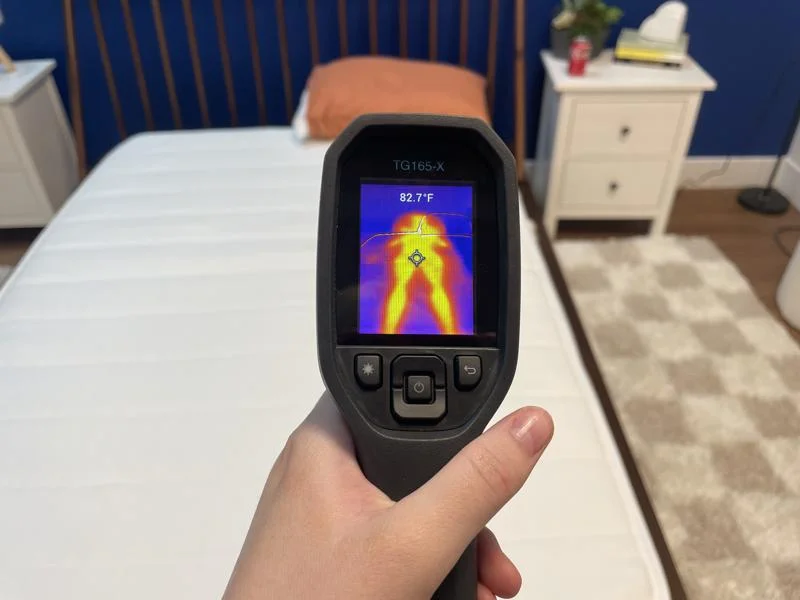
Cooling (ages 8+): 4/5
On both sides, the surface temperature increased by 7.5 degrees after lying on it for 5 minutes.
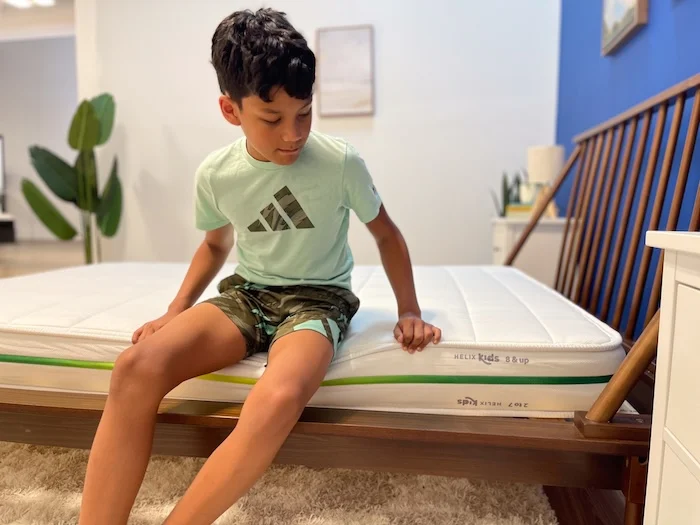
Edge Support (ages 8+): 4.5/5
Our testers felt secure and supported while sitting and lying near the edge of the Helix Kids mattress.
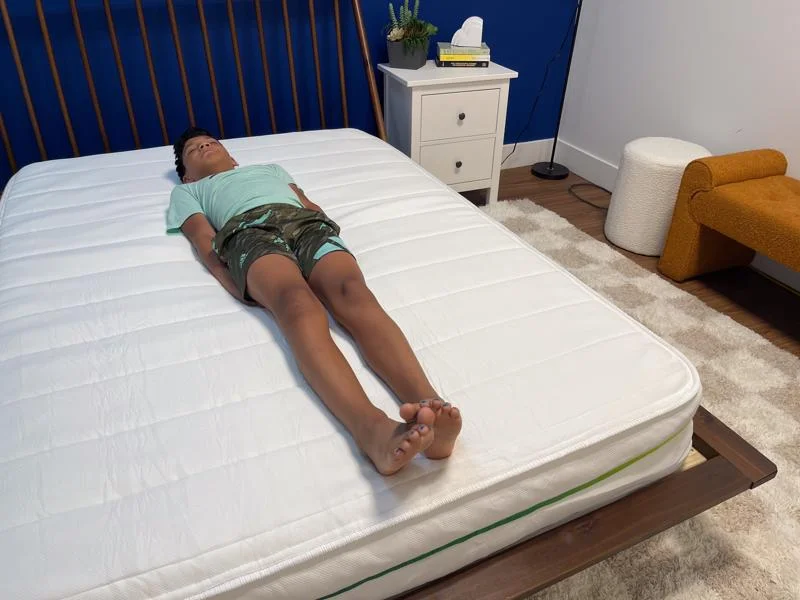
Pressure Relief (ages 8+): 3.5/5
The medium-firm construction of the Helix Kids makes it better for relieving pressure in the back.
Tester Notes
Support is one area where the Helix Kids mattress shines, earning a solid 4.5 out of 5 in our edge support category. Thanks to its sturdy pocketed coils, our lightweight mattress tester, Riley Otis, found it to be very supportive, especially for a children’s bed.
“The innerspring layer does a great job lifting my body and preventing me from sliding off,” Riley said. “I think a child could sit here for extended periods without feeling unsteady. I even think a parent would feel comfortable sitting here to read a story or tuck their child in.”
How Does It Feel in Different Sleeping Positions?
| Body Weight | Side | Back | Stomach |
|---|---|---|---|
| Light (under 130 lbs) | good | excellent | excellent |
| Average (130-230 lbs) | good | good | unpleasant |
| Heavy (over 230 lbs) | unpleasant | unpleasant | unpleasant |
| Body Weight: Light (under 130 lbs) | |
|---|---|
| Side Sleeper | good |
| Back Sleeper | excellent |
| Stomach Sleeper | excellent |
| Body Weight: Average (130-230 lbs) | |
| Side Sleeper | good |
| Back Sleeper | good |
| Stomach Sleeper | unpleasant |
| Body Weight: Heavy (over 230 lbs) | |
| Side Sleeper | unpleasant |
| Back Sleeper | unpleasant |
| Stomach Sleeper | unpleasant |
Our Expert Opinion
When shopping for the best mattress for your little one, it is essential to look for high-quality materials, adequate pressure relief for growing pains, and long-lasting, corner-to-corner support. During testing, our mattress testers found that the Helix Kids mattress checks these boxes for children between 3 and 12. Our in-house team scored the Helix a 4 out of 5 or higher across numerous categories, including edge support, pressure relief, and cooling.
The first thing you’ll notice about this mattress is that it boasts a flippable design, which caters to children aged 3 to 12. The firmer side is ideal for young children (ages 3 to 7), providing the necessary support for their developing bodies. As your child grows, you can easily flip it to the softer side (recommended for ages 8 to 12) to ensure they get the right amount of comfort and support.
Choose the Helix Kids if …
- Your child overheats at night. Our mattress experts found that it effectively regulated temperature during testing.
- You want a mattress that will last a while. The Helix Kids has a flippable design that should last your child until they reach their teen years.
Keep looking if …
- Your child sleeps on their side. The only area that presented a potential weak point for the Helix Kids was side-sleeping pressure relief. When our junior sleep correspondent, 10-year-old Conrad, tested this mattress, he found that his hips and shoulders weren’t super comfortable. The Bear Cub might be a better option for children who sleep on their side.
Our full Helix Kids mattress review is coming soon.
Nectar Kids – Best Memory Foam Mattress for Kids
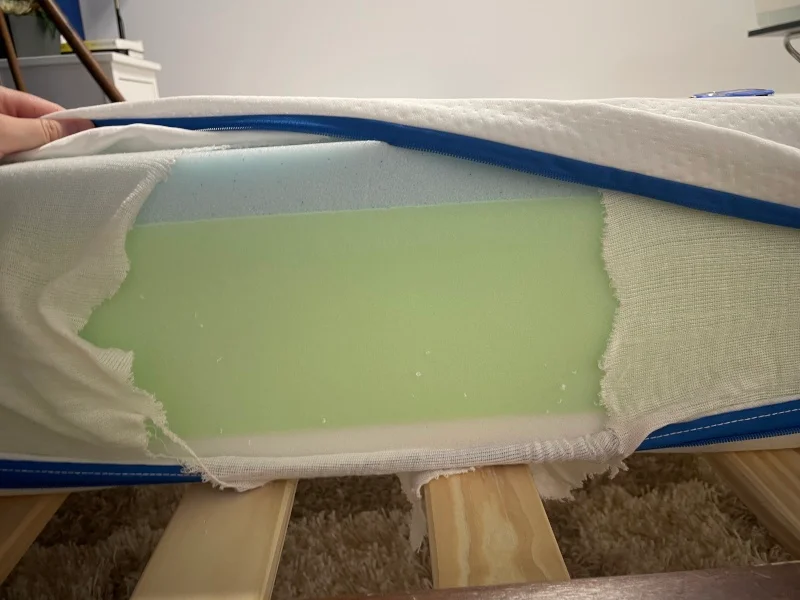
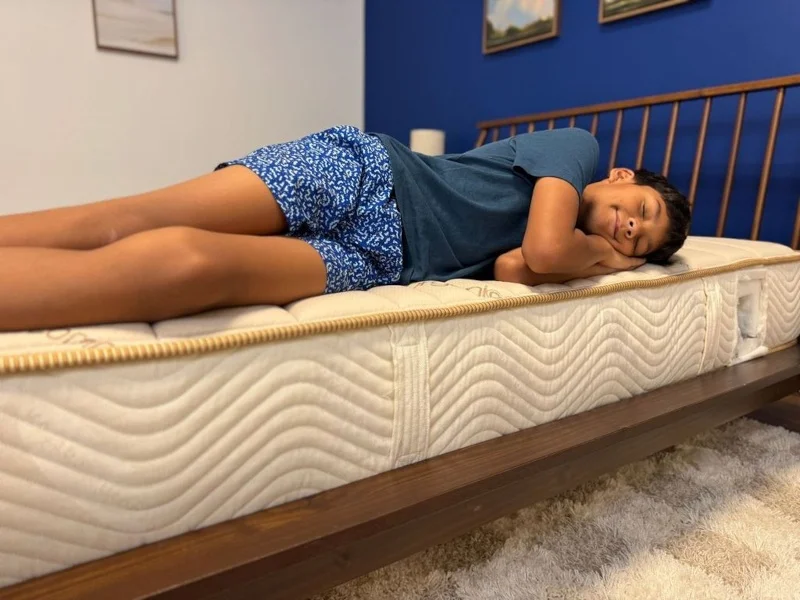
The Nectar Kids mattress should have your tot sleeping comfortably. Its flippable, all-foam design works with your child as they grow from toddler to tween. One side is a bit firmer, meant for children aged 3 to 7 who may need strong support for growing pains. The 8-and-up side is a touch softer, but still providing a supportive sleep surface. Just note that this lifted profile is better for kids who sleep on their back or stomach.
What our tester says:
“Even as an adult, I’m getting awesome support. My spine feels very straight, so I think this is a great option for older kids who want some softness but still need firm support.” -Riley Otis, staff writer and certified sleep science coachWhy It’s the Best Memory Foam Mattress for Kids
- Our testers noted that they could sit along the edges and corners of the Nectar without feeling unsteady, making it a great option for bedtime storytelling.
- Like Nectar’s grown-up mattress offerings, the Nectar Kids delivers exceptional cooling.
- The firm side offers plenty of support for back- and stomach-sleeping children.
How Did It Perform During Testing?
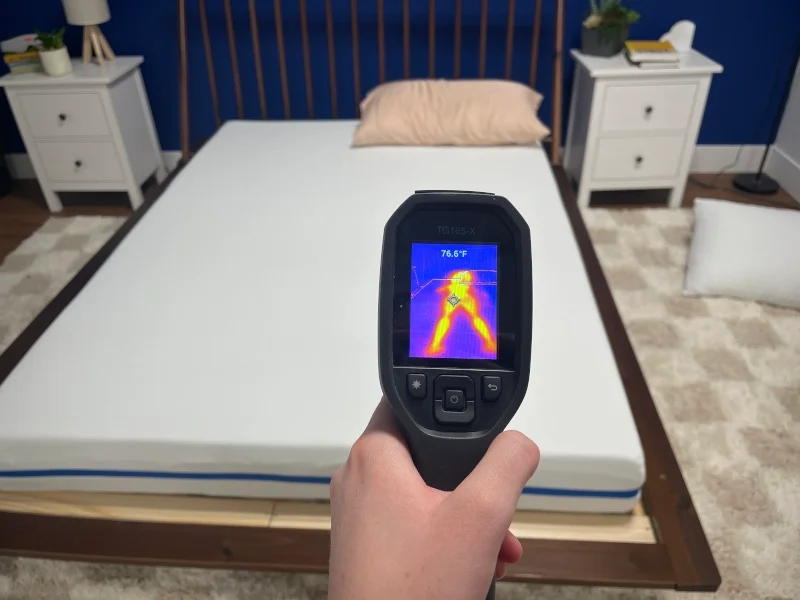
Cooling (ages 3-7): 5/5
The temperature of the Nectar Kids (3-7) by 3.6 degrees after 5 minutes of rest, which is exceptional.
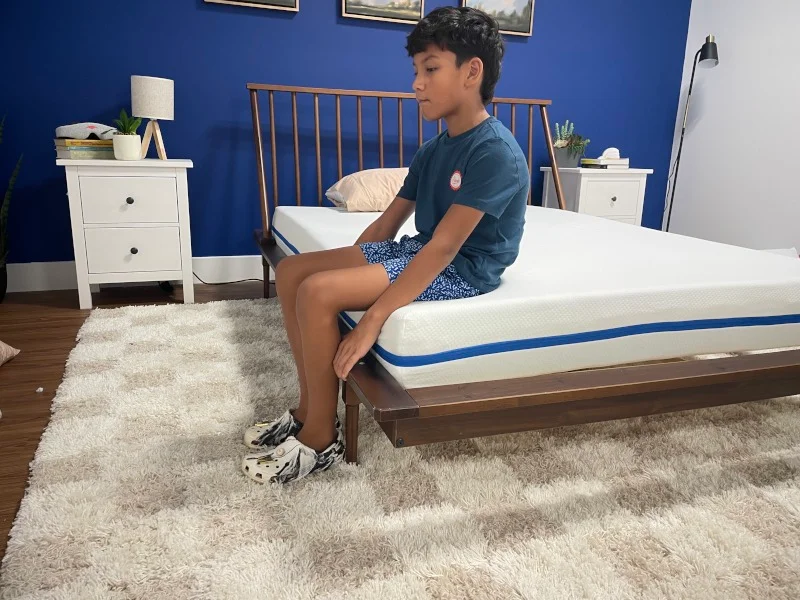
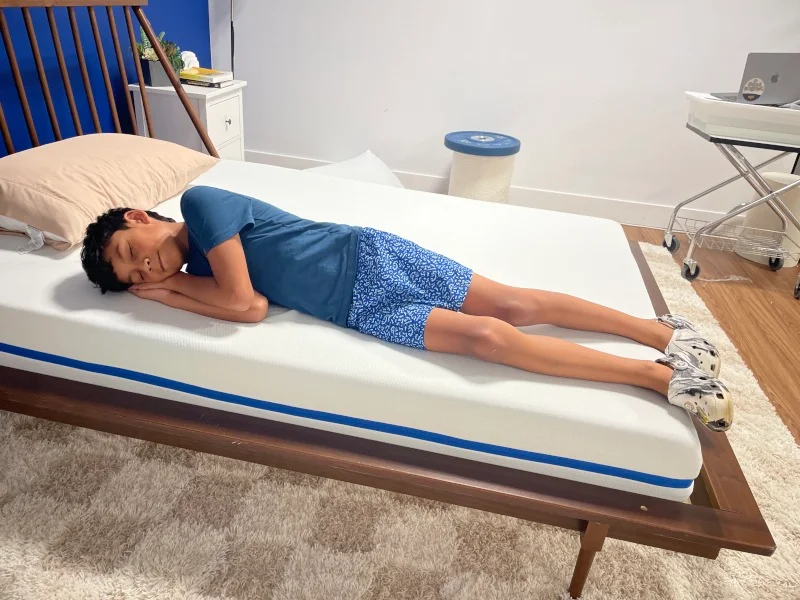
Edge Support (ages 3-7): 4/5
Despite being completely foam, the Nectar Kids (3-7) has an extremely supportive perimeter.
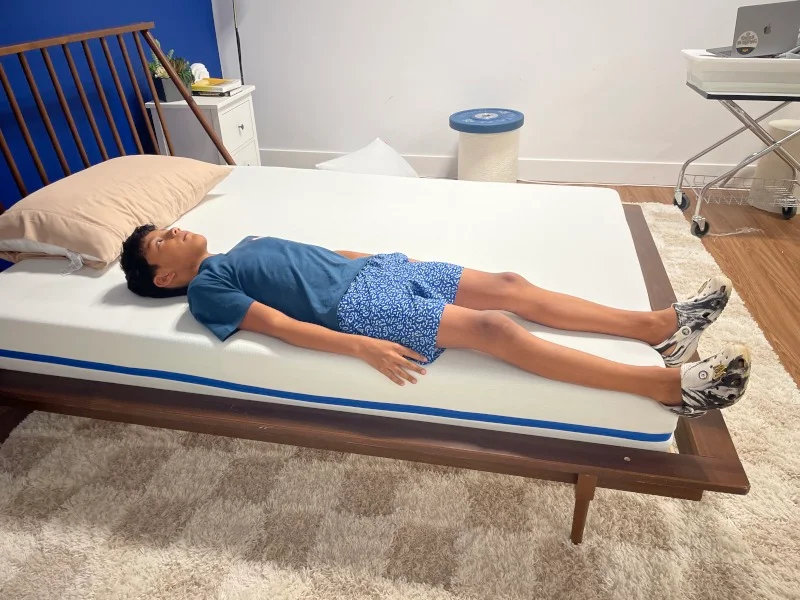
Pressure Relief (ages 3-7): 3.5/5
The extremely firm and supportive Nectar Kids (3-7) relieves lower back pressure but causes side pressure buildup.
Cooling (ages 8-10): 4/5
The surface of the Nectar Kids (8-10) did not feel cool to the touch, but it wasn’t stifling either.
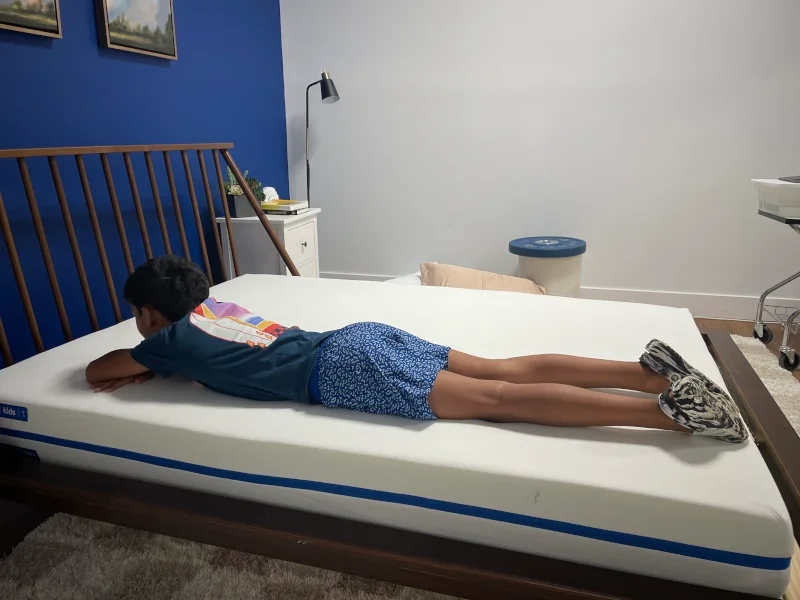
Edge Support (ages 8-10): 4/5
The Nectar Kids (8-10) is softer on this side, so there is a small amount of sinkage when applying weight to the perimeter.
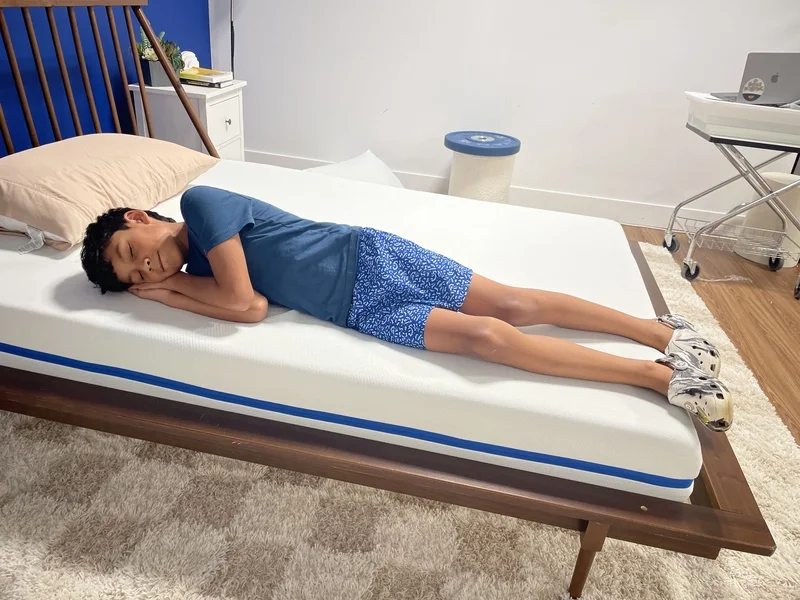
Pressure Relief (ages 8-10): 4.8/5
The softer side of the Nectar Kids (8-10) offers more pressure relief for back and side-sleeping.
Tester Notes
Thanks to its sturdy pocketed coils, our lightweight mattress tester, Riley Otis, found it to be very supportive, especially for a children’s bed.
“Surprisingly, I feel perfectly lifted and supported while sitting and lying on the edge of this bed,” Riley said. “The innerspring layer does a great job lifting my body and preventing me from sliding off. I think a child could sit here for extended periods without feeling unsteady. I even think a parent would feel comfortable sitting here to read a story or tuck their child in.”
How Does It Feel in Different Sleeping Positions?
| Body Weight | Side | Back | Stomach |
|---|---|---|---|
| Light (under 130 lbs) | good | excellent | excellent |
| Average (130-230 lbs) | good | good | unpleasant |
| Heavy (over 230 lbs) | unpleasant | unpleasant | unpleasant |
| Body Weight: Light (under 130 lbs) | |
|---|---|
| Side Sleeper | good |
| Back Sleeper | excellent |
| Stomach Sleeper | excellent |
| Body Weight: Average (130-230 lbs) | |
| Side Sleeper | good |
| Back Sleeper | good |
| Stomach Sleeper | unpleasant |
| Body Weight: Heavy (over 230 lbs) | |
| Side Sleeper | unpleasant |
| Back Sleeper | unpleasant |
| Stomach Sleeper | unpleasant |
Our Expert Opinion
Like its Classic Memory Foam model, the Nectar Kids is a durable all-foam mattress that excels in multiple categories, including cooling, edge support, and pressure relief. The Nectar Kids is my pick for best memory foam mattress for kids because it scored 4 out of 5 or higher in each category, with cooling being the star of the show (earning a 4.5 out of 5).
That said, while the mattress did an excellent job of regulating temperature during our testing, we found that the softer side retained more heat, which is something to keep in mind if your child is a hot sleeper. We also found that the firmer side of the Nectar was only suitable for stomach and back-sleeping, as it offered a ton of support but little in the way of contouring.
Choose the Nectar Kids if …
- Your child tends to sleep hot and needs a mattress that can cool things down.
- Your child needs extra support for stomach and back sleeping.
Keep looking if …
- You have an older child who sleeps on their side. The big kid side of the Nectar offers little cushioning, making it less than ideal for this sleeping position. If you are looking for a mattress that offers better pressure relief, consider the Brentwood Home Juniper mattress instead.
For more information about this bed, read our full Nectar Kids mattress review.
Saatva Youth – Best Hybrid Mattress for Kids
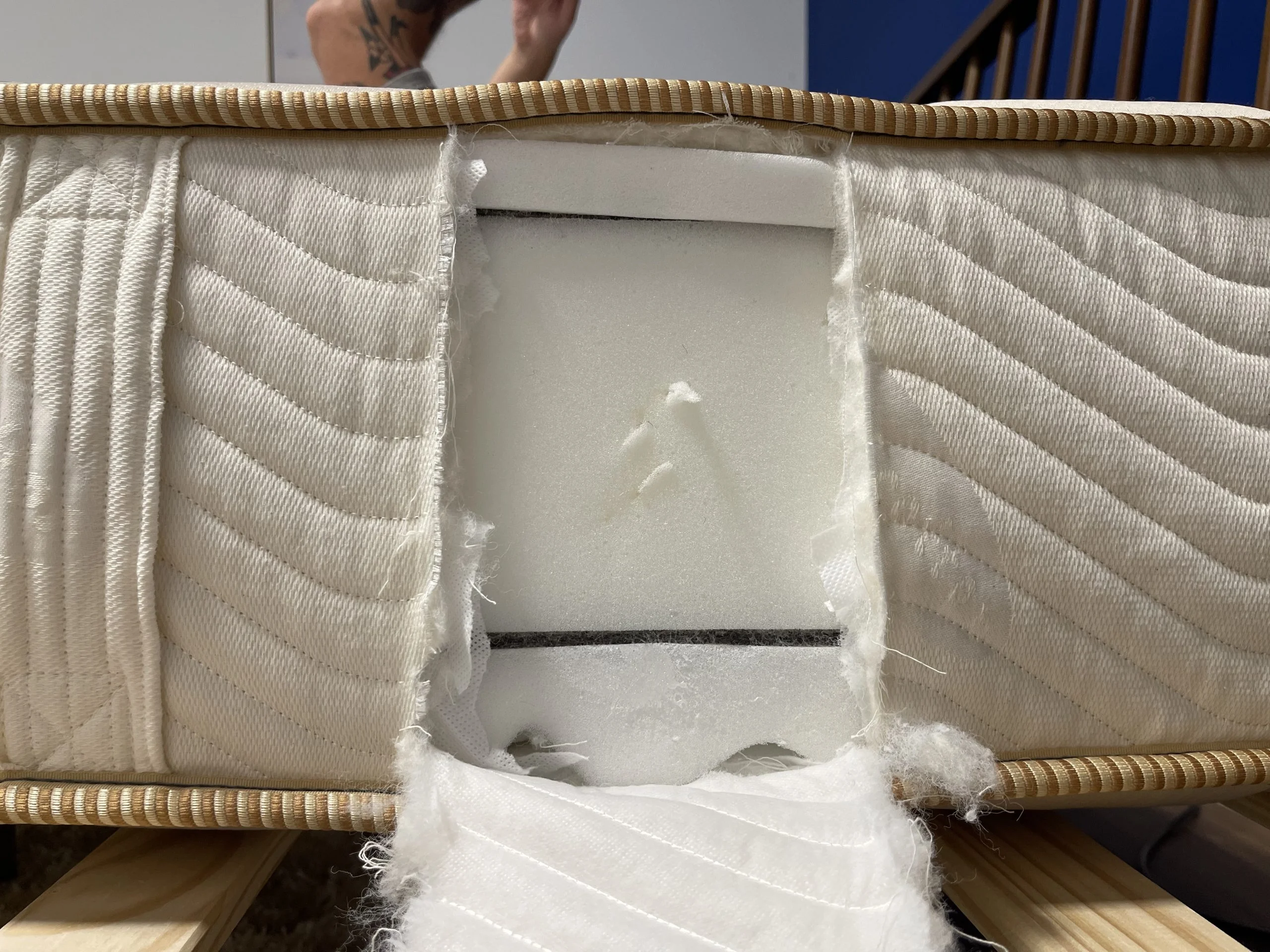
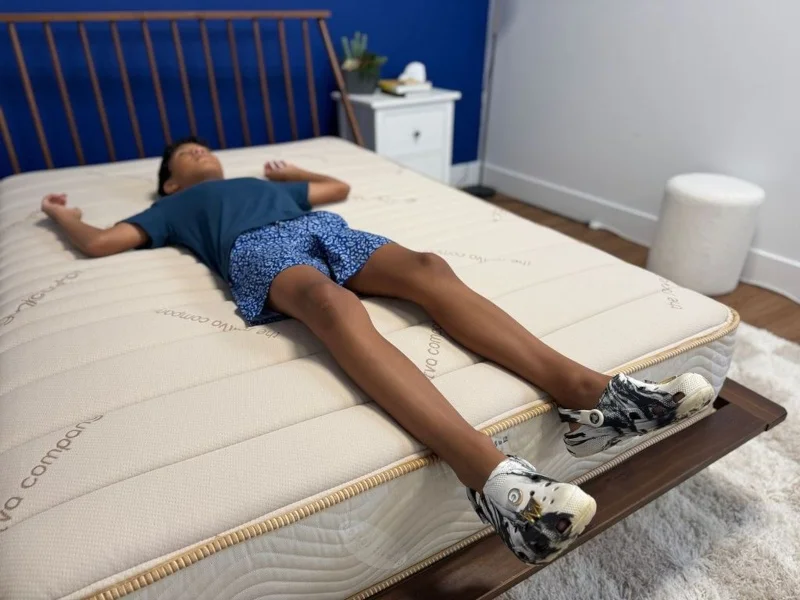
The Saatva Youth caters to little kids and younger teenagers alike with a unique dual construction. One side of the mattress is meant for children ages 3–7, while the other is meant for ages 8–12. Just flip it over as your child grows, and they’ll get a mixture of pressure relief and enough support for a neutral spinal alignment. Learn more in our video roundup of the best kids mattresses.
What our tester says:
“I found that this bed has a supportive feel that easily works for people of all weights, but still feels plush and comfortable.” -Amelia Jerden, senior staff writerWhy It’s the Best Hybrid Mattress for Kids
- The Saatva Youth is one of the most supportive kids’ mattresses we’ve tried, earning a perfect 5-star edge support score during testing.
- Its flippable design accommodates children up to 12 years old.
- The Saatva Youth performed well in our cooling category, making it a great option for children who sleep warm.
How Did It Perform During Testing?
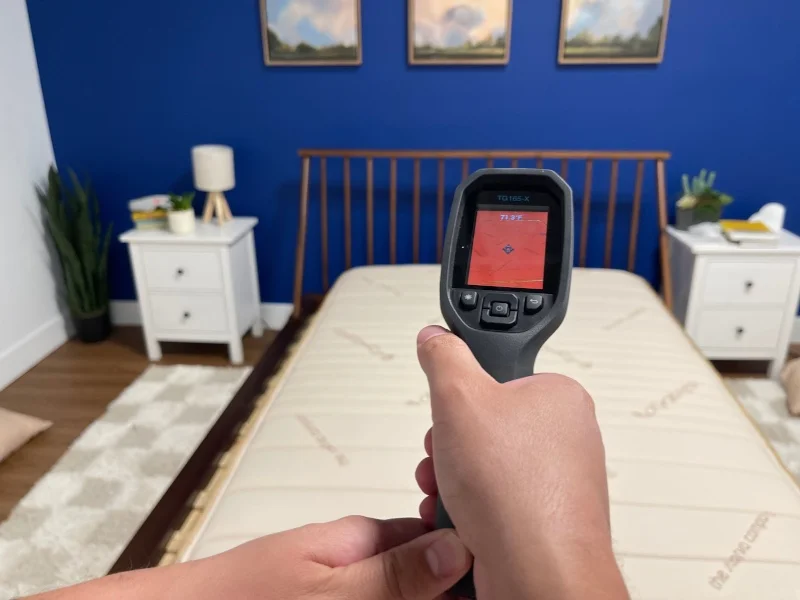
Cooling (ages 3-7): 4/5
The firmer side of the Saatva Youth only increased by 5.6 degrees on our thermal gun test, indicating great cooling.
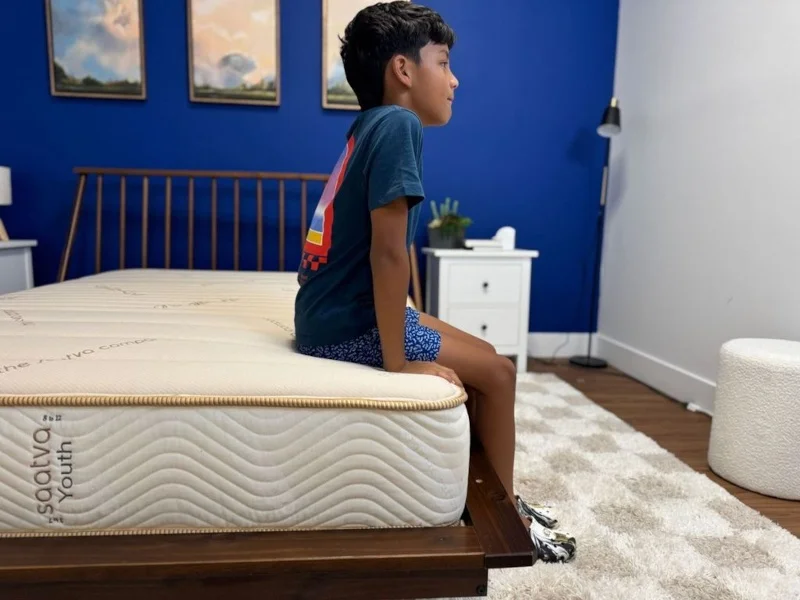
Edge Support (ages 3-7): 5/5
On the firmer side, the edges felt very supportive and showed minimal sinkage when sitting and lying down.
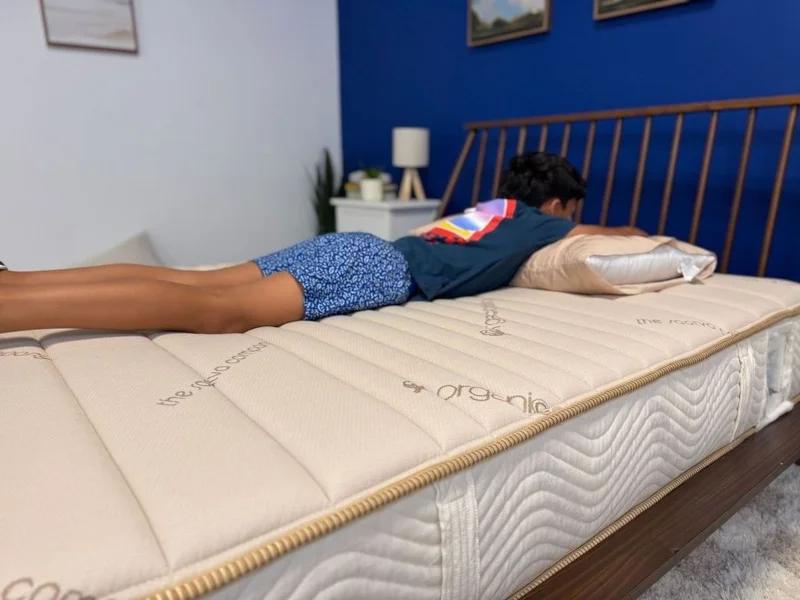
Pressure Relief (ages 3-7): 4/5
The firmer side of the Saatva Youth provided solid support and pressure relief for back sleepers, but was too firm for side sleeping.
Cooling (ages 8-12): 4/5
The thermal gun test yielded the same results on both sides of the Saatva Youth.
Edge Support (ages 8-10): 4.5/5
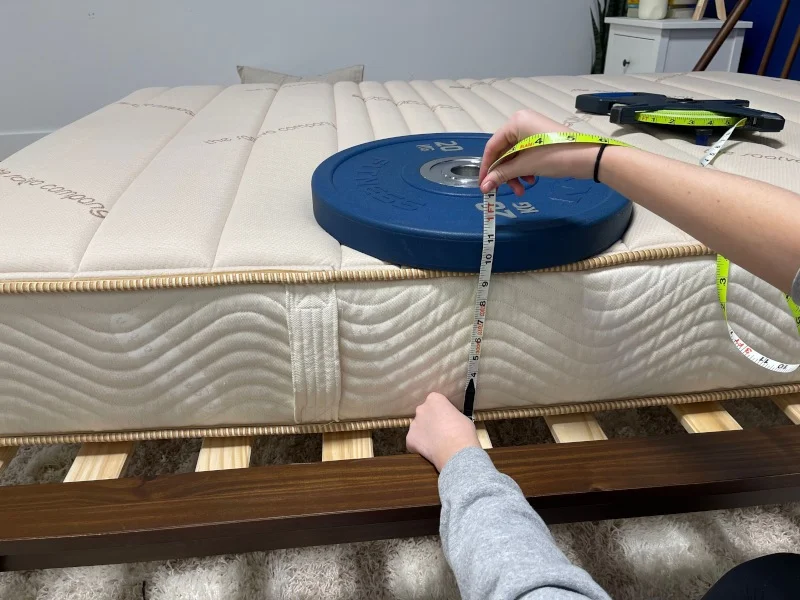
The softer side of the Saatva Youth showed more sinkage around its perimeter, but it was still stable enough to lie on.
Pressure Relief (ages 8-12): 4/5
Both sides of the Saatva Youth offered provided good sinkage and a balanced feel for back and side sleepers.
Tester Notes
Our testers were impressed by its medium-firm feel, which provides excellent spinal support, especially for back sleepers. No matter where our team lay on the Saatva, this mattress delivered just the right amount of lumbar support to maintain proper spinal alignment during testing.
“The edges feel very supportive, and there is minimal sinkage when sitting,” said mattress tester Riley Otis. “Parents should have no problem sitting there with their kids to read them a story or tuck them in at night.”
How Does It Feel in Different Sleeping Positions?
| Body Weight | Side | Back | Stomach |
|---|---|---|---|
| Light (under 130 lbs) | good | excellent | excellent |
| Average (130-230 lbs) | good | good | good |
| Heavy (over 230 lbs) | unpleasant | unpleasant | unpleasant |
| Body Weight: Light (under 130 lbs) | |
|---|---|
| Side Sleeper | good |
| Back Sleeper | excellent |
| Stomach Sleeper | excellent |
| Body Weight: Average (130-230 lbs) | |
| Side Sleeper | good |
| Back Sleeper | good |
| Stomach Sleeper | good |
| Body Weight: Heavy (over 230 lbs) | |
| Side Sleeper | unpleasant |
| Back Sleeper | unpleasant |
| Stomach Sleeper | unpleasant |
Our Expert Opinion
Saatva, known for its high-quality mattresses, has designed the flippable Youth model specifically to meet the unique needs of growing bodies (ages 3 to 12). Like many other Saatva mattresses, this bed earned a 4 out of 5 or higher in edge support and cooling, which is why it is my top pick for the best hybrid mattress for kids.
The only real downside to the Saatva Youth is that it is only available in twin, twin XL, and full sizes. Though, to be fair, it’s a downside shared by nearly all our picks. If you’re concerned about your child or teen quickly outgrowing this mattress, I recommend going with one of the brand’s other offerings to accommodate their changing needs.
Choose the Saatva if …
- Your child tends to roll off the bed at night. The Saatva Youth’s supportive edges should prevent them from falling at night.
- Your child gets hot while sleeping. The coils inside the Saatva Youth help keep it breathable and cool.
Keep looking if …
- The Saatva Youth is only available in twin, twin XL, and full sizes. If you would prefer a hybrid mattress your child can grow into, I recommend checking out the 5 Little Monkeys Bed, which is also available in a queen-size model.
For more information about this bed, read our full Saatva Youth mattress review.
Bear Cub – Best Cooling Mattress for Kids
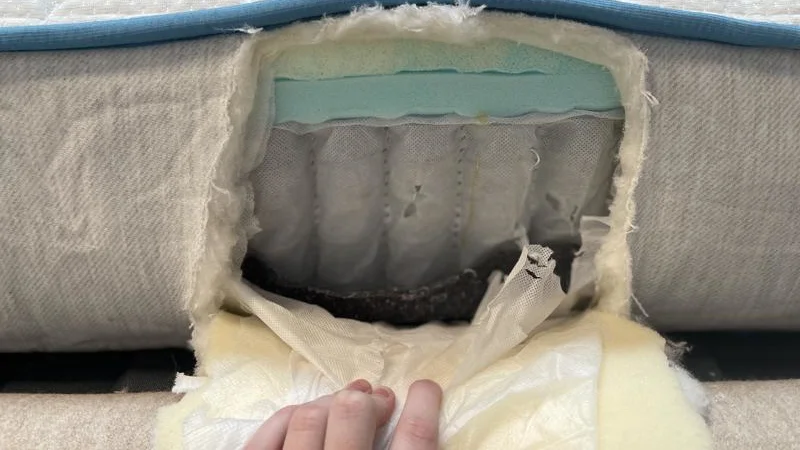
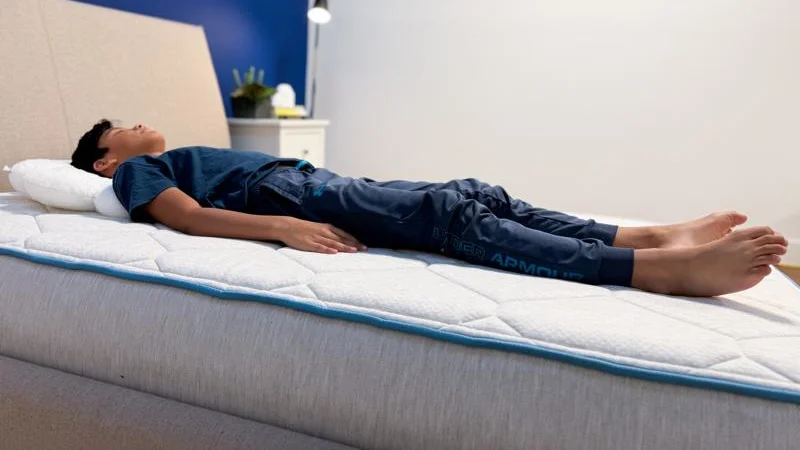
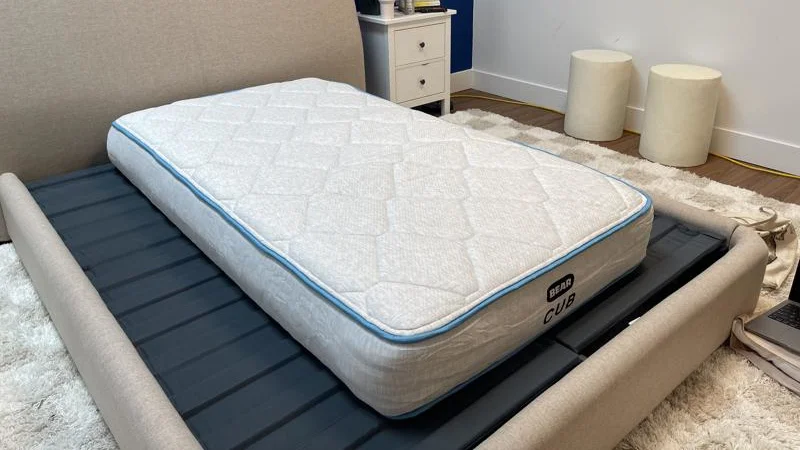
The Bear Cub is one of our top cooling mattresses for kids, earning a 4.5 out of 5 for temperature regulation and at least 4 other key categories. Our testers also liked its soft, airy Tencel cover, which promotes airflow and is hypoallergenic for kids with allergies or sensitive skin.
Why It’s the Best Cooling Mattress for Kids
- The Bear Cub has a Tencel cover, which is naturally cooling.
- Its surface is also hypoallergenic, making it a good option for kids with sensitive skin.
- The Bear has a strong corner-to-corner support, perfect for back-sleeping children and kids who gravitate toward the edge of the bed.
How Did It Perform During Testing?
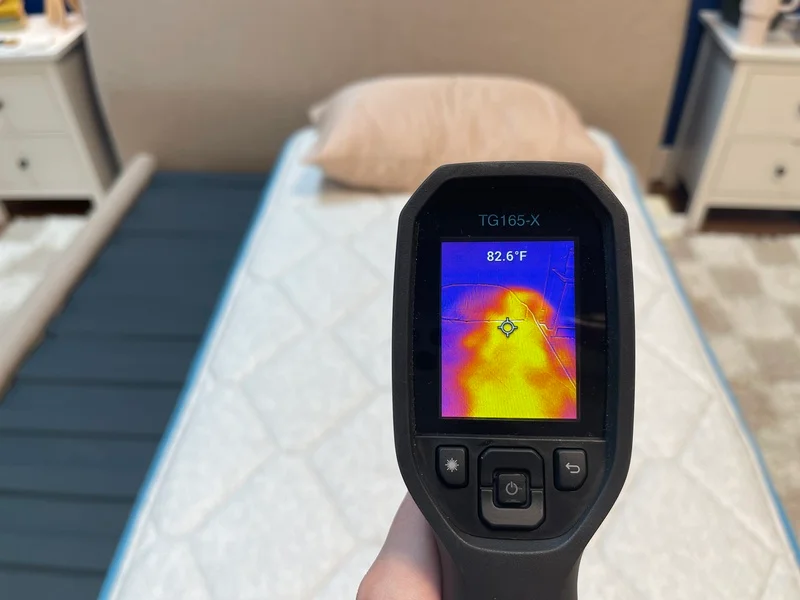
Cooling: 4.5/5
The Bear Cub excelled on our cooling test, only increasing by 5.9 degrees after lying on it for 5 minutes.
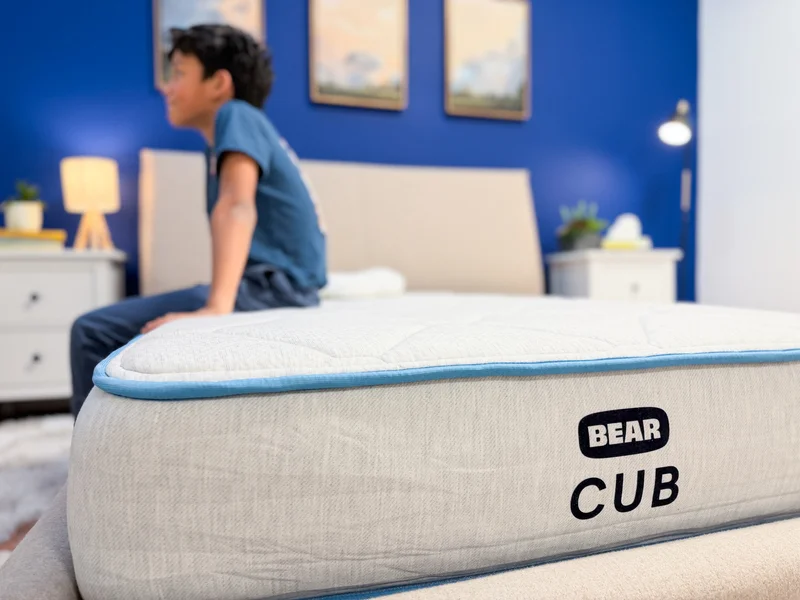
Edge Support: 4.5/5
The perimeter of the Bear Cub barely buckled with us sitting and lying on it.
Pressure Relief: 4.5/5
The Bear Cub’s supportive coils and contouring foam relieves pressure for back and side sleepers.
Tester Notes
Our testers appreciated that they could comfortably lie on the edge without sliding off, which is important for kids and parents who spread out or sit on the edge of the bed.
“The perimeter of the Bear Cub feels super strong and the same as the center,” Riley said. “Kids should be able to lie on it without falling off the side. Falling off the bed was a big fear of mine as a kid, so I think this could ease some anxiety if your kid is scared of falling out of their big kid bed, especially if they’re used to a crib with bars.”
How Does It Feel in Different Sleeping Positions?
| Body Weight | Side | Back | Stomach |
|---|---|---|---|
| Light (under 130 lbs) | good | excellent | excellent |
| Average (130-230 lbs) | good | good | good |
| Heavy (over 230 lbs) | unpleasant | unpleasant | unpleasant |
| Body Weight: Light (under 130 lbs) | |
|---|---|
| Side Sleeper | good |
| Back Sleeper | excellent |
| Stomach Sleeper | excellent |
| Body Weight: Average (130-230 lbs) | |
| Side Sleeper | good |
| Back Sleeper | good |
| Stomach Sleeper | good |
| Body Weight: Heavy (over 230 lbs) | |
| Side Sleeper | unpleasant |
| Back Sleeper | unpleasant |
| Stomach Sleeper | unpleasant |
Our Expert Opinion
The Bear Cub is my top pick for the best cooling mattress for kids because it offers strong enough temperature regulation to cool active kids and help them get better rest. During testing, our team gave the Bear Cub a 4 out of 5 or higher in key categories, including cooling, edge support, and pressure relief.
Our testers were most impressed with the Bear Cub’s temperature-regulating capabilities, awarding it a near-perfect 4.5 out of 5 in this category. Cooling is another strong point of the Bear Cub, earning it 4 out of 5. Our testers found that the Tencel cover is soft, airy, and hypoallergenic, which is perfect for kids with allergies or sensitive skin.
Choose the Bear Cub if …
- Your child is scared of rolling off the bed. The Bear’s strong corner-to-corner support should prevent any nighttime mishaps.
- Your child has allergies. Tencel is hypoallergenic, so children with sensitive skin shouldn’t have to worry about irritants.
Keep looking if …
- Your child is a strict side sleeper. Our mattress testing team found that it offered less cushioning for side-sleeping kids.
- Your child is sensitive to strong smells. This mattress has an off-gassing smell when you first unpack it, but that smell should clear up within 24 to 48 hours. If you want to avoid the off-gassing smell altogether, I recommend going with a mattress that offers free white-glove delivery, like the Saatva Youth.
Our full Bear Cub mattress review is coming soon.
Leesa Kids – Best Soft Mattress for Kids
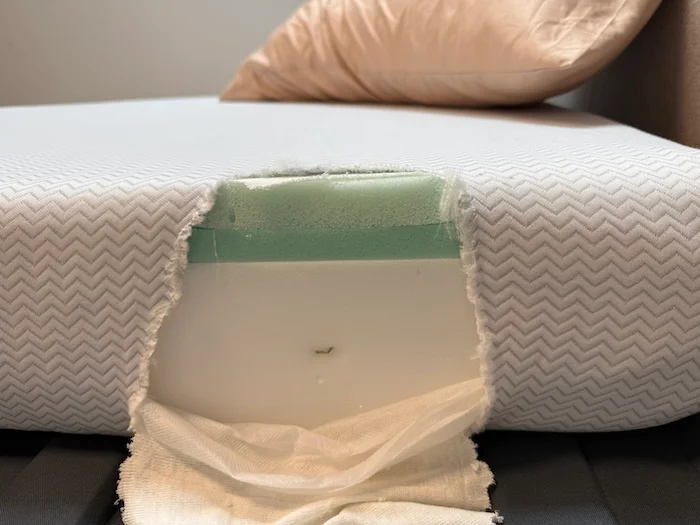
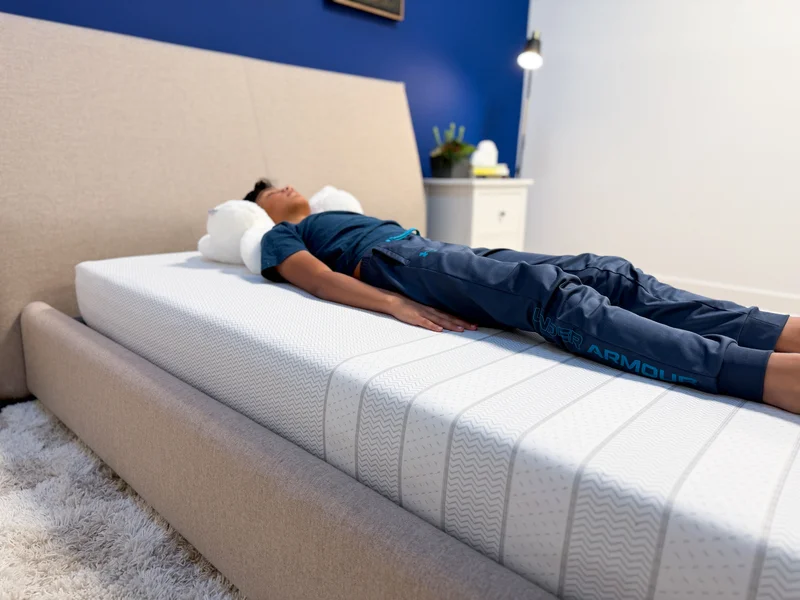
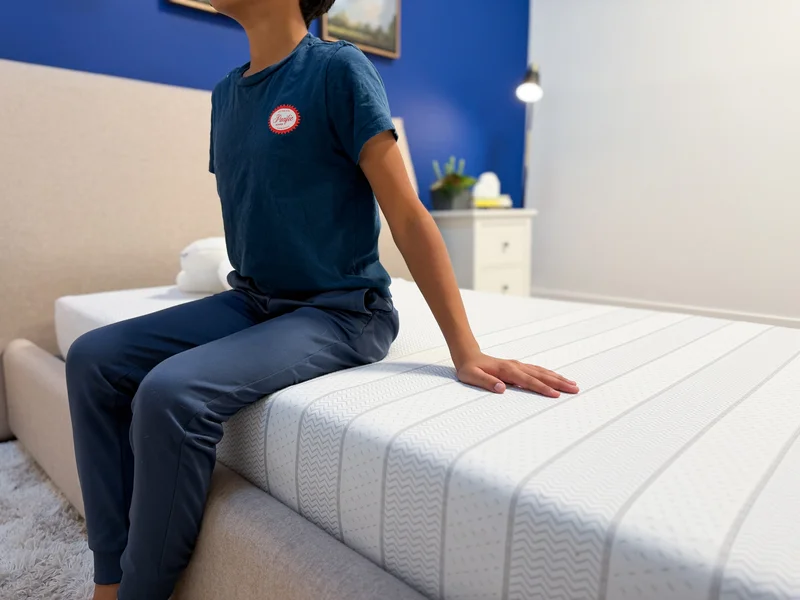
The Leesa Kids offers a comfortable balance of pressure relief and support while earning high marks in our pressure relief and cooling categories. However, it’s only available in twin and full sizes, so growing kids may eventually need to upgrade to a larger mattress.
Why It’s the Best Soft Mattress for Kids
- The memory foam and aerated foam layers in the Leesa help cushion the body without feeling too soft.
- The cover is soft and breathable, making the Leesa a solid option for children who overheat at night.
- Our testers found that the Leesa offered excellent pressure relief for back- and side-sleeping.
How Did It Perform During Testing?
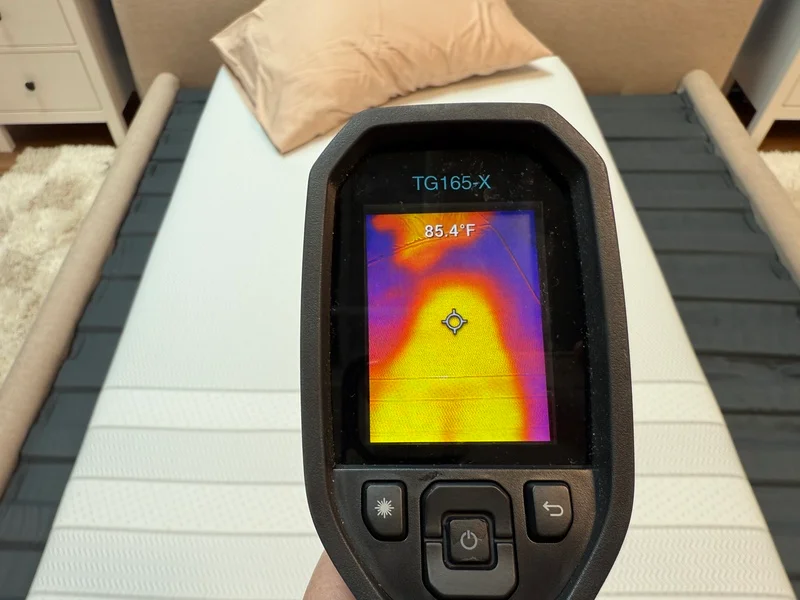
Cooling: 4/5
The Leesa’s breathable cover layer kept our testers cool and comfortable during testing.
Edge Support: 3.5/5
There was some sinkage along the edges during testing; however, children should be able to lie on it without falling off.
Pressure Relief: 4.5/5
The Leesa Kids offered slightly better pressure relief for back sleepers, though it should still perform well for side sleeping.
Tester Notes
During testing, our team noticed significant pressure relief around the hips and shoulders when lying on their side, which is a great sign for active kids who need relief from pressure points while they sleep.
“The combination of memory foam and aerated foam layers in the Leesa really helps cushion the body without feeling too soft,” said mattress tester Riley Otis. “I felt especially comfortable on my back. If I can feel a combination of plushness and support in this position, I think a kid will too. In fact, they will likely feel great spinal alignment in either position on this mattress.”
How Does It Feel in Different Sleeping Positions?
| Body Weight | Side | Back | Stomach |
|---|---|---|---|
| Light (under 130 lbs) | excellent | excellent | excellent |
| Average (130-230 lbs) | good | good | unpleasant |
| Heavy (over 230 lbs) | unpleasant | unpleasant | unpleasant |
| Body Weight: Light (under 130 lbs) | |
|---|---|
| Side Sleeper | excellent |
| Back Sleeper | excellent |
| Stomach Sleeper | excellent |
| Body Weight: Average (130-230 lbs) | |
| Side Sleeper | good |
| Back Sleeper | good |
| Stomach Sleeper | unpleasant |
| Body Weight: Heavy (over 230 lbs) | |
| Side Sleeper | unpleasant |
| Back Sleeper | unpleasant |
| Stomach Sleeper | unpleasant |
Our Expert Opinion
Is your little one ready to upgrade to something softer and more pressure-relieving? The Leesa Kids mattress is my pick for the best soft mattress for kids because it provides the perfect balance of pressure relief and support for growing children. Our mattress testers awarded the Leesa Kids a 4 out of 5 or higher in the pressure relief and cooling categories.
The only real downside to consider is that the Leesa Kids mattress is only available in twin and full sizes, so as your child grows and possibly requires a larger bed, you may need to replace it. How quickly you need to replace it will depend on their growth and how much space they need as they enter their teenage years.
Choose the Leesa Kids if …
- Your child sleeps on their back or side. Our testers found that the Leesa Kids offered great cushioning and pressure relief in either position.
- Your child is a hot sleeper. We found that the breathable cover of the Leesa Kids stayed crisp and comfortable during testing.
Keep looking if …
- You need a bigger mattress that will grow with your child. The Leesa Kids is only available in twin and full sizes, so if you need a similar mattress in a bigger size, check out the Leesa Original instead.
Our full Leesa Kids mattress review is coming soon.
Brooklyn Bedding BB Kids Mattress – Best Budget Mattress for Kids
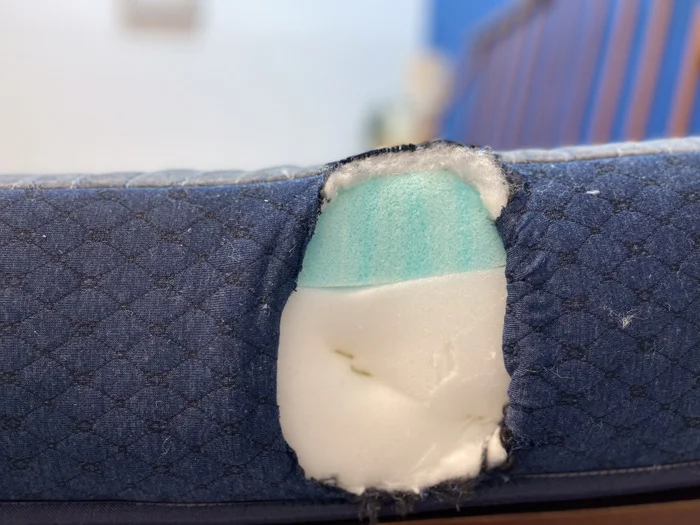
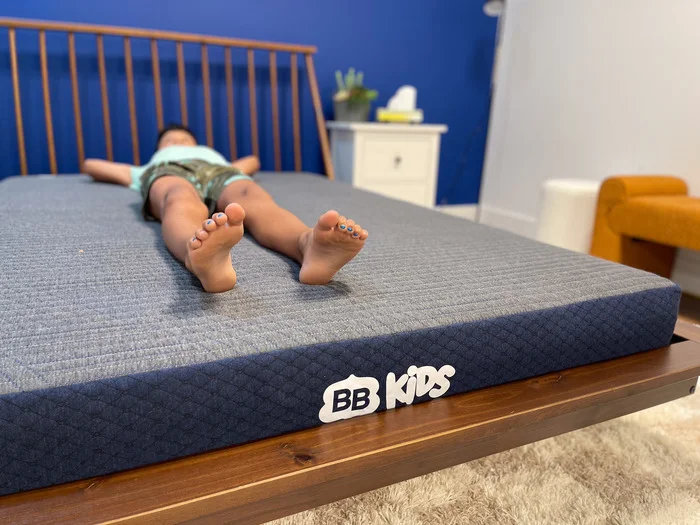
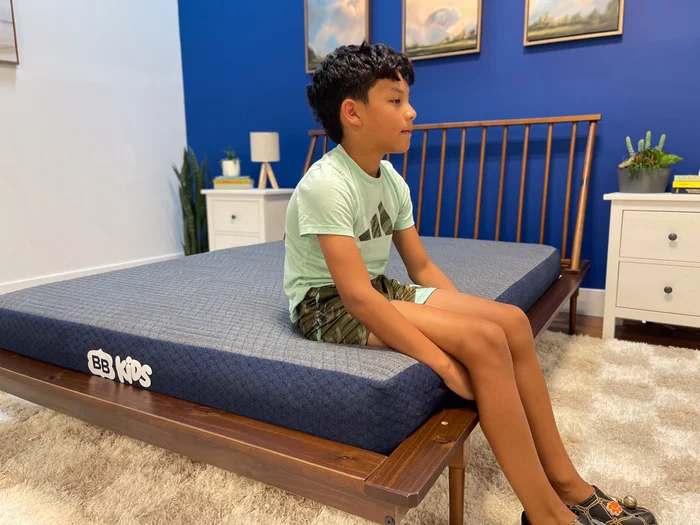
The Brooklyn Bedding BB Kids Mattress is made with firmer memory foam that should offer an ideal amount support for younger back sleepers and side sleepers. It also has some added touches such as gel memory foam for cooling and a stain-resistant cover.
Why It’s the Best Budget Mattress for Kids
- At full retail price, you can get a twin mattress for only $305, which is a steal.
- The BB Kids offers plenty of support for back- and stomach-sleeping children.
- Its lightweight and durable construction makes it a versatile mattress that can work in numerous settings.
How Did It Perform During Testing?
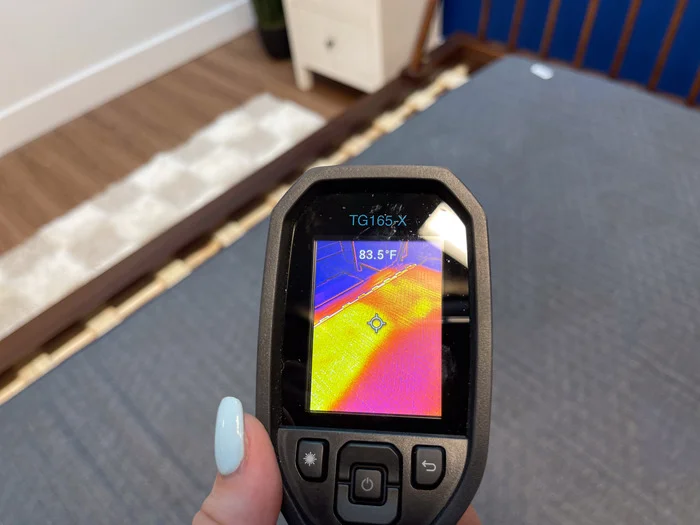
Cooling: 3.5/5
The top layer of the BB Kids got warmer as our testers lay on it, but it didn’t cause them to overheat.
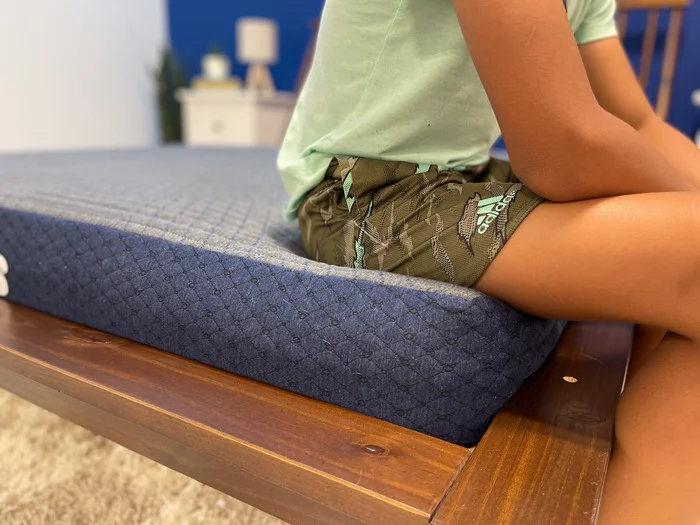
Edge Support: 4.5/5
Despite being a thinner mattress, the BB Kids has a strong and supportive perimeter.
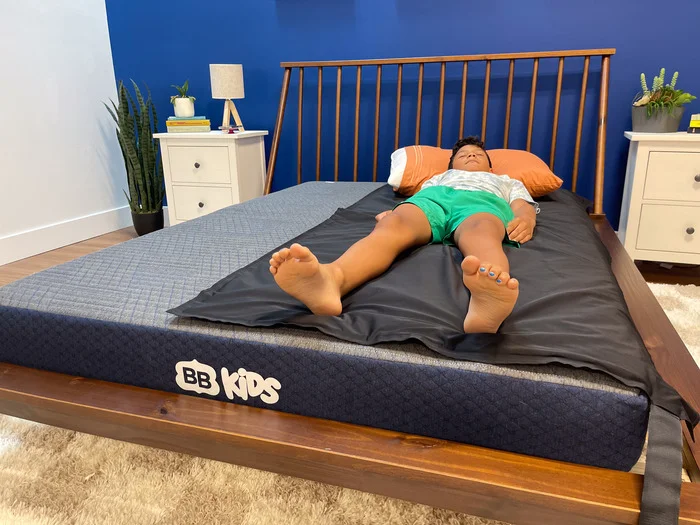
Pressure Relief: 2/5
The BB Kids is supportive enough for stomach and back-sleeping children, but lacks the contouring needed for side sleepers.
Tester Notes
Our in-house mattress experts found that the firm high-density memory foam helps keep the spine in healthy alignment, reducing the risk of waking up with aches and pains.
“I don’t feel like I am going to roll off at all,” said one in-house tester. “The edge is really not collapsing while lying down on it. This would be good for kids with bunk beds or for those who are transitioning out of a crib.”
How Does It Feel in Different Sleeping Positions?
| Body Weight | Side | Back | Stomach |
|---|---|---|---|
| Light (under 130 lbs) | good | excellent | excellent |
| Average (130-230 lbs) | good | excellent | unpleasant |
| Heavy (over 230 lbs) | unpleasant | unpleasant | unpleasant |
| Body Weight: Light (under 130 lbs) | |
|---|---|
| Side Sleeper | good |
| Back Sleeper | excellent |
| Stomach Sleeper | excellent |
| Body Weight: Average (130-230 lbs) | |
| Side Sleeper | good |
| Back Sleeper | excellent |
| Stomach Sleeper | unpleasant |
| Body Weight: Heavy (over 230 lbs) | |
| Side Sleeper | unpleasant |
| Back Sleeper | unpleasant |
| Stomach Sleeper | unpleasant |
Our Expert Opinion
As with all Brooklyn Bedding products, the BB Kids mattress offers great value, combining features usually seen in higher-end models at a more affordable price point. Plus, it’s versatile enough to be used in bunk beds, dorms, and even RVs. Thanks to its versatility, high-quality materials, and affordable price tag, we crowned it the best budget mattress for kids. We also awarded this mattress a 4.5 out of 5 in the edge support category.
However, its cooling left a little bit to be desired, earning it a 3.5 out of 5. Since the BB Kids is an all-foam mattress, our testers found that it retained more heat than some of the hybrid designs on this list. For children who sweat a lot during the night, this might be a bit of an issue, as they may feel stuffy in the foam.
Choose the Brooklyn Bedding BB Kids Mattress if …
- Your child gravitates toward the edge of the bed. Thanks to the Brooklyn Bedding’s strong edge support, you won’t have to worry about your child rolling off the bed in their sleep.
- You want a multi-purpose mattress that is small enough to fit in a bunk bed or an RV.
Keep looking if …
- Your child is a combination sleeper. If your child frequently changes sleeping positions, they might be able to do so easier on a mattress with innerspring coils.
- Your child sleeps hot at night. The all-foam construction of the BB Kids retains more heat than the hybrid options on this list. If you’re interested in a mattress with better cooling, consider the Nolah Nurture instead.
For more information about this bed, read our full BB Kids mattress review.
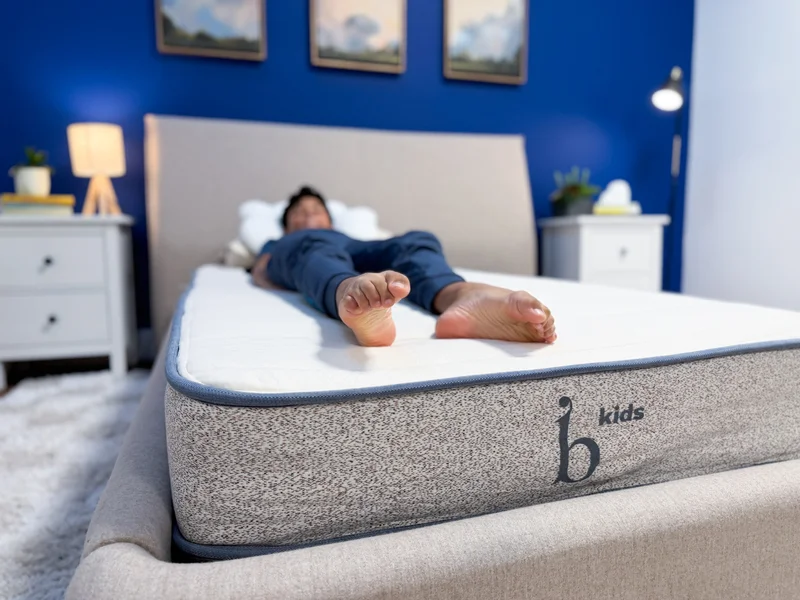
Birch Kids Mattress – Best Hypoallergenic Mattress for Kids
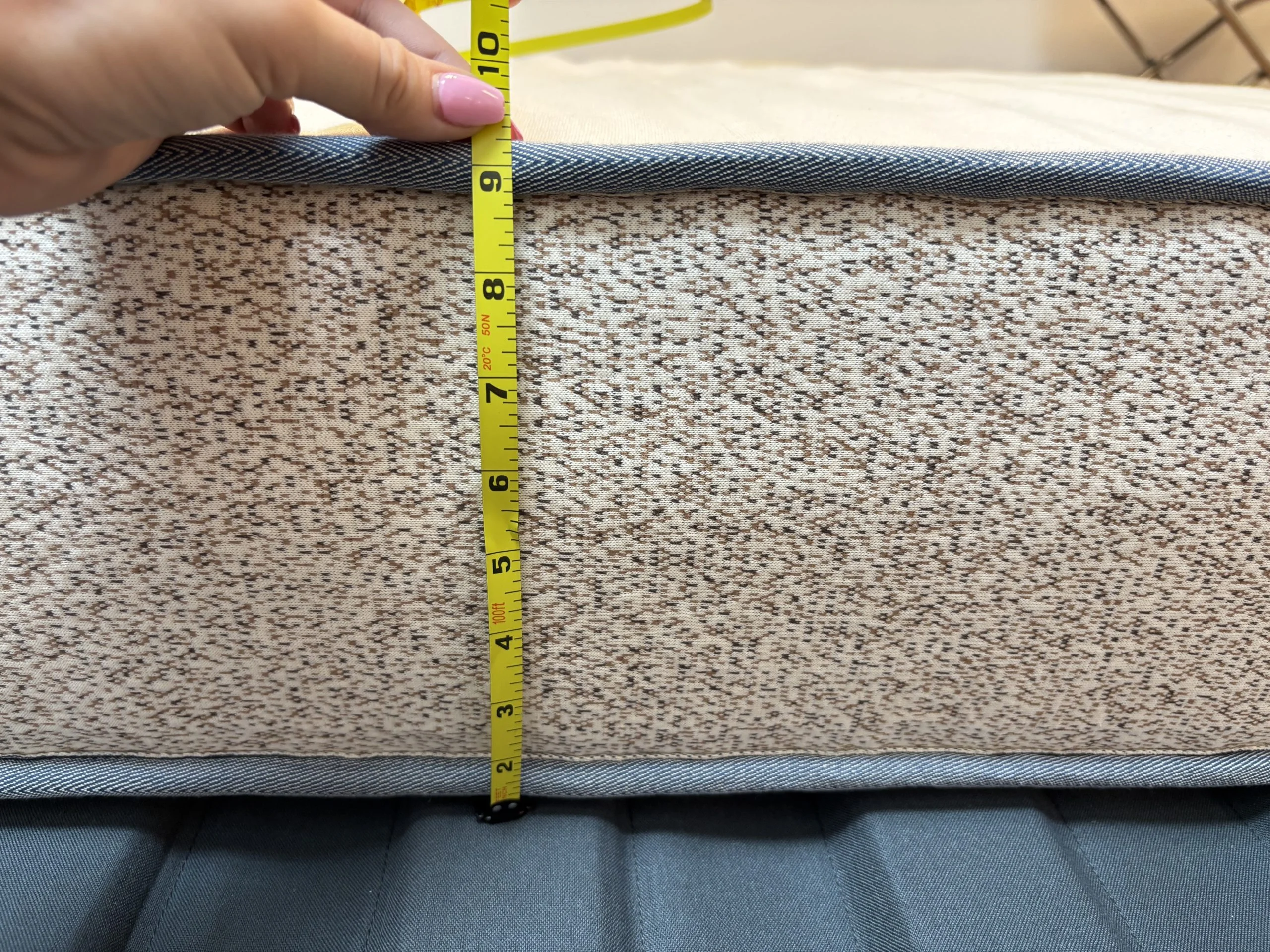
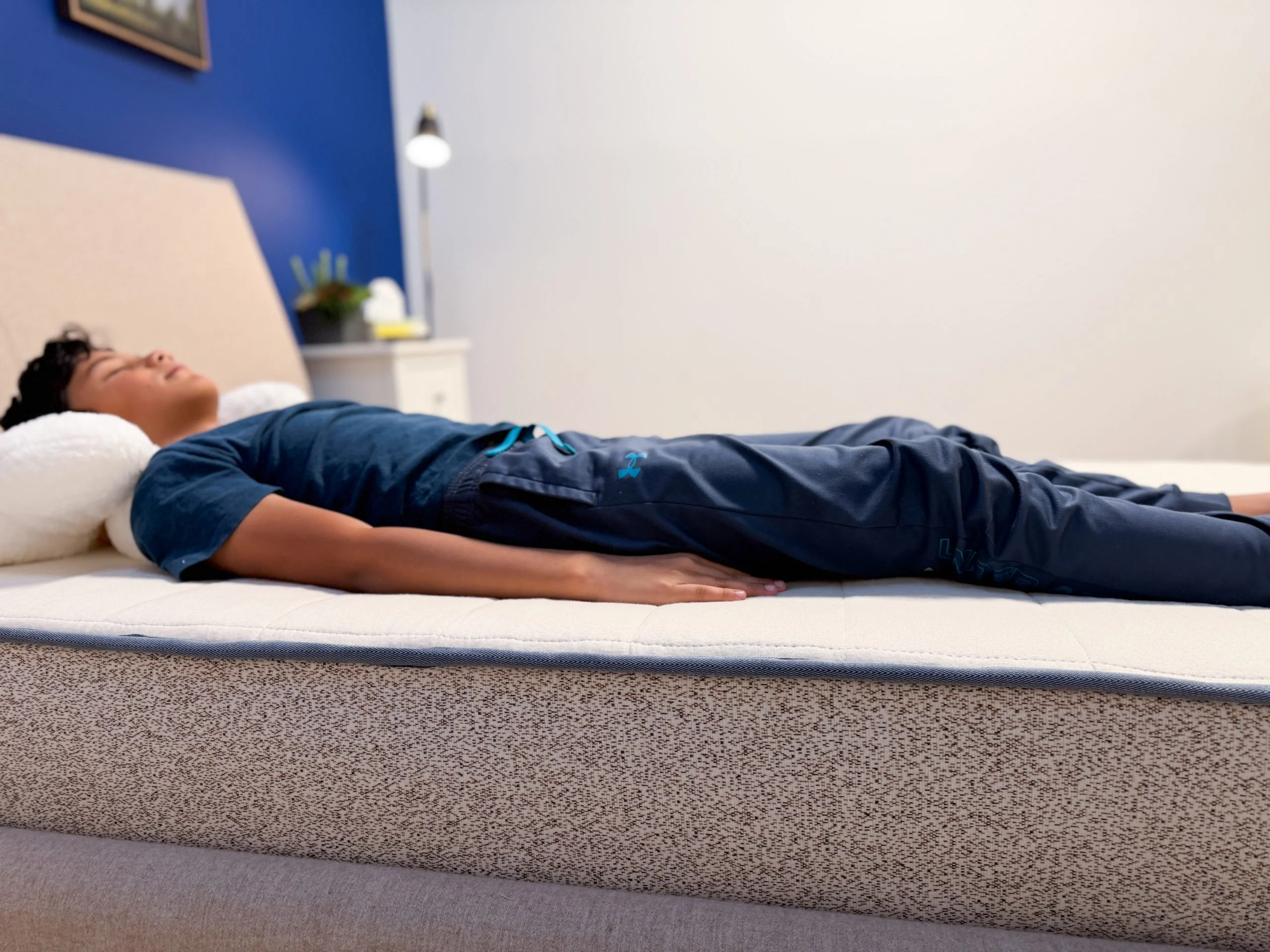
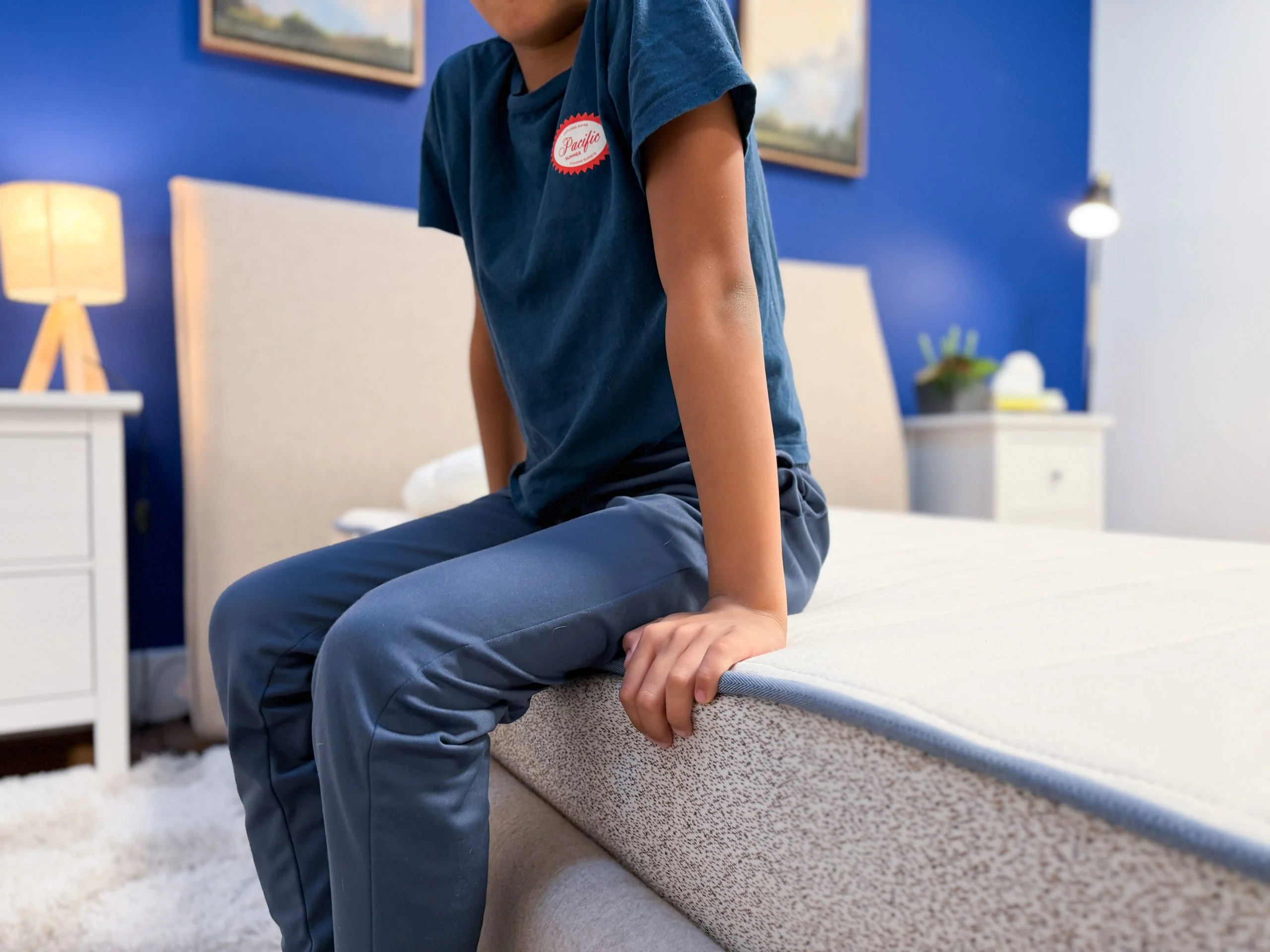
The Birch Kids Natural is made of organic materials like cotton, wool, and latex, which is made from tree sap, making it eco-friednly, allergen resistant, and healthy. What’s also special about the Birch Kids Natural is its flippable nature. One side is soft and pressure-relieving (meant for kids ages 8–12), while the other side is firmer (intended for kids ages 3–7).
What our tester says:
“Birch is a great brand for those trying to avoid synthetic materials. The Birch Kids mattress is a nice pick for the little ones since you can flip it as your child grows and get ample use out of it.” -Bridget Chapman, former senior product editorWhy It’s the Best Hypoallergenic Mattress for Kids
- The Birch Kids provides an organic, hypoallergenic, and fiberglass-free sleep surface for children with allergies.
- Children who frequently toss and turn to get comfortable should find it easy to do so on the Birch Kids, thanks to the springy latex.
- The firmer side provides a solid base that promotes proper posture, while the softer side offers enough cushioning for older children.
How Did It Perform During Testing?
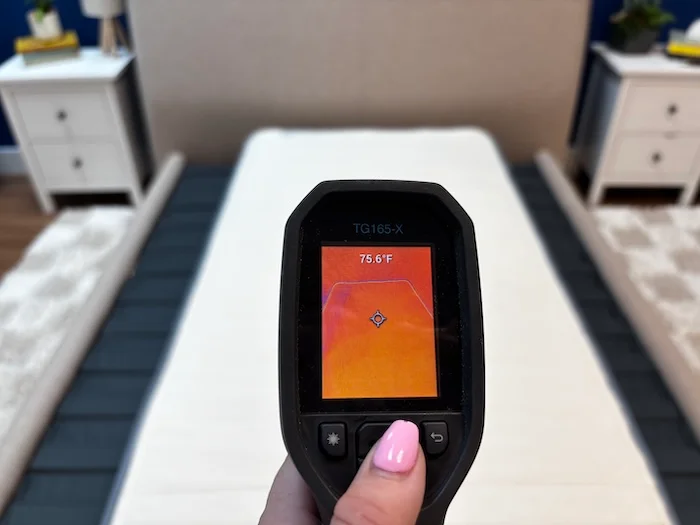
Cooling (ages 2-7): 3/5
Both sides of the Birch Kids mattress increased by nearly 11 degrees after lying on them for 5 minutes, which is slightly above average.
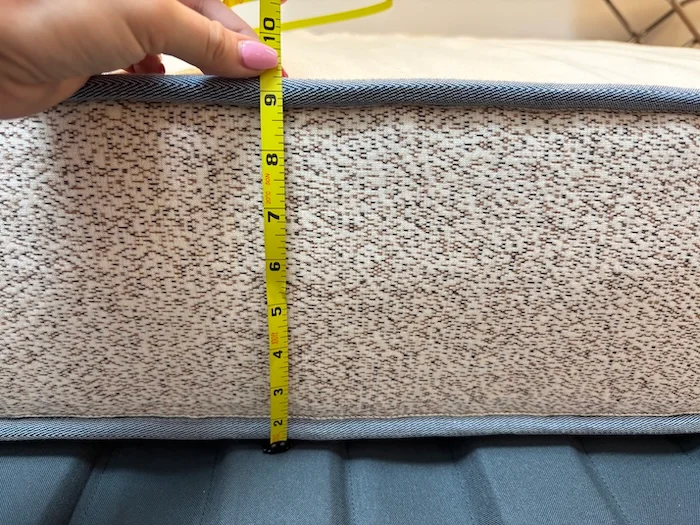
Edge Support (ages 2-7): 5/5
Both sides of the Birch Kids offer robust edge support. That said, some sleepers may feel the coils on the firmer side.
Pressure Relief (ages 2-7): 4.5/5
The firmer side of the Birch Kids is ideal for younger kids who need a more supportive surface for spinal alignment.
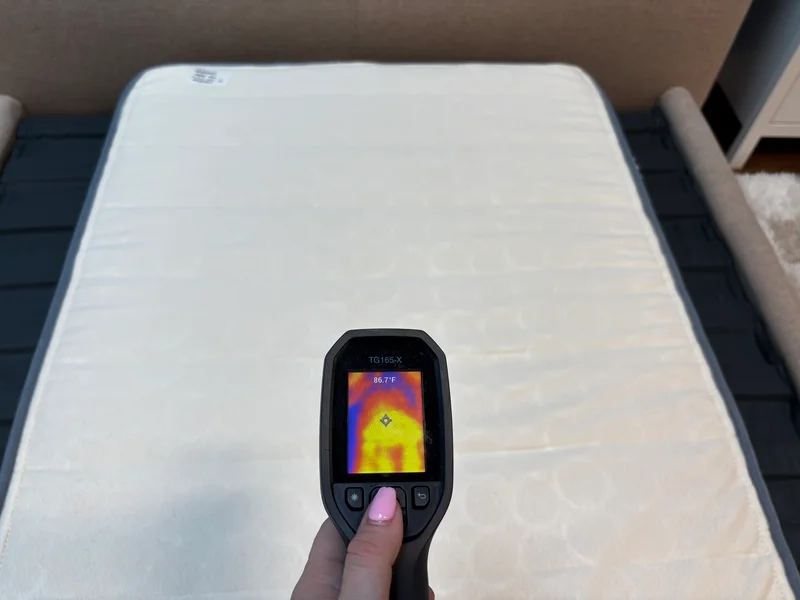
Cooling (ages 8+): 3/5
The softer side of the Birch Kids retained roughly the same amount of heat as its firmer side.
Edge Support (ages 8+): 5/5
Our testers found that the softer side was just as supportive as the firmer side.
Pressure Relief (ages 8+): 5/5
The softer side of the Birch Kids has a more balanced feel that should offer pressure relief to older kids and some adults.
Tester Notes
After evaluating the hypoallergenic materials of the Birch Kids Natural, mattress tester Riley Otis was impressed by how well-made its construction felt and by the number of certifications it boasts.
“The Birch Kids Natural mattress is GREENGUARD Gold certified,” she explained. “The natural wool fire barrier, Fair Trade certified organic cotton, and eco-INSTITUT certified latex all contribute to its non-toxic properties and sustainability. Plus, its natural Talalay latex provides a bouncy, responsive feel that allows kids to move freely on the mattress without feeling trapped.”
How Does It Feel in Different Sleeping Positions?
| Body Weight | Side | Back | Stomach |
|---|---|---|---|
| Light (under 130 lbs) | good | excellent | excellent |
| Average (130-230 lbs) | good | excellent | unpleasant |
| Heavy (over 230 lbs) | unpleasant | unpleasant | unpleasant |
| Body Weight: Light (under 130 lbs) | |
|---|---|
| Side Sleeper | good |
| Back Sleeper | excellent |
| Stomach Sleeper | excellent |
| Body Weight: Average (130-230 lbs) | |
| Side Sleeper | good |
| Back Sleeper | excellent |
| Stomach Sleeper | unpleasant |
| Body Weight: Heavy (over 230 lbs) | |
| Side Sleeper | unpleasant |
| Back Sleeper | unpleasant |
| Stomach Sleeper | unpleasant |
Our Expert Opinion
Studies show that many commercial mattresses contain volatile and semivolatile organic compounds (VOCs and SVOCs) that could impact your child’s health. Fortunately, the Birch uses all organic materials, so you don’t have to worry about them coming into contact with any allergens or harmful emissions. This mattress is also good for growing kids, earning a 4 out of 5 or higher in edge support and back-sleeping pressure relief.
That said, it is a premium option, and its price reflects that. If you are on a budget, you might want to consider one of the more affordable mattresses on this list. However, this is a worthy investment that is healthy, durable, and comfortable for your growing child.
Choose the Birch Kids Mattress if …
- Your child has allergies. The Birch Kids is made with all-organic and hypoallergenic materials.
- You want a mattress that will last a long time. The Birch Kids’ premium materials should resist sagging for many years.
Keep looking if …
- You are looking for a budget option. While this durable mattress is a worthy investment, it is one of the pricier options on our list.
- You want a larger mattress that your child can grow into. Check out the standard Birch Natural for a similar mattress available in more sizes.
Our full Birch Kids mattress review is coming soon.
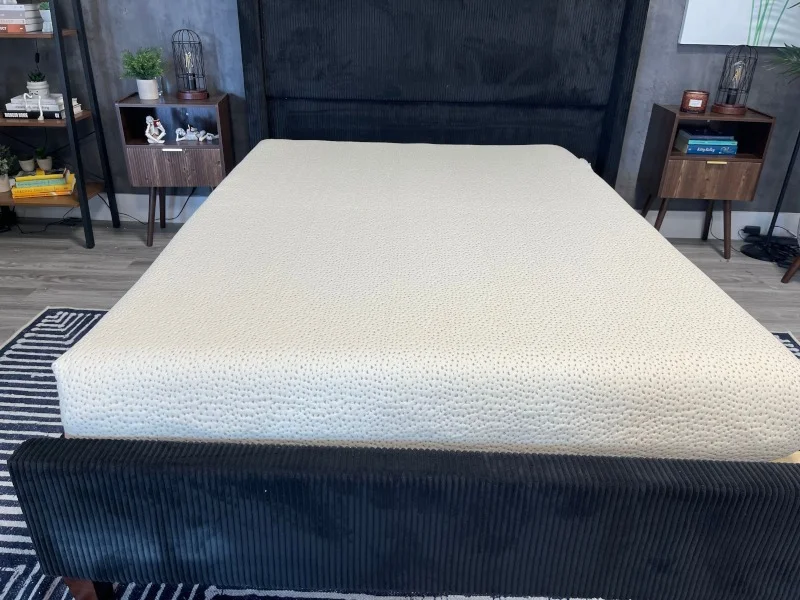
5 Little Monkeys Mattress – Best First Big-Kid Mattress
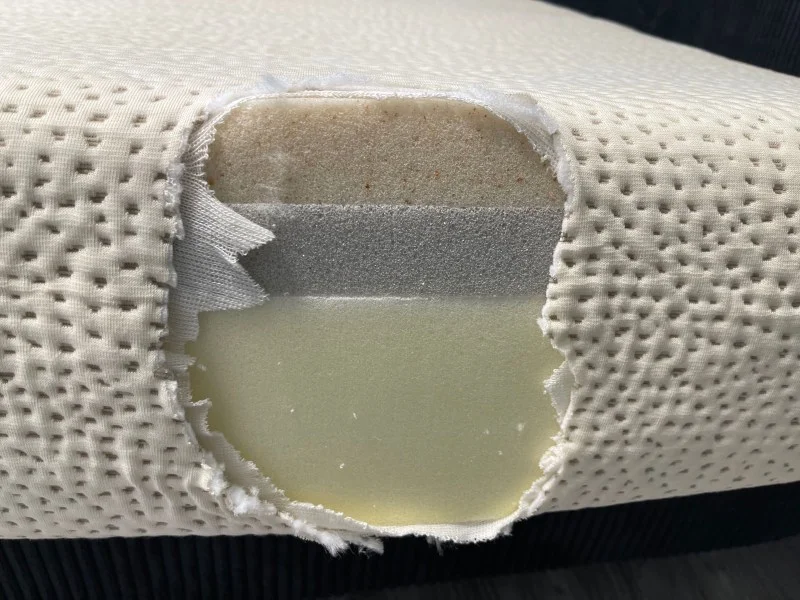
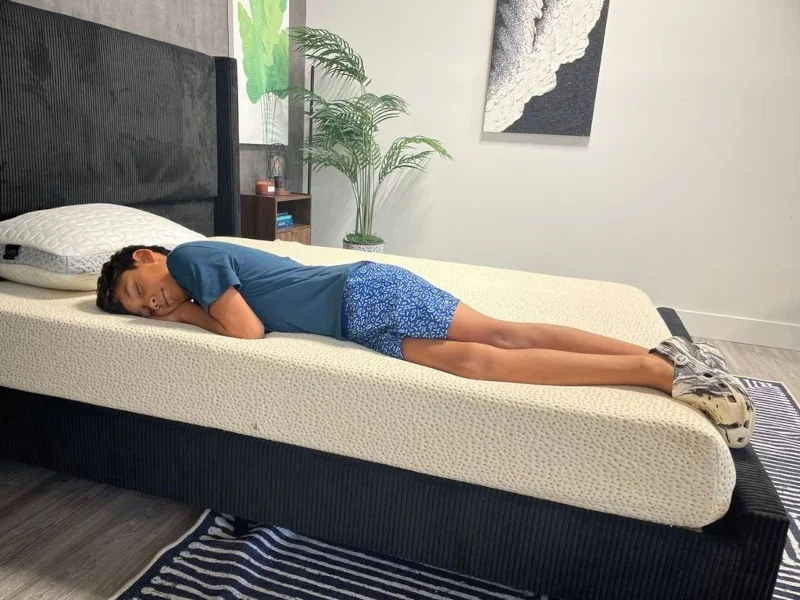
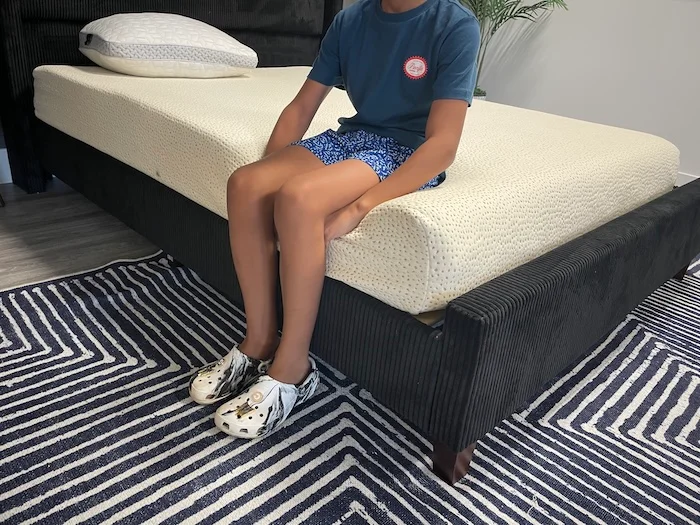
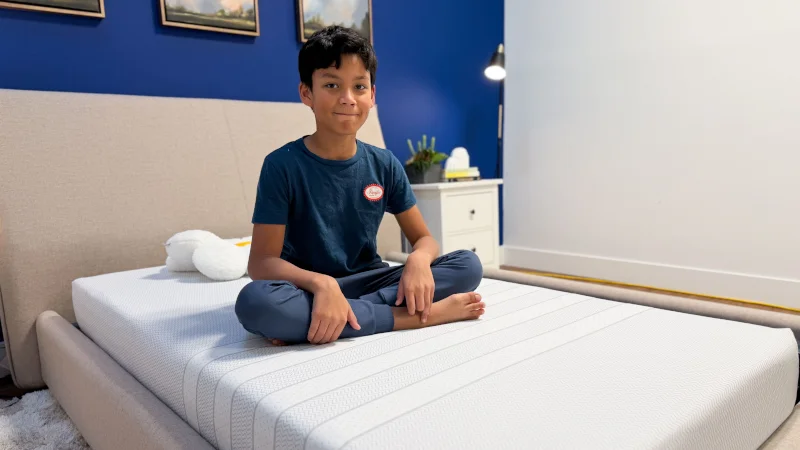
With a dynamic foam design, the 5 Little Monkeys mattress should support a variety of ages. Your child can start sleeping in it as early as 5 years old, with the bed lasting until they’re at least 13. And despite a dense, all-foam construction, we actually found that this mattress sleeps quite cool. Learn more in our video review.
What our tester says:
“Finding the perfect first “big kid” bed for your child can feel overwhelming, but it doesn’t have to be. As you begin your search, stay on the lookout for ultra-soft foams as they’ll be able to better support your child’s light frame. You’ll also want to ensure that the bed is durable enough to hold up through marathon jumping sessions and pillow fights. And finally, you’ll want it to sleep cool, so find a bed designed with temperature regulation in mind. In my opinion, the 5 Little Monkeys mattress checks all these boxes with its gentle comfort and transition layers, solid foundation and cooling gel-infused memory foam.” -Logan Block, former content directorWhy It’s the Best First Big-Kid Mattress
- The gel memory foam in the 5 Little Monkeys mattress helps regulate temperature, which is especially important for children who might get too warm at night.
- The mattress is supportive enough to accommodate children of all body types and some lighter adults.
- Every purchase comes with useful bonuses, including a mattress protector, pillow, storage tote, and an adorable stuffed monkey.
How Did It Perform During Testing?
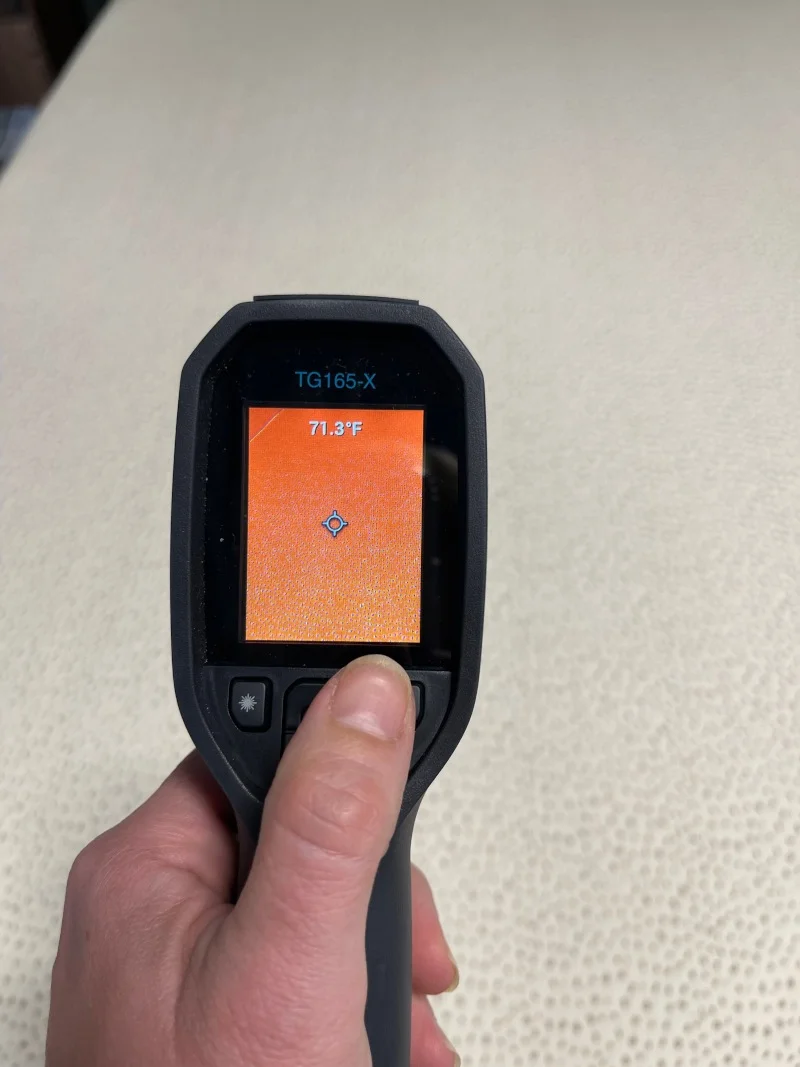
Cooling: 4/5
Our testers felt the soft cover of the 5 Little Monkeys mattress warm up beneath them, but it wasn’t stuffy or uncomfortable.
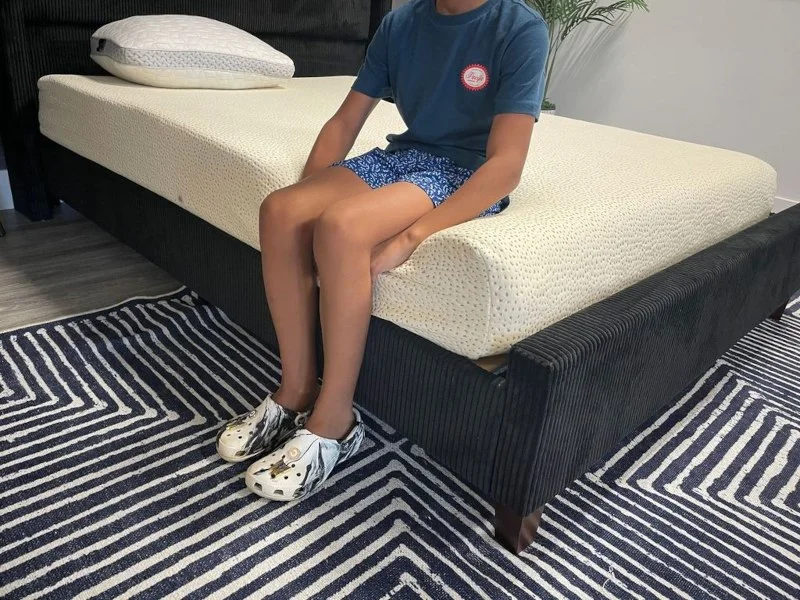
Edge Support: 5/5
The perimeter of the 5 Little Monkeys mattress is supportive enough for children and lightweight adults.
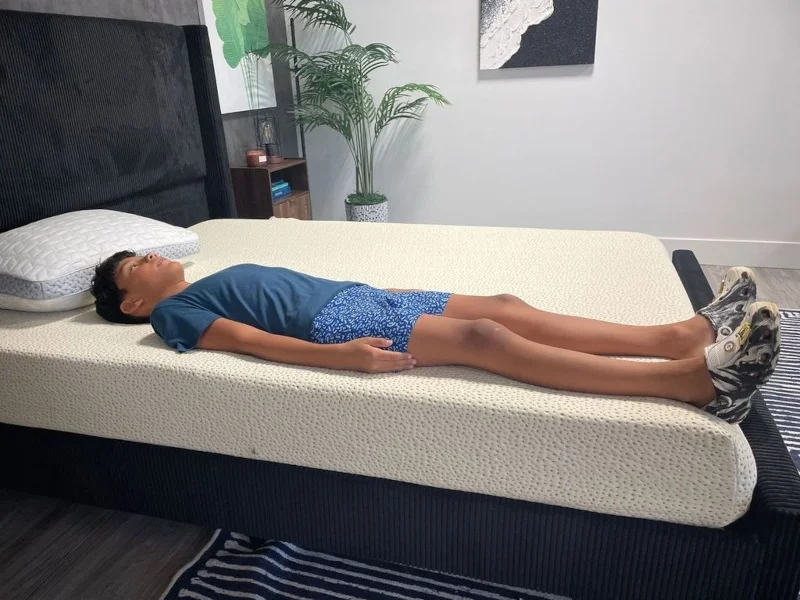
Pressure Relief: 4/5
The 5 Little Monkeys offers equal parts cushioning and support, making it a great pressure-relieving option for back and side-sleeping children.
Tester Notes
Mattress tester Riley Otis tested the edge support of the 5 Little Monkeys mattress by lying down and sitting on the perimeter. She was impressed by the stable, all-foam construction and awarded it a perfect 5-star score in this category.
“I think the edge support on this bed is super solid, especially for a 10-inch mattress,” Riley said. “When I sat on the side of the bed, I felt completely supported with minimal sinkage.”
How Does It Feel in Different Sleeping Positions?
| Body Weight | Side | Back | Stomach |
|---|---|---|---|
| Light (under 130 lbs) | excellent | excellent | excellent |
| Average (130-230 lbs) | good | excellent | good |
| Heavy (over 230 lbs) | unpleasant | unpleasant | unpleasant |
| Body Weight: Light (under 130 lbs) | |
|---|---|
| Side Sleeper | excellent |
| Back Sleeper | excellent |
| Stomach Sleeper | excellent |
| Body Weight: Average (130-230 lbs) | |
| Side Sleeper | good |
| Back Sleeper | excellent |
| Stomach Sleeper | good |
| Body Weight: Heavy (over 230 lbs) | |
| Side Sleeper | unpleasant |
| Back Sleeper | unpleasant |
| Stomach Sleeper | unpleasant |
Our Expert Opinion
The 5 Little Monkeys mattress is my top pick for kids transitioning to their own bed. Our testers immediately noticed how well the memory foam conformed to their bodies and provided them with a soft yet supportive feel. Our in-house team gave it strong scores across the board, including a 4 out of 5 or higher in cooling and edge support.
One thing to note about the 5 Little Monkeys mattress is that our testers noticed a very strong off-gassing smell upon arrival. While the smell was not overpowering enough to be a dealbreaker, I recommend letting the mattress air out for 24 to 48 hours in a well-ventilated room before adding sheets.
Choose the 5 Little Monkeys Mattress if …
- You are looking for a children’s mattress that is available in a queen.
- Your child tends to overheat at night and needs something well-ventilated with added cooling features.
Keep looking if …
- Your child is sensitive to strong smells. The 5 Little Monkeys mattress had a particularly strong off-gassing smell when we unboxed it. While it should go away within a day or two, it is something to keep in mind for children who are particularly sensitive to smells or have allergies.
- You would prefer a taller mattress for your child. While the 5 Little Monkeys is available in a queen-size bed, it is a little on the thinner side. If you would prefer a denser mattress that your little ones can grow into, I recommend the Nolah Signature.
For more information about this bed, read our full 5 Little Monkeys mattress review.
Latest Updates: In April 2026, we updated this roundup to reflect our latest hands-on testing notes for each model. We also moved the Nolah Nurture to our runners-up list to keep our top picks as focused and streamlined as possible. Additionally, we refreshed the buyer’s guide to highlight the most important factors to consider when shopping for the best kids’ mattress.
Other Mattresses for Kids I Considered
There were many other mattresses that I considered for this list, and a couple just barely missed the mark. Although they didn’t make it onto the final list, these beds are still great options for your children, depending on their needs.
Nolah Nurture
If your little one suffers from allergies, the Nolah Nurture mattress might be able to help shoo away those sniffles. During testing, the Nolah was one of our favorite hypoallergenic options for kids, thanks to its solid performance in the edge support and pressure relief categories. We ultimately decided to leave the Nolah off our final list because of its higher-than-average price tag (almost $1,000 before discounts).
Brentwood Home Juniper
The Juniper by Brentwood Home is a supportive mattress that uses healthy materials to provide kids with a clean and comfortable sleep environment. The Juniper impressed our certified sleep science coaches in the edge support and pressure relief categories, but fell short during our cooling tests.
How We Picked and Tested the Best Mattresses for Kids
Our team of certified sleep science coaches and in-house mattress testers has spent many hours testing hundreds of mattresses to find the best ones for every type of sleeper, including your kiddos! We use our hands-on experience alongside expert feedback to evaluate all types of mattresses across performance categories such as responsiveness, pressure relief, and cooling to determine which beds can best address your sleep needs.
Learn more about how we decided on the best mattresses for kids below.
Edge Support
A supportive mattress helps you maintain proper spinal alignment and ensures the best sleep possible. The right mattress for your child should keep their body in a neutral position to reduce the risk of aches and pains, particularly if they sleep on their back or stomach. We test support by lying on each mattress and carefully monitoring how well our bodies maintain a neutral alignment.
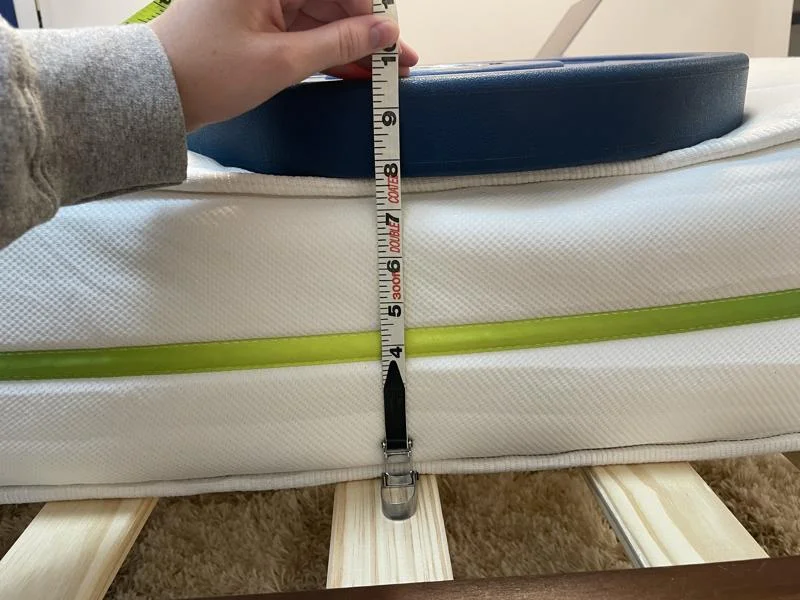
This support should also extend to the far reaches of the mattress, which is why we also conduct tests focused on edge support. A sturdy mattress perimeter allows sleepers to lie along the sides of the bed without feeling like they are going to fall off.
The average edge support score among all the mattresses we’ve tested is 4 out of 5. The only mattress on this list that didn’t meet this benchmark was the softer-than-average Leesa Kids mattress.
How the Best Mattresses for Kids Scored in Edge Support
| Mattress | Edge Support Score |
| Helix Kids Mattress | 5/5 and 4.5/5 |
| Nectar Kids Mattress | 4/5 |
| Saatva Youth Mattress | 5/5 and 4.5/5 |
| Bear Cub | 4.5/5 |
| Leesa Kids | 3.5/5 |
| BB Kids | 4.5/5 |
| Birch Kids Natural | 5/5 |
| 5 Little Monkeys Mattress | 5/5 |
Cooling
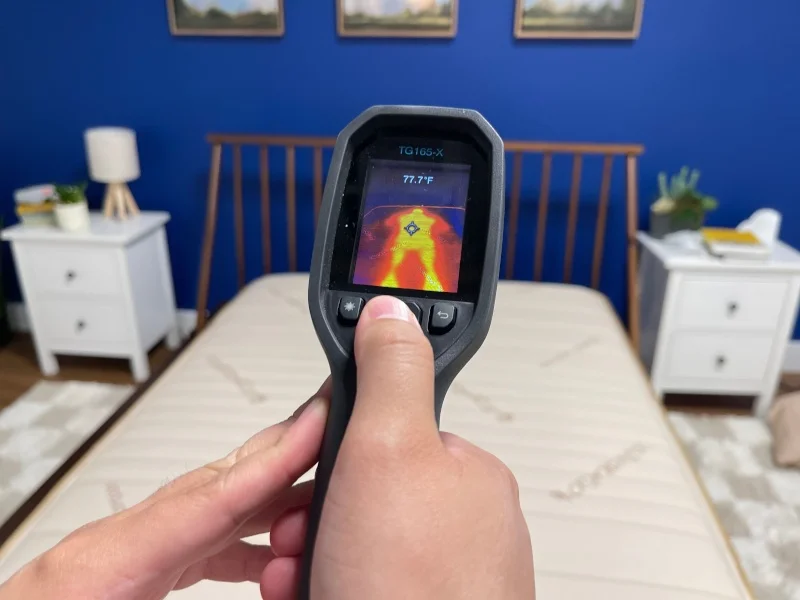
Many mattress brands boast that their beds have excellent cooling capabilities, so we go out of our way to verify those claims with our thermal gun. A thermal gun is a tool that measures the surface temperature and how quickly and by how much it retains or dissipates body heat. This test allows us to assess each model’s temperature-regulating abilities and determine if it is a fit for hot sleepers.
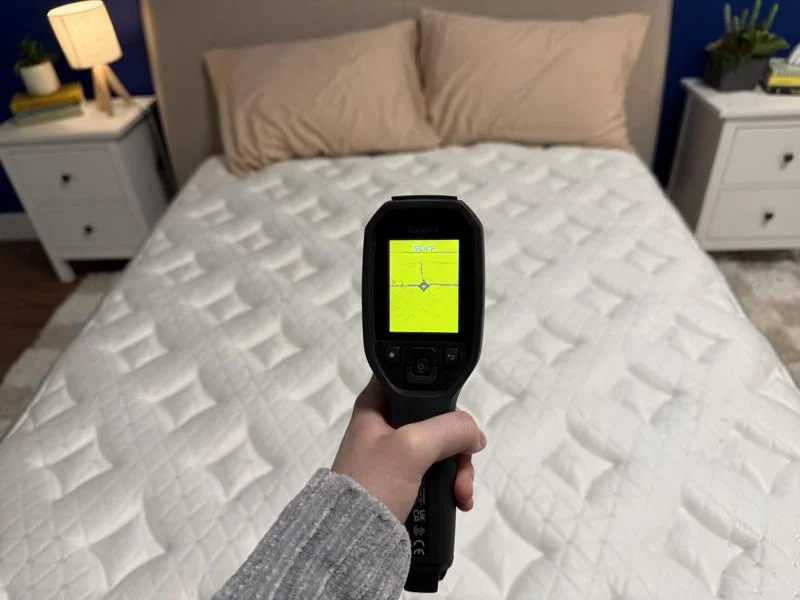
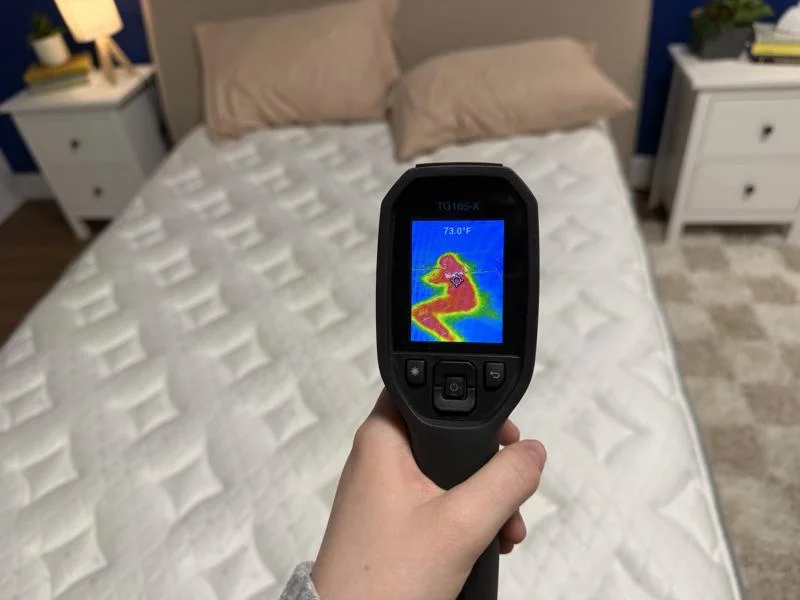
We take an initial thermal reading of a mattress, and then measure it again after five minutes of lying on it. An increase of 5 to 10 degrees indicates good cooling, 10 to 15 degrees indicates decent cooling, and more than 15 degrees indicates poor cooling.
The average cooling score is 3.9 out of 5. Of the mattresses on this list, the BB Kids and Birch Kids were the only models that scored below 3.9, likely because their soft, pressure-relieving layers absorb more heat than mattresses with breathable innerspring coils.
How the Best Mattresses for Kids Scored in Cooling
| Mattress | Cooling Score |
| Helix Kids Mattress | 4/5 |
| Nectar Kids Mattress | 4/5 |
| Saatva Youth Mattress | 4/5 |
| Bear Cub | 4/5 |
| Leesa Kids | 4/5 |
| BB Kids | 3.5/5 |
| Birch Kids Natural | 3/5 |
| 5 Little Monkeys Mattress | 4/5 |
Pressure Relief
When evaluating how well a mattress relieves pain and tension, we use a specialized mat called a pressure map to render digital thermal images of the areas where pressure builds up on our bodies. Our testers place this mat on the mattress and lie on it in various positions. Next, we evaluate the color-coded thermal image it creates to determine how much pressure side, back, and stomach sleepers should expect to feel on the mattress.

Effective pressure relief is especially important for children because they tend to experience more tension in their heads and heels than adults.
When looking at pressure relief scores across all the mattresses we’ve tested, we found that the average was 3.8 out of 5. While most of the mattresses on this list scored above that benchmark, a handful fell just below it. This may be because many children’s mattresses are designed to feel firmer, providing the support growing bodies need.
How the Best Mattresses for Kids Scored in Pressure Relief
| Mattress | Pressure Relief Score |
| Helix Kids Mattress | 3/5 and 3.5/5 |
| Nectar Kids Mattress* | 3.5/5 and 4.8/5 |
| Saatva Youth Mattress | 4/5 |
| Bear Cub | 4.5/5 |
| Leesa Kids | 4.5/5 |
| BB Kids | 2/5 |
| Birch Kids Natural* | 4.5/5 and 5/5 |
| 5 Little Monkeys Mattress | 4/5 |
*The mattress is flippable and thus has a pressure relief score for both sides.
Other Tests
When testing the mattresses above, we only assessed edge support, cooling, and pressure relief. Normally, when we test mattresses, we also test categories like responsiveness (how bouncy a mattress is and how easy it is to move around on it) and motion isolation (how well a mattress can trap motion on one side of the bed and prevent it from traveling to the other side), as these are important factors for adults and couples.
To learn more about how we perform all our tests on “grown-up” mattresses, check out our review methodology.