
 Mattress Reviews
 Best Mattresses
 Compare Mattresses
 Accessory Reviews
 Sleep Science
 Sleep Disorders
 Sleep Tips
 Health























Bunk beds are great space-savers or room-invigorators, letting kids and teens sleep in fun lofted configurations or share their bedroom with siblings. You can even find them in dorms or guest rooms. Whether you’re a top- or bottom-bunk kind of person, it’s important you find the right mattress for your new bunk bed, and that’s where we come in.
Our expert testers have evaluated hundreds of mattresses over the years, including those advertised for children and bunk beds. We’ve helped more than 60,000 people find their new favorite mattress, with 15,622 of those satisfied shoppers in 2024 alone. Our team consists of certified sleep science coaches, our chief medical advisor, Dr. Raj Dasgupta, and our medical product tester, Dr. Joe Tedesco, for a holistic picture of how well a mattress will work for you.
When choosing the best mattresses for a bunk bed, we first and foremost want them to fit into a bunk bed frame and come in the appropriate twin, twin XL, or full sizes. On top of that, they should be comfortable and affordably priced, since you’ll likely buy double. The beds on this list should meet these criteria while offering the luxury of choice: We have a mix of memory foam and hybrid, soft and firm, and beds for sleepers young and old.
Our Top Pick:
Based on our testing and expert input, the best bunk bed mattress is the Helix Kids mattress, which offers flippable construction for kids of all ages, customizable height, and overall comfort. The older kids’ side has a versatile medium-firm feel that could also be comfortable for adults. The bed scored exceptionally well for cooling and edge support. It’s also our top pick for the best mattress for kids if you’re seeking a mattress your little ones will love.
Best Mattresses for a Bunk Bed
- Helix Kids – Best Bunk Bed Mattress Overall
- Bear Cub – Best Twin-Size Mattress for a Bunk Bed
- Nectar – Best Full-Size Mattress for a Bunk Bed
- DreamCloud – Best Bunk Bed Mattress for Adults
- BB Kids – Best Affordable Mattress for a Bunk Bed
- Dreamfoam Essential – Best 6-Inch Mattress for a Bunk Bed
- Plank Firm – Best Firm Mattress for a Bunk Bed
Disclaimer: Please note that the content in this article is meant for informational purposes only and should not be construed as medical advice or serve as a substitute for seeing a medical professional regarding any sleep problems you may have. Please see your doctor regarding any urgent medical issues.
What I Looked For in Bunk Bed Mattresses
Our testing methodology includes several factors related to performance and construction to determine the overall quality and comfort of a mattress. When it comes to a mattress for a bunk bed, we had to get a bit more specific in choosing our top picks. Here’s what we honed in on:
- A low profile: In the traditional bunk bed configuration, you’ll have two mattresses in one frame. Someone gets the lofted top bunk, and someone will have the lower bunk, which is closer to the floor. Your mattresses must fit into the allotted space, but it’s also important that whoever’s on top has enough room overhead to sleep without feeling suffocated. That’s why we opted for mattresses under a foot tall, which is what you typically see on the online market. In my opinion, the best range is anywhere from 8 to 10 inches, but this can shift depending on your needs or preferences, or that of who’s sleeping in the bunk.
- Available in the correct sizes: Bunk beds are usually only available in a limited number of sizes, especially for space-saving. You’re not going to have a queen-size bunk bed dominating the room. The most common bunk bed sizes are twin, twin XL, and full. So, I made sure that each of these mattresses was available in at least twin and full-size mattresses. Note that some of the kids’ beds on this list aren’t available in twin XL sizes (the Bear Cub and Helix Kids), but they may not be the best fit for older sleepers with a larger frame in the first place.
- Affordable: If you’re purchasing a bunk bed and not just a loft bed, you’re likely going to need two bunk mattresses. For this reason, I opted for mattresses that are on the more affordable end of the price scale, especially for the smaller sizes. Of course, all of these beds will offer plenty of bang for their buck. I considered how they performed across the board when ensuring they would be a value pick, rather than just a cheap bed.
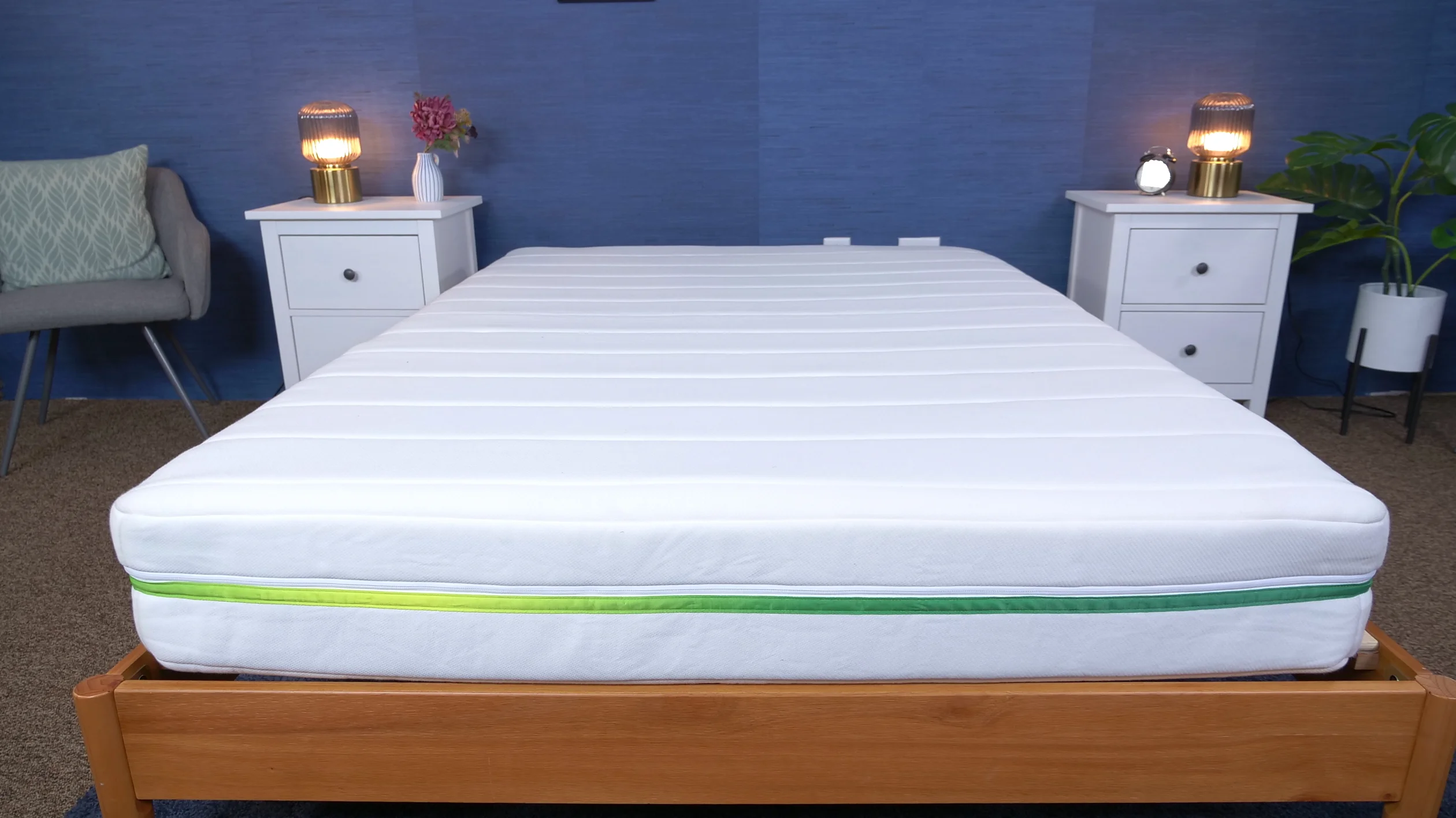 | 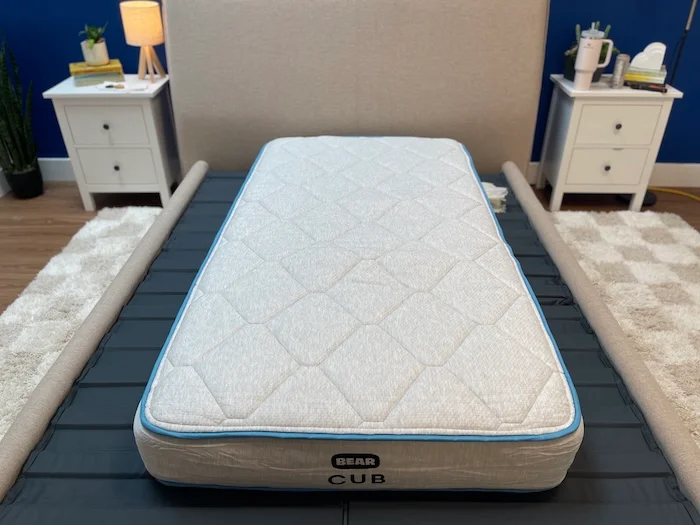 | 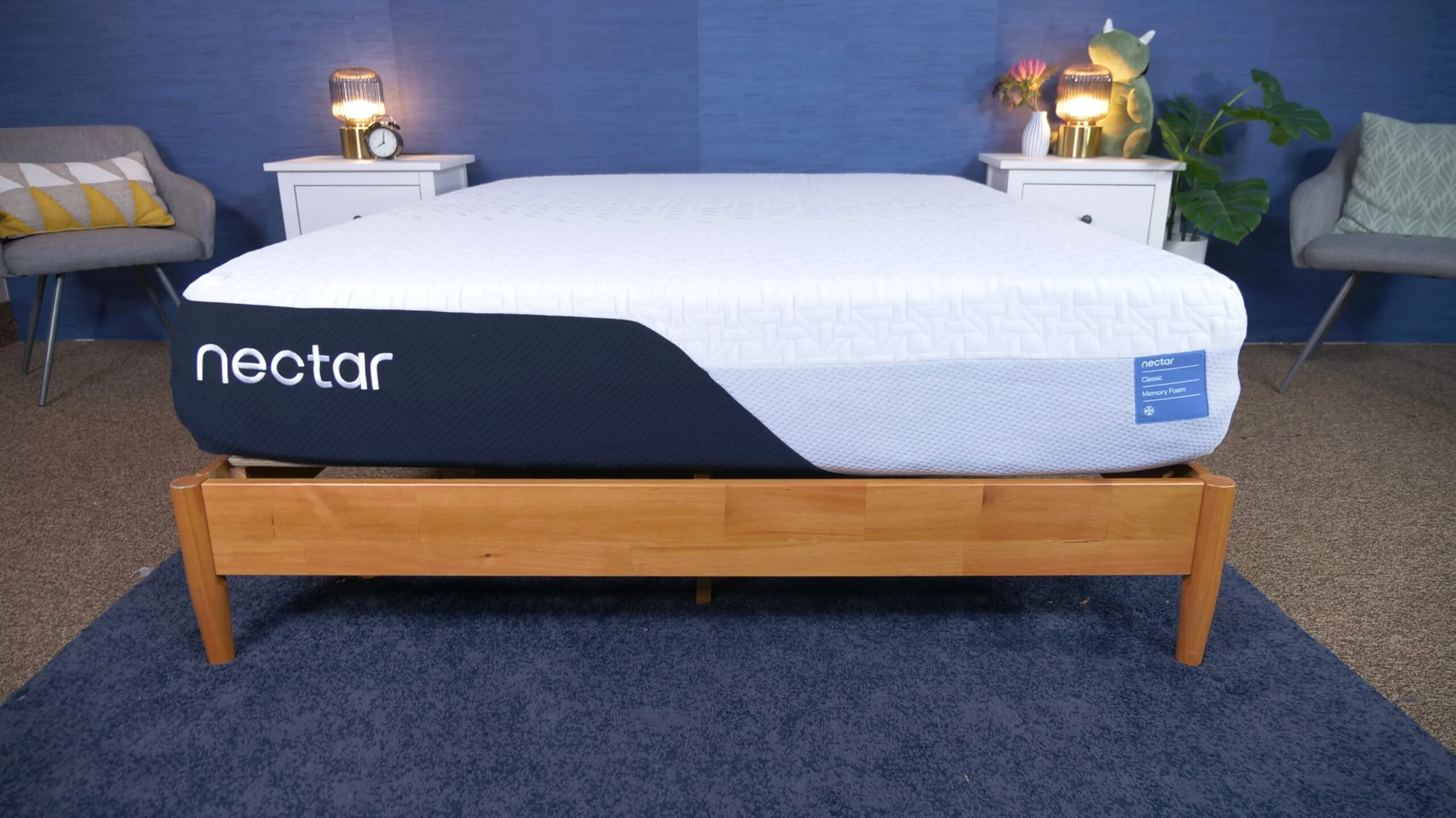 | 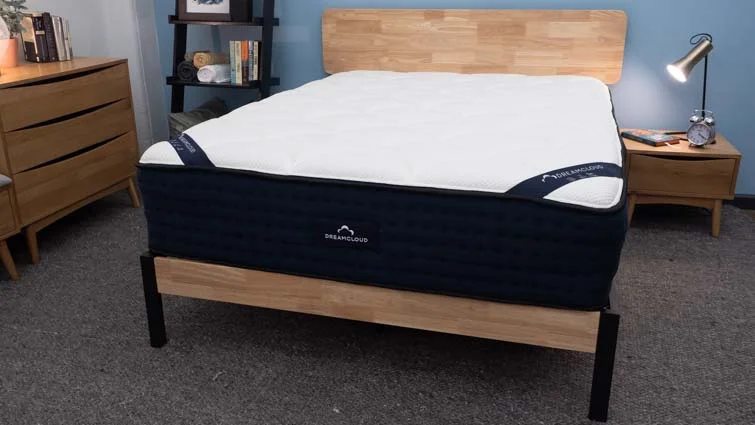 |  |  |  | |
| Helix Kids Mattress | Bear Cub | Nectar Mattress | DreamCloud Original Mattress | BB Kids | Dreamfoam Essential Memory Foam Mattress | Brooklyn Bedding Plank Firm Mattress | |
| Rating | |||||||
| Firmness | Medium-firm: 6.5/10 | Medium-firm: 6.5/10 | Firm: 7.5/10 | Firm: 7.5/10 | Multiple firmness options | ||
| Material | Hybrid | Hybrid | Foam | Hybrid | Foam | Foam | Foam |
| Cooling | — | — | — | — | — | ||
| Best For | Side Sleepers, Back Sleepers, Stomach Sleepers, Hot Sleepers, Kids | Kids | Side Sleepers, Back Sleepers, Stomach Sleepers, Back Pain, Couples | Back Sleepers, Stomach Sleepers, Hot Sleepers, Seniors | Kids | Side Sleepers, Back Sleepers | Back Sleepers, Stomach Sleepers, Back Pain, Seniors |
Helix Kids – Best Mattress for Bunk Beds Overall
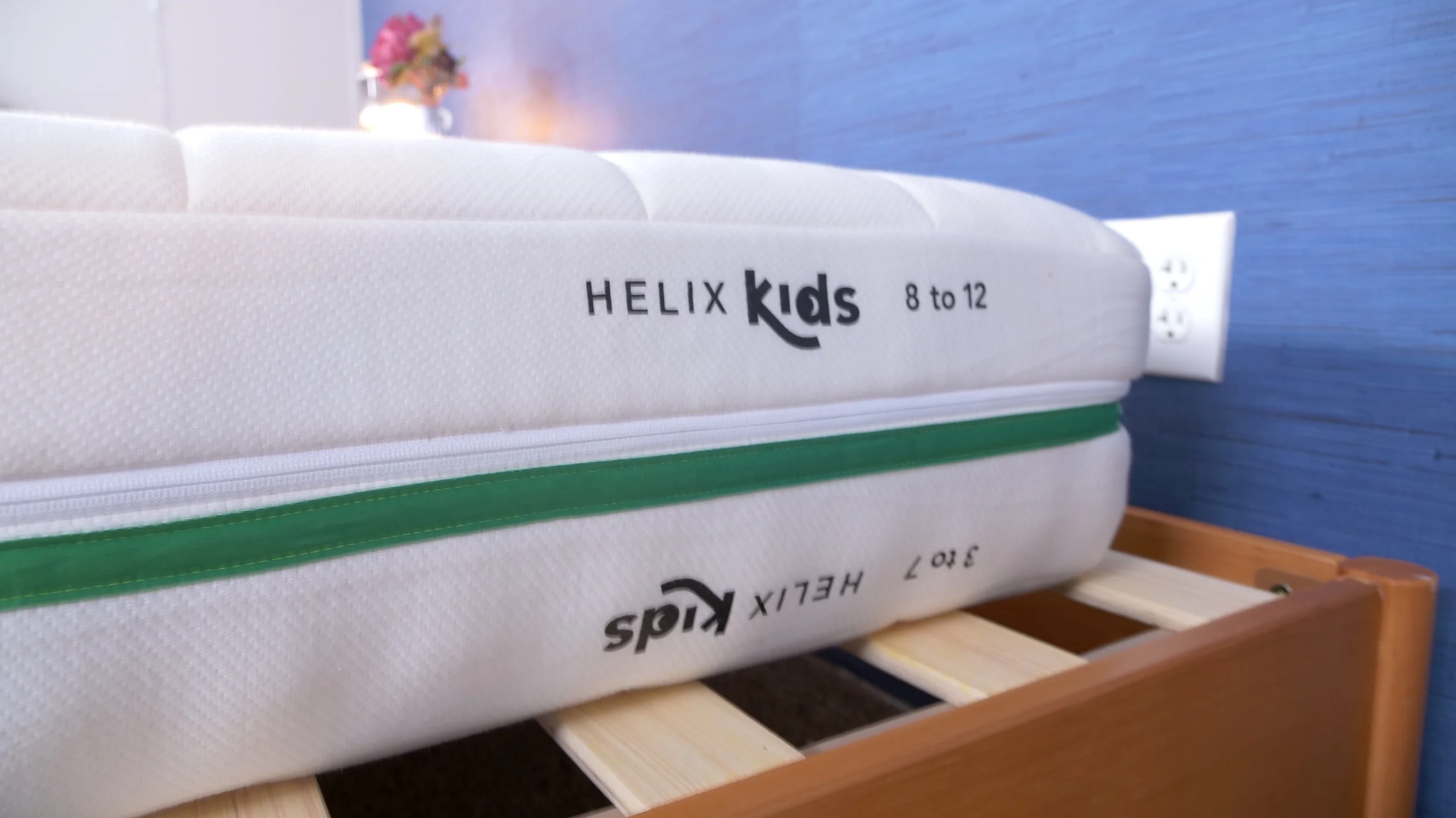
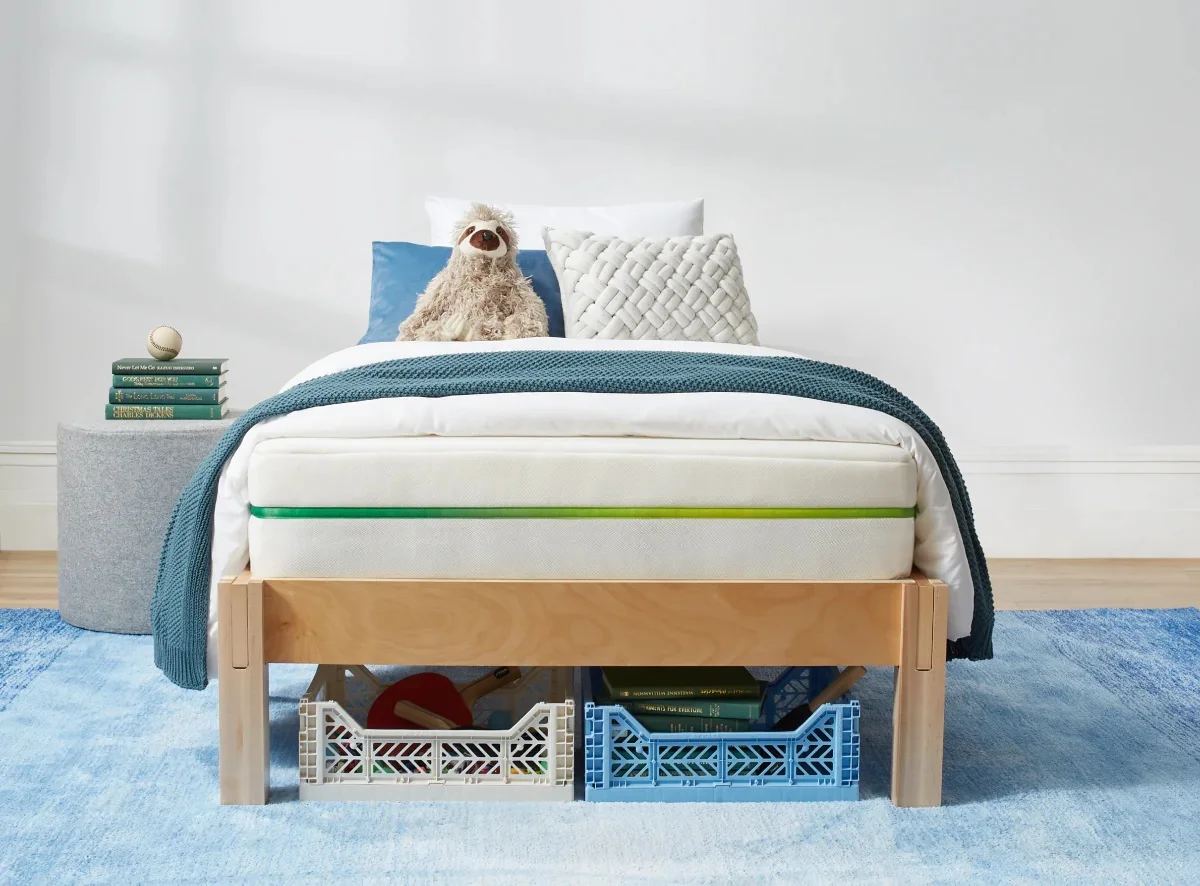


When choosing the best mattress for your little one, you want to pay special attention to quality materials, adequate pressure relief for growing pains, and overall durability for long-lasting support. The Helix Kids checks all these boxes and is entirely tailored towards children between 3 and 12. It’s also made with completely non-toxic materials, earning a GREENGUARD Gold certification. Learn more about the Helix Kids in our video roundup of the best mattresses for kids.
What our tester says:
“What a great option for parents trying to find a mattress that will work for their growing child. I really liked the Helix Kids’ flippable, hybrid design. I found it offered high-quality materials and great support for younger people.”– Bridget Chapman, former senior product editor
The Helix Kids mattress is a flippable hybrid mattress designed for kids, featuring dual firmness that accommodates both young children and those over the age of 8. It even earned the top spot on our best for kids roundup — but our lightweight adult tester, Riley Otis, was also able to rest comfortably on this bed.
It’s available in both 6-inch and 8-inch configurations, each perfect for a bunk bed setup. The bed also features a stain and water-resistant cover to protect against spills or accidents, and it earned high marks for edge support (4.5 out of 5) and cooling (4 out of 5) in our tests.
The Helix Kids mattress features two sides: one is a bit firmer to support kids aged 2 to 8 as their bodies grow, the second is a bit softer for kids aged 8 and up. Our testers found this to be true in our firmness and pressure relief evaluation. Riley rated the 2-to-8 side at a firmer 7.5 out of 10 on our scale, while the 8-and-up side came in at a true medium firm (6.5 out of 10).
We even had our young tester Conrad, age 10, give the 8-and-up side a whirl. “I like the mattress more on my back than my side,” he said. “It’s not too firm, but actually a little soft.”
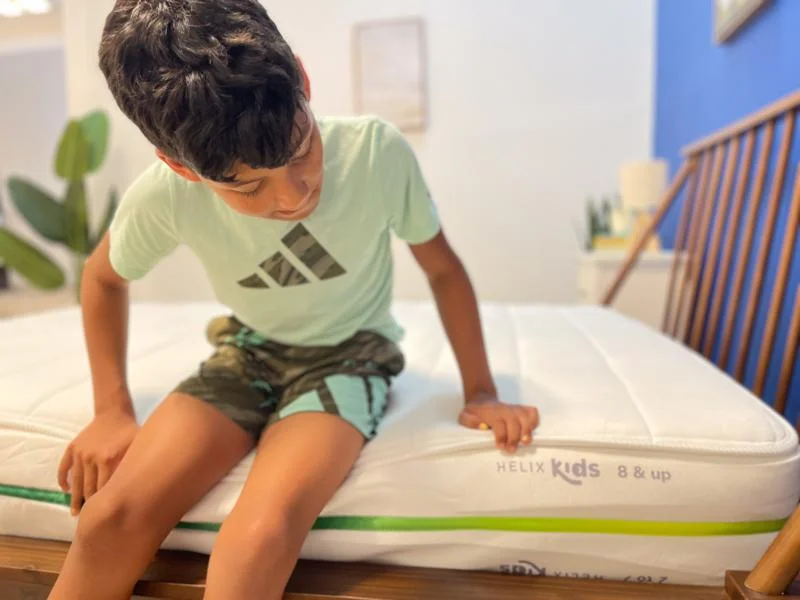
Riley had a similar experience, though she wasn’t the target audience. “On my back, I’m getting a bit of cushioning at my hips and lower back with no pressure anywhere,” she said. “This cushioning up top also feels great for side sleeping.” Though we recommend double-checking the weight limit, some adult sleepers might be able to spend a night or two on the Helix Kids if it’s the only available guest bed.
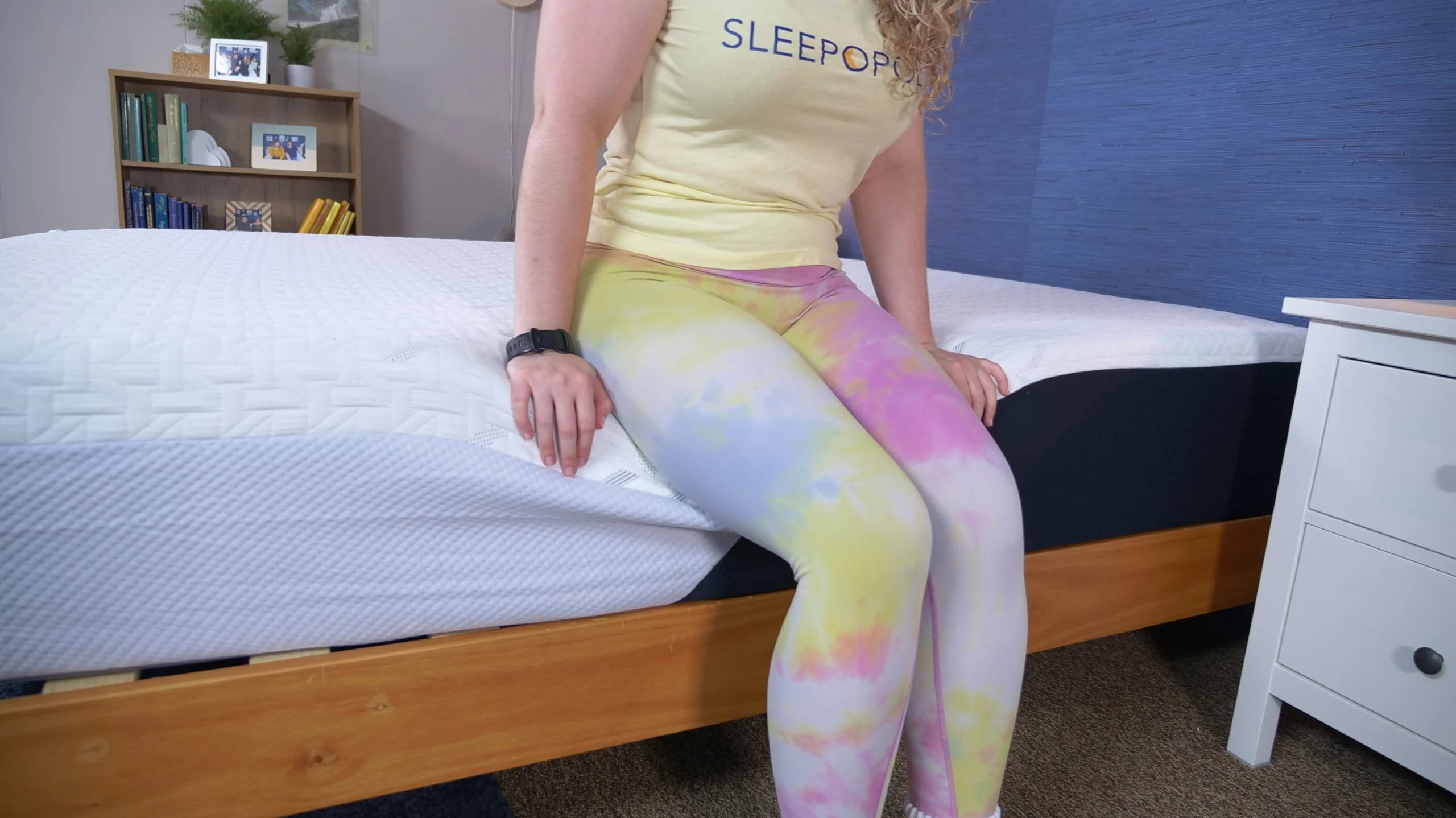
Where the Helix Kids mattress really shines, though, is the edge support. Riley was able to sit on the edge of the mattress without any incident: “I noticed a few inches of sinkage when I sat directly on the edge, but I didn’t bottom out and feel the base under the bed.” Lying down, she also didn’t experience too much sinkage beneath her weight. “I felt slightly less stable when side sleeping, but it wasn’t too concerning, and I doubt kids will have any issue,” she added.
Riley also lay on the mattress for a few minutes to get a feel for how much heat it held onto. She noted the mattress felt more temperature-neutral, rather than actively cooling. “I could feel where I had been lying down, but it wasn’t sizzling,” she said. The average sleeper shouldn’t overheat, but some especially hot sleepers may want to opt for something a bit cooler, like the Dreamfoam Essential.
Our Helix Kids mattress review is still in the works, but you can check out our reviews of the other Helix models to find out more about the brand.
Bear Cub – Best Twin-Size Mattress for Bunk Beds


Stay tuned for our full review!
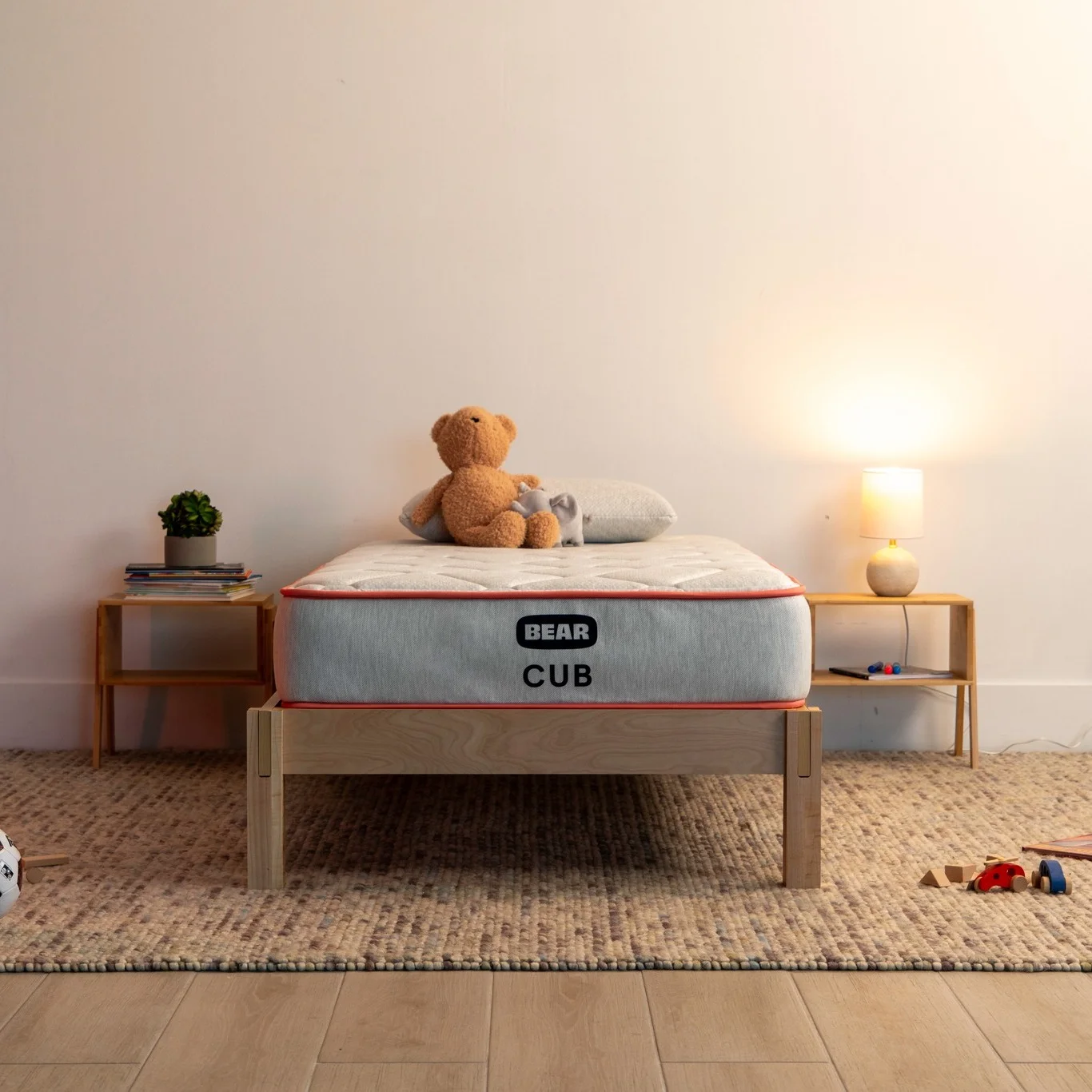
Mattresses are available in a number of sizes, but options for bunk beds are limited. The most common bunk bed configuration you’ll likely encounter is two twin mattresses. The Bear Cub mattress is a hybrid mattress that can check all the boxes. It’s built for children and bunk beds, standing at 8.5 inches tall and available in twin and full sizes. It also comes in two bright colors for further customization.
During testing, the Bear Cub scored 4s and above in all categories, including pressure relief (4.5 out of 5) — a sign of a well-rounded mattress that’ll be a welcome addition to any bunk.
In the absence of any young testers, lightweight tester Riley Otis evaluated the Bear Cub mattress’s comfort and performance. She found the bed has your typical medium-firm feel, what we’d call a 6.5 out of 10 on our firmness scale. It should suit various young sleepers with differing preferences. But even as an adult, Riley could also feel the bed’s pressure-relieving capability.
“There’s some good plushness from the cover and upper layers, which helps cushion the joints and prevent the coils from being felt too much,” she explained as she rested on her side. On her back, she was impressed by the bed’s support: “Although my hips sank in a bit more, I was still pretty impressed by the coil layer, which put in the work to prevent me from bottoming out.” Based on these findings, she believed the bed would work great for young side and back sleepers.
Riley also thought the edge support on this mattress was “really good, especially for a kids’ mattress.” She did sink a bit when seated on the perimeter of the mattress, but noted this would be a non-issue for kids. Lying down, she felt the edges were “super strong,” and felt “exactly the same as the center of the mattress.” She ultimately rated the Bear Cub’s edge support at 4.7 out of 5.
With a cooling score of 4.5 out of 5, the Bear Cub also shouldn’t overheat and cause a problem for kids who sleep hot. “As I lay there, I didn’t feel like the mattress was heating up beneath me,” Riley said. “Although the cover is more of a soft, knitted feel, rather than crisp and cool to the touch, I don’t think the foam layers were trapping heat.”
Just note that this bed is designed for kids, not adults. If you’re looking for something that older sleepers can enjoy long-term, consider the Nectar, which has a similar feel to the Bear Cub.
Nectar – Best Full-Size Mattress for Bunk Beds
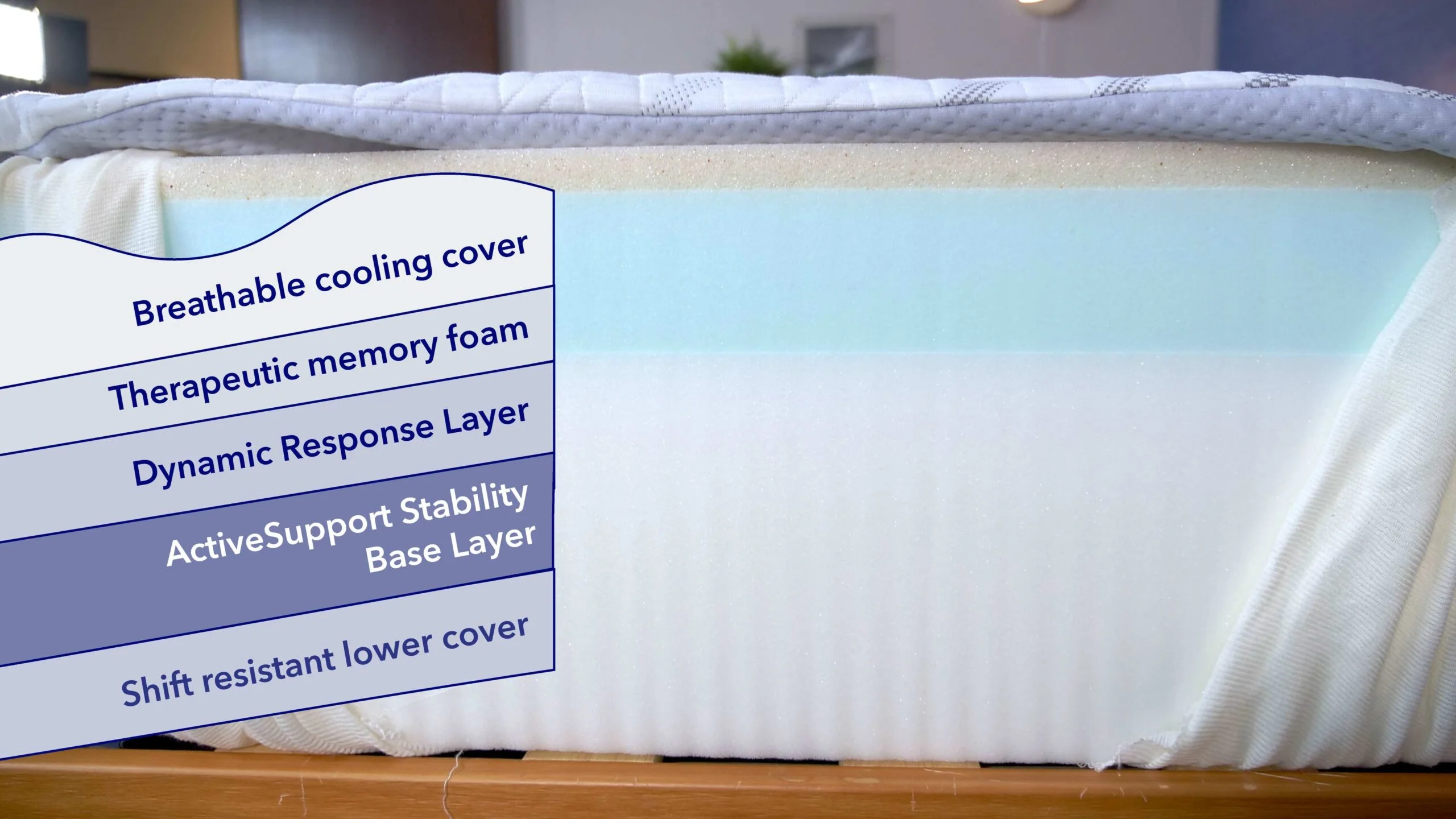
The Nectar delivers a balance of comfort and support: it’s definitely contouring, but still provides a firm enough foundation for most light to average weight sleepers, especially if they sleep on their back or stomach. Plus, a lengthy trial period, lifetime warranty, and affordable price make the Nectar a reassuring choice for many. Watch our video review to learn more.
What our tester says:
“I think back sleepers are going to love the Nectar Classic. These sleepers will get plenty of support from the firm memory foam in the Nectar Classic, which should translate to great pressure relief and a good night’s sleep. Similarly, lightweight and average-weight stomach sleepers should find that they get enough support around their hips to sleep comfortably on this mattress. The Nectar Classic is firm enough to keep these sleepers’ spines in a healthy position.” – Kenny Timper, staff writer and certified sleep science coach
Full-size mattresses are another popular choice for bunk beds. Though less commonly seen in configurations, these beds are a little bit smaller than a queen and can therefore fit two sleepers — or a single sleeper who likes to spread out. If you’re looking for an affordably priced full-size mattress for your bunk bed, look no further than the Nectar Classic.
This memory foam mattress is a smidge taller at 12 inches, but it packs a lot into that height. It offers a balance of pressure relief and support in its medium-firm feel, and earned 4s and above in our tests for edge support, response, and cooling. The best part is this mattress can accommodate adults and children, so it can work in both the kids’ room and a guest bedroom.
The Nectar Classic came in at a 6.5 out of 10 on our scale, which is a true medium-firm feel. Though made of foam, it had more of an on-top feel, something noted by our medical product tester, Dr. Joe Tedesco: “I feel like I’m lying on the mattress, not in it, though I can feel a little bit of softness. I feel like everything is being supported evenly, and I’m not noticing pressure anywhere,” he explained.
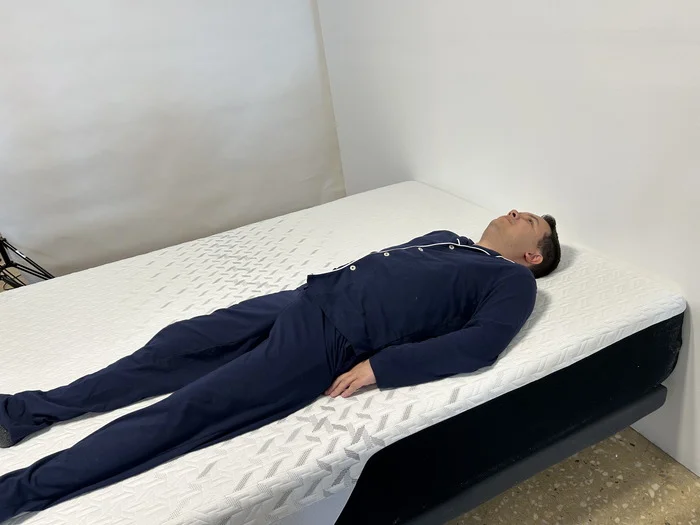
This sentiment was echoed by our pressure relief testers, who found comfort resting on both their sides and backs. Heavyweight tester Caine Wilkes thought the mattress was “more supportive” than expected. “Everything feels in line on my side,” he said, noting there was “a little pressure” on his shoulder, but adding it “wasn’t uncomfortable.”
Average-weight tester Sosha Lewis preferred the mattress on her back. “My spine is aligned very well, and I don’t feel a ton of pressure building anywhere,” she said. “There’s good lift at the hips that keeps them in line with my shoulders.”
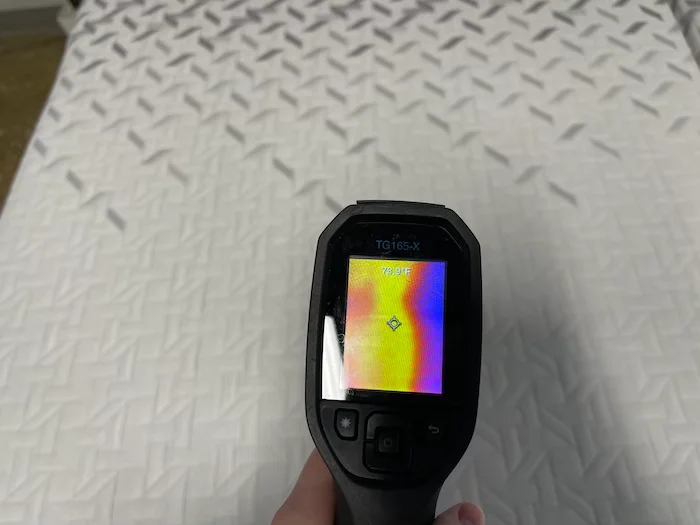
My colleague Kenny Timper was responsible for the rest of the performance tests for the Nectar, and he was most impressed by the bed’s cooling. Though foam beds are known for trapping heat, the Nectar fought this off with its cooling cover. “After lying on it for 5 minutes, the Classic barely heated up, with my thermal gun recording under a 6-degree increase,” he said. “I think that the Nectar beds, in general, have excellent cooling.”
For a foam bed, the Nectar also had decent responsiveness, meaning you don’t sink into this mattress to the point of feeling “stuck.” Kenny said, “I think it’s easier to switch positions on because it’s not a very tall bed, and it is quite firm for a 100-percent memory foam mattress.” He rated responsiveness at a respectable 4 out of 5, which should satisfy most combination sleepers needing ease of movement.
Kenny did notice that the seated edge support on this mattress, while not terrible, was still a bit lacking. “I wouldn’t recommend this to people who need to bear down onto the mattress to stand up. People with mobility issues may find that they have to put even more effort into getting out of the bed,” he explained. It might also not be great if you plan to sit on the bottom bunk to tie your shoes.
If you want a bed with rock-solid edges, check out the BB Kids mattress. Or you can read more in our dedicated Nectar Classic mattress review.
DreamCloud – Best Bunk Bed Mattress for Adults
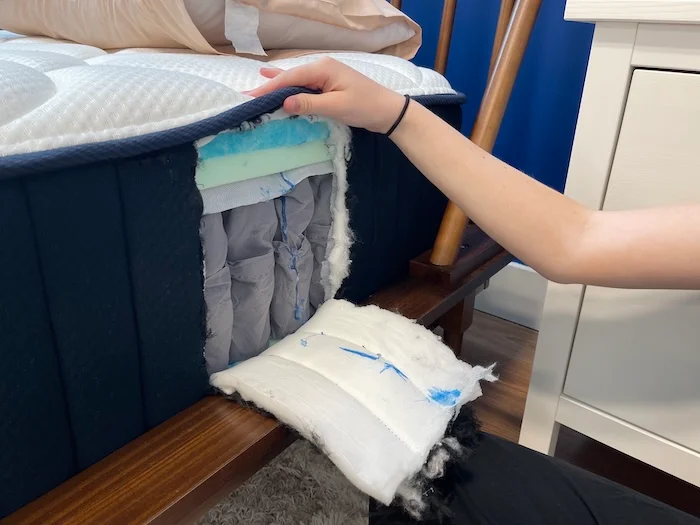
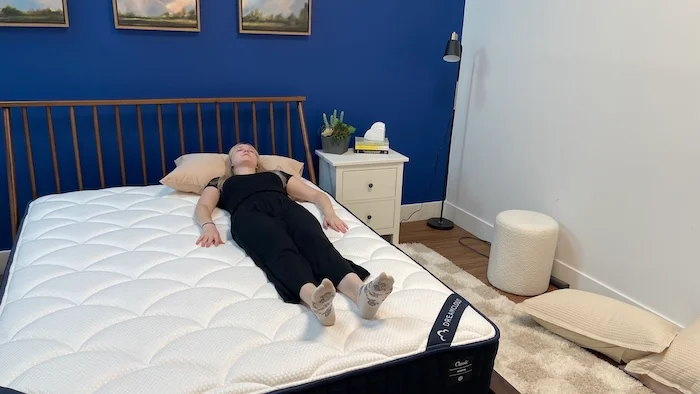

With soft foam and a sturdy layer of innerspring coils, the DreamCloud strikes a balance between comfort and support — a little bit of contouring up top and on-top-of-the-bed feel that comes from the bottom. It’s a fairly firm mattress that we think is most comfortable for back sleepers. It also has some luxury touches such as a cashmere-blend cover that are reminiscent of a high-end hotel. Learn more in our DreamCloud video review.
What our tester says:
“Lightweight and average-weight back sleepers will find a great balance between spinal support and plush cushioning at the lower back. This bed also performed very well on our cooling tests, making it a great pick for hot sleepers.” – Riley Otis, staff writer and certified sleep science coach
Bunk beds aren’t just for kids; some adults may prefer a lofted bed, and it can be a great way to save space in a guest room. If you’re looking for an affordable mattress that should comfortably fit adult sleepers, you’ve found it in the DreamCloud.
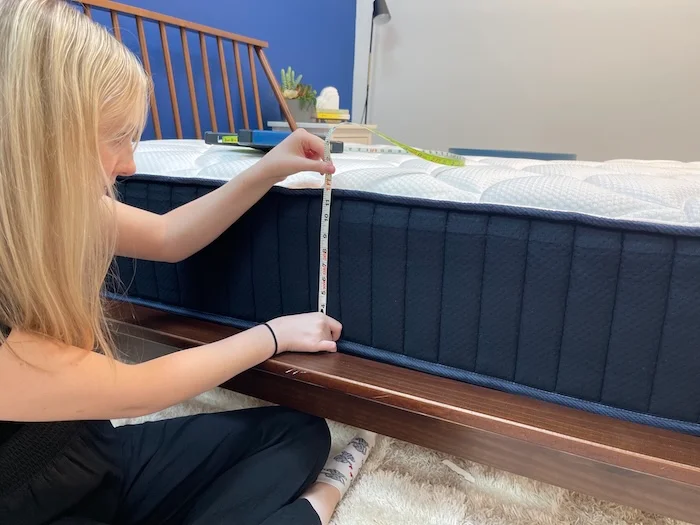
Thanks to its plush pillow top, this hybrid mattress has a luxurious feel despite its low price. It’s a bit taller than your typical bunk mattress at 12 inches, but the extra support is more than worth it. Moreover, this mattress earned a perfect 5 out of 5 for responsiveness, a 4.3 out of 5 for pressure relief, and a 4.5 out of 5 for temperature regulation.
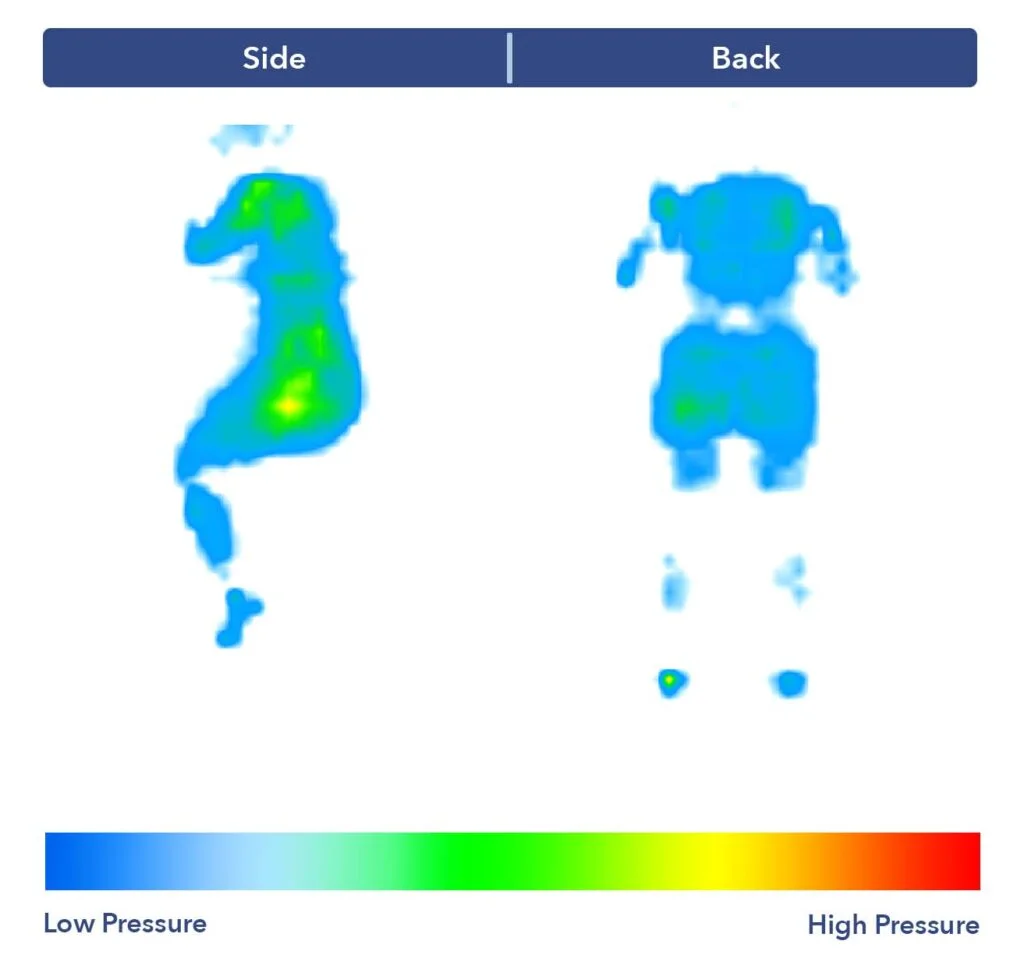
The DreamCloud mattress comes in at a 6.5 out of 10 on our firmness scale, a true medium-firm feel. Though Dr. Tedesco, our medical product tester, commented that he thought the mattress was “super soft.” He added, “It should be great for side sleepers who like that feel, but may be too soft for those with larger frames.”
While our average-weight and lightweight testers did indeed enjoy the pressure relief the DreamCloud provided, both preferred the mattress on their backs, contrary to Dr. Tedesco’s findings.
“I definitely feel more on the bed than in the bed,” said lightweight tester Riley Otis. “Since it’s doing a good job filling in the space at my lower back, I think it is a good match for back sleepers.” Average-weight tester Sosha added, “I feel more pressure relief back sleeping than I do side sleeping.”
Regardless of which position you prefer, switching between them should be easy. Riley, who handled the rest of the DreamCloud’s performance evaluations, noticed this in her responsiveness test. “Even though the bed has some plush cushioning, it didn’t inhibit my mobility or prevent me from easily rolling,” she explained. “I think combination sleepers would be able to move around with no issues.”
Riley also witnessed excellent performance from this bed during the cooling test. She used a thermal gun to record the surface temperature both before and after resting on the bed for a few minutes. The result was a meager 4.3-degree increase. “The cover initially feels cool to the touch,” she said. “I never felt the mattress heating up as I lay there, only turning temperature neutral.”
However, Riley encountered some glitches during the edge support tests. She noticed quite a bit of sinkage when seated at the perimeter, which could be a problem for folks on the bottom bunk. But she also saw an uneven weight distribution while resting on her side at the very edge: “I feel a lot more sinkage, as though I could roll off the edge if not careful.”
For better edge support, you might want to try the Bear Cub mattress. Or you can read more about this bed in our DreamCloud mattress review.
BB Kids – Best Affordable Bunk Bed Mattress
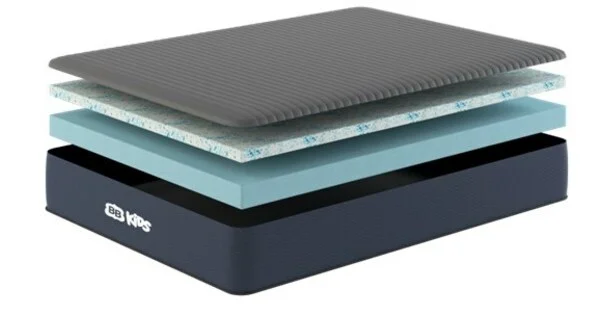

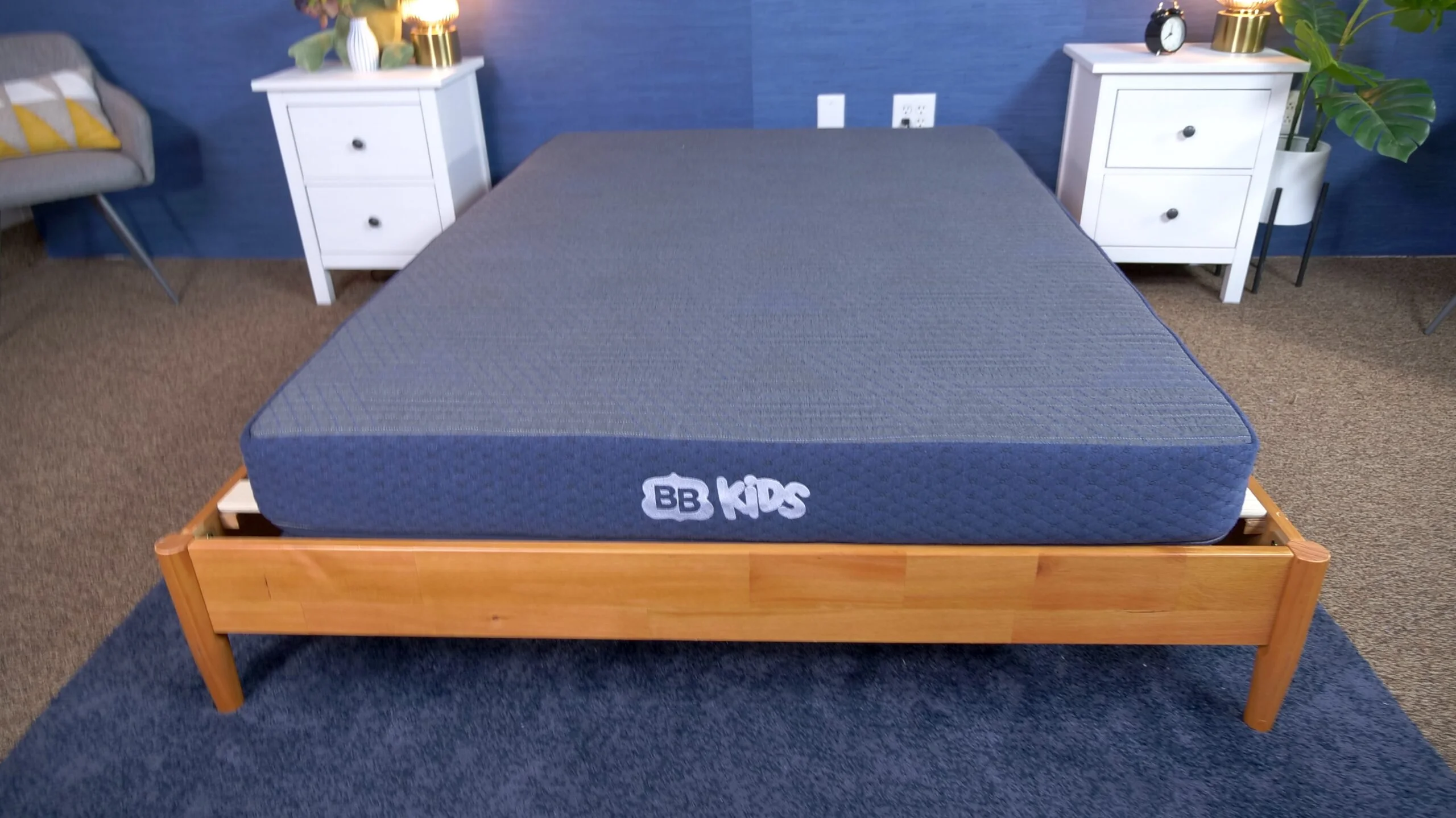
The Brooklyn Bedding BB Kids Mattress is made with firmer memory foam that should offer an ideal amount support for younger back sleepers and side sleepers. It also has some added touches such as gel memory foam for cooling and a stain-resistant cover.
Buying two mattresses can get pretty pricey, so if you don’t want to break the bank, consider an affordable mattress like the Brooklyn Bedding Kids mattress. The BB Kids starts at around $220 for a twin-size mattress, meaning you could outfit your entire bunk bed for as low as $440 — a great deal when you consider the quality of this bed.
It has a slightly firmer, on-top feel that will keep young sleepers properly supported throughout the night. This also lends it some rock-solid edge support, for which it earned a 4.7 out of 5 in our tests. Finally, it’s just 6 inches tall, the perfect compact size for a bunk bed.
The BB Kids mattress came in at a 7 out of 10 on our firmness scale, which is just a smidge firmer than your average medium-firm mattress. It’s constructed entirely of foam, but our testers didn’t notice much sinkage when resting on the surface of the mattress.
We even had our 10-year-old tester, Conrad, give this bed a whirl, and he noticed this firmer feel right away. He found a tiny bit more comfort on his back but added that it “still feels firm to me.” Kids who are stomach sleepers or need the extra support may benefit from this robust feel.
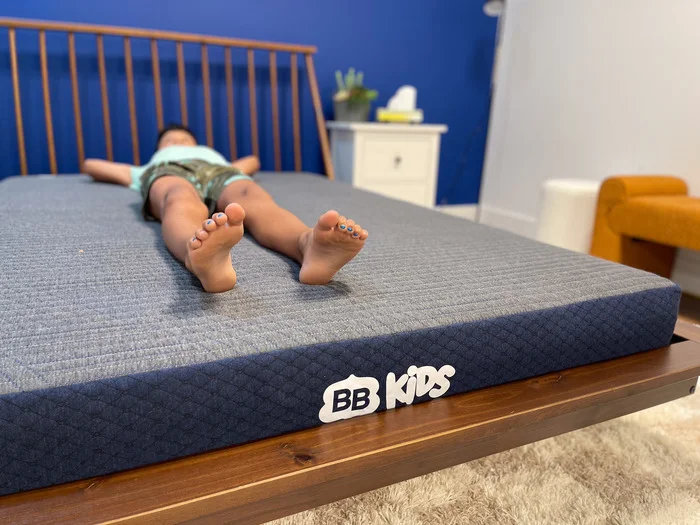
However, our in-house tester was impressed with the bed’s edge support, thanks to this firmer profile. While as an adult, the mattress sank a bit beneath her, she never felt like she was going to slide off. Lying down at the edge was a different story: “I don’t feel like I’m going to roll off, and the edge really isn’t collapsing in his position.” She added, “This would be good for kids with bunk beds or for ones that are transitioning out of a crib or toddler bed.”
The BB Kids mattress does feature cooling elements like gel-infused foam, but the stain-resistant cover did have a more “woolly” feel, per our in-house tester. “I was never unreasonably hot lying on the mattress, but this mattress might be an issue for kids who are night sweaters,” she explained. The good news is that this cover is stain-resistant, so it should protect from spills and accidents.
While great for parents on a budget, the BB Kids mattress may not work for all sleepers. Young children should get the musculoskeletal support they need as they grow, but older kids might want something softer as they age. If your child would prefer a softer bunk mattress, consider looking at the Bear Cub or Helix Kids mattress instead.
Read more in our full BB Kids mattress review.
Dreamfoam Essential – Best 6-Inch Mattress for Bunk Beds
The Dreamfoam Essential is a high-quality budget option, with enough firmness levels, height options, and price points to suit a wide variety of sleepers. We think RV-specific sizes make it especially good for travelers. Learn more in our Dreamfoam Essential video review.
What our tester says:
“When I was on my back my weight felt evenly distributed. I sunk into the memory foam comfort layer just a touch and enjoyed some body-contouring, while the firmer support layer ensured my hips stayed elevated and aligned with my spine.” – Logan Block, former Sleepopolis director of content and mattress tester
Lofting one mattress above another means less overhead space, especially for whoever gets the top bunk. The last thing you want is to wake up and smack your forehead on the ceiling. That’s why we recommend thinner mattresses for bunk beds, with 6 inches being the lowest height that’ll still feel comfortable.
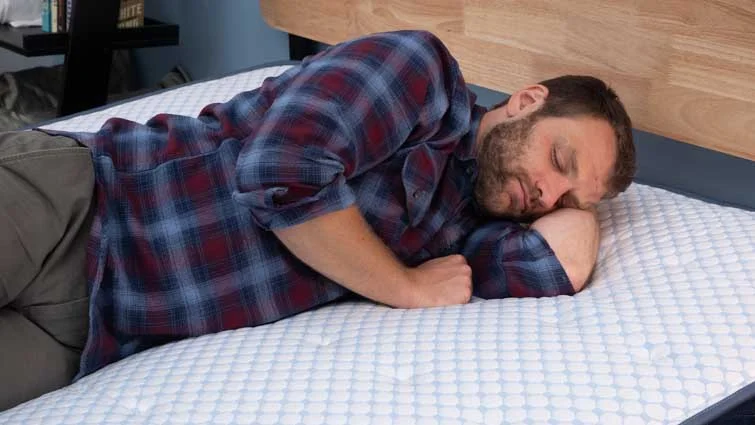
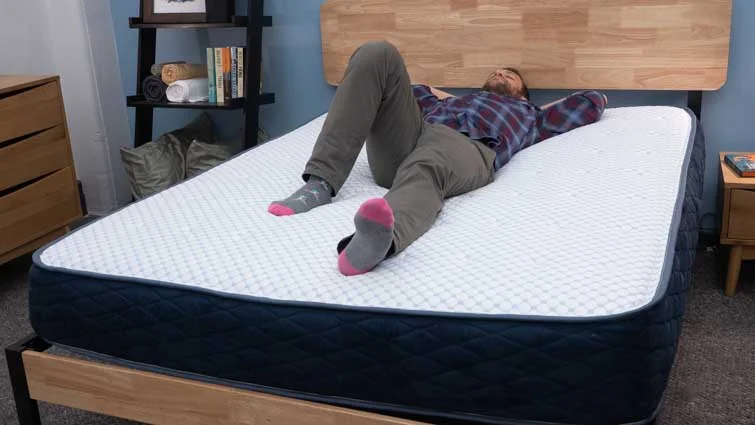
The Dreamfoam Essential mattress has a super-firm feel despite its tiny size. Our testers rated it at an 8 out of 10 on our firmness scale, which is decidedly firm. Admittedly, it didn’t offer much in the way of pressure relief, even though our average weight tester said it “wasn’t necessarily uncomfortable” while resting on her side, just a bit firm.
Our in-house tester did enjoy the support she received while resting on her stomach, though. “I’m a combo sleeper and am perfectly comfortable on this mattress on my stomach, so I think it would definitely be firm enough for someone who sleeps on their stomach regularly,” she said.
The Dreamfoam Essential is one such bed; it’s available in a multitude of heights, up to 14 inches. Plus, you’d be hard-pressed to find a mattress that comes in this many sizes. Bunk bed aficionados should direct their attention to the twin, twin XL, full, and even RV bunk sizes. The Dreamfoam is a firm, affordable, all-foam mattress that especially impressed us in our response and cooling tests, earning perfect scores in each, so it’s sure to please.
The firm feel of the Dreamfoam also gave it a leg up in our responsiveness tests, even with its all-foam construction. “I feel very ‘on top’ of this mattress, so it’s very easy to switch positions,” said our in-house tester. This means that even the most restless combination sleepers should never feel “stuck” in this mattress when trying to get comfortable throughout the night.
Cooling wasn’t an issue for the Dreamfoam Essential either. It does feature a few inches of gel-infused memory foam, which proved helpful in our temperature regulation tests. “It felt pretty cool when I was lying there and didn’t heat up at all,” our in-house tester said. “In fact, it actually feels cool to the touch where my body was.” This is good news for hot sleepers seeking a cheap foam bed that won’t trap heat.
At 6 inches thick, this mattress isn’t exactly the most lofty. It’ll fit snugly in a bunk bed, but it could pose problems in terms of edge support. Our tester noticed quite a bit of compression at the edges, which could become an issue for whoever sleeps on the bottom bunk. They might not be able to rely on the edges to tie their shoes or comfortably sleep close to the perimeter.
For better edge support, check out the BB Kids. Otherwise, you can find out more information in our Dreamfoam Essential mattress review.
Plank Firm – Best Firm Mattress for Bunk Beds
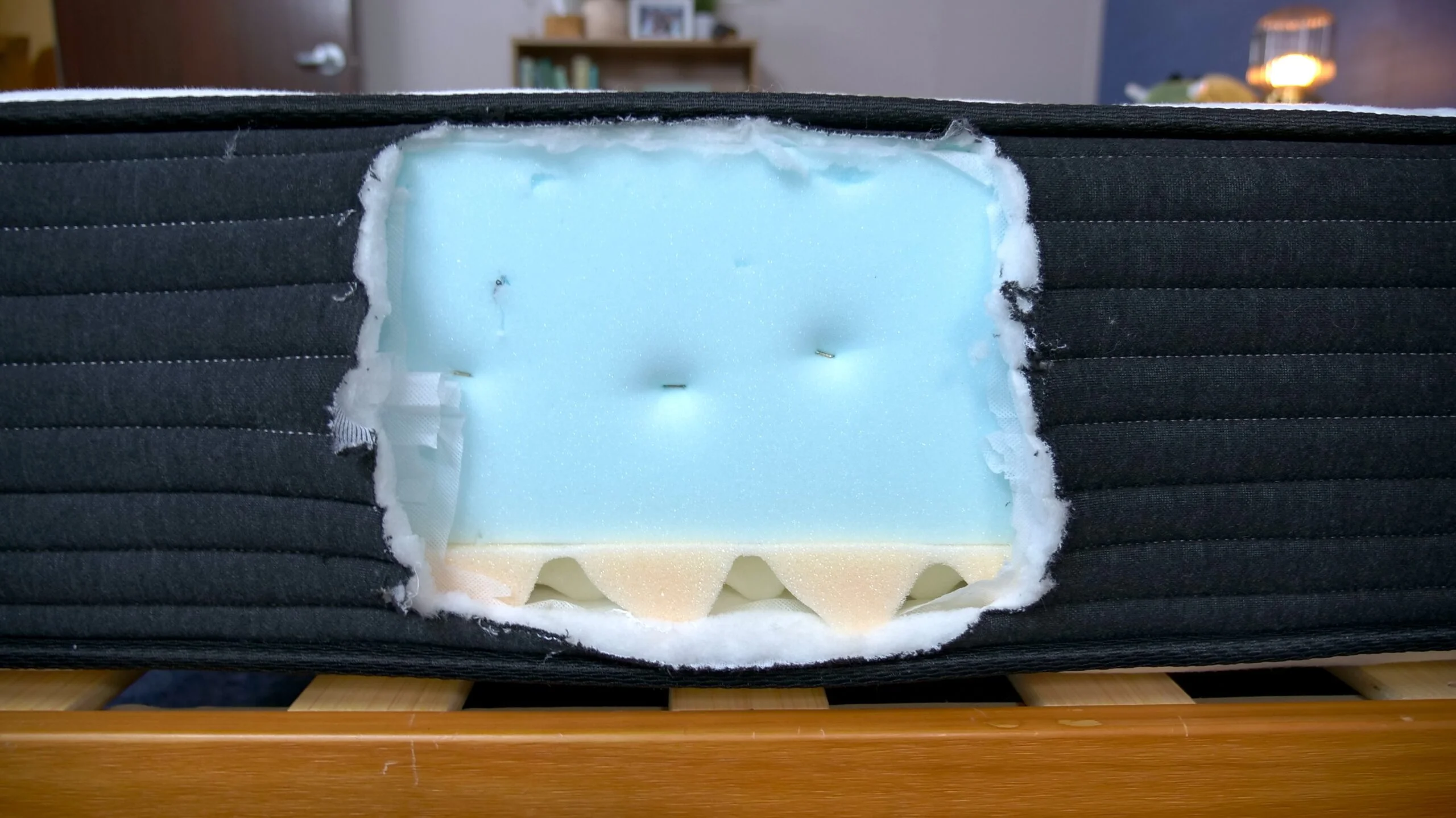
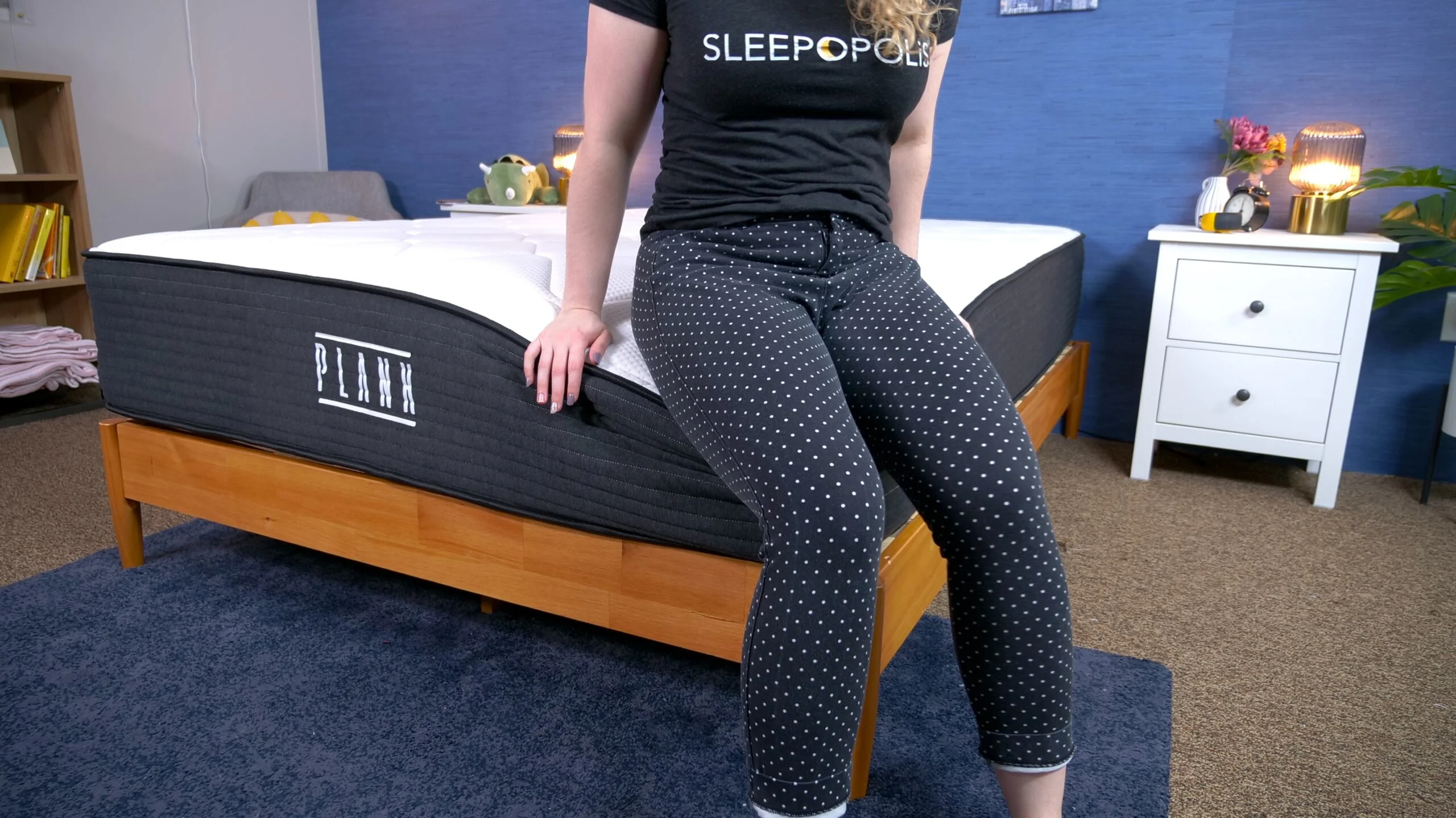
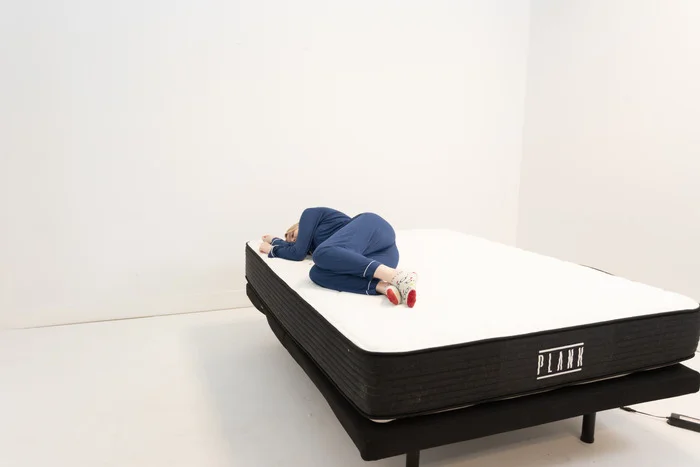

The Plank Firm more than lives up to its name with its ultra-sturdy foams and supportive feel. While this bed certainly isn’t for everyone, it should be an ideal fit for back sleepers, stomach sleepers, and combination sleepers who want to feel more on top of their mattress than in it. For more information, check out our video review.
What our tester says:
“I think the Plank Firm is one of the best mattresses for stomach sleepers. Both sides of the mattress, the firm side and extra firm side, should give these sleepers the support they need to keep their hips in line with their shoulders. Back sleepers who like a firmer feel should also be happy on the firm side of the Plank.” – Kenny Timper, staff writer and certified sleep science coach
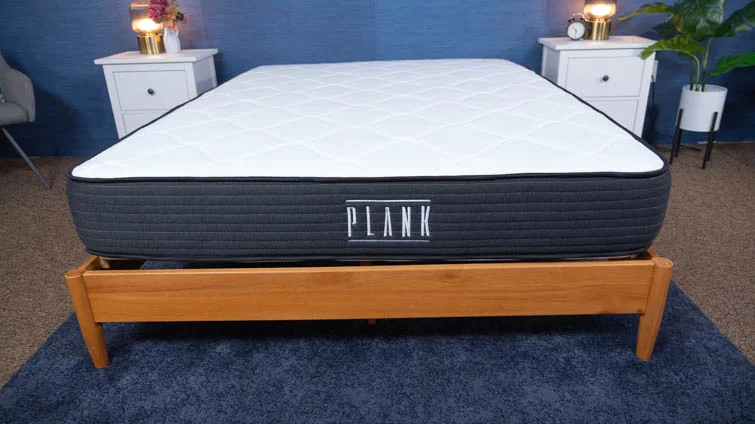
Looking for a super-firm and supportive mattress for your bunk bed? You’ve found it with the Plank Firm. As the name implies, firmness is the name of this mattress’s game. This flippable bed is practically made for the bunking life, coming in at 10 inches tall. It should work for both adults and kids, so long as they’re seeking a robust, lifted feel.
The Plank earned an impressive 5-out-of-5 score for response, alongside an admirable edge support rating of 4.1 out of 5. If a so-called firm mattress has ever let you down, it won’t be the same with the Plank.
The Plank Firm mattress has two sides: a traditional firm side and an extra-firm side. The regular firm side has a firmness level of 7.5 out of 10, while the extra-firm side came in at a 9 out of 10. If you’re looking for a more approachable firmness, we recommend the traditional firm side — it’s also where our testers were able to glean the most alignment and pressure relief.
Heavyweight tester Marten Carlson thought the mattress was “pretty good” while resting on his back. “There’s good alignment overall, and I feel supported,” he further explained. “I would sleep on this bed on my back, but I wouldn’t recommend it for heavyweight side sleepers.”
The rest of our testers thought the Plank was too firm for side and back sleeping. Stomach sleepers are likely going to have the best chance of alignment and support, as the bed is firm enough to keep their hips from sinking out of alignment.
The bed’s firmer feel lends it quite a bit of response, despite its all-foam construction. You don’t even get the opportunity to sink into the surface, so you’ll never feel “stuck” in it. My colleague Sosha Lewis thought this mattress was “extremely easy to switch positions on.” She added, “I think that this bed would be fantastic for combination sleepers.”
It’s a similar story for edge support, too, though our testers noted that the traditional firm side of the mattress seemed to have better reinforcement than the extra-firm, contrary to what one might expect.
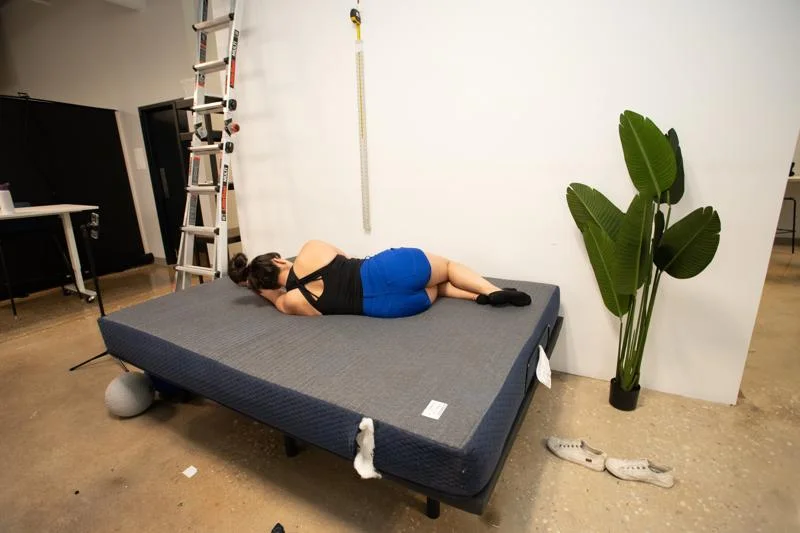
When tester Riley Otis sat on the edge of the traditional firm side, she experienced quite a lot of sinkage. But it changed when she switched to lying down: “Surprisingly, I felt very supported when lying directly on the edge. I didn’t notice any sagging or sinking, and my body felt lifted.”
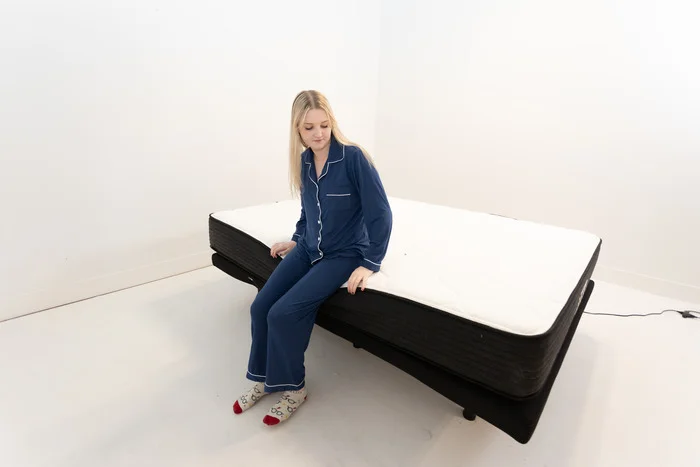
Overall, the Plank Firm will be a great addition to a bunk bed for firm fans, but this may not be the right profile for everyone. If you’re a dedicated side sleeper, have a smaller frame, or sensitive joints, I recommend you seek out a softer mattress like the Nectar.
To find out more, see our dedicated Plank Firm mattress review.
Other Mattresses I Considered
Didn’t find what you were looking for in the list above? Here are some other mattresses that might fit into your bunk bed configuration:
Saatva Youth
The Saatva Youth is another flippable mattress designed for kids, though it comes from a luxury mattress brand, so it has a more high-end feel. Both sides are very cushioning and supportive, with the side for younger children being just a smidge firmer. The mattress also comes with free white-glove delivery, a perk we don’t often see with kids’ beds. But it is on the pricier side, which may not be the best fit for shoppers on a budget — especially when it comes to bunk beds.
Nolah Nurture
Yet another kids’ mattress we love is the Nolah Nurture. It’s an organic, hypoallergenic mattress that’s great if you’re concerned about harmful chemicals and sustainability. This hybrid mattress features both a soft and a firm side to accommodate the ever-shifting preferences of young sleepers. It’s also available in twin, twin XL, and full sizes. Our adult testers thought that while the mattress has great edge support, it’s likely not comfortable for this age group, so steer clear if you’re looking for a bed for teens or guests.
How We Picked and Tested These Mattresses
For this roundup, I prioritized beds that would comfortably fit a bunk bed setup and provide excellent value. Let’s dive a bit deeper into why I chose these metrics and what goes into each.
Mattress Height
The average mattress height is around 12 inches, which allows for multiple layers and a more robust, durable construction. However, this may not always work for bunk beds. Bunk bed frames are more than just a platform; they include guardrails and borders, and some even feature trundle beds. This means that the thickness of the mattress comes into play just as much as its size. A too-thick mattress might be a fall risk for children, or it can also take away from overhead space for whoever’s on the top bunk.
That’s why we recommend sticking to mattresses that fall between 6 to 10 inches thick, if possible. Of course, this isn’t an option for everyone. Usually, the thinner a mattress is, the firmer it feels to compensate for any lack of support. If you want a thicker mattress, make sure your frame can accommodate it — and that you have high enough ceilings.
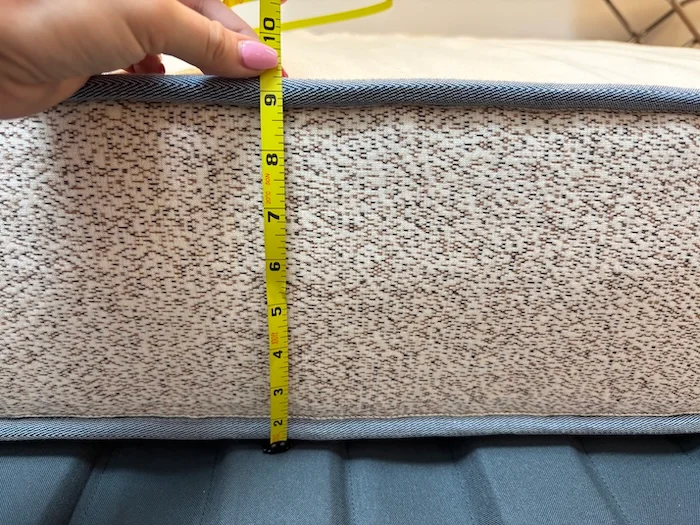
Kids’ beds tend to be thinner while still maintaining comfort and support (and, of course, the majority of bunk bed users are kids), so that’s why they make up a majority of the list. But a few on this list are a bit thicker, should you need the extra oomph. Both the Nectar and DreamCloud are 12 inches thick, which I would consider the absolute maximum for a bunk bed. While the Plank isn’t for kids, it’s actually 10 inches thick, making it a better pick for adults with limited space.
Sizing
Bunk beds are great for maximizing space, but you don’t want a too-small mattress for your needs. Most bunk beds accommodate twin, twin XL, or full-size mattresses. Twin and twin XL mattresses can fit one sleeper, with twin XLs being a bit longer to accommodate taller sleepers. A full-size mattress can fit two people — though you might have to snuggle a bit.
Bunk beds can also have a mix of two sizes. A popular configuration is the “twin-over-full,” which, as the name suggests, is a full-size mattress on the bottom bunk and a twin-size on top. This means you’ll have to purchase two mattresses of different sizes.
You should also take your space and needs into account before choosing a bunk mattress or frame. There’s a lot more customization than folks might realize. Of course, you’ll also have to deal with any caveats if your preferred bed isn’t the right size.
All of the mattresses on this list come in both twin and full sizes. The mattresses that also come in twin XL are: Plank Firm, Dreamfoam Essential, BB Kids, DreamCloud, and Nectar. The Brooklyn Bedding BB Kids is the only kids’ mattress available in a twin XL — something to keep in mind if you want to use your mattress still as your child grows taller.
Affordability
Chances are, if you’re purchasing a bunk bed, you’re going to need two mattresses. In the interest of your wallet, I made sure to include mattresses that I feel offer a great value for the product you receive. The average bed can cost hundreds to thousands of dollars; thankfully, smaller sizes are a bit more affordable, but things can get expensive as quality increases.
How do you balance quality and price? Leave that to us. As you’ve probably noticed, we tested all these mattresses for their comfort, support, cooling ability, edge support — and we even took into account the customer service experience. We never recommend mattresses that we don’t feel confident will offer high-quality sleep.
The beds on this list cost anywhere from around $200 to just under $800 for a twin-size. This is a nice range for shoppers looking for something super-cheap, as well as those looking to invest in a higher-end option.
What Else to Consider in a Bunk Bed Mattress
Aside from ensuring your bunk mattress fits in your room and won’t break the bank, choosing a new bed can be quite the involved process. If you’re struggling with the luxury of choice, take a look at each of these areas to ensure you’re considering all your needs and preferences.
Type of Mattress
There are four main mattress types: foam, innerspring, hybrid, and latex. These mattresses each possess unique characteristics that can make them better for certain sleepers and shoppers. To help decide which is best for you, I’ll give a quick overview of each.
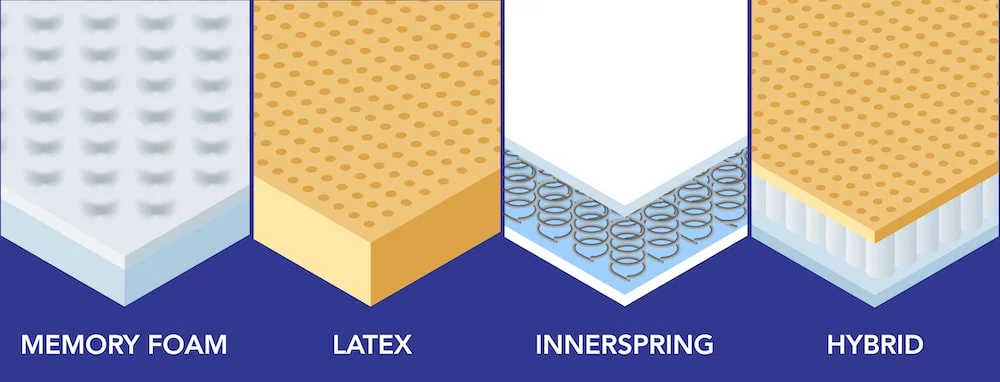
- Foam mattresses are made entirely of layers of foam. This can be memory foam or other synthetic foams. Your typical foam mattress will have a cushiony, slow-moving feel that can have you sinking deep into the bed’s surface. It’s a great pick for pressure relief and couples who share the bed. However, foam isn’t the most breathable material, and it may not work well for hot sleepers.
- Innerspring mattresses contain a coil unit plus a thin comfort layer on the surface. The result is a very springy, supportive mattress with plenty of airflow through its construction. The lack of a comfort layer can cause more pressure points along the body, so it may not be the best type for folks who have pain concerns. But its firm support can work for folks who need a lot of lift.
- Hybrid mattresses combine the best of both worlds. They feature an innerspring unit plus thick comfort layers on top. These layers can contain foam, latex, or other pressure-relieving materials to create an overall balanced feel. Hybrid beds are some of the most varied and versatile, but they can also be a bit more expensive.
- Finally, latex mattresses are made with latex, a uniquely buoyant material derived from rubber tree sap. Like memory foam, a latex bed can provide pressure relief, but it’s a lot more breathable and bouncy. It might be a great pick if you want ease of movement on the surface of your mattress. But its organic nature can lead to higher prices, and its acquired feel might not work for the average sleeper.
Most of the mattresses on this list fall into two categories: memory foam or hybrid, which also happen to be some of the most common options on the market. If neither style appeals to you, you can peruse our list of the best innerspring mattresses and best latex beds for more.
Pressure Relief and Support
“A balance of pressure relief and support is crucial for maintaining comfort on a mattress,” says Dr. Raj Dasgupta, our chief medical officer. “Pressure relief ensures that the sensitive parts of the body are cradled as they sink into the mattress, while a supportive mattress will keep the spine in its proper alignment.”
A mattress that doesn’t offer the pressure relief and support you need can lead to disruptive sleep and discomfort. Thankfully, we evaluate each in our studio. For pressure relief, we have our testers rest on their sides and backs (the two sleeping positions that require the most pressure relief) and provide their opinions on how the mattress feels, noting any areas of pressure buildup or alleviation. Each tester offers a rating out of 5, which is then averaged together for the overall pressure relief score.
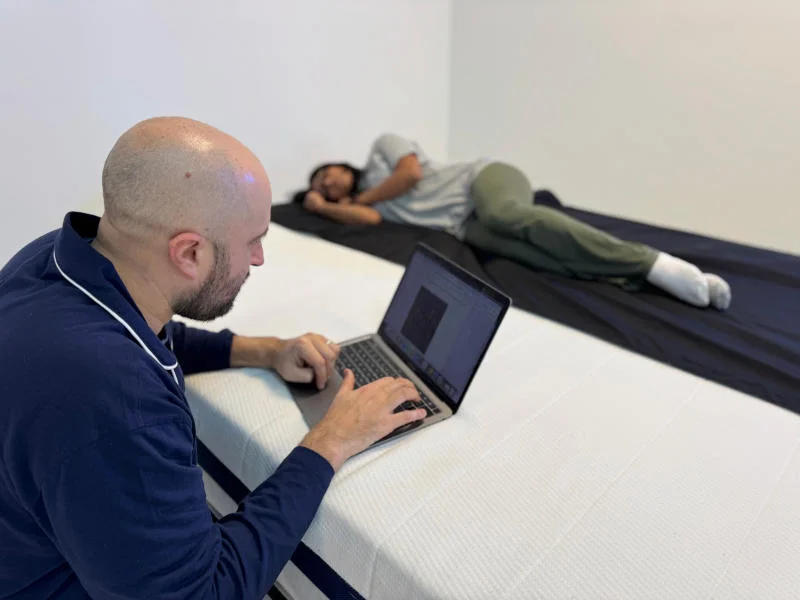
It’s a similar process for support, though without any formal scoring. We make sure to lie down in each sleeping position and determine whether the mattress helps the spine follow its natural S-curve. If a bed offers too much lift or sinkage, it can compromise the spine and lead to issues like back pain.
Some sleepers will find mattresses more or less pressure-relieving and supportive than others. Opinions can vary immensely among testers based on factors such as age, weight, preferred sleeping position, body type, and any conditions they might have.
Sleeper Type
First and foremost, you’ll want to consider who will be sleeping in the bunk bed. Adults and children actually experience pressure relief on a mattress differently, so be aware of who will be using the mattress when deciding between a kids’ mattress and a more generic one for adults.
Kids’ beds are generally firmer to provide support for different stages of growth. Some kids’ beds also aren’t built to accommodate adults, so if you plan on using one for guests or older teens, be sure to check the weight capacity.
“While I recommend most sleepers choose a medium-firm mattress, your body type can affect how a mattress feels to you,” says Dr. Raj Dasgupta. “This can influence that recommendation — the ideal firmness may be different depending on your frame and what position you sleep in.”
Like how children have smaller frames, you might be a lightweight sleeper and not sink into the surface of a mattress as much. This could mean that a softer mattress would work better for you, especially if you sleep on your side and need that pressure relief. But at the opposite end, sleepers over 230 pounds may sink too far into a mattress. In that case, we recommend that these folks opt for a firmer, more supportive mattress — especially if they’re a stomach sleeper; stomach sleepers need their hips to remain lifted to stay in proper alignment.
Company Policies
Purchasing a new bed online comes with a lot of fine print that folks can easily shove aside, but there’s a high chance you’re missing out on some freebies. We round out every mattress evaluation with a customer service score that encompasses some of these company policies that might otherwise be overlooked or ignored.
For one, the bed-in-a-box is becoming more popular with the rise of online shopping. These beds arrive at your door straight from the factory, compressed in a box for easy transportation and setup — most of the time with free delivery, too. Once your bed expands to its full size, it’s ready for use!
But if you’re not looking to lug a ton of mattress around yourself, you can always check if the brand offers white-glove delivery. This means a team comes to your house and sets things up for you, sometimes taking your old mattress away. Some companies, like Saatva, do so for free with any mattress purchase, but others may require an additional fee or specific purchase amount.
Most online mattresses also come with a sleep trial, which is a time period in which you can try out your mattress at home and decide if you like it. Most brands will offer anywhere from a few months to an entire year (which earns a 5/5 trial score for us) for this test. You can even get a full refund, so long as you initiate a return within the trial period. Just note that some may ask to pay for pickup or request that you donate the mattress yourself. Many mattress retailers also require you to try out the bed for at least a month before returning, but it should be plenty of time to get a feel for how the bed works.
Once you’ve decided to keep your mattress, though, you’re at the mercy of your warranty should you encounter any defects. The average mattress is built to last about 10 years, but the higher-end models can last longer. As a result, many brands have begun offering longer warranties, with some even lasting a lifetime. A lifetime warranty is just like it sounds — for life — and speaks to a high level of confidence in the product’s quality and durability. It also earns a 5/5 rating from us, which contributes to a higher customer service score.
Don’t discount the company policies when factoring the overall value of a mattress. It might be worth the added convenience, especially if you’re buying two for your bunk bed.
FAQs
How thick should a mattress be for a bunk bed?
A mattress for a bunk bed should usually be less than 10 inches thick, though some exceptions apply. This ensures that you should have enough overhead space on the top bunk. Be sure to consider the dimensions of your bed frame, including any guardrails or trundles, as they may be able to fit larger (or smaller) mattresses. On the lowest end, we don’t recommend going thinner than 6 inches, as you likely won’t have the most comfortable sleep experience.
Do you need a special mattress for a bunk bed?
Oftentimes, you don’t need a special mattress for a bunk bed. Just make sure it’ll fit the dimensions of your frame. Most bunk beds can fit twin, twin XL, or full-size mattresses.
Should I get an 8 or 10-inch mattress for a bunk bed?
Whether you want an 8- or 10-inch mattress depends on your preferences and needs. The thinner a mattress is, the less expensive it will likely be, but it might also be firmer to compensate for its smaller construction. A 10-inch mattress may offer more comfort and seem more durable, but it could also be too tall for some bunk bed configurations, especially for whoever’s on the top bunk.
Is a bunk bed a twin or twin XL?
Bunk beds can be made for both twin or twin XL mattresses. Twin beds are great for young kids, while twin XL mattresses are a bit longer to accommodate teens and young adults. Some bunk beds are even full-size, but this is less common. Always check and measure your existing bunk bed frame, if you have one.
Sources
- Low, F.-Z., Chua, M. C.-H., Lim, P.-Y., & Yeow, C.-H. (2017). Effects of Mattress Material on Body Pressure Profiles in Different Sleeping Postures. Journal of Chiropractic Medicine, 16(1), 1–9. https://doi.org/10.1016/j.jcm.2016.09.002
- Laird, Molly & Razmus, Ivy & Conrad, Megan. (2020). WEIGHT AND PRESSURE DISTRIBUTION ON MATTRESS SURFACES VARIES BETWEEN CHILDREN AND ADULTS. Biomedical Sciences Instrumentation. 56. 370-374.